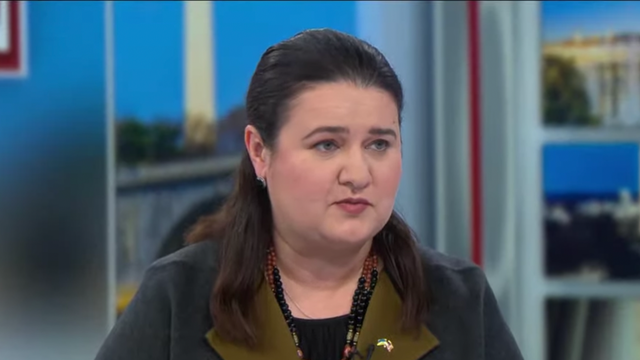
Transcript: Ukrainian Ambassador Oksana Markarova on "Face the Nation"
The following is a transcript of an interview with Ukrainian Ambassador to the U.S. Oksana Markarova that aired Sunday, March 6, 2022, on "Face the Nation."
Watch CBS News
The following is a transcript of an interview with Ukrainian Ambassador to the U.S. Oksana Markarova that aired Sunday, March 6, 2022, on "Face the Nation."
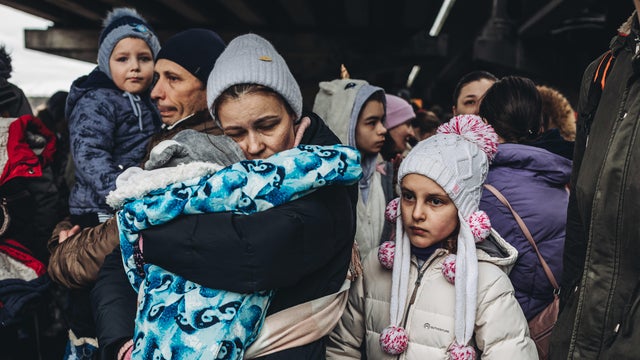
A Ukrainian official says a second attempt to evacuate civilians from a southern city has failed due to continued Russian shelling.
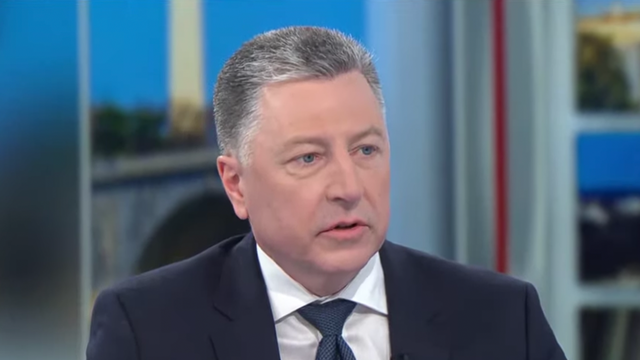
The following is a transcript of an interview with Kurt Volker, the former ambassador to NATO and special representative for Ukraine, that aired Sunday, March 6, 2022, on "Face the Nation."
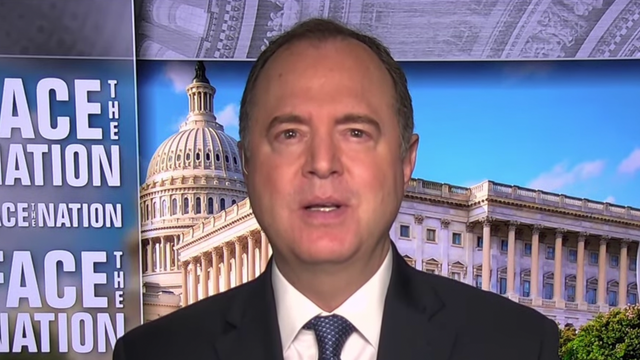
The following is a transcript of an interview with Democratic Representative Adam Schiff of California that aired Sunday, March 6, 2022, on "Face the Nation."

The visit is yet another example of a geopolitical shift underway across the globe in the wake of Russia's invasion of Ukraine.

The Ukrainian president's defiance against the invading Russian army has done more than just help protect his country; it has helped bolster the strength of other democracies much older than Ukraine's.

The Biblical tale of overcoming a seemingly insurmountable adversary is evoked by Zelensky's defiant stand against Putin, whose military is attempting to crush his neighboring country.

The following is a transcript of an interview with Secretary of State Antony Blinken that aired Sunday, March 6, 2022, on "Face the Nation."

The former president spoke to top GOP donors Saturday night.

Heavy fighting has raged for days in the strategic port city of Mariupol.

Over 280 lawmakers joined the Zoom call, where Zelensky made an impassioned plea for planes and an embargo on Russian oil.

He said Russia would view "any move in this direction" as an intervention that "will pose a threat to our service members."

The U.S. said it is working to determine whether Russia's attacks on civilian targets in Ukraine meet the legal definition of war crimes. Nancy Cordes reports.

Russian President Vladimir Putin is cracking down on the few remaining independent media outlets in the country amid his war against Ukraine. Russia's parliament passed a law effectively criminalizing the spread of information challenging Putin's narrative on the war. Roxana Saberi has the details.

U.S. Ambassador Linda Thomas-Greenfield urged Russia not to send its troops "into an unjust war — or on a suicide mission against a nuclear power plant."

The Kremlin claimed Facebook had discriminated against Russian media.
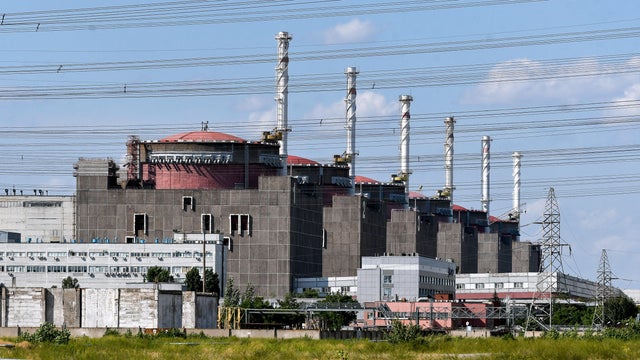
Investors unnerved after Russian shelling causes fire at Europe's largest nuclear plant.

The cost of filling up your car is soaring across much of the U.S as the Ukraine crisis further drives up oil prices.

The channel's website was shut down by the government. It is not the only outlet that has had to stop broadcasting.

Other Western nations reacted with horror, as well. The attack stoked fears the war could spark another Chernobyl.
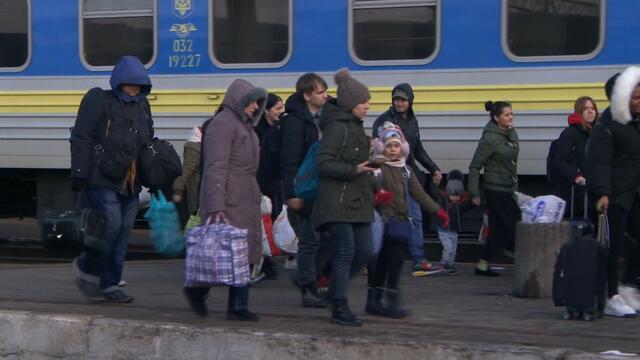
"Every day begins with a text to our relatives," says 16-year-old Dennis. "We ask, 'are you alive?'"

The former national security adviser told "CBS Mornings" it is very likely that the turmoil could spread to other countries.

As the war in Ukraine grinds on, most Russians are unaware of what is really happening amid a new crackdown on the few remaining independent media outlets.

India is the only major U.S. ally that has neither condemned Russia's invasion of Ukraine in clear terms nor backed sanctions against the country.

"Our presence at the Paralympics is not merely a presence, this is a sign that Ukraine is and will remain a country," the team's committee president said.