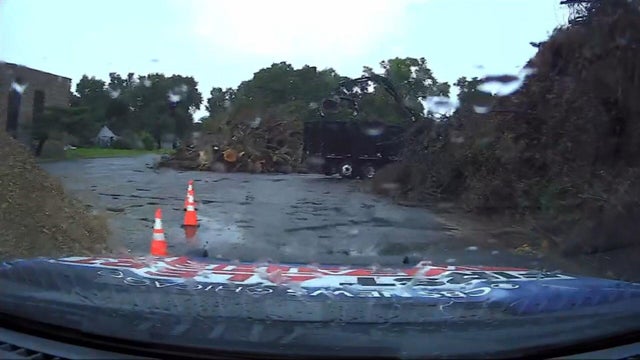
Doppler rada-confirmed tornado blasts through Chicago's south suburbs
A tornado blasted through Chicago's south suburbs during the midday hours Tuesday.
Watch CBS News

A tornado blasted through Chicago's south suburbs during the midday hours Tuesday.
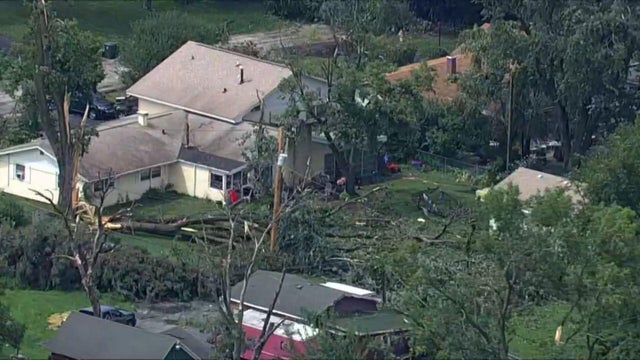
A line of destructive thunderstorms with winds over 90mph barreled through the Chicago area Tuesday. Two tornadoes have been reported.
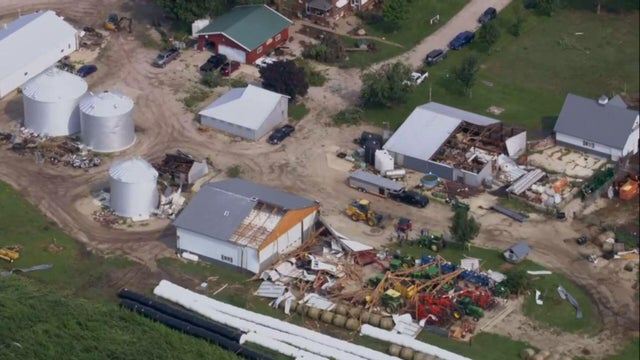
Two EF-1 tornadoes have been confirmed to have touched down in La Salle County Sunday night.
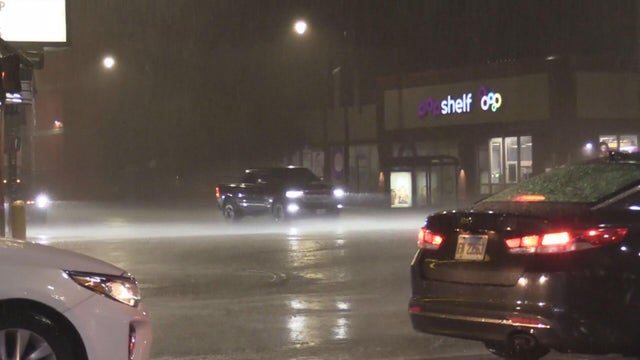
Chicagoans were likely awoken by thunderclaps as loud and intense as explosions overnight Sunday into Monday — and another round of heavy rain with flooded roads and downed trees came along with it.
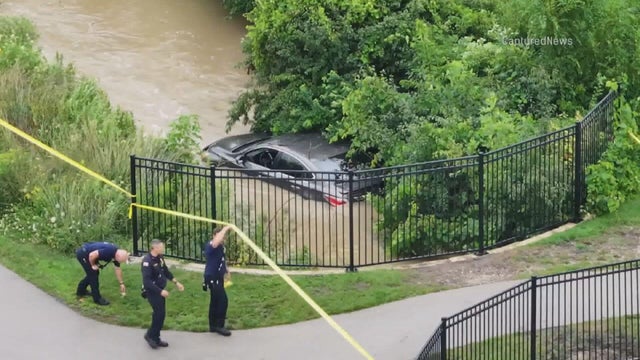
A Flood Watch and Severe Thunderstorm Watch are in place for most of the Chicago area and Northwest Indiana Sunday night and into Monday morning.
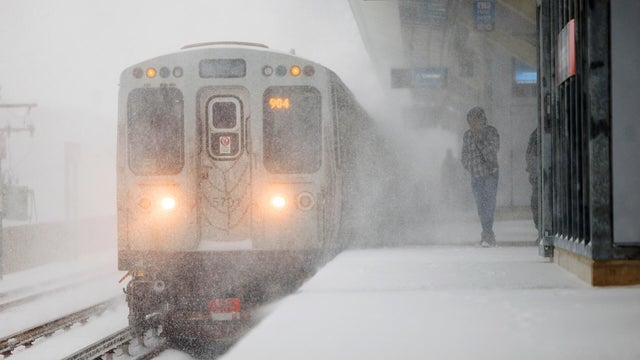
When it comes to winter weather predictions for 2026-2027 in Chicago, a strengthening El Niño could play a major role in our weather.
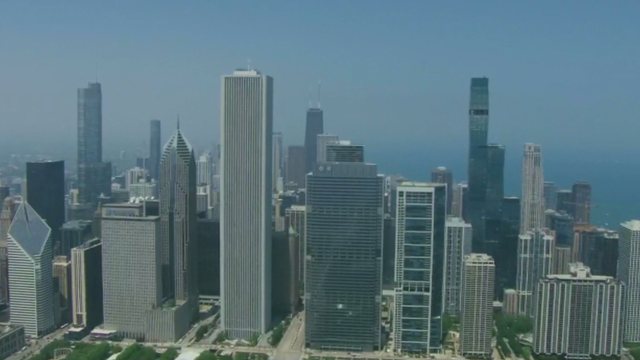
An Air Quality Alert is in effect for nearly the entire Chicago area for high levels of ozone pollution during enduring hot and stagnant weather.
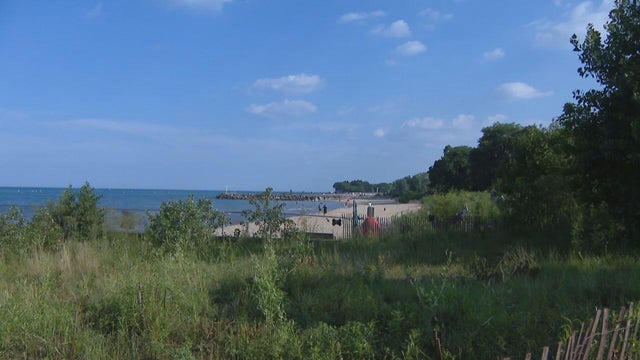
A 2.9 magnitude earthquake has been recorded in Lake Michigan off the coast of Chicago's northern suburbs Wednesday afternoon.
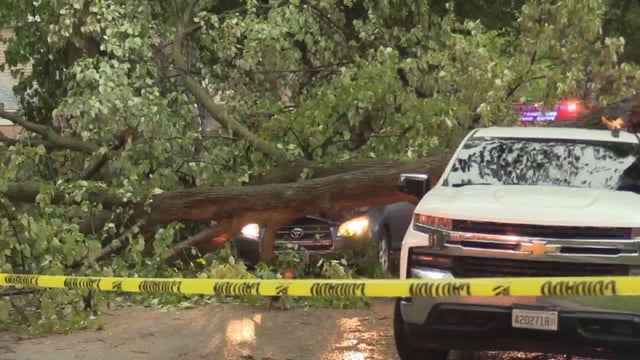
Another round of severe thunderstorms is rolling through the Chicago area overnight, snarling the start of Fourth of July celebrations and bringing lightning, torrential downpours and high winds.
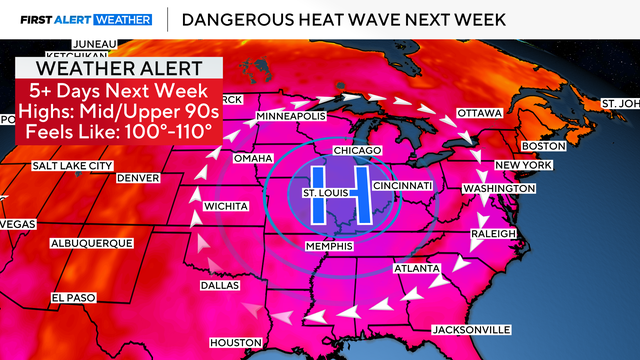
The Chicago area is facing a dangerous heat wave next week, with humidity pushing temperatures into the triple digits for days and posing a real risk to life and health.
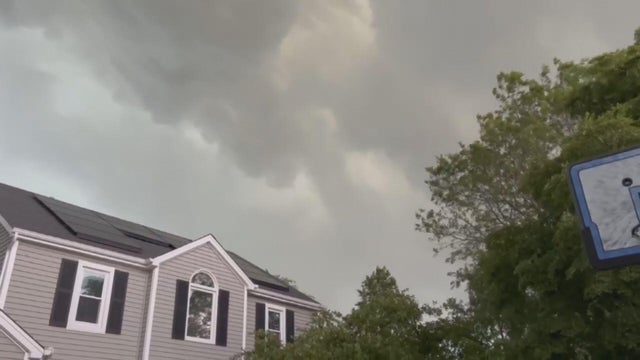
A round of watches and warnings is in effect for parts of the Chicago area, some with the possibility of producing damaging hail and tornadoes.
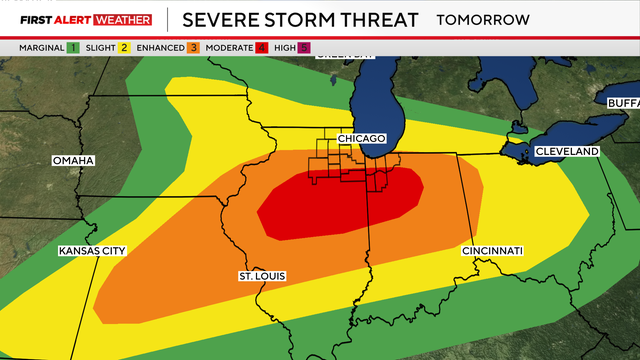
Another tornado outbreak is possible in the Chicago area Wednesday with two more rounds of storms on the way.
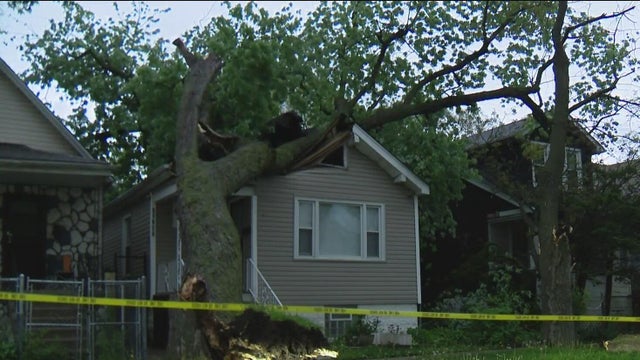
High winds left damage, including downed trees and power lines, leaving hundreds without power on Monday night.
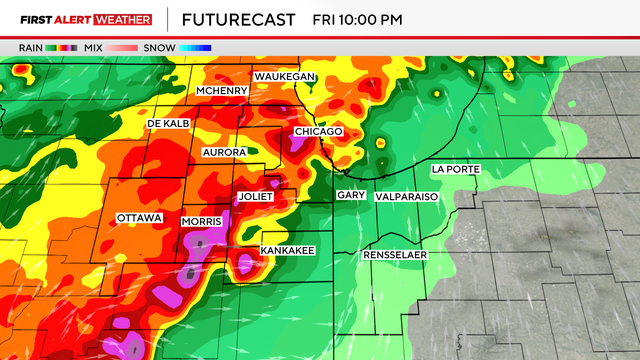
A tornado watch remains in effect for part of northwest Indiana as the threat of tornadoes from two rounds of severe storms has otherwise ended for the Chicago area.
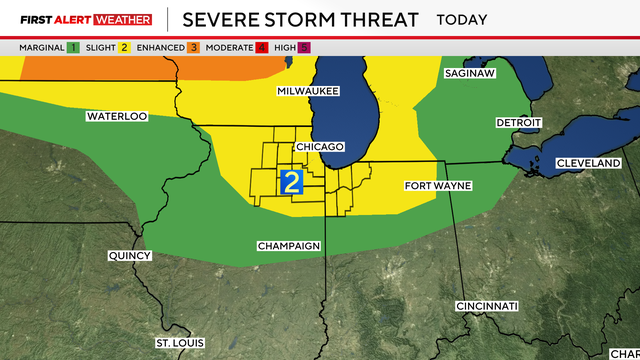
Thunderstorms rumbled through the Chicago area Thursday afternoon amid unseasonably warm and humid weather.