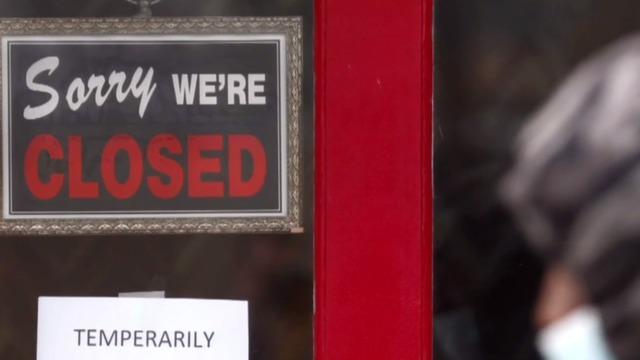
Historic unemployment numbers rattle nation
CBS News' Mark Strassmann reports from Atlanta on the growing crisis.
Watch CBS News
CBS News' Mark Strassmann reports from Atlanta on the growing crisis.
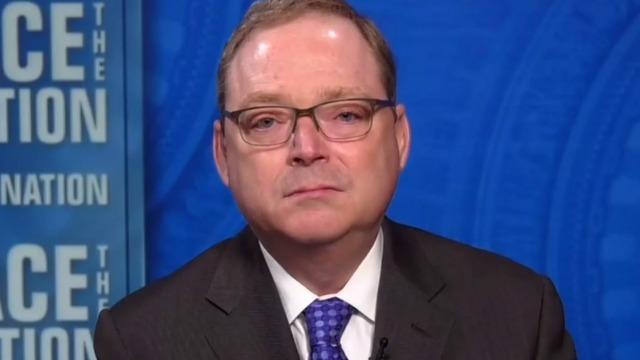
Kevin Hassett, the chairman of the Council of Economic Advisers, says job loss from the pandemic represents the "biggest negative shock to the jobs market that we've seen since World War II."
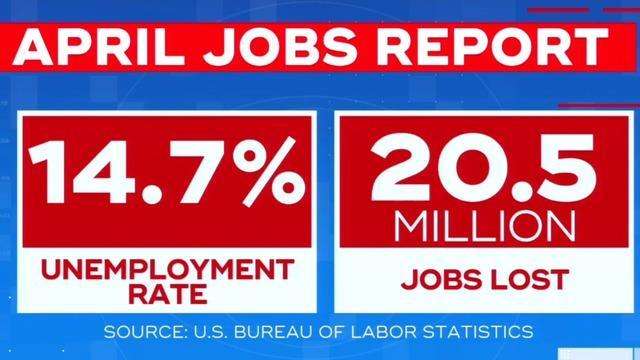
White House economic adviser Kevin Hassett on Sunday predicted the unemployment rate could go beyond 20%. The latest report shows unemployment has already climbed to nearly 15% and more than 20 million Americans lost their jobs in April. Nikole Killion reports.

Experts say it could take years for the U.S. job market to rebound from the massive hit delivered by the coronavirus.
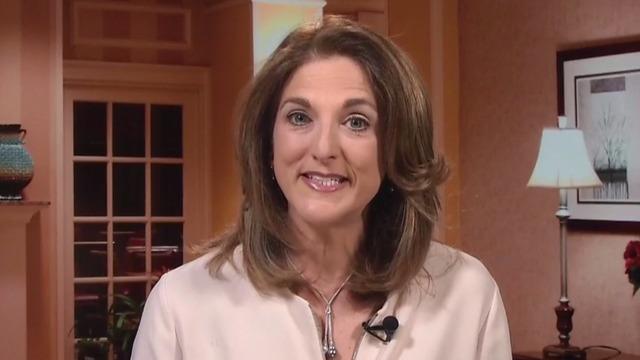
Nearly 3 million Americans filed new unemployment benefit claims last week, according to the Department of Labor on Thursday. That means more than 36 million workers have filed for unemployment benefits in the past eight weeks. CBS News business analyst Jill Schlesinger explains the significance of the numbers.

Richard DeBlasio is among the millions of U.S. gig workers seeking unemployment assistance amid the coronavirus pandemic.
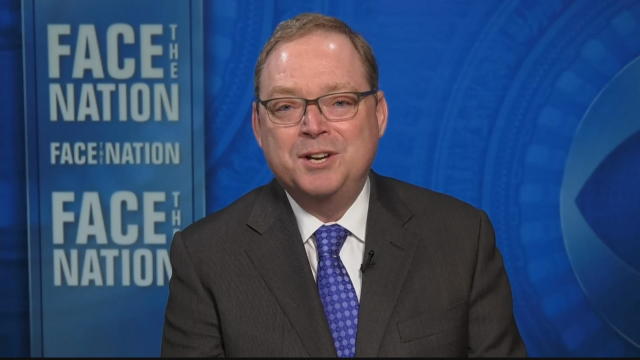
Kevin Hassett predicted that the unemployment rate will likely reach its peak in May or June.

Since coronavirus lockdowns in the U.S. began, the celebrity chef has awarded grants to 40,000 food industry workers.

As restaurants try to adjust to new restrictions amid the coronavirus pandemic, some are getting creative with new ideas like car hops and TV dinners. Carter Evans reports.

Nevada is one of the latest states to reopen, with the governor allowing non-essential stores to resume with restrictions. But not all states are racing to fully open as people continue to protest in states like Washington, where hundreds turned out to say the economic damage has already been done. Jonathan Vigliotti reports.
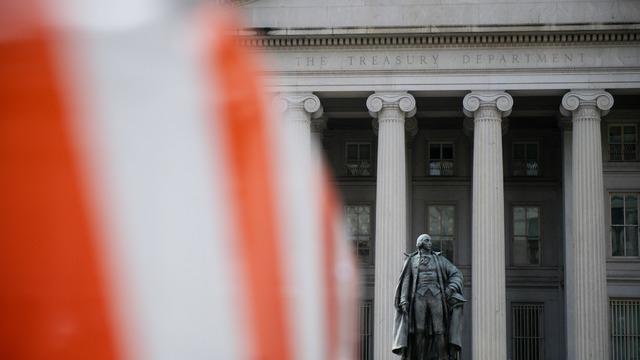
The Paycheck Protection Program (PPP), passed by Congress as part of the CARES Act, was set up to distribute forgivable loans to small businesses shuttered over coronavirus. Several banks are being sued for allegedly funneling PPP loans to bigger corporate clients to maximize their processing fee profits. In the first batch of coronavirus relief, banks have raked in $10 billion. Yahoo Finance reporter and anchor Akiko Fujita joins Elaine Quijano in the CBSN studio to talk about the implications for banks' bottom lines, and the future of coronavirus aid to small businesses.

Missed the second half of the show? The latest on coronavirus testing, the workplace in the era of social distancing and the future of high education in the post-COVID world.
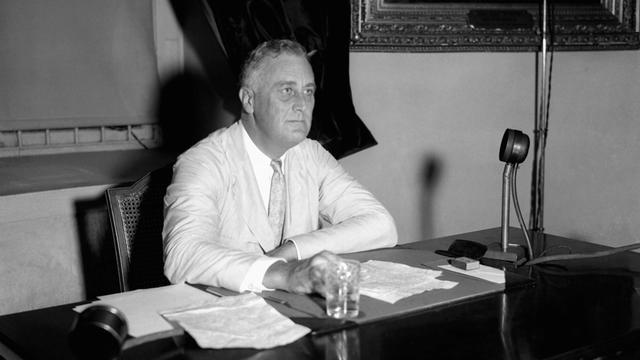
In 1933, during the Great Depression, newly-elected President Franklin Delano Roosevelt confronted 25% unemployment, sweeping poverty, and the collapse of the banking system. His response would reshape the way the country thought about presidential leadership, and democracy itself. CBS News' John Dickerson talks with Roosevelt scholars Jonathan Alter, David Woolner and Susan Dunn about FDR and the presidency during crisis and war.
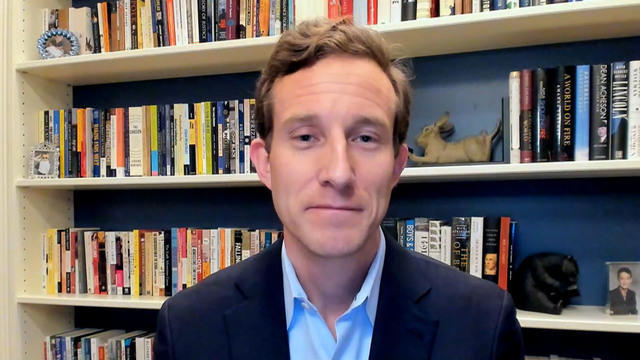
"The coronavirus pandemic continues to take a devastating toll on the American economy. More than 20 million Americans lost their jobs last month, bringing the national unemployment rate up to 14.7%. John Friedman, a professor of economics and international and public affairs at Brown University, joined CBSN to discuss the latest numbers and how the job market can bounce back. "

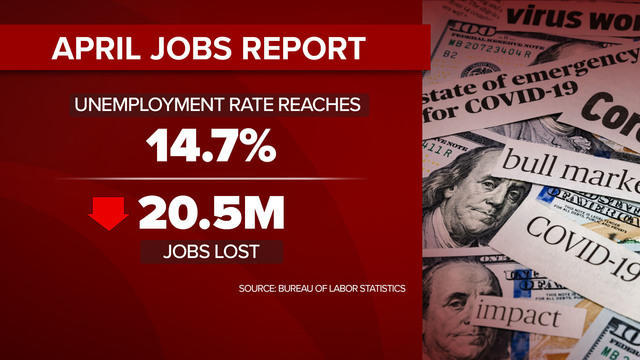
More than twice as many jobs were vaporized last month as were lost during the entire Great Recession.
The coronavirus crisis "is hitting the lower 60% of the economy much harder than it's hitting the upper 40% of the economy," market analyst Frances Stacy said.
New numbers from the Bureau of Labor Statistics show the U.S. unemployment rate hit 14.7% in April as the coronavirus pandemic devastated the economy. Frances Stacy, director of portfolio strategy at Optimal Capital, joined CBSN to talk about the numbers.
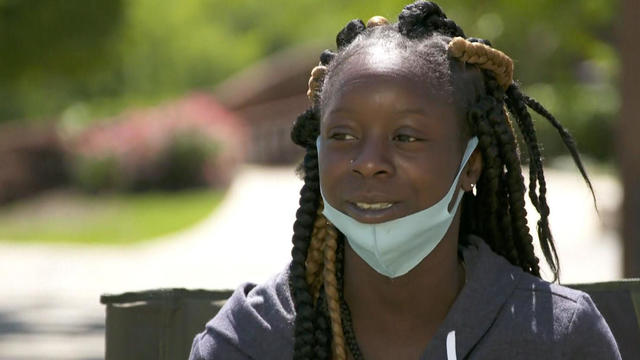
At least 1 in 5 American households report they don't have enough to eat as jobless claims climb due to the COVID-19 outbreak.

Even in states that have set up the Pandemic Unemployment Assistance program, people have had trouble getting the money.
Wall Street rallied after April's unprecedented loss of U.S. jobs wasn't quite as horrific as economists had forecast.

The U.S. economy lost 20.5 million jobs in April amid the coronavirus pandemic. The national unemployment rate soared to 14.7% last month, the highest since the Great Depression.

On Friday morning, the unemployment report for April will be released, and it is expected to be its highest on record since the Great Depression. Carter Evans is in Los Angeles, where some business owners are concerned reopening is too little, too late.

Millions of people who are out of work right now are self-employed or run small businesses and normally wouldn't qualify for unemployment. But in many states, they're now eligible for help under the Pandemic Unemployment Assistance program.
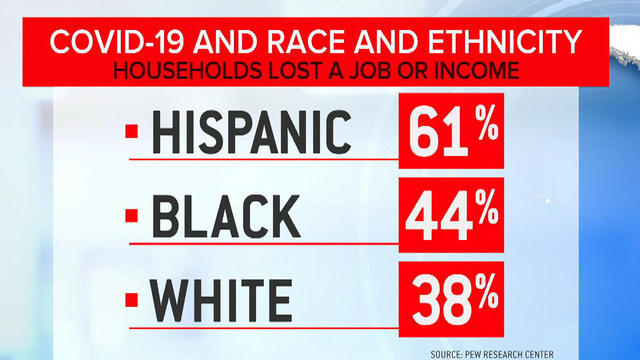
The effects of the coronavirus pandemic continue to ripple through the economy. Mark Strassmann reports.
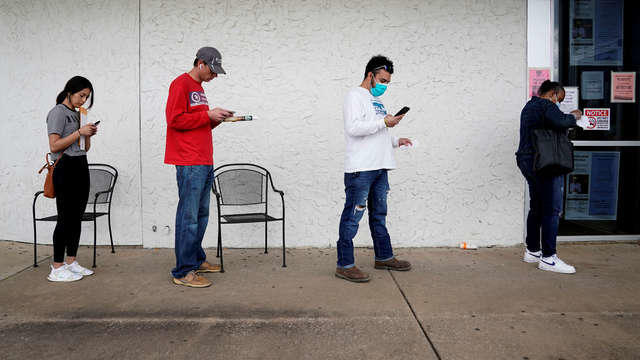
The latest report from the Labor Department shows that 3.2 million Americans filed unemployment claims last week. That brings the total up to 33 million left jobless since the coronavirus crisis hit. Brown University economics professor John Frieden joins CBSN to discuss the latest numbers, and the economy tracker he has developed with colleagues from Brown and Harvard.