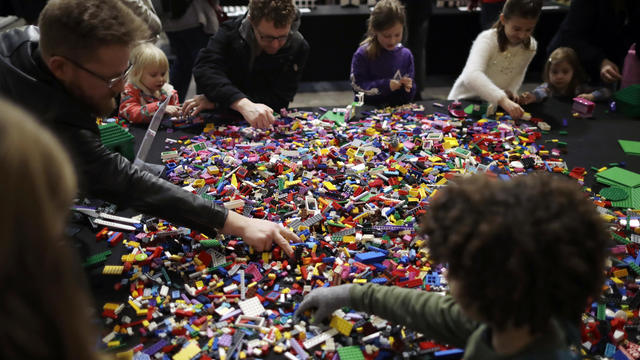
LEGO to scale up use of renewable plastics in its bricks
The legacy toy company is increasing the certified renewable or recycled materials that go into its bricks in an effort to reduce its reliance on fossil fuels.
Watch CBS News
The legacy toy company is increasing the certified renewable or recycled materials that go into its bricks in an effort to reduce its reliance on fossil fuels.
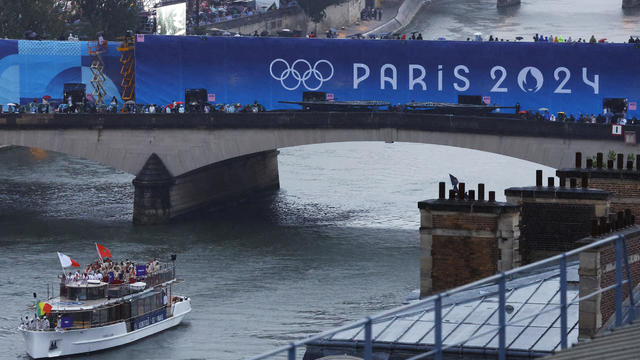
Runoff from heavy rain in Paris has left the Seine river unsafe for swimming, risking the schedule of 2024 Olympic events slated for the iconic waterway.

Scientists say a common painkiller used on cattle wiped out India's vultures, resulting in half a million human deaths in just 5 years.
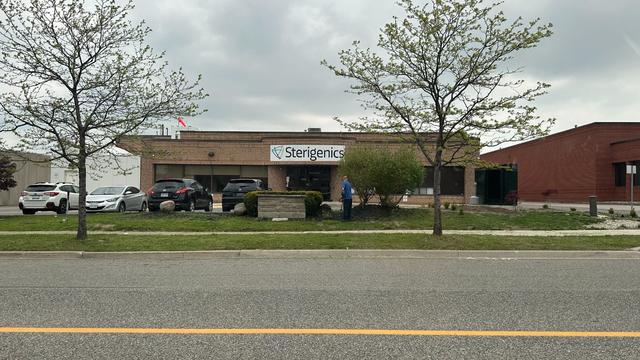
Residents of a Toronto suburb tell CBS News they're worried a U.S. company may be emitting a cancer-causing gas in their community.
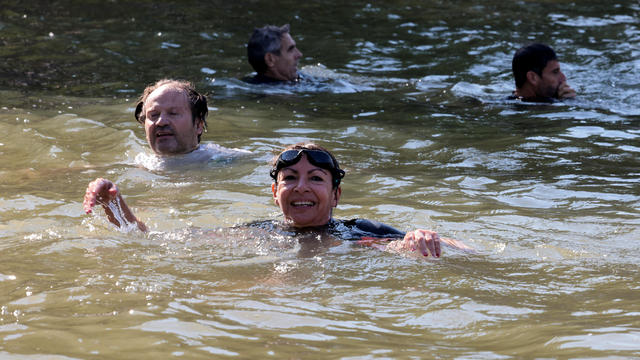
Mayor Anne Hidalgo declared the Seine river "exquisite" after taking a long-promised dip to show its water is safe for the Paris Olympics.
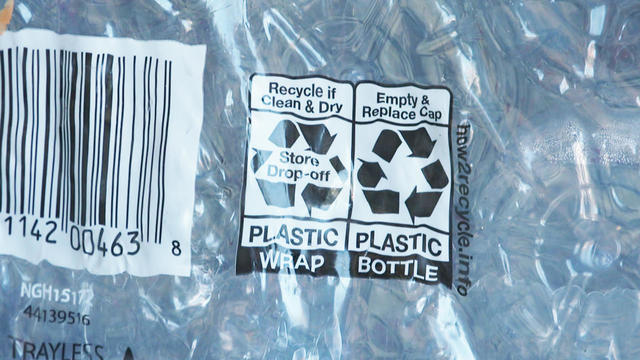
Only 5 to 6% of plastic waste produced in the U.S. is actually recycled. A new report accuses the plastics industry of a decades-long campaign to "mislead" the public about the viability of recycling.
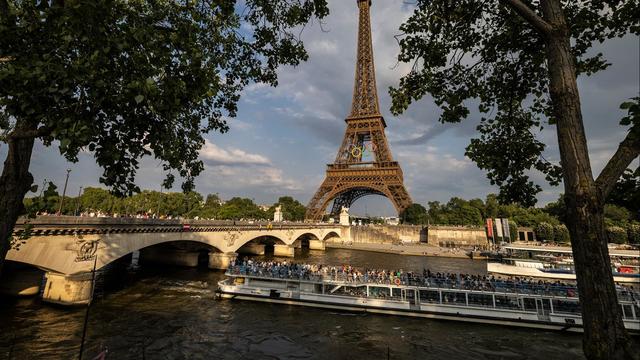
A nasty controversy is brewing in Olympic waters with one month until the Paris opening ceremony. Les Carpenter, Olympics reporter for The Washington Post, joins CBS News to explain why the city's iconic Seine River is still falling short of the requirements needed before athletes dive in.
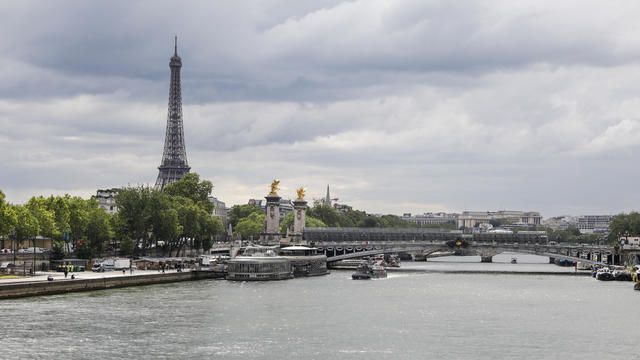
"Because after putting us in sh*t it's up to them to bathe in our sh*t," a website for the protest says.
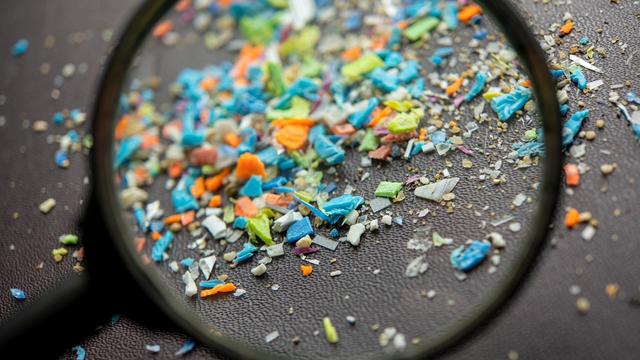
A large amount of human-produced plastic waste degrades into microplastics: small particles that linger in the environment and can be consumed by animals and people. Microplastics spread through water, air, and even the human bloodstream. Matthew Campen, director of the University of New Mexico's Center for Metals in Biology and Medicine, joins CBS News to explain the possible health risks from microplastic exposure.
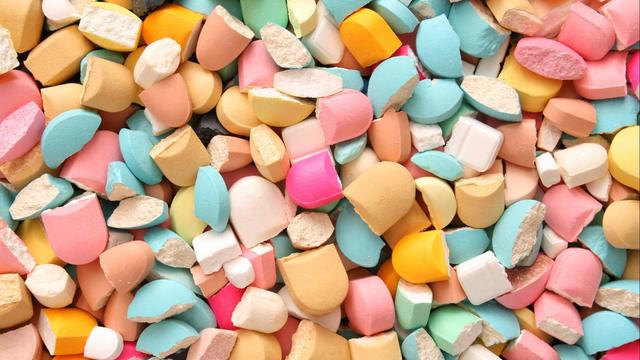
A new study from 17 international scientists found that active pharmaceutical ingredients -- the part of medications that help make them effective -- are having increasingly negative impacts on animals and ecosystems across the world. The authors are calling on drug makers to design more sustainable products with environmental impacts in mind. Karen Kidd, one of the study's authors, joins CBS News to unpack the findings.
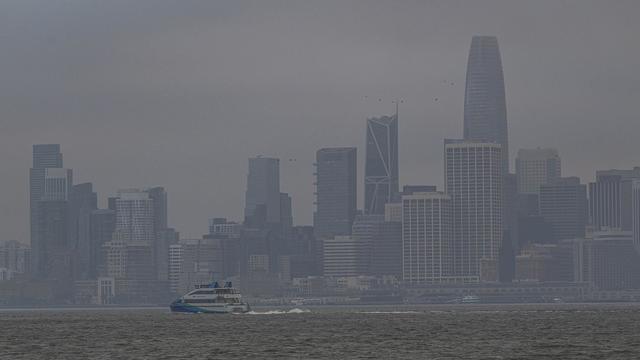
A new report says pollution is a greater global health threat than war, terrorism, addiction or disease. According to data from a coalition of researchers, pollution was responsible for 8.8 million premature deaths between 2015 and 2022. CBS News medical contributor Dr. Céline Gounder joins to unpack the findings.
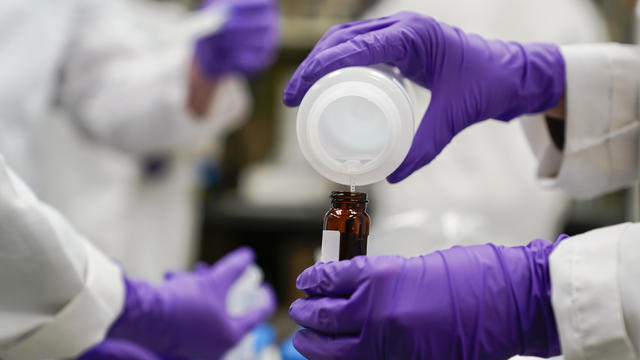
Study finds cancer-linked PFAS chemicals prevalent in drinking water sources across the globe, including many far over regulatory limits.
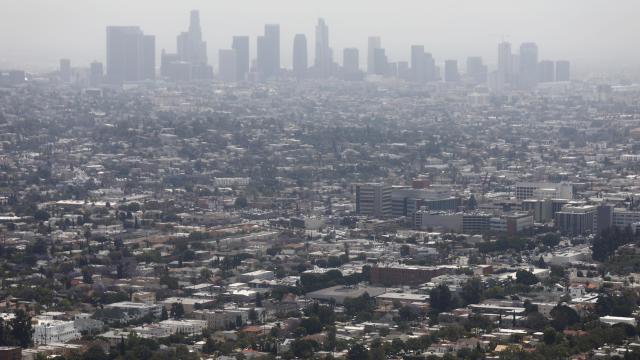
This 2024 "State of the Air" report warns efforts to reduce emissions are undermined by extreme heat, drought and wildfires caused by climate change.
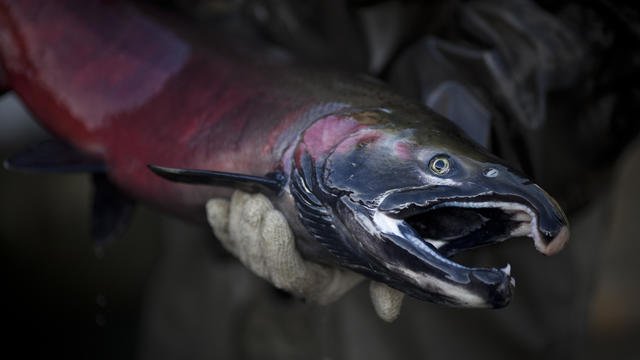
Tires emit huge volumes of particles and chemicals as they roll along the highway, and researchers are only beginning to understand the threat. One byproduct of tire use, 6PPD-q, is in regulators' crosshairs after it was found to be killing fish.
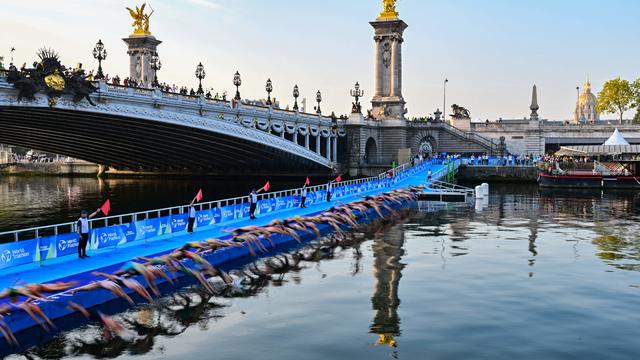
A water charity says it has found "alarming levels" of dangerous bacteria in the Seine River just months before the Paris Olympics.
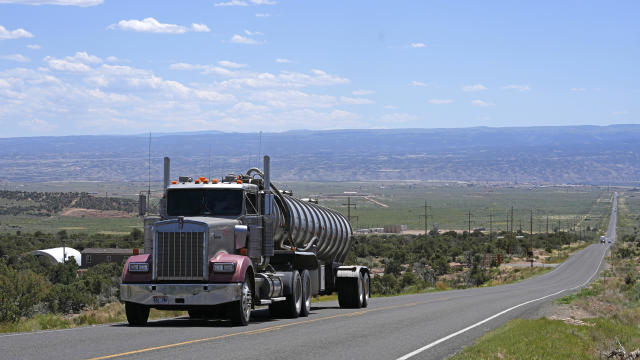
Officials said the standards will help clean up some of the nation's largest sources of planet-warming greenhouse gases.
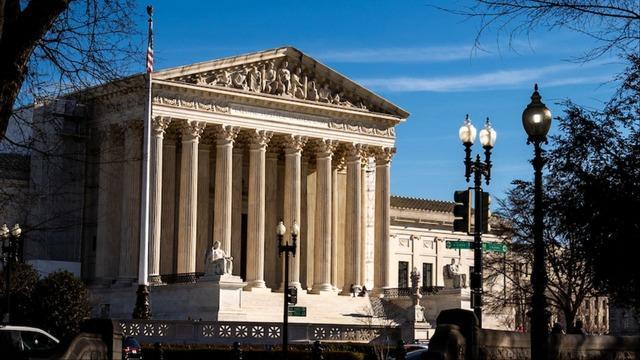
The Supreme Court's conservative majority appears skeptical of the federal government's argument that the Environmental Protection Agency should be allowed to continue enforcing its anti-air-pollution rule in 11 states.
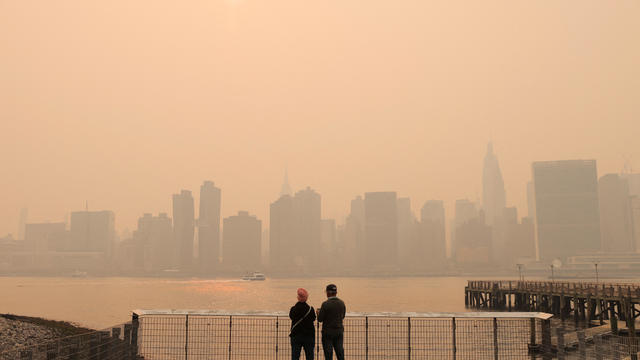
Air quality is worsening across much of the U.S., exposing millions of people to health problems and threatening the U.S. economy.
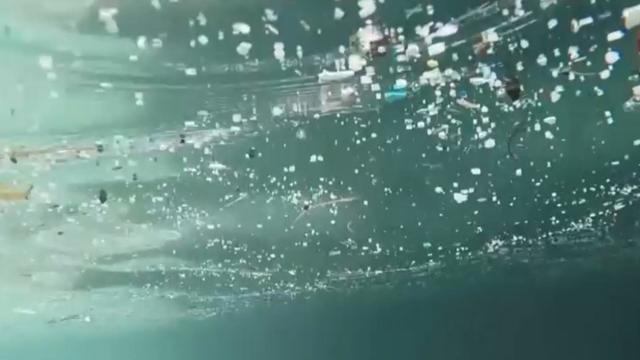
An average liter of bottled water contains nearly a quarter-million pieces of nanoplastic, according to a new study. Microplastics researcher Jaime Ross joins CBS News to talk about how these tiny fragments may affect the body.
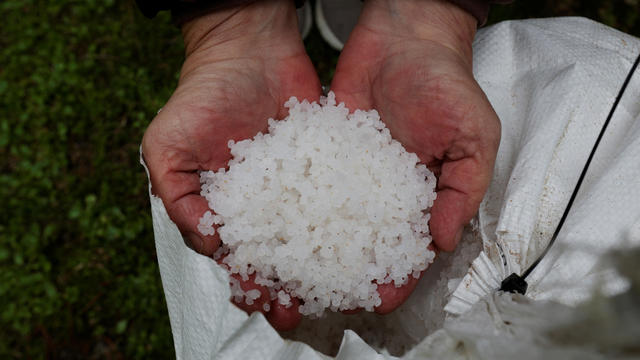
Dozens of 55-pound bags of the tiny plastic pellets known as nurdles, which are known to be a major source of microplastic pollution, have washed up in northwest Spain in recent weeks.
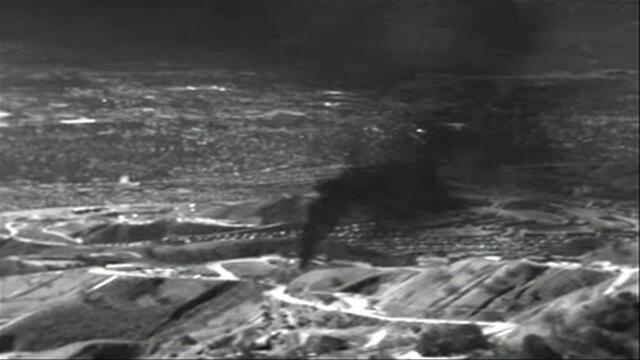
A coalition of 50 major oil and gas companies are expected to agree to significantly cut their methane emissions by the end of the decade at the COP28 climate summit, marking a potential breakthrough in the fight against climate change. Ben Tracy has more on why methane is such a problem and the new tools designed to hold the industry accountable.
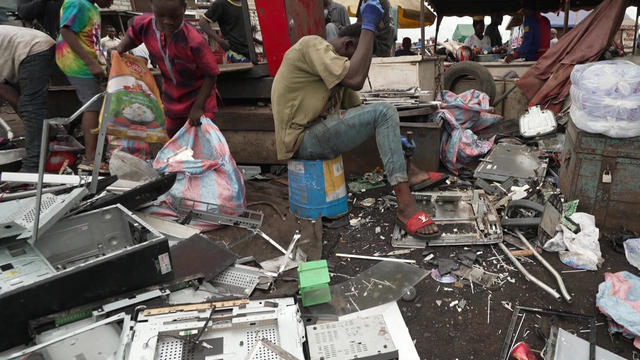
The vast majority of electronic waste produced each year winds up in landfills in the global South, creating hazardous and toxic conditions. "Sunday Morning" examines efforts to ramp up formal recycling and extending the life of products like smartphones.
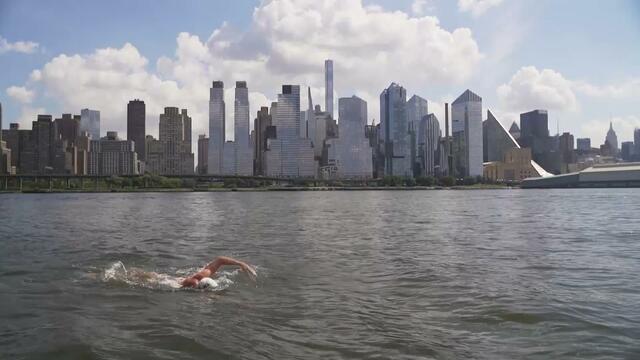
In New York, famed endurance swimmer Lewis Pugh completes a 315-mile journey down the Hudson River to promote river preservation. Then in California, we meet the first master sommelier in professional sports. Watch these stories and more on "Eye on America" with host Michelle Miller.
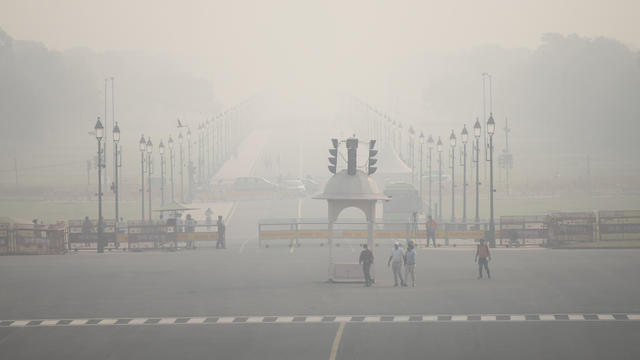
A dense, acrid layer of smog has blanketed India's capital, as it does every year, despite firework bans and farmers being ordered to change their ways.
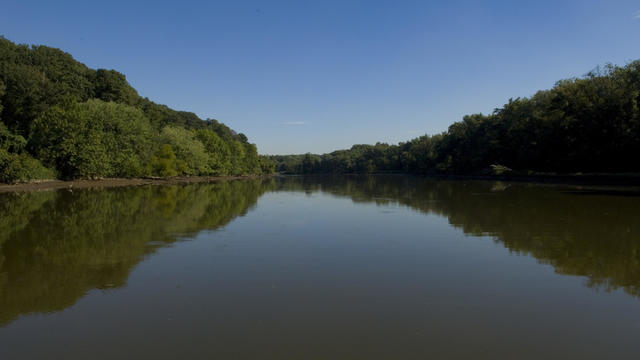
The Potomac Electric Power Company is accused of spilling or releasing petroleum and nationally-banned industrial products into the soil and groundwater for nearly a century.