Could the Iran war help Ukraine get back in Trump's good books?
Trump says aid for Ukraine depleted U.S. weapons stockpiles, but as the Iran war takes that mantle, Kyiv eyes opportunities to build long-term defense partnerships.
Watch CBS News
Trump says aid for Ukraine depleted U.S. weapons stockpiles, but as the Iran war takes that mantle, Kyiv eyes opportunities to build long-term defense partnerships.
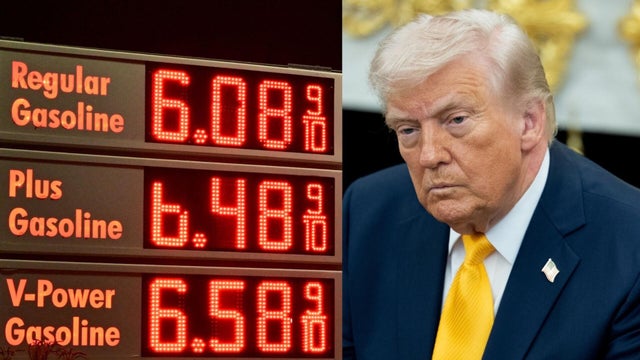
In a recent CBS News poll, 57% of respondents said they think the war with Iran is not going well for the U.S. and 66% called it a "war of choice." Fewer than one-third think the Trump administration has clearly stated U.S. goals in the conflict. Ed O'Keefe reports.
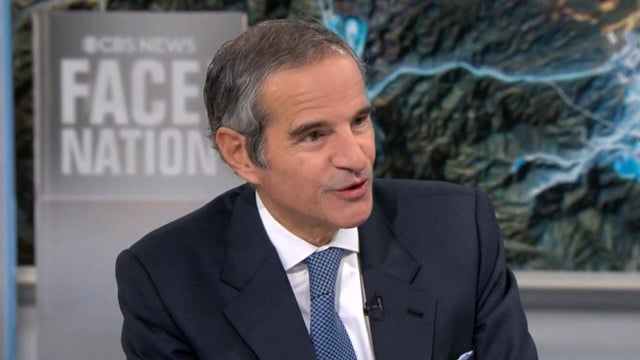
Rafael Grossi, the International Atomic Energy Agency director, told "Face the Nation with Margaret Brennan" that he doesn't think "any war" would destroy Iran's nuclear ambitions "unless it was nuclear war, and you go for destruction in an unfathomable way, which we hope, of course, will never be the case."
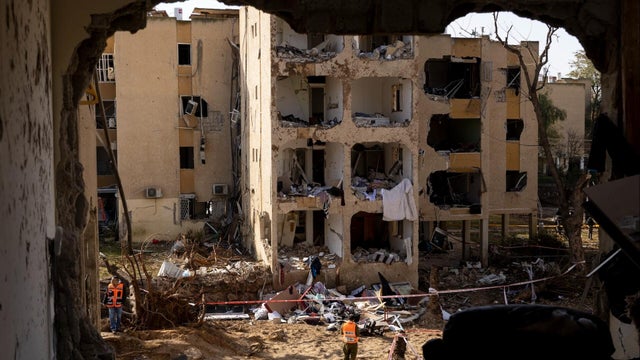
Iranian missiles hit southern Israel overnight near its main nuclear facility at Dimona, injuring at least 170 people according to the authorities and causing heavy destruction. Charlie D'Agata reports from the worst-hit town of Arad.
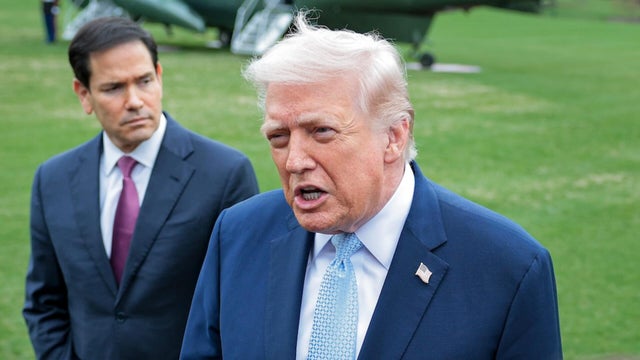
President Trump said Friday on social media that the U.S. is considering "winding down" its military efforts against Iran. Meanwhile, more than 2,000 Marines and more warships are headed to the region.
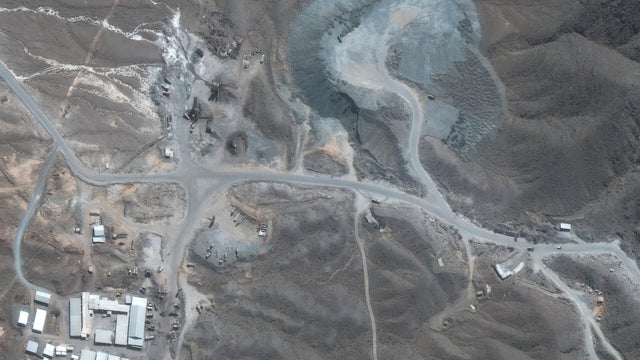
Iran's Natanz nuclear enrichment facility was hit by an airstrike, the Iranian news agency Mizan reported on Saturday. The war is entering its fourth week.
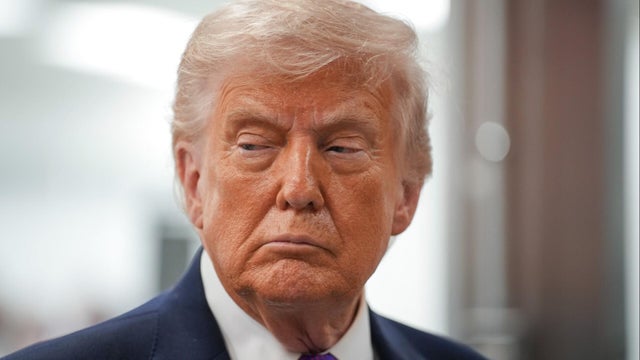
President Trump once again disparaged NATO allies over their response to his demands for help with reopening the Strait of Hormuz. CBS News' Olivia Rinaldi has the latest.
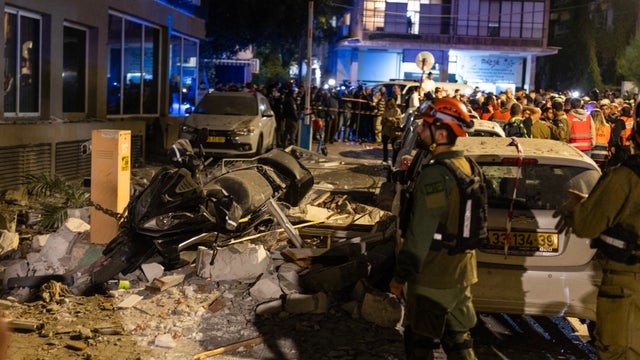
Iran launched retaliatory strikes against Israel and Persian Gulf states after Israel said it killed two top Iranian officials. CBS News' Charlie D'Agata has more.
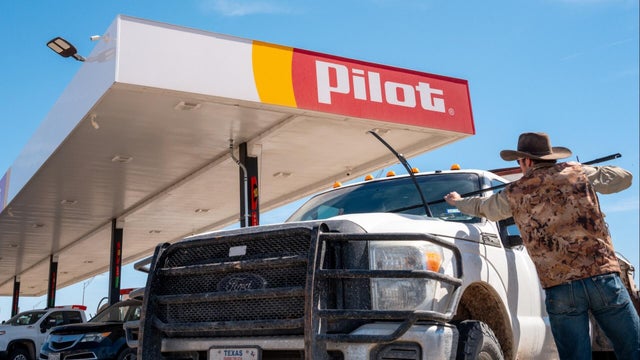
The price of gas and diesel continue to rise as the war with Iran continues. The increased prices could impact the cost of other goods from groceries to airline tickets. Kelly O'Grady explains.
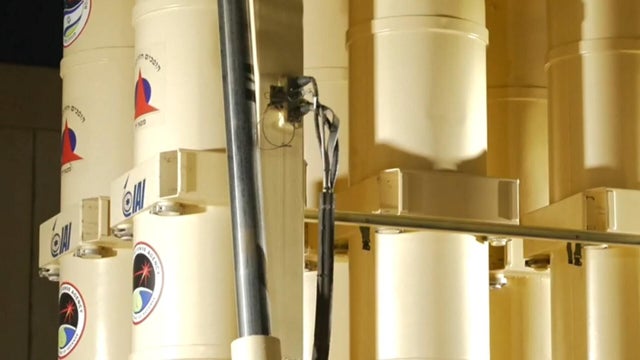
The Israeli military showed CBS News one of its air defense systems as Iran fired deadly cluster bombs at Israel. Charlie D'Agata reports.
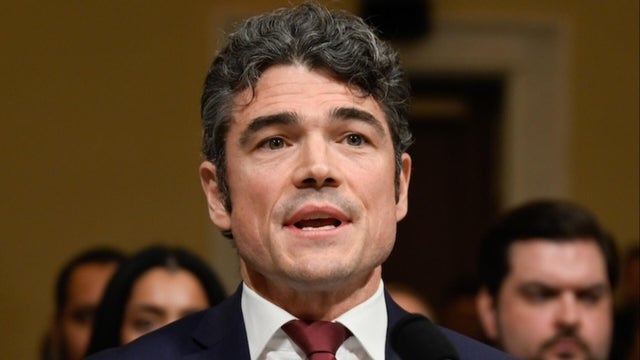
Joe Kent, the director of the National Counterterrorism Center, announced his resignation on Tuesday over the Middle East conflict, saying "Iran posed no imminent threat to our nation." CBS News' Olivia Rinaldi has the latest.
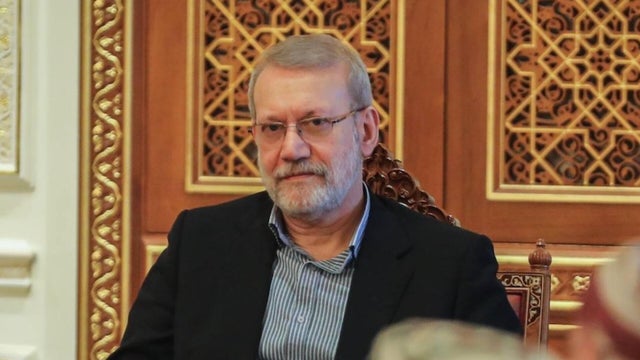
Israel said Tuesday that it killed two top Iranian security officials in an overnight strike, including Ali Larijani. CBS News' Imtiaz Tyab has more.
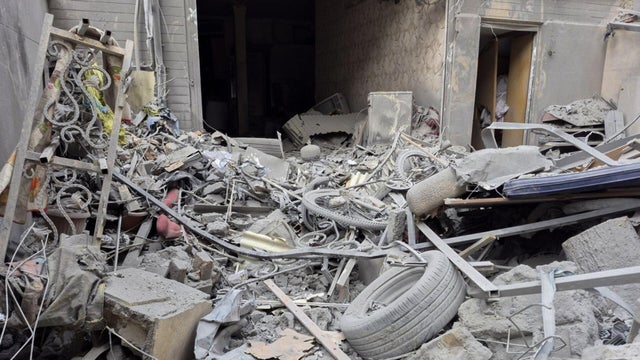
As air and missile attacks from both sides continue, Israel says it has killed two of Iran's senior leaders, including Ali Larijani, the head of Iran's Supreme National Security Council. Imtiaz Tyab has the latest.
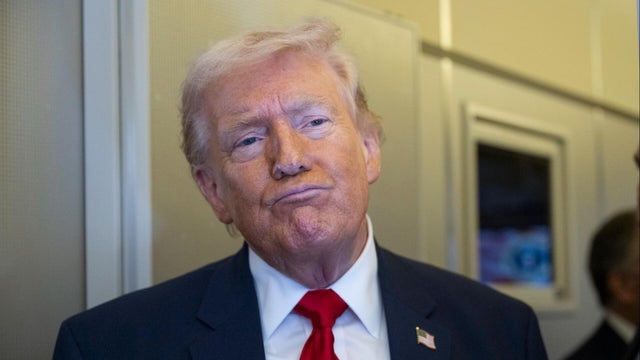
President Trump on Monday pressured allies and China for military assistance in reopening the Strait of Hormuz. The European Union and Australia turned down Mr. Trump's request while China and Japan were noncommittal. Nancy Cordes reports.

President Trump is calling on other nations that depend on oil exported through the vital Strait of Hormuz to help reopen it. The shipping lane, which carries about 20% of the world's oil supply, has been blocked since the war began nearly three weeks ago. CBS News' Imtiaz Tyab, Chris Livesay and Erica Brown have the latest.

President Trump wants other nations not involved in the war with Iran to join the effort to escort vessels carrying oil and natural gas through the Strait of Hormuz. CBS News senior foreign correspondent Imtiaz Tyab reports. Then, former CIA Deputy Assistant Director for Counterterrorism Joe Zacks joins with analysis.
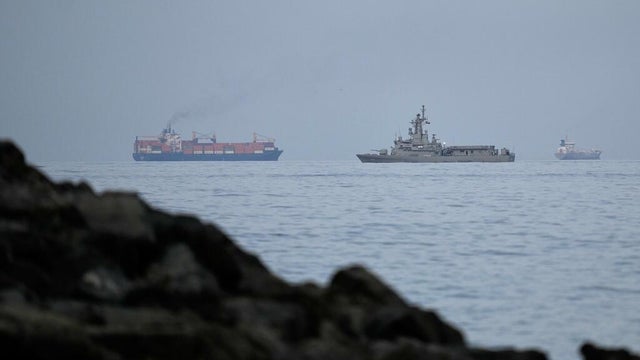
With oil markets paralyzed by the U.S.-Iran war, the Trump administration says it could escort ships through the Strait of Hormuz — a massive undertaking that experts say could already be in the preparatory stages.
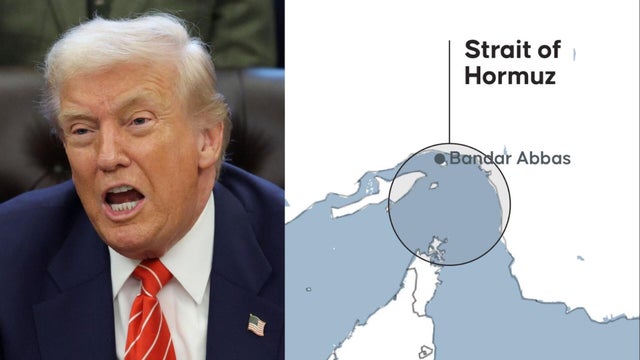
President Trump is calling on other countries to help reopen the Strait of Hormuz, a narrow waterway south of Iran that's crucial to moving oil tankers in and out of the Persian Gulf. Imtiaz Tyab has the latest.
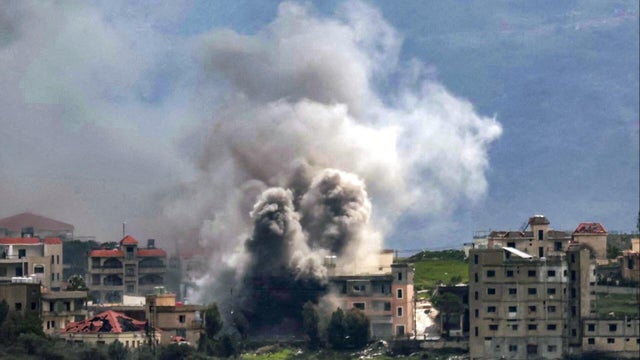
Israel attacked Tehran overnight as explosions continue across Lebanon against Hezbollah. Meanwhile, Iran and Hezbollah launched one of their most intense rocket and missile strikes across Israel since fighting began. Charlie D'Agata has the latest on the Iran war.

Qatar, home to the largest U.S. military base in the Middle East, has been hit by Iranian retaliatory strikes amid the U.S.-Israeli war. Dr. Majed Mohammed Al-Ansari, who is the official spokesperson of Qatar's Ministry of Foreign Affairs, told CBS News' Imtiaz Tyab that the region needs "an end to this as soon as possible," warning, "a prolonged conflict in this region will have a profound impact" on the energy industry.
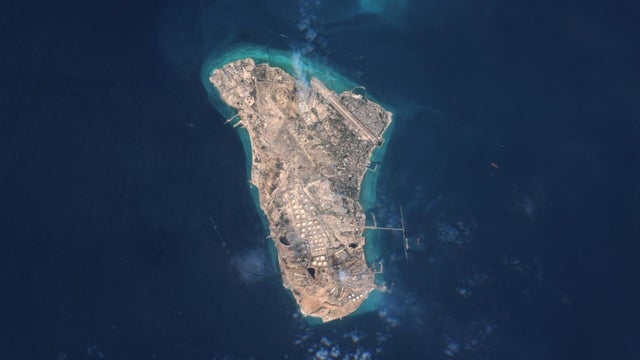
President Trump said Friday night on social media that the U.S. struck a key Iranian oil hub on Kharg Island as tensions over the global oil supply ramp up amid Iran's closure of the Strait of Hormuz.
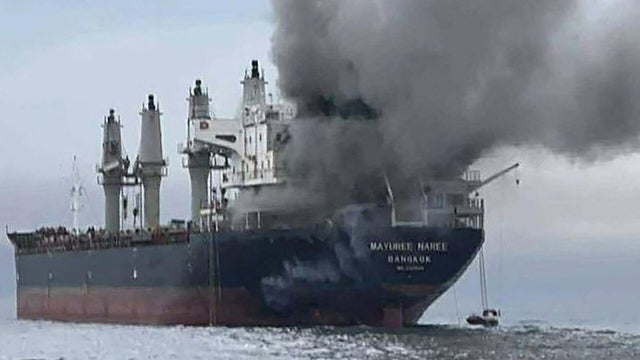
Iran continues to harass vessels in the Strait of Hormuz, and the prospect of U.S. naval escorts appears more likely. But when that would occur remains a mystery. CBS News' Matt Gutman and Aaron MacLean have the latest.
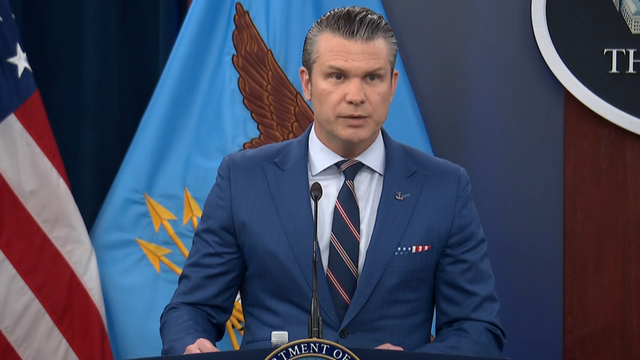
Defense Secretary Pete Hegseth and Joint Chiefs Chairman Dan Caine briefed on Operation Epic Fury in Iran Friday.
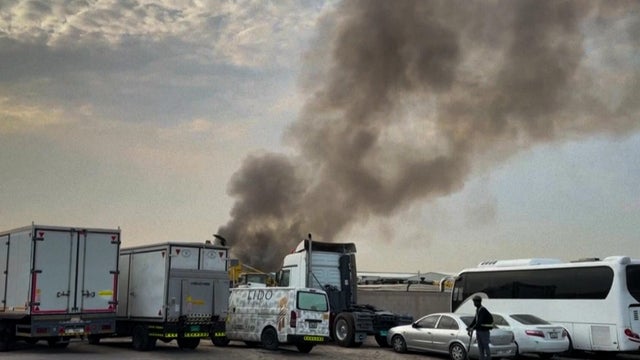
The head of an advocacy group said 21 people were facing charges under the UAE's cybercrime laws as of Thursday, including a 60-year-old British tourist.

Suspected Iranian cyber and drone attacks are already impacting U.S. tech companies, and Iran says a list of American firms are now on its target list.