Roman Space Telescope promises 300-megapixel views of the cosmos
The $4.3 billion telescope is expected to discover tens of thousands of exoplanets while probing the nature of mysterious dark matter and energy.
Watch CBS News
The $4.3 billion telescope is expected to discover tens of thousands of exoplanets while probing the nature of mysterious dark matter and energy.
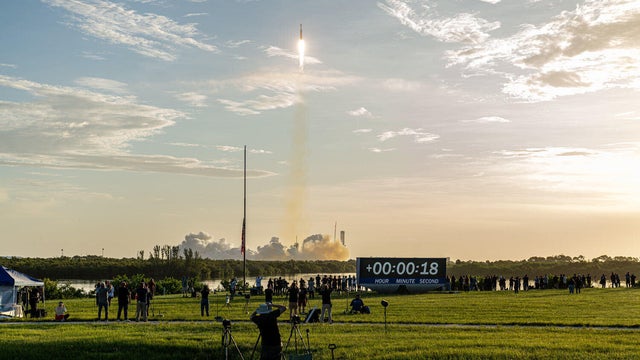
NASA's Roman Space Telescope launched shortly after daybreak from Kennedy Space Center and blazed toward an observation point 1 million miles away.
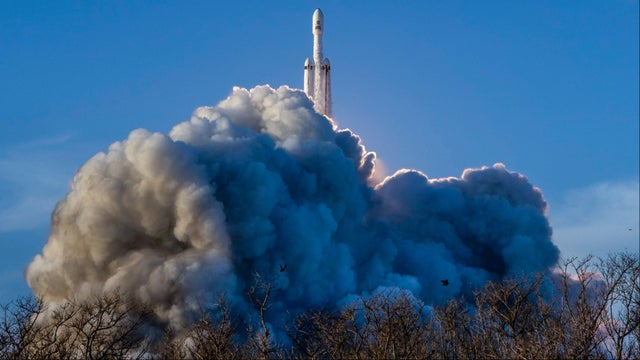
NASA's next-generation telescope blasted off atop a SpaceX rocket at the Kennedy Space Center on Sunday. The $4.3 billion Roman Space Telescope is on a journey to peer at distant stars and galaxies. Mark Strassmann has more about what some call "the discovery machine."
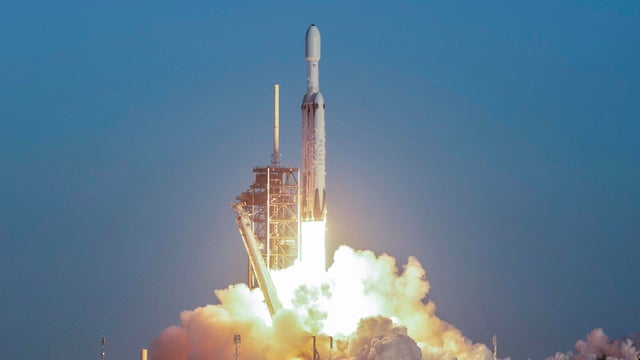
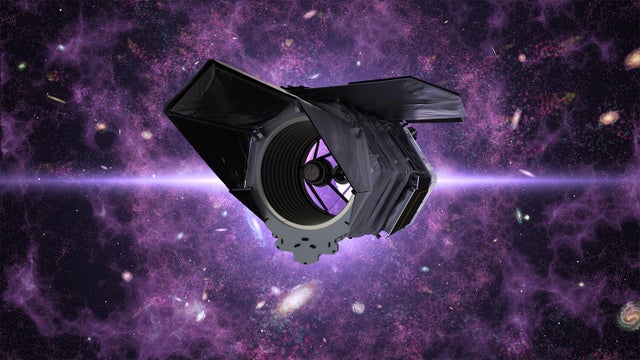
Using a donated Hubble-class mirror originally built for a spy satellite, NASA's Roman Space Telescope launched Sunday on a $4.3 billion mission to open a new window on the universe, taking wide-angle, ultra-sharp images that would require a half million 4K TVs to show in full.
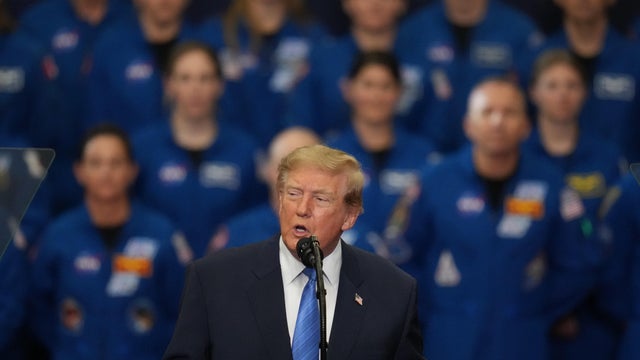
"Space is the hot thing," President Trump said at the NASA Johnson Space Center in Houston.
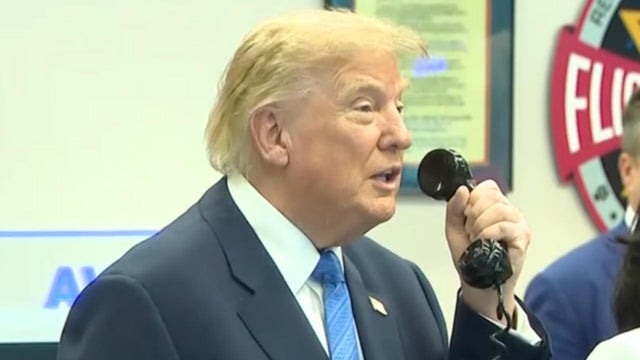
President Trump spoke with the crew of the International Space Station Friday while visiting NASA Mission Control in Houston. CBS News' Ed O'Keefe has more.
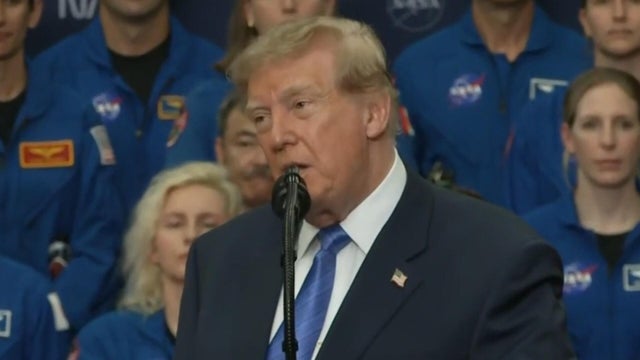
President Trump awarded the Congressional Space Medal of Honor to the crew of Artemis II and announced the creation of a U.S. Space Academy on Friday. CBS News' Bill Harwood and Ed O'Keefe have more.
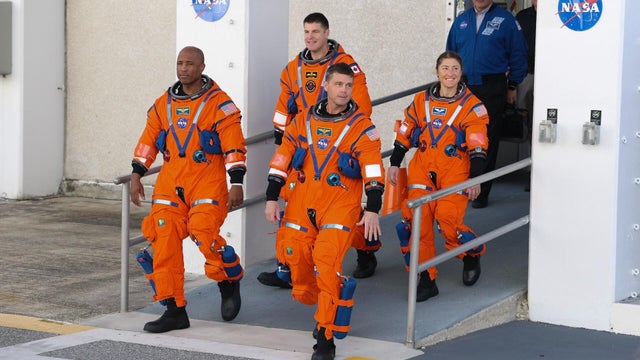
President Trump will honor the Artemis II crew with the nation's top space medal. CBS News' Ed O'Keefe reports.
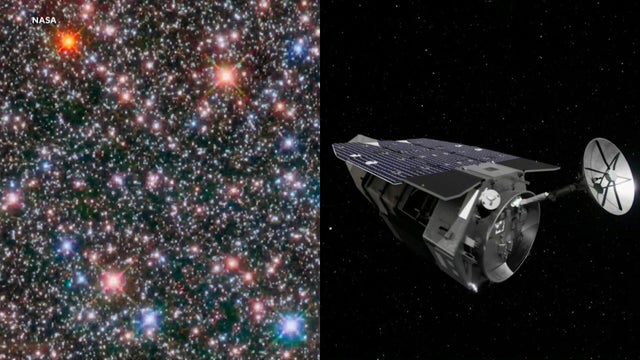
NASA's new telescope could change the way we see space. With a wide-field camera that will reveal an area up to 200 times larger than the Hubble Space Telescope, and an orbit a million miles from Earth, the Nancy Grace Roman telescope is expected to find tens of thousands of unknown exoplanets.
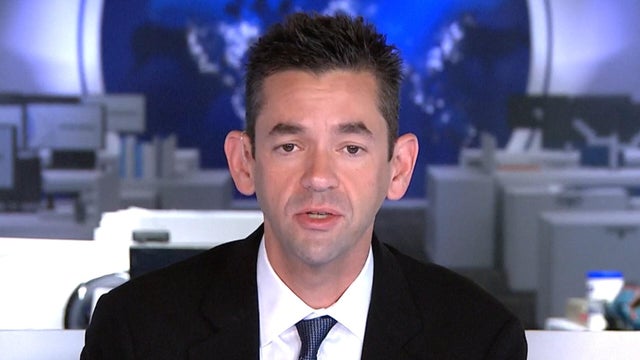
NASA administrator Jared Isaacman joins "CBS Mornings" to discuss the space race with China, the agency's plan to build a moon base at the lunar south pole, and the next Artemis mission.
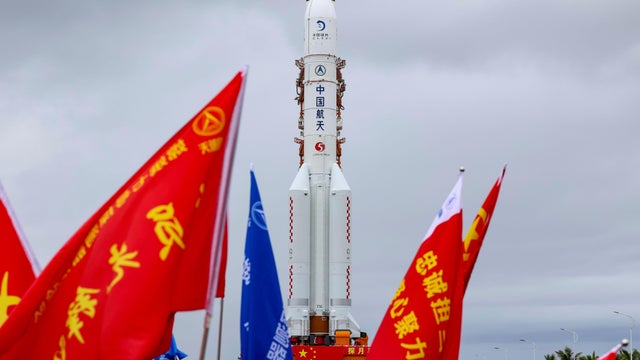
China's mission was planned as the country vies with the U.S. to land astronauts on the moon and secure a near-permanent presence on its surface.
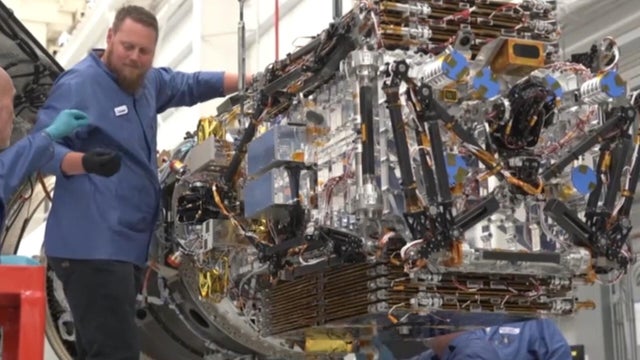
NASA is pivoting from a mission to save the Swift telescope. CBS News' Bill Harwood explains why.
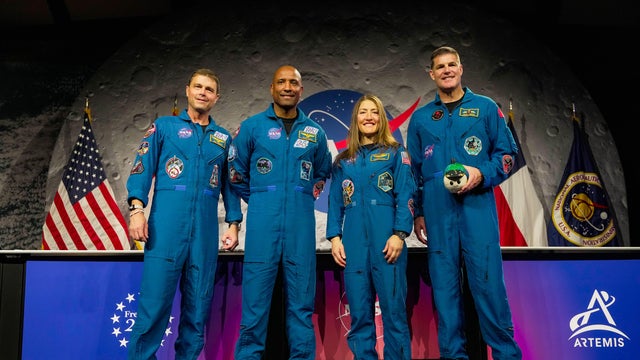
President Trump plans to award the Congressional Space Medal of Honor to the crew of NASA's Artemis II mission in a ceremony Aug. 28.
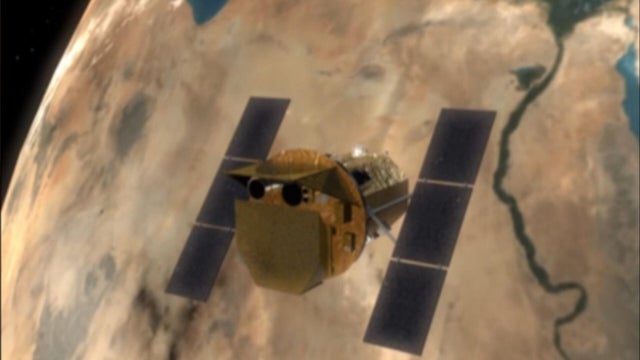
NASA is calling off a mission to save the Swift telescope, which is set to plunge into Earth's atmosphere and burn up later this year. CBS News' space consultant Bill Harwood chimes in.
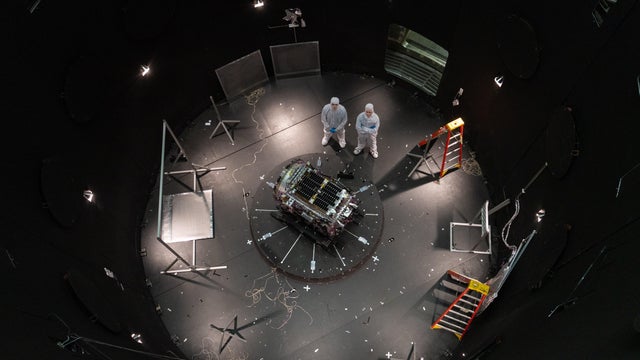
The mission to save NASA's sinking space telescope has been called off, dooming the telescope to a fiery reentry later this year.
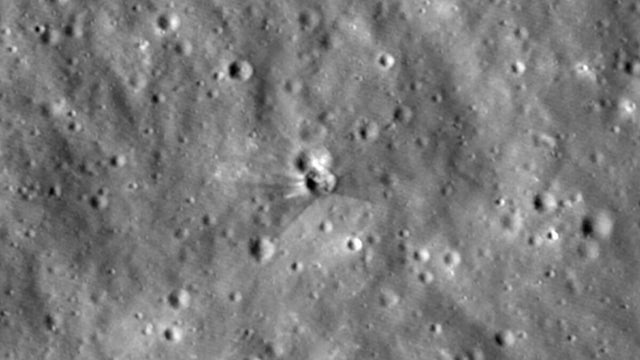
A NASA spacecraft circling the moon is providing the sharpest views yet of the crater carved by a crashing SpaceX rocket.
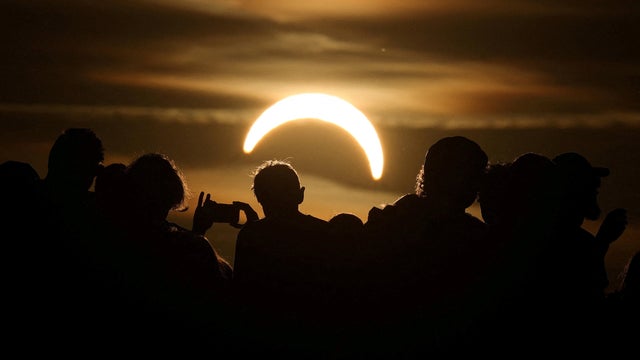
The only total solar eclipse of 2026 crossed the Northern Hemisphere Wednesday, with a path of totality across parts of Greenland, Iceland and northern Spain. See photos and video from the best viewing locations.
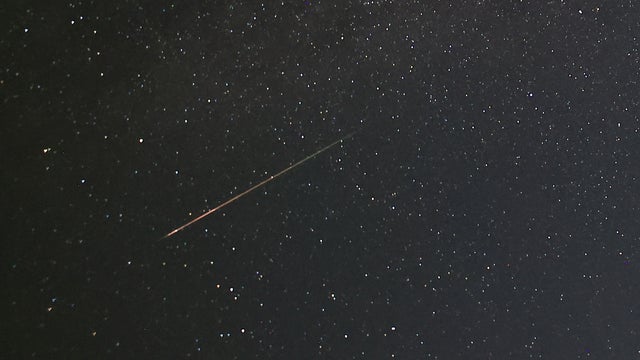
The Perseid meteor shower is the best viewing all year, according to NASA.
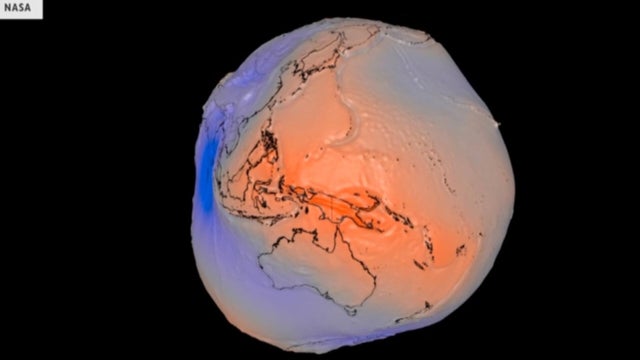
SpaceX's next crew shared their excitement about an upcoming spaceflight. Plus, NASA's newest rendering of Earth shows a lumpy, not-quite-spherical planet. CBS News space consultant Bill Harwood shares his reaction.
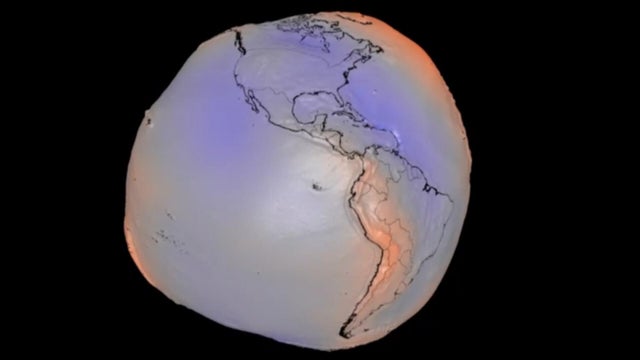
From Apollo 11 to Artemis II, space missions have provided numerous images of a beautiful, seemingly smooth and perfectly round Earth. But new NASA renderings show our home looking more like a lumpy potato than a blue marble. Wired magazine senior science editor Brian Kahn joins to discuss.
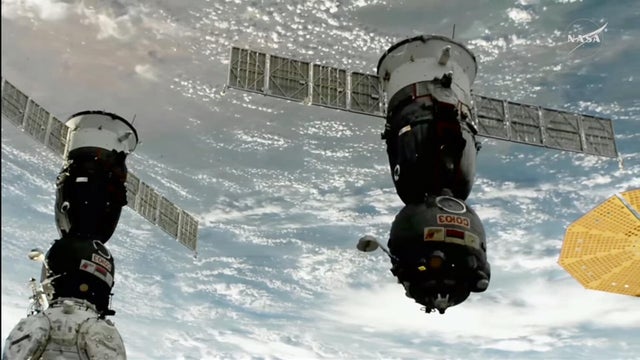
The Soyuz MS-28 landing in Kazakhstan brought a 241-day stay in space to a successful conclusion.
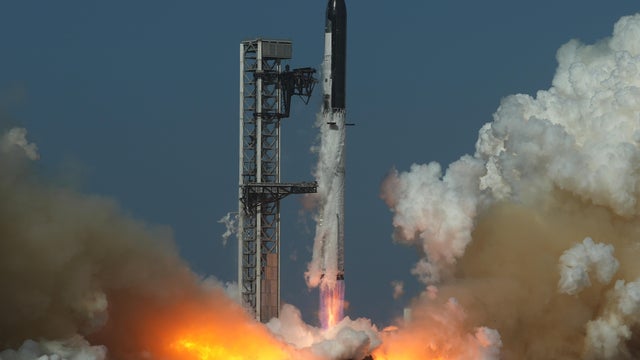
An upgraded version of the world's most powerful rocket is key to landing NASA astronauts on the moon in the agency's Artemis program.
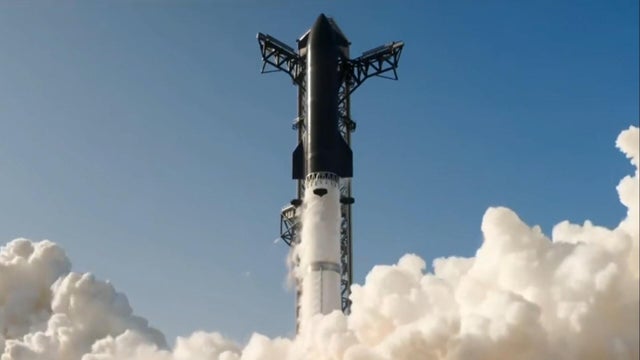
SpaceX on Friday launched the 13th flight test of its Starship V3 rocket. CBS News space consultant Bill Harwood has the latest.
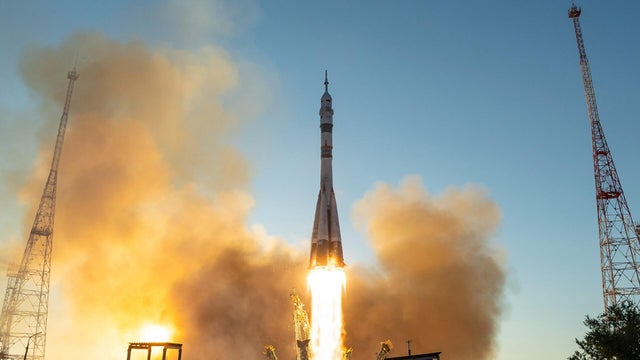
Physician-astronaut Anil Menon, a former flight surgeon with NASA, rocketed into space Tuesday with two Russian cosmonauts for an eight-month stay aboard the International Space Station. CBS News' space consultant Bill Harwood has more.
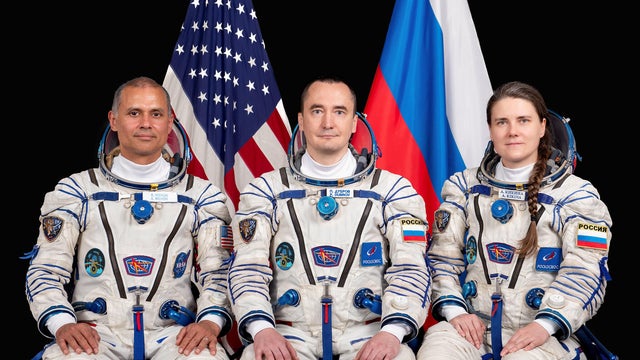
The new crew will replace three other Soyuz fliers wrapping up a 240-day stay aboard the International Space Station.