Details on U.S. seizure of Iranian cargo ship
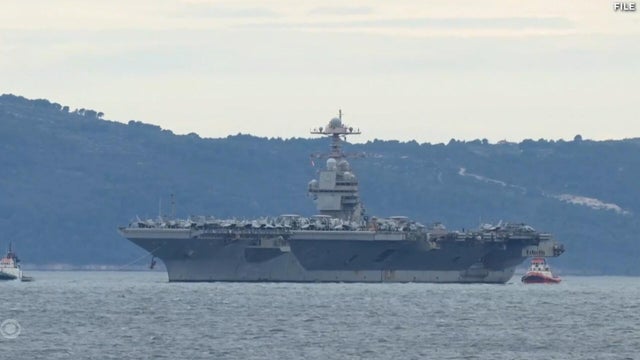
U.S. forces fired on and then seized an Iranian vessel over the weekend, intensifying the standoff over the Strait of Hormuz. CBS News senior national security correspondent Charlie D'Agata has more.
Watch CBS News
U.S. forces fired on and then seized an Iranian vessel over the weekend, intensifying the standoff over the Strait of Hormuz. CBS News senior national security correspondent Charlie D'Agata has more.
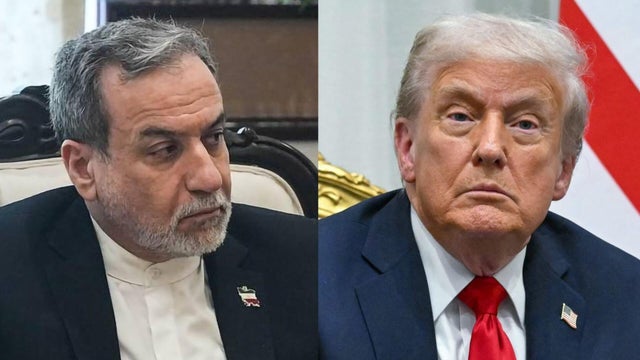
The Trump administration says U.S. officials are heading to Pakistan for another round of talks as the ceasefire deadline with Iran looms, but Iran says it doesn't plan to take part. CBS News' Courtney Kealy has more on why both sides are lacking trust for each other.
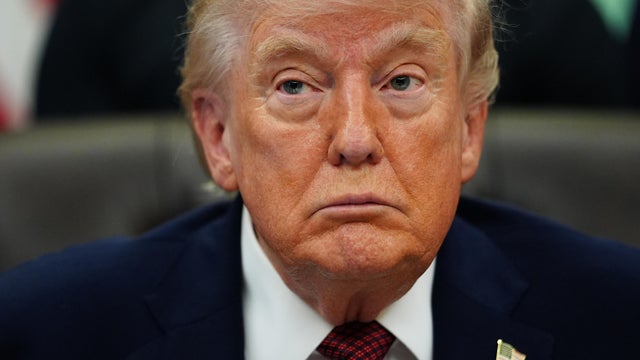
President Trump says he sent a U.S. delegation to Pakistan for another round of peace talks with Iran Monday but Tehran says it doesn't plan to participate.
First, U.S. eyes Iran's highly enriched uranium. Then, Rachel Goldberg-Polin | 60 Minutes Interview. And, turning recordings of animals into music.
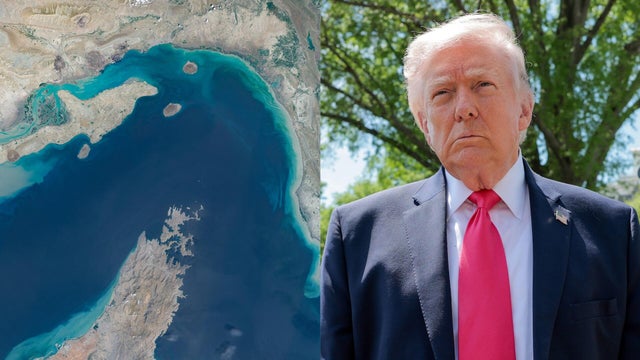
Charlie D'Agata, Olivia Rinaldi and Lana Zak report on the current state of Iran war, what we know about peace talks and how the conflict is spiking fuel prices here at home.

Energy Secretary Chris Wright said Sunday that gas prices pumped up by the war may not drop below $3 per gallon until next year. Nearly two months into the war, a gallon of regular averages $4.05 and diesel prices average $5.61 a gallon. Lana Zak spoke with farmers in Iowa about how they're dealing with those costs.
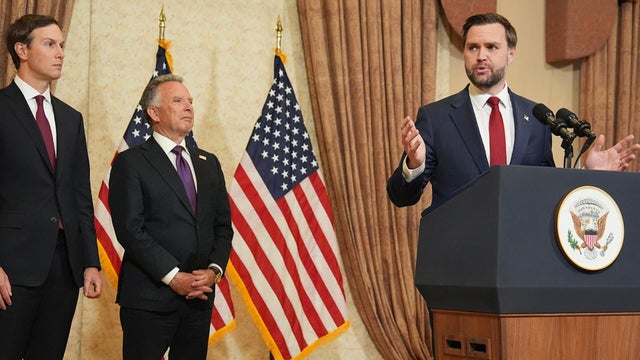
The White House says Vice President JD Vance will lead talks with Iran in Pakistan, but questions remain about who from the Iranian side is authorized to make a deal or if they will even attend. Olivia Rinaldi has more.
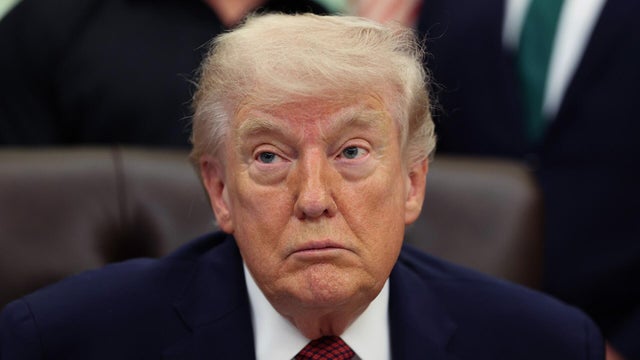
The fragile ceasefire between the U.S. and Iran is set to expire this week, with both countries accusing the other of violations over the weekend. More American troops are on their way to the region. Charlie D'Agata reports.
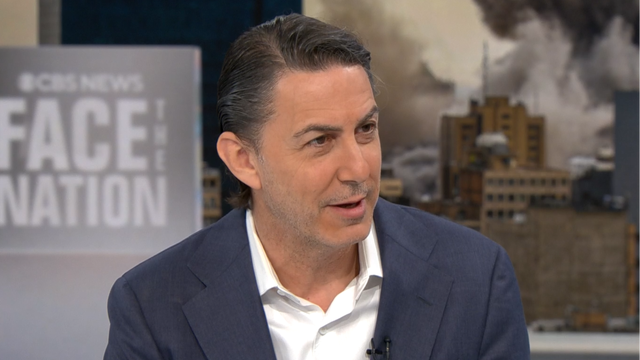
Amos Hochstein, a Biden administration senior energy adviser, Middle East negotiator and current managing partner at the investment firm TWG Global, told "Face the Nation with Margaret Brennan" that "Iranians have a card they never had" in the war by closing the Strait of Hormuz.
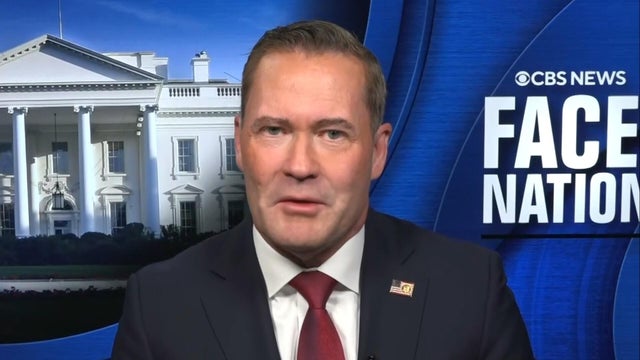
Mike Waltz, the U.S. ambassador to the U.N., told "Face the Nation with Margaret Brennan" that the U.S. has put Iran "in chaos," but said the U.S. is "never going to take an approach of trust" in upcoming peace talks.
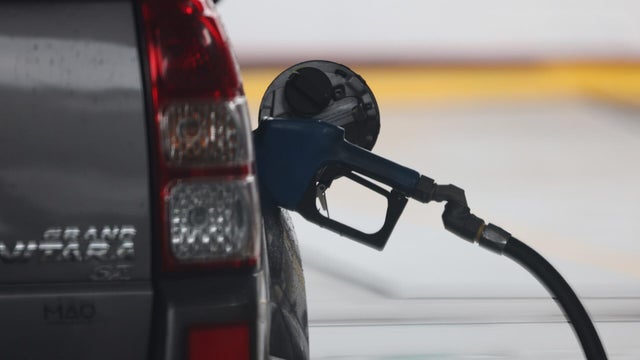
President Trump accused Iran of blackmailing the U.S. on Saturday, but there is some relief for Americans. Gas prices fell, averaging just over $4 a gallon nationwide. Olivia Rinaldi reports from the White House on the war's ripple effects.
For seven weeks, Iran effectively weaponized the Strait of Hormuz. Imtiaz Tyab, who visited the contested waterway this week, reports on the status.
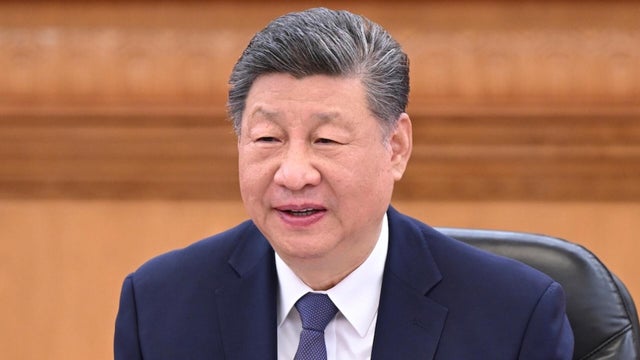
U.S. officials tell CBS News that days after the war with Iran started, U.S. intelligence detected that China was weighing whether to supply Iran with advanced radar technology. CBS News national security contributor Sam Vinograd has more.
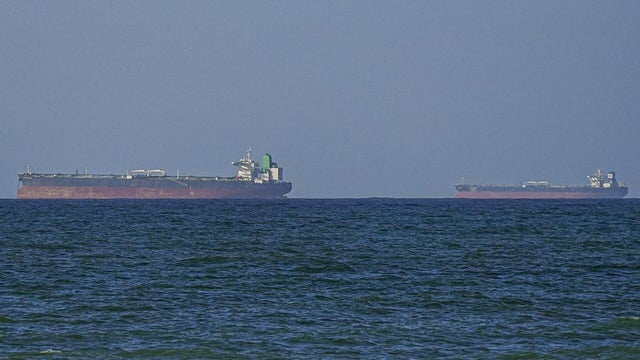
President Trump and Iran proclaimed on Friday that the Strait of Hormuz is open. Political strategists Hannah Muldavin and Kevin Sheridan join "The Takeout" with analysis.
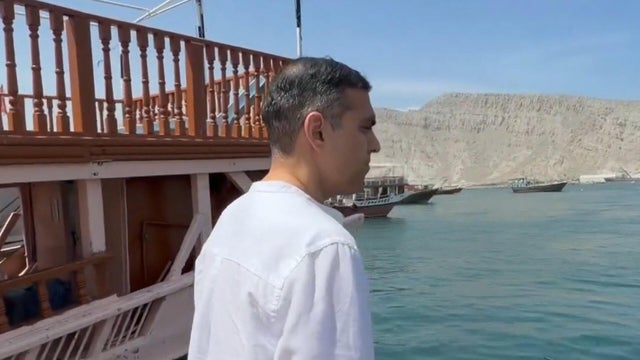
Imtiaz Tyab is the first American network news correspondent to get a look inside the Strait of Hormuz during the Iran war.
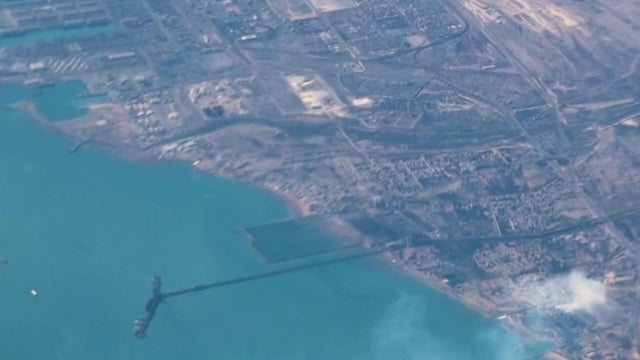
Iran said it has opened the Strait of Hormuz and President Trump said the regime is very close to making a deal. He told CBS News' Weijia Jiang that Iran had agreed to virtually everything the U.S. pushed for when the war started. CBS News' Imtiaz Tyab and Eleanor Watson report.
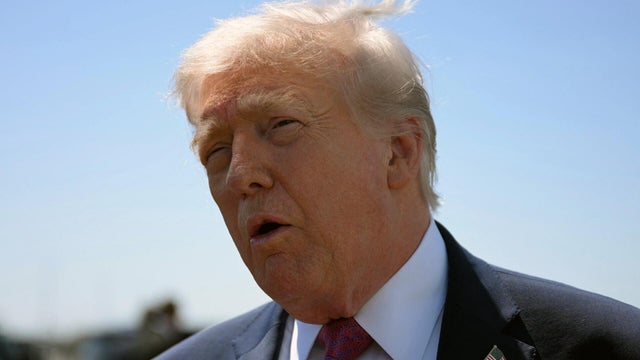
President Trump told CBS News on Friday that Iran has "agreed to everything," including the removal of enriched uranium, but a Tehran spokesperson later denied the claim. CBS News' Eleanor Watson and Aaron MacLean have the latest.
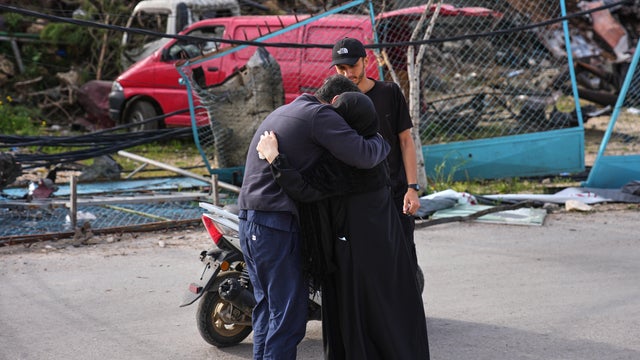
The leaders of Lebanon and Israel agreed to start a 10-day truce at 5 p.m. Eastern Time Thursday.
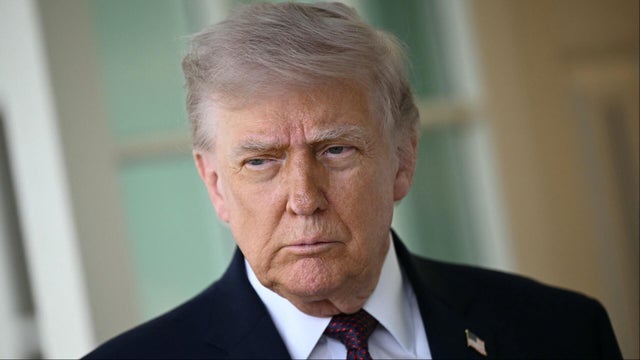
President Trump has repeatedly claimed that the war with Iran is "almost over." He has also stated multiple times that the U.S. is close to accomplishing "all of its goals" in Iran. CBS News' Robert Costa reports and Michael Doran, director of the Center for Peace and Security in the Middle East at the Hudson Institute, have more.
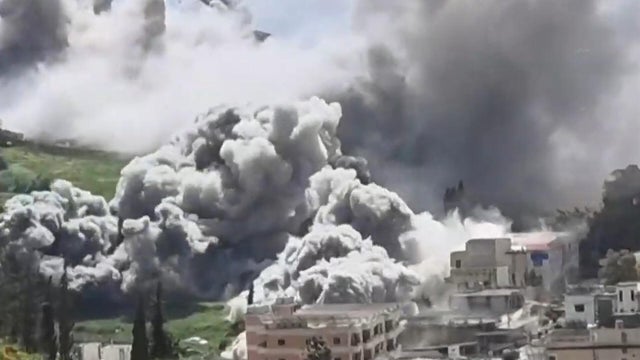
Israel has been fighting the Iranian regime and its proxy Hezbollah in Lebanon across the border. That local ceasefire between Israel and Lebanon could affect U.S. efforts to come to a broader regional agreement with Iran. Charlie D'Agata reports.
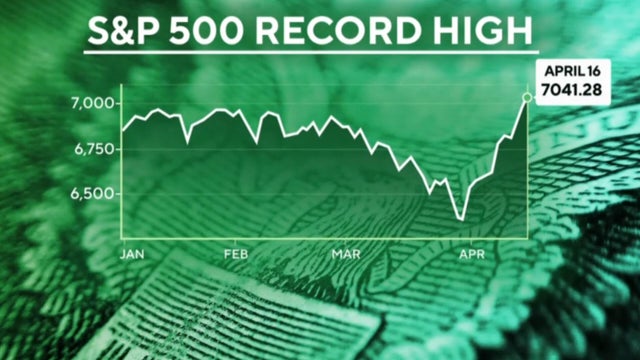
Stocks on Wall Street rose to new heights on Thursday, adding to the record gains seen on Wednesday. It came as investors expressed optimism that a resolution to the war with Iran could be reached quickly. CBS News MoneyWatch correspondent Kelly O'Grady reports.

When it comes to increased costs, the conflict with Iran appears to be affecting many aspects of American life, from transportation to food production. CBS News senior business and tech correspondent Jo Ling Kent reports.
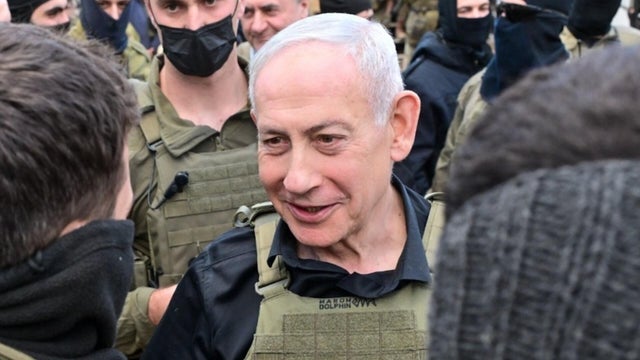
Lebanon and Israel agreed to a 10-day ceasefire on Thursday. CBS News senior White House correspondent Weijia Jiang has more details on the U.S.-brokered deal.
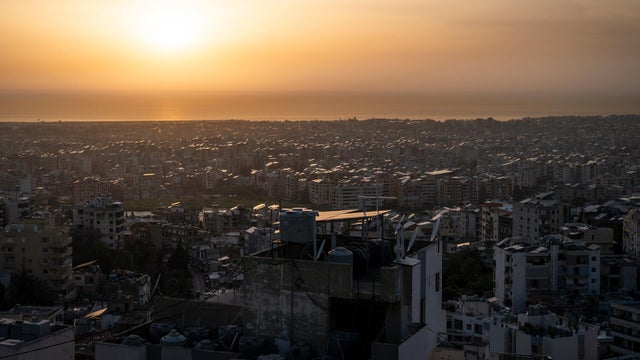
A 10-day ceasefire between Israel and Lebanon took effect Thursday evening, hours after President Trump announced the temporary truce. CBS News' Charlie D'Agata and Joe Zacks have the latest on the state of conflict in the Middle East.
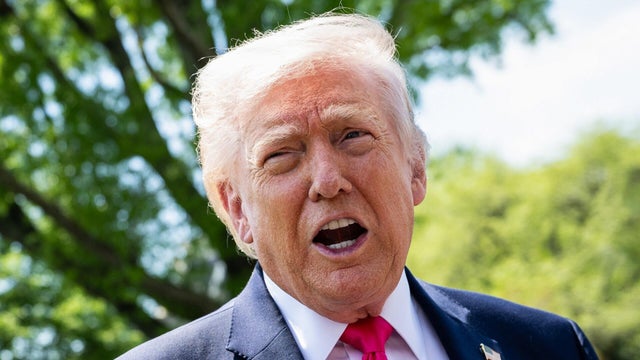
President Trump defended his criticisms of Pope Leo on Thursday, saying he has "a right to disagree" with the pontiff over his stance on the Iran war. CBS News correspondent Natalie Brand has the latest.