Several states lifting stay at home orders
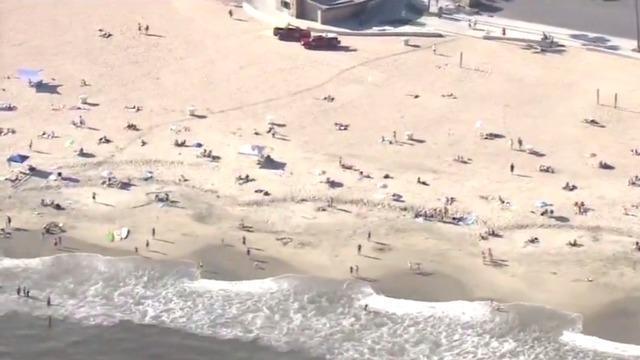
Several states across the U.S. have begun reopening some public areas and businesses such as beaches and tattoo parlors. But many consider the reopening premature and dangerous. Danya Bacchus reports.
Watch CBS News
Several states across the U.S. have begun reopening some public areas and businesses such as beaches and tattoo parlors. But many consider the reopening premature and dangerous. Danya Bacchus reports.

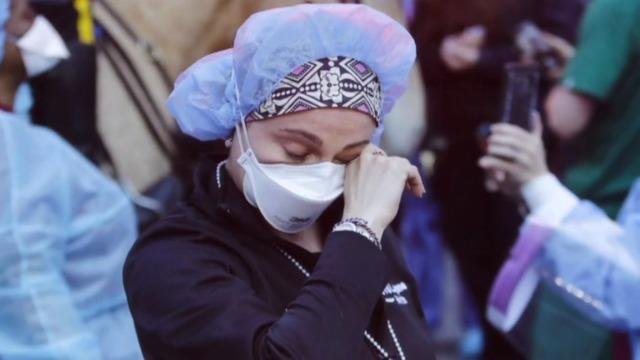
There has been a decrease in the number of coronavirus infections and hospitalizations in New York City since the outbreak. But emergency workers on the frontline continue to face a straining workload. Mola Lenghi reports.

In New Orleans, the prestigious Mardi Gras Zulu Krewe has had at least 25 of its 800 mostly black members infected, with at least five dead. Mireya Villarreal speaks to Zulu Krewe members about the devastating effects of the pandemic.
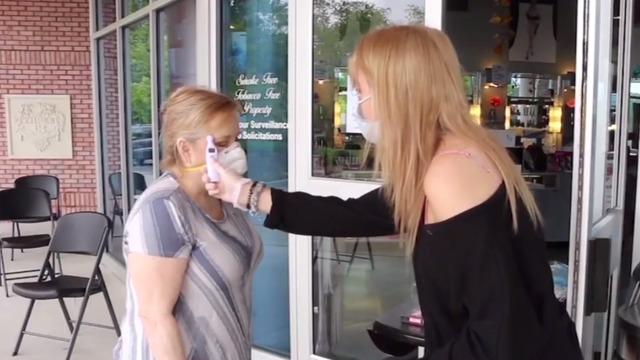
CBS News' Mark Strassmann reports from Atlanta on the growing crisis.
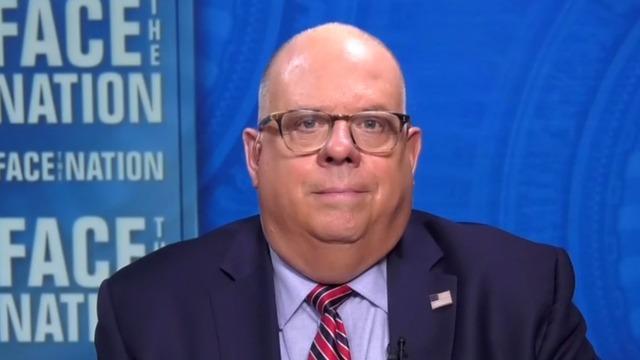
Hogan says his state received hundreds of calls asking about the safety of ingesting disinfectants after President Trump's about-face.

"There's great debate about how much this will ultimately take", CEO Brian Moynihan told "Face the Nation" on Sunday.
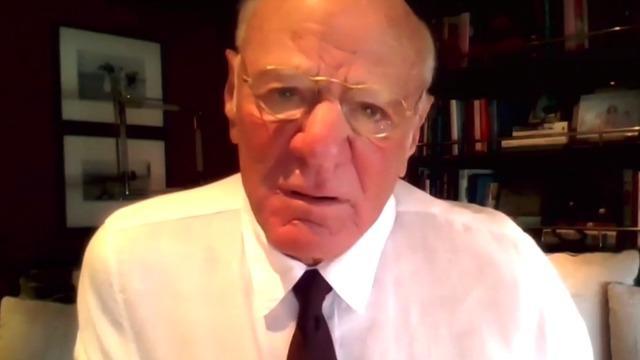
Diller says the private sector needs more federal guidance on reopening, but says the Trump administration has not offered a roadmap.
"Face the Nation" moderator Margaret Brennan reflects on the state of our democracy as everyday Americans rise up as leaders in the era of coronavirus.
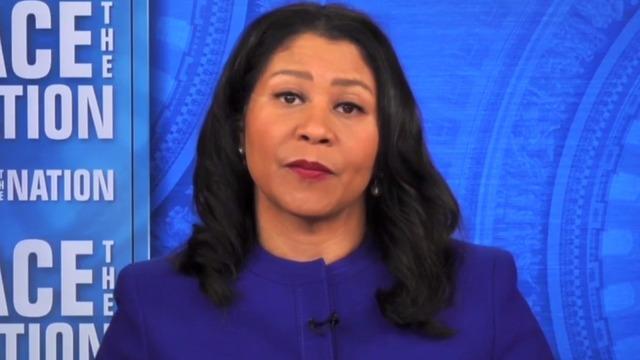
Mayor London Breed says the "biggest challenge we have is we need to make sure that we are looking at the facts and the data".
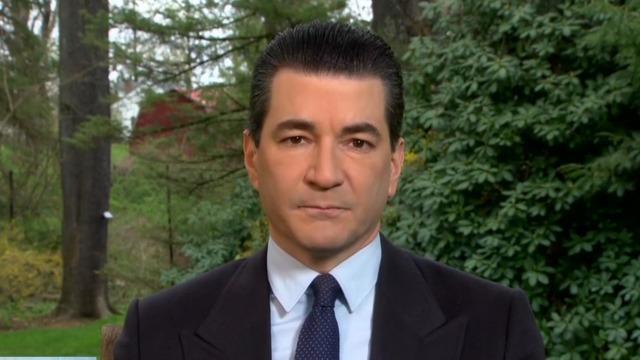
Scott Gottlieb told 'Face the Nation" that the state is "certainly not out of the woods" when it comes to coronavirus recovery

Governors and businesses from Hawaii to Alaska to Nevada spent the weekend weighing steps to reopen with measures vastly differing from state-to-state. In parts of California, large crowds of sun seekers were a clear sign many are ready to test unchartered waters. Jonathan Vigliotti reports.
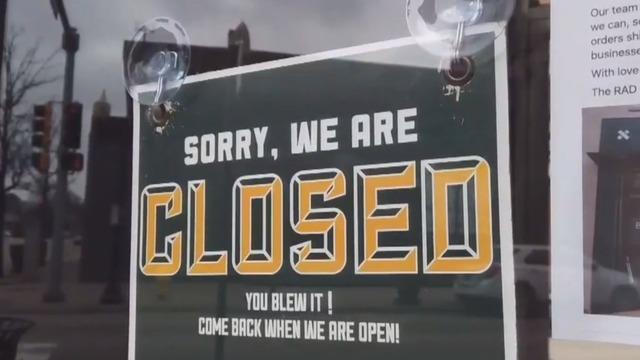
Deaths from the virus in the U.S. now top 54,000. But things are slowly improving. At least 20 states are set to bring back business in some way in the coming days. But it will be a new normal. Dean Reynolds reports.
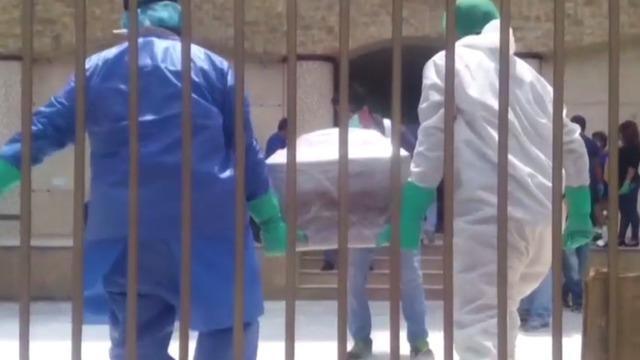
Ecuador is seeing one of the world's worst coronavirus outbreaks, with possibly thousands dead. But that hasn't been enough to convince the president of Latin America's largest country, Brazil, to take the threat seriously. Manuel Bojorquez reports.
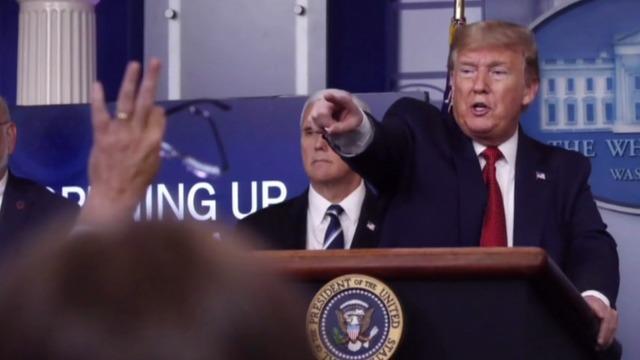
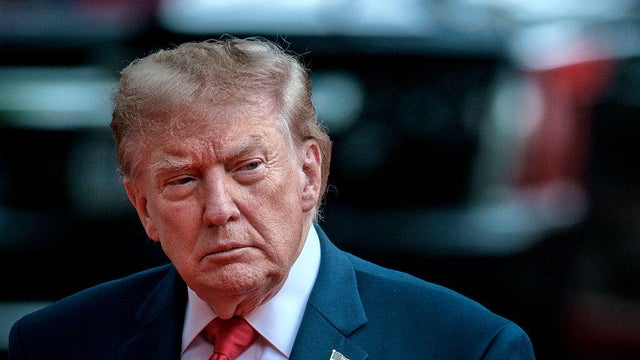
It's the second straight day that President Trump did not hold a press briefing, after his remarks about injecting disinfectants to combat the coronavirus are still sparking controversy. Nikole Killion reports from the White House.
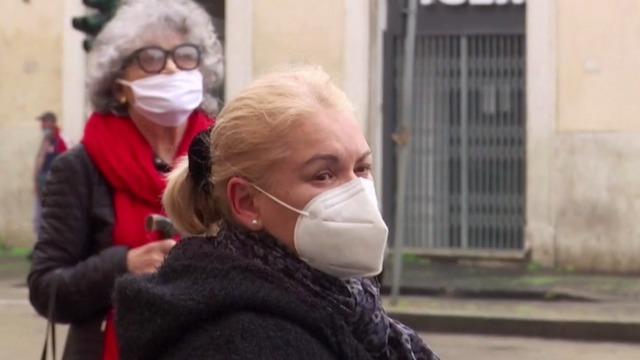
As the debate rages worldwide about when to send people back to work, a new report says COVID-19 could be even more contagious than previously believed. It's been detected on tiny particles of air pollution called particle matter, especially high in industrial areas. Chris Livesay reports.

The airline industry has gotten a $61 billion lifeline from the federal government. But their future might be forever changed by the coronavirus pandemic. Kris Van Cleave reports.
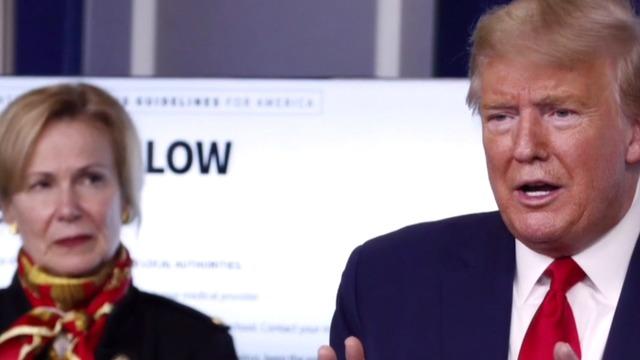
President Trump did not appear in public over the weekend to address the coronavirus crisis, but he did speak out on Twitter. A senior adviser tells CBS News that some of the president's aides and allies outside the White House have urged him to scale back on the daily briefings on the virus. Ben Tracy reports on what members of the coronavirus task force are saying.
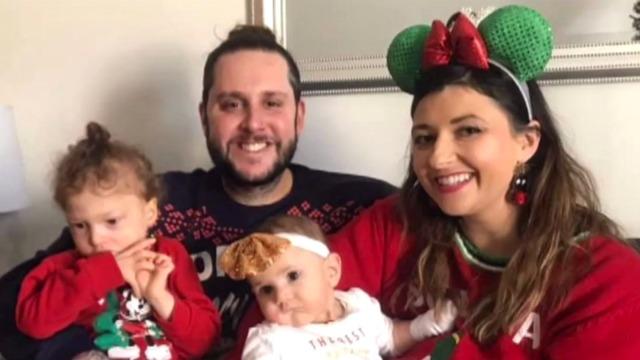
A Connecticut man left a touching tribute for his family before he died from complications of COVID-19 last week. When Jonathan Coelho was hospitalized, he wrote a note on his phone to his wife and two young children. David Begnaud speaks with Coelho's wife about what the note meant to her.
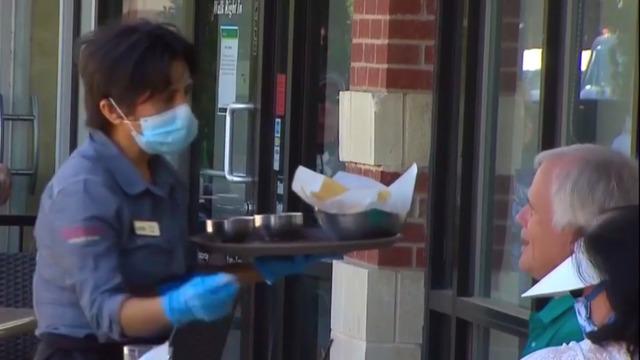
A rising number of states will start to reopen this week, despite the risk people will get sick from the coronavirus. In California, people crowded beaches over the weekend, even though a stay-at-home order is still in place. In Georgia, some businesses are now open to customers, after a controversial decision by the state's governor. Mark Strassmann reports on the state of lockdowns across the country.
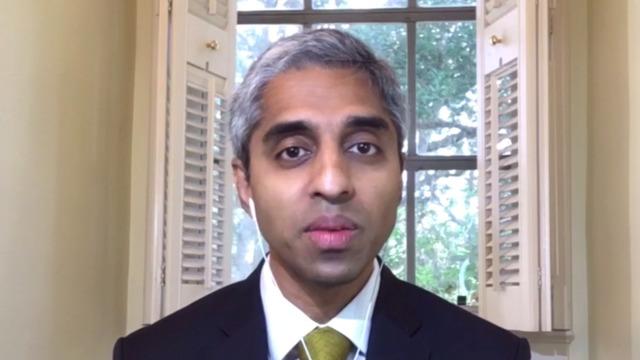
Dr. Vivek Murthy fought Ebola and Zika as the 19th surgeon general during the Obama administration. Now, he's talking to presidential candidate Joe Biden and local leaders about how to tackle the coronavirus. Murthy joins "CBS This Morning" to discuss the risk of reopening the economy too quickly, as well as his new book, "Together: The Healing Power of Human Connection in a Sometimes Lonely World."

Many companies are being forced to adapt to the financial impact from the coronavirus pandemic. CBS News business analyst Jill Schlesinger joins "CBS This Morning" to discuss the future of business for our series The New Normal.
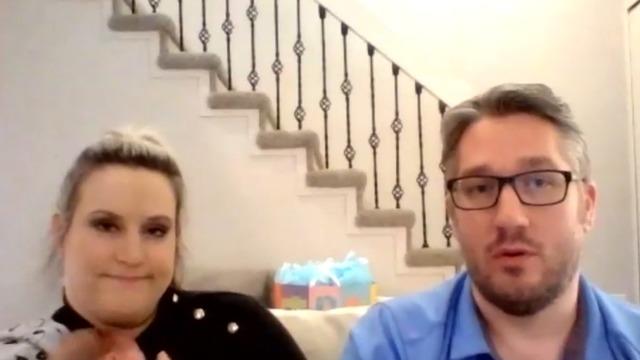
A Michigan couple quarantined with the coronavirus had to wait nearly three weeks to meet their newborn twins. In the weeks leading up their sons' births, both Jennifer and Andre experienced symptoms of the virus, and the night Jennifer went into labor, a doctor called to say Andre tested positive and could not go to the hospital. The couple shared their experience with "CBS This Morning."

As the Treasury Department continues sending out stimulus checks to millions of American, some may never get to the hands of those who need it most. Under the CARES Act, anyone with a judgment against them for any private debt could lose their stimulus to a debt collector. CBS MoneyWatch reporter and video producer Irina Ivanova joined CBSN to discuss what kind of debt could be putting your coronavirus relief money at risk.
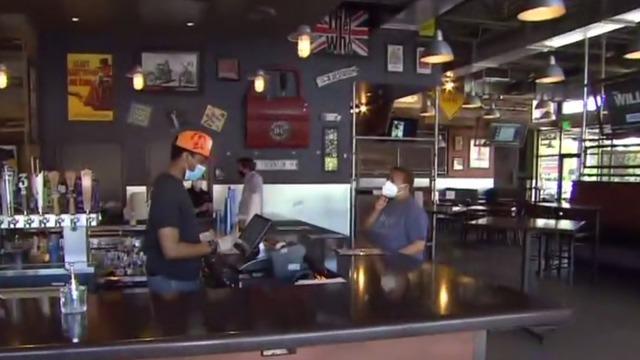
Georgia has reopened its economy giving residents new options to dine out and return to some sort of normalcy. However, coronavirus cases there have jumped 38% and the death toll has increased 51% in the last two weeks. Mark Strassmann has the latest.
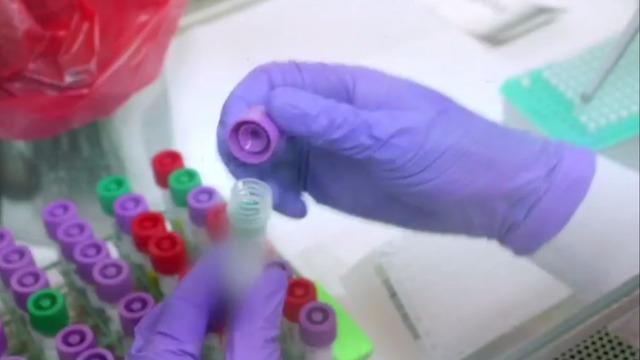
President Trump unveils new plan to speed up COVID-19 testing in all 50 states. Each state will receive enough tests each month to screen 2% of their population, but many governors are still pleading for help. Weijia Jiang reports.