4 asteroids will zoom past Earth Friday, including one as big as a skyscraper
NASA estimates the biggest asteroid headed our way is between 690 feet and 1,575 feet across.
Watch CBS News
NASA estimates the biggest asteroid headed our way is between 690 feet and 1,575 feet across.
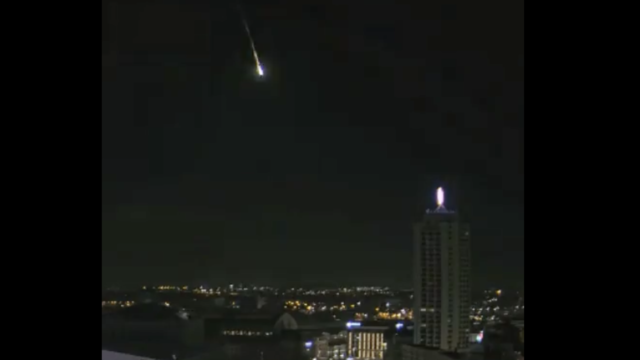
The "fireball" — or shooting star — disintegrated while hurdling toward the ground about 30 miles west of Berlin early Sunday morning, experts said.
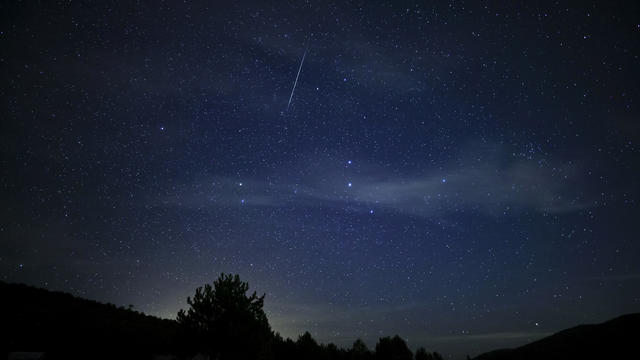
The Quadrantids, one of the best annual meteor showers, is set to peak after midnight on Jan. 4. Here's when and where stargazers can see the meteor shower.
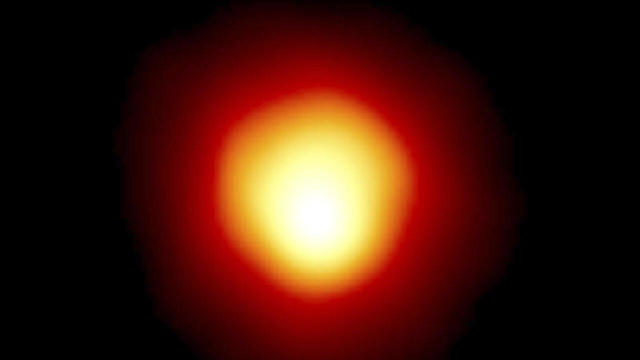
Betelgeuse, one of the biggest and brightest stars in the night sky, will momentarily vanish as an asteroid passes in front of it to produce a one-of-a-kind eclipse.

The Lucy spacecraft's primary mission is to explore a series of asteroids in Jupiter's orbit.
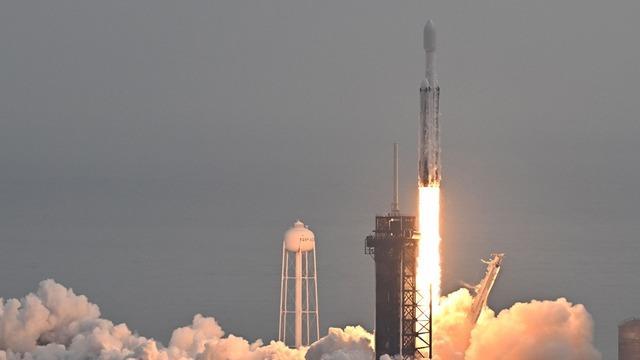
NASA launched its Psyche asteroid probe on a SpaceX Falcon Heavy rocket Friday, setting off a five-and-a-half-year voyage to a rare, metal-rich asteroid that may hold clues about how the cores of rocky planets like Earth first formed. CBS News space analyst Bill Hawrood has more.

Dust samples collected from the Bennu asteroid about three years ago, and returned to Earth last month by a space capsule, showed evidence of water and carbon, NASA said Wednesday. The material analyzed was collected outside the main sample container, which has not yet been opened.
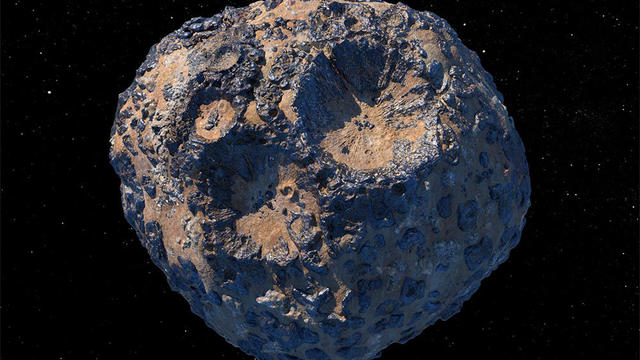
NASA's new asteroid probe, Psyche, is on track for launching Oct. 12 after a weeklong delay for additional tests.

NASA is celebrating the successful end of a 7-year, $1 billion mission to collect and return a sample from the asteroid Bennu. CBS News' Mark Strassmann has more on the mission. And Derrick Pitts, chief astronomer at the Franklin Institute, joined CBS News to discuss the significance of the samples.

NASA is celebrating the successful end of a seven-year, $1 billion mission to collect and return a sample from an asteroid named Bennu. Mark Strassmann reports scientists hope the sample will provide clues about the origin of the solar system.

A small saucer-shape capsule carrying a half-pound of rocks and dust collected from an asteroid called Bennu is expected to slam into Earth's atmosphere at a blistering 27,650 mph on Sunday and then parachute down to the ground. NASA senior scientist Amy Simon joined CBS News to discuss the purpose and logistics of the mission.

A capsule carrying rock and dust samples collected from the asteroid Bennu is scheduled to land in the Utah desert Sunday morning. The samples are being deposited by NASA's OSIRIS-REx spacecraft, which after releasing the capsule will depart for a trip to the asteroid Apophis, which it is expected to reach in 2029.
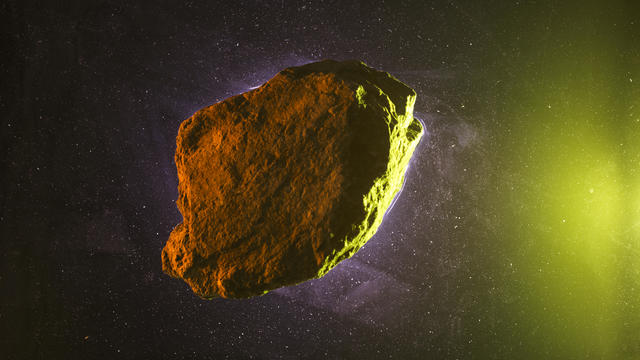
None of the asteroids pose any threat to Earth, according to NASA's Asteroid Watch dashboard.
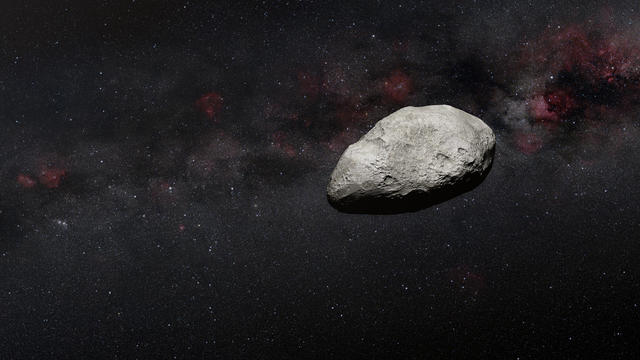
The algorithm will eventually be used at the Vera C. Rubin Observatory, a survey telescope being built in Chile.
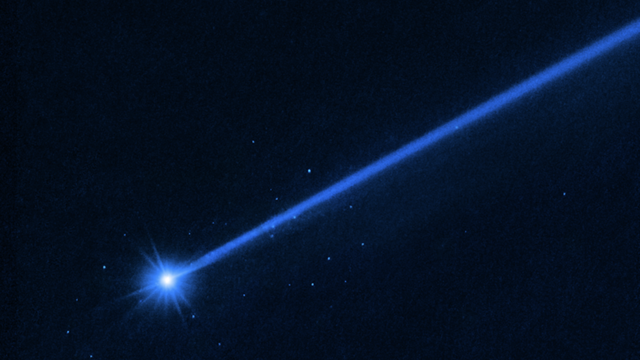
NASA said that redirecting an asteroid could lead to "a cluster of threatening boulders heading in our direction."

U.S. shatters record with 800,000+ COVID cases per day; Giant asteroid expected to fly by Earth
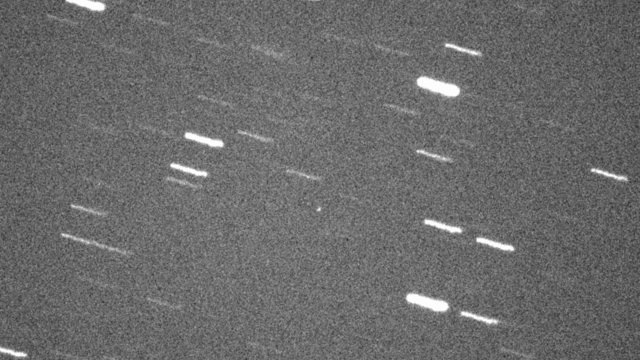
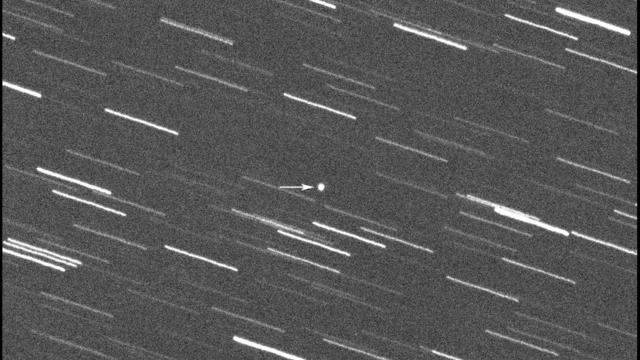
The asteroid appears small in the images but was estimated to be up to 30 feet in diameter, according to NASA data.
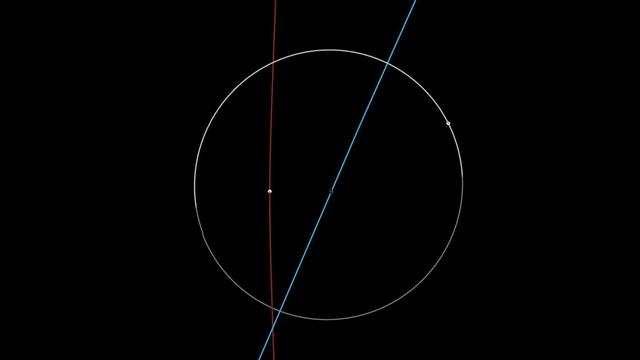
The airplane-sized asteroid passed by last week on a track that placed it between the Earth and moon's orbits, which is relatively rare.
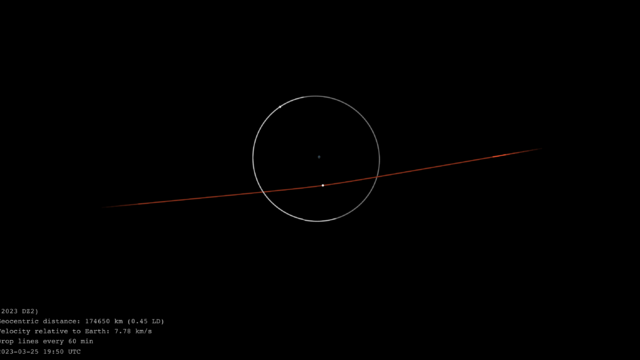
The space rock's anticipated trajectory places it at about half the distance to the moon, so people with telescopes may be able to see it from Earth.

In case you missed it, a daughter's TikTok helped save her family restaurant and the U.S. Army is resurrecting a once familiar slogan to garner recruits.

U.S. military shoots down unidentified object; Small asteroid spotted over English Channel.
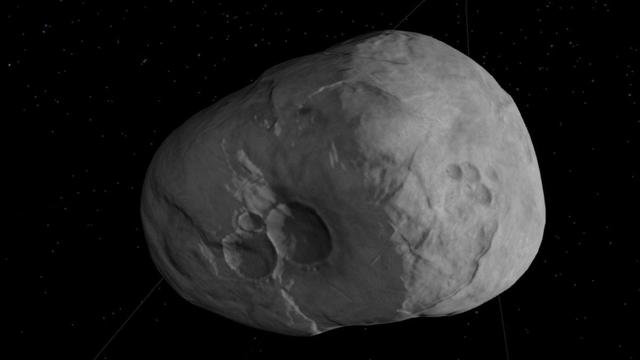
One astronomer said he believes there's about a "1 in 400 chance" the asteroid could impact Earth.

In case you missed it, a New Jersey restaurant banned kids under 10 and a Black Vietnam veteran finally got his Medal of Honor after a decades-long delay.
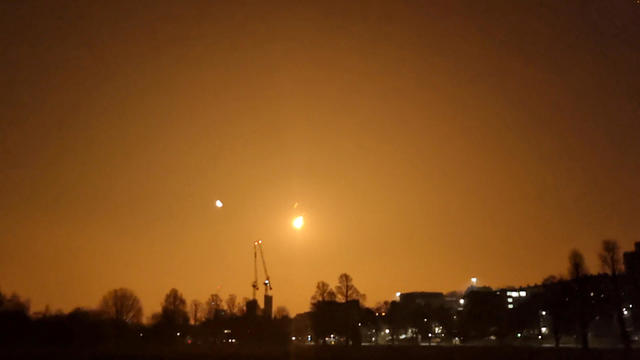
The 1-meter asteroid was discovered just hours before it hit Earth's atmosphere and almost 10 years to the day that an asteroid about 20 times bigger hit Chelyabinsk, Russia.
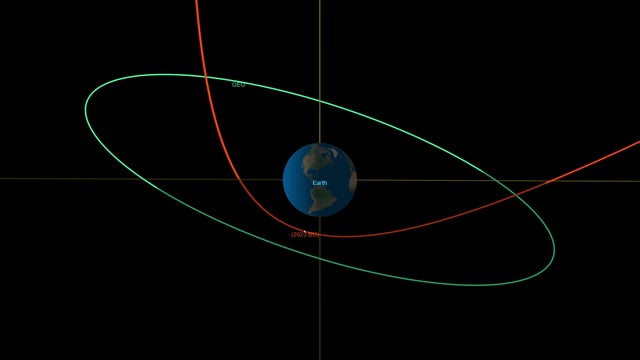
But it will miss, the space agency says, in one of the closest encounters of its type ever.