
Dinosaur-era fossils of sea lizard with "demon's face" found in Morocco
Fossils of a prehistoric, giant marine lizard dubbed the Kinjaria acuta were discovered in Morocco by scientists who call the creature "a freakish new species."
Watch CBS News
Fossils of a prehistoric, giant marine lizard dubbed the Kinjaria acuta were discovered in Morocco by scientists who call the creature "a freakish new species."
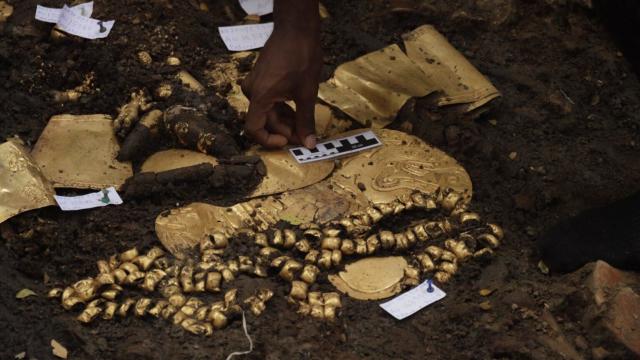
The tomb marks the area where an elite chief was buried along with possibly dozens of people who died to accompany him to the "beyond," officials said.
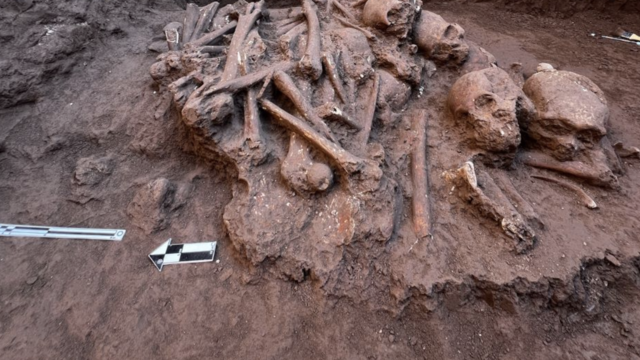
Researchers found seven full skulls from men of varying ages.

An expert committee commissioned to review a contentious plan to reconstruct the outside of Giza's smallest pyramid says "there is no way" it can happen.

An official said he knew immediately that the hiker "had found something special."

Three researchers won a $700,000 prize for using artificial intelligence to read a 2,000-year-old scroll that was scorched in the eruption of Mount Vesuvius.
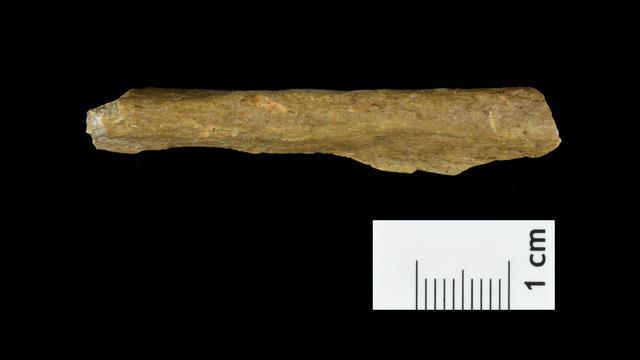
Researchers found human bones and tools hiding behind a massive rock in a German cave, the oldest traces of Homo sapiens ever discovered so far north.
When ancient Egyptians built King Menkaure's pyramid more than 4,000 years ago, they did it a little differently. Now archaeologists want to put it back together.
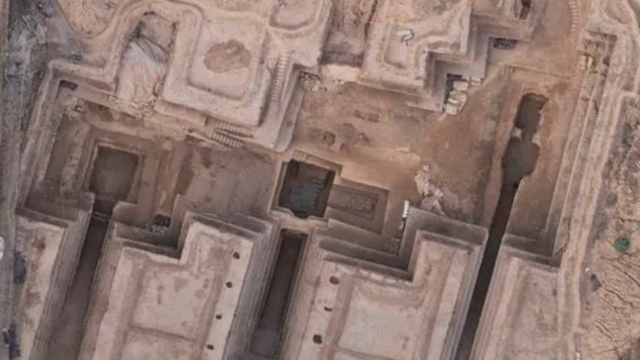
The tombs are actually a "high-level family cemetery" second only to an Imperial mausoleum.
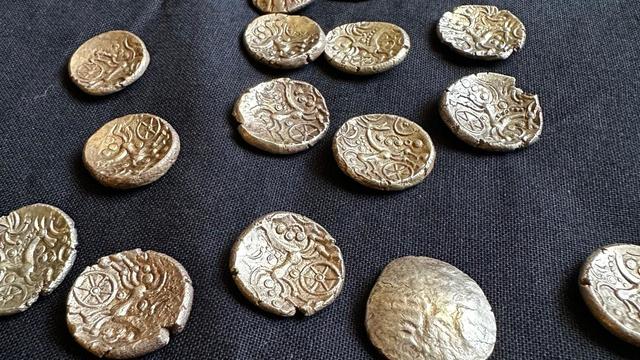
There were over 1,300 treasure finds made by the public in 2022, and most of the items were discovered by people metal-detecting, the museum said.
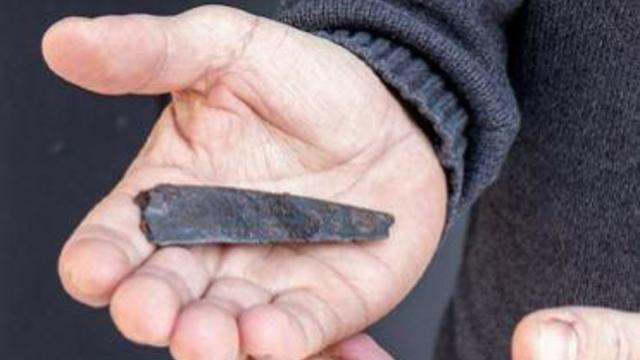
Archaeologists say a single word inscribed on a 2,000-year-old knife blade is the earliest example of writing ever found in Denmark.
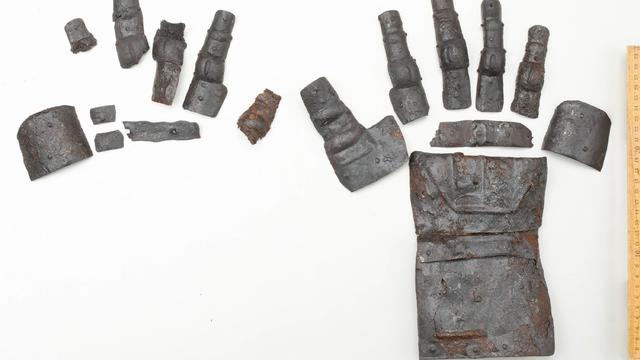
An unusually well-preserved gauntlet of armor was discovered recently during an excavation near Kyburg Castle in northeastern Switzerland.
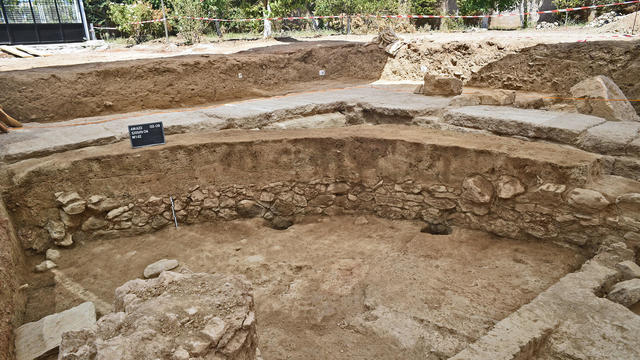
Some parts of the temple dated back to the eighth century B.C., the Greek Ministry of Culture said.
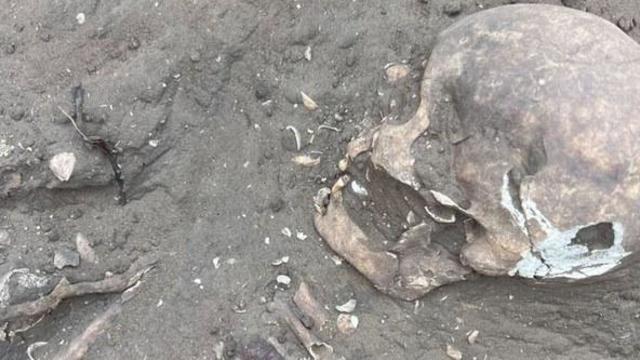
In four years of digging, the team of archaeologists have unearthed 43 human skeletons and more than 100,000 artifacts.
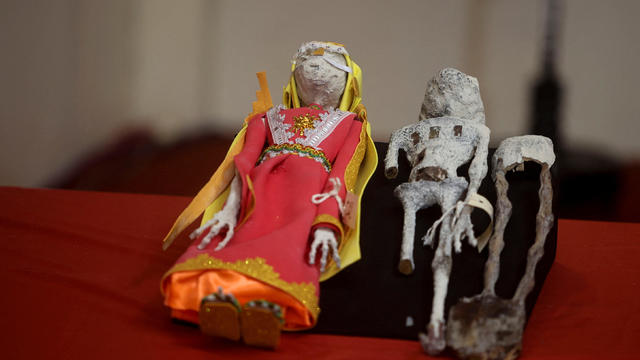
A self-describe "UFOlogist" brought the desiccated figures in front of the Mexican congress last September, claiming they had been recovered near Peru's ancient Nazca Lines and dated over 700 years old.
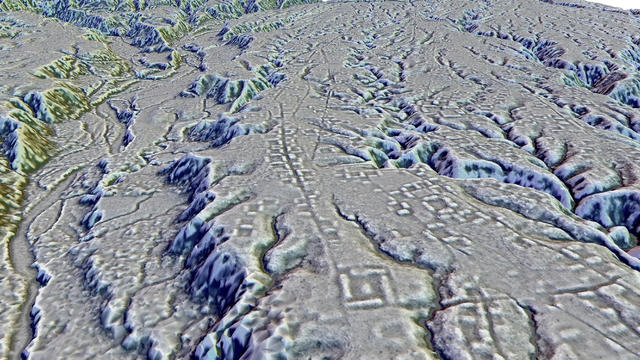
Recent mapping by laser-sensor technology revealed the sites to be part of a dense network of settlements that lasted about 1,000 years.
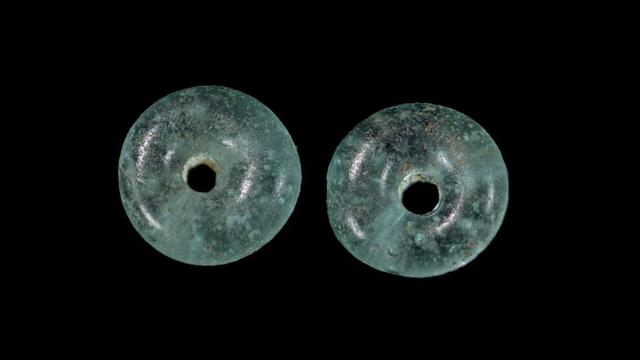
Experts believe the Anglo-Saxon burial site, unearthed during construction on an energy project in England, dates back to the 6th and 7th centuries A.D.
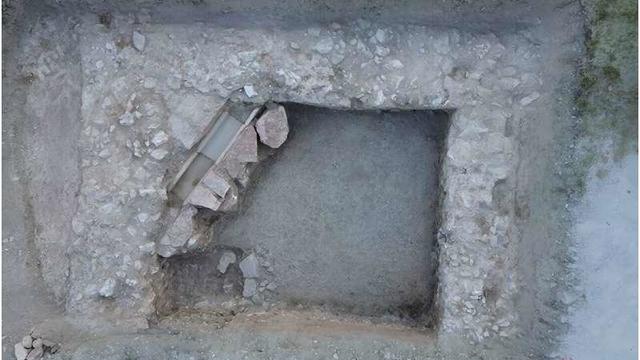
The expedition's lead archaeologist announced the find at the Archaeological Institute of America's annual meeting.
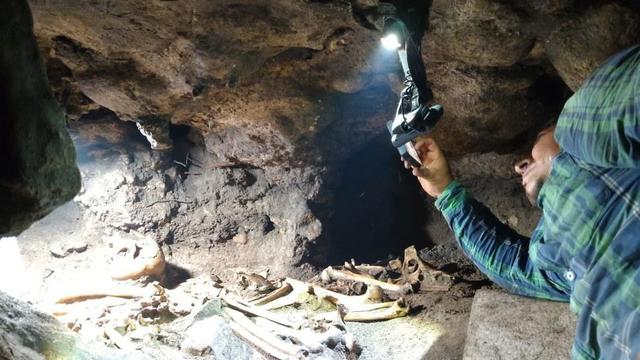
Archaeologists exploring the cave removed the boulder and discovered the rock was "literally splitting" a human skeleton in half.

Scientists from three institutions used multiple methods of analysis to learn more about the man known as Offord Cluny 203645.
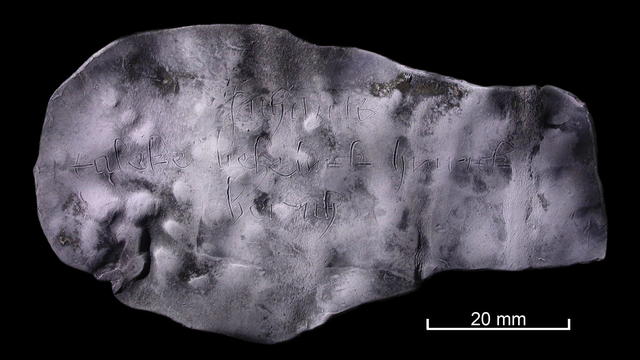
Archaeologists believe the 15th-century tablet is inscribed with satanic summons targeting a specific woman and man.
Italian culture officials have described the ancient Roman city of Claterna as a "Pompeii of the north" amid ongoing excavation efforts.
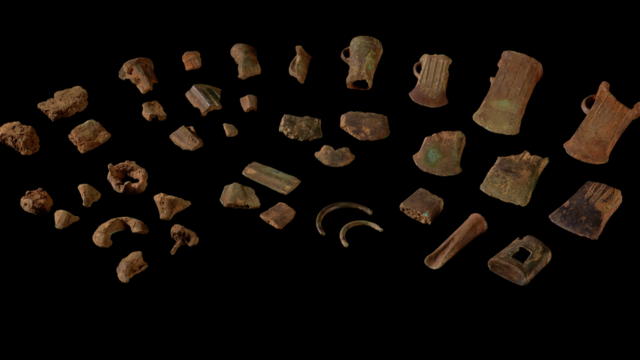
The items include a hoard of bronze artifacts such as axes, spearheads, rings and a sword scabbard.

The ship appears to have been built around 700 A.D., researchers said.
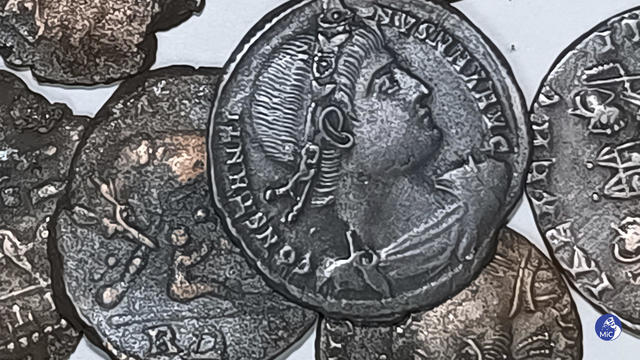
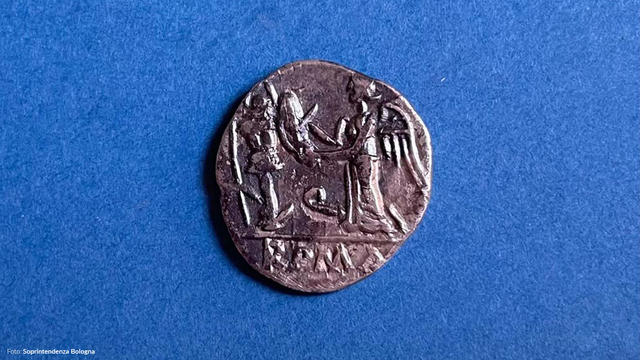
Italy's culture ministry posted images and video of "one of the most important coin discoveries" in recent years.