Family looking for lost earring instead finds Viking-era burial treasures
The family was looking for a lost gold earring in their garden, but instead they found artifacts dating back more than 1,000 years, officials said.
Watch CBS News
The family was looking for a lost gold earring in their garden, but instead they found artifacts dating back more than 1,000 years, officials said.
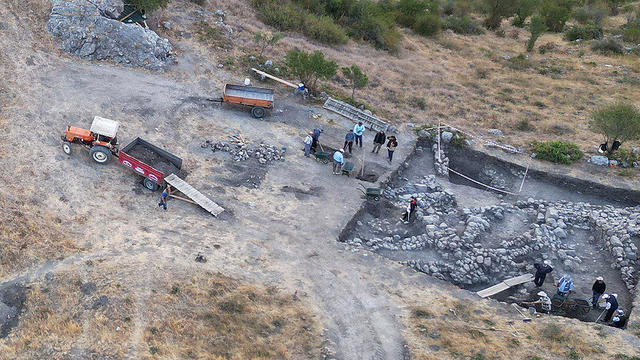
The cuneiform tablet was excavated from Boğazköy-Hattusha, the former capital of the Hittite Empire.
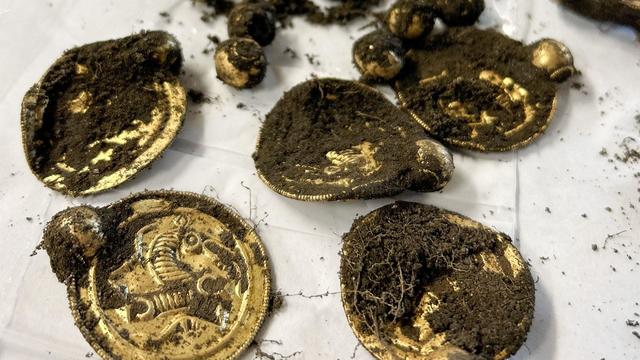
The gold pendants — flat, thin, single-sided gold medals called bracteates — date from around A.D. 500, experts say.
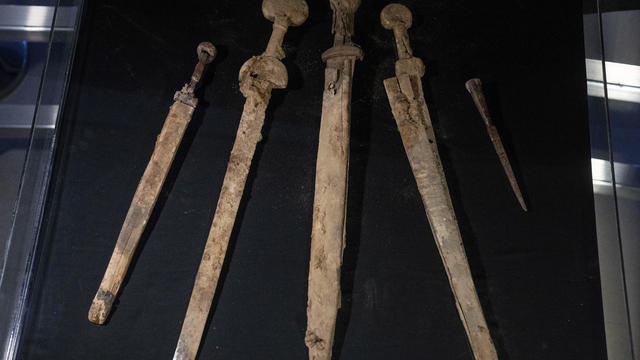
The "dramatic and exciting discovery" tells a story of empire and rebellion, of long-distance conquest and local insurrection.

Scientists are now trying to solve the mystery of why it sheltered behind a fortress of defensive spikes.
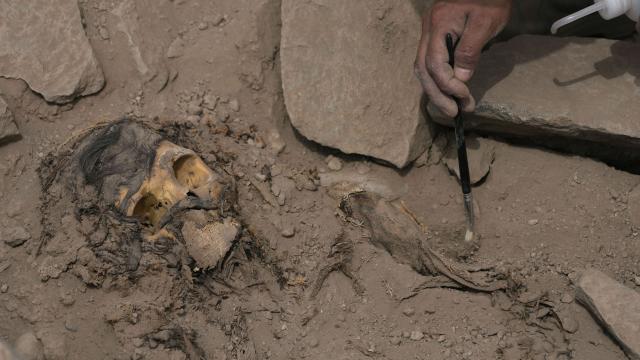
Mummies and other pre-Hispanic remains have been found in unusual places in the city.
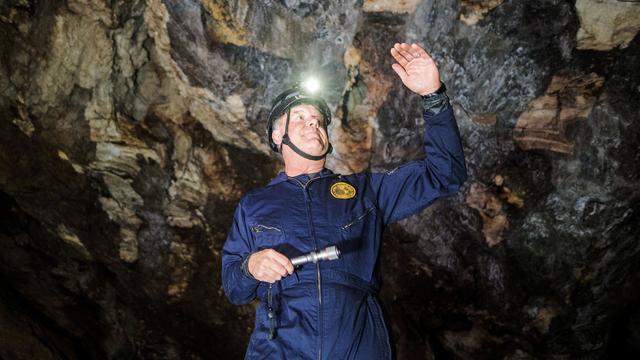
The lead scientist tells CBS News that the discoveries his team is making in the Rising Star cave system may force us to rethink "what it means to be human."
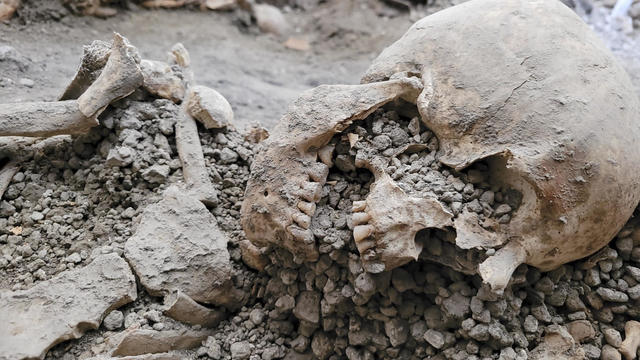
Archeologists discovered two new skeletons during excavations of the ancient city of Pompeii.
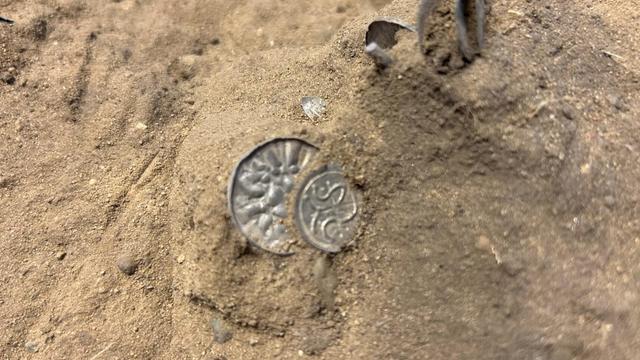
The girl who made the discovery is due to receive financial compensation, the amount of which has not been made public.
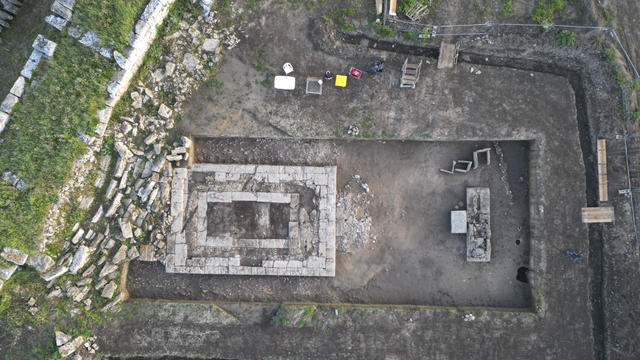
The discoveries shine new light on the religious life and rituals of an ancient city, culture ministry officials said.
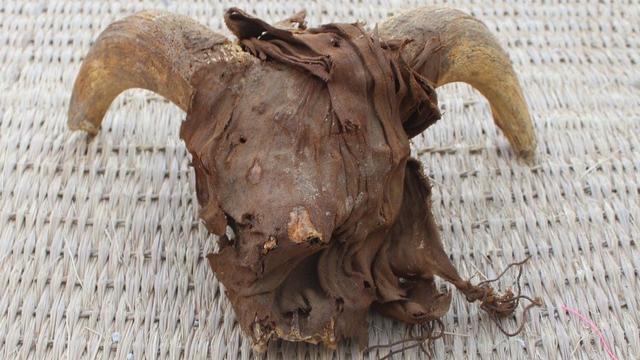
Exactly why all the skulls were all placed there is a mystery, but the dig leader tells CBS News it "shows even 1,000 years after Ramses II, that he was still revered."
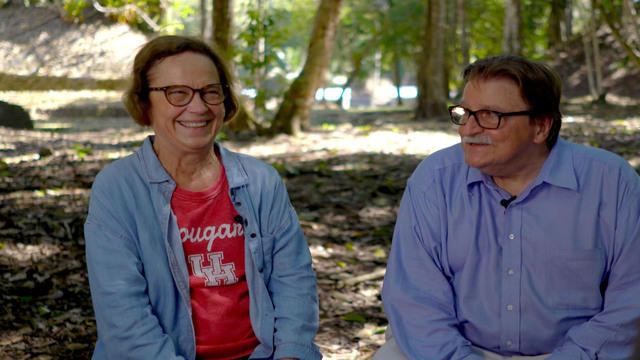
Diane and Arlen Chase share a lifetime commitment to exploring and have been digging at the ruins of Caracol, an ancient Mayan city, since 1985.
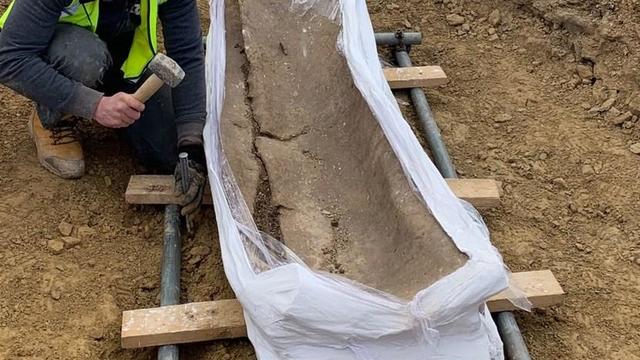
Archaeologists hope the discovery of a 1,600-year-old burial site will provide key details about a little-known period of British history.
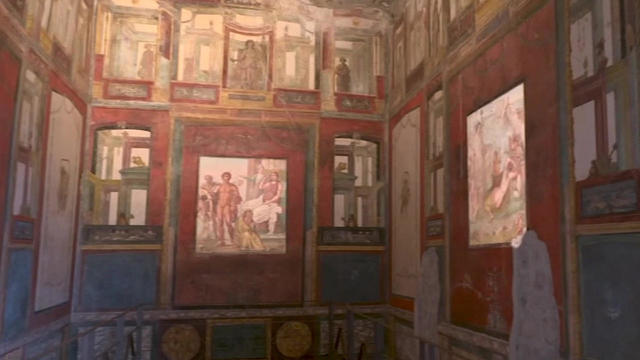
Nearly 2,000 years ago, the erupting Mt. Vesuvius covered the bustling Roman metropolis in volcanic ash. Archaeologists are still uncovering buried portions of the city, piecing together a tantalizing puzzle about life before the disaster.
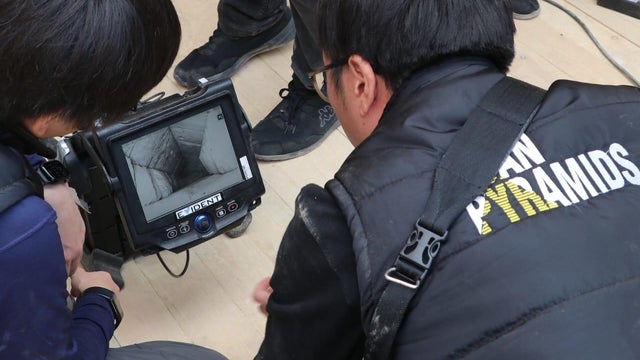
One famed Egyptologist tells CBS News he believes there's "something important underneath the corridor," as the 4,500-year-old pyramid clings to its secrets.
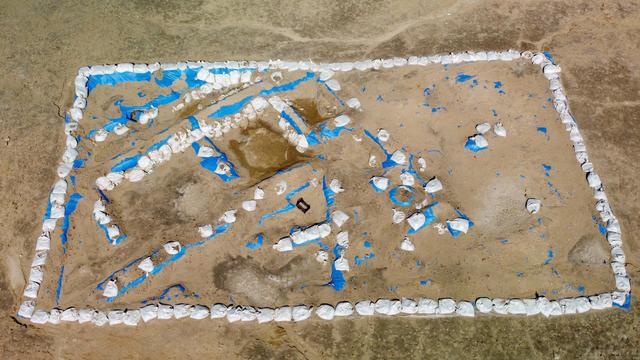
Fish and animal bones were found in the bowls, alongside evidence of beer drinking, the U.S.-Italian team said.
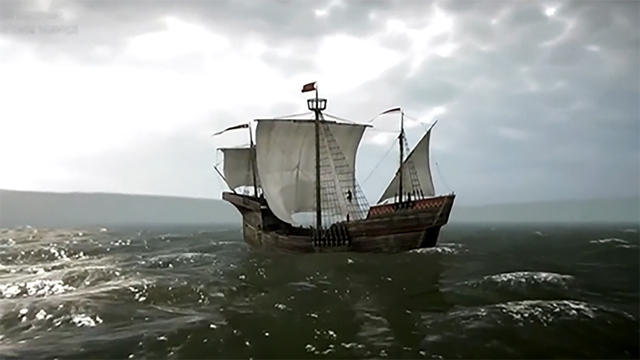
The remains of a British ship that set sail years before Columbus were discovered two decades ago in a south Wales riverbank. After 20 years of painstaking restoration, archaeologists have started to reassemble the 15th-century wreck. With almost 2,500 pieces, it has been called the world's largest 3D puzzle. The BBC's Tomos Morgan has the story on the Newport Ship Conservation Project.
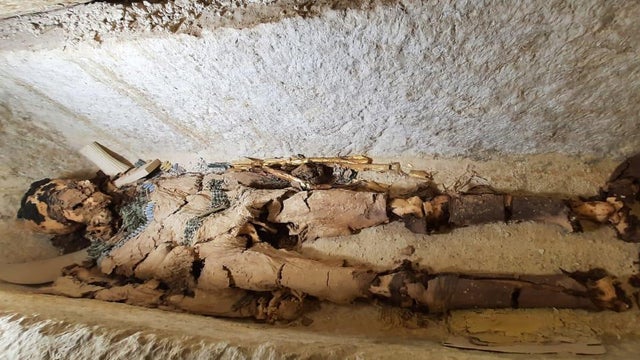
The mummy of an ancient Egyptian named Hekashepes represents two remarkable firsts, but it wasn't the lead scientist's favorite discovery at Saqqara this week.

Anne d'Alegre's teeth "shows that she went through a lot of stress," the researcher said, adding she hopes that the research "goes a little way towards rehabilitating her."
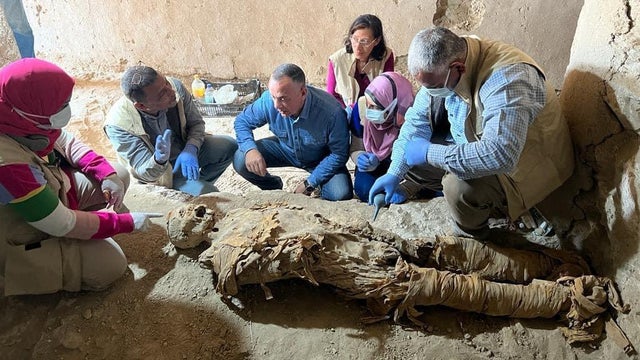
"We have discovered more than a thousand burial sites before in Luxor, but this is the first time we find one from the 13th Dynasty," said antiquities official Dr. Fathy Yaseen.
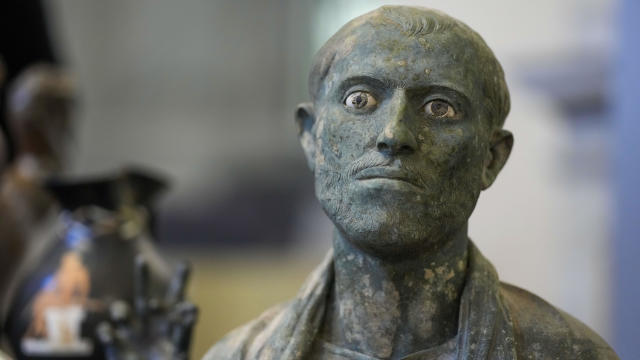
The 60 pieces of art and artifacts include a fresco of Hercules and a drinking chalice some 2,600 years old.

One official says the house, likely owned by freed slaves-turned wine merchants, offers a unique snapshot of Roman society in the year 79 AD.

A set of bones and artifacts from one tomb was dated back to the second century, one researcher said.
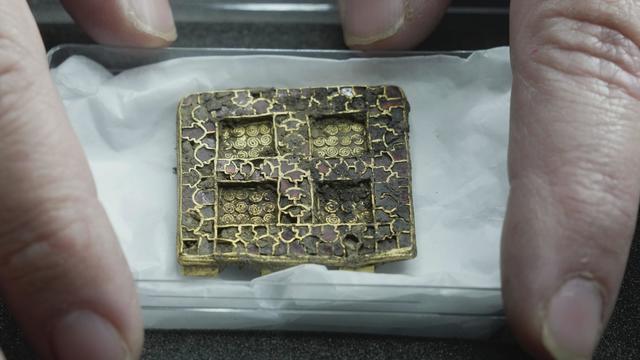
"These artifacts haven't seen daylight in more than 1,300 years," one archaeologist said. "To be the first person to actually see it – it's just indescribable."
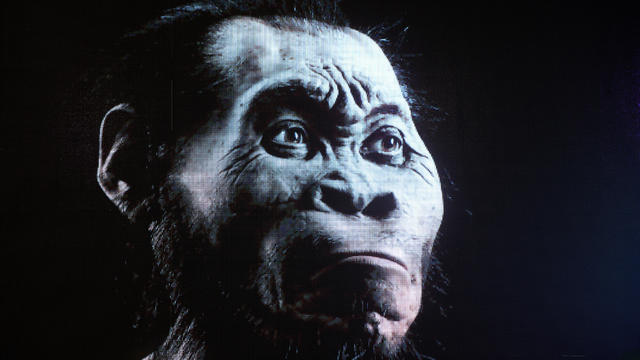
A momentous discovery in South Africa could turn our understanding of human history on its head.