What is affirmative action? A history of the college admissions practice
The Supreme Court ruled affirmative action in college admissions at Harvard and UNC are unconstitutional. The repercussions could be far-reaching.
Watch CBS News
The Supreme Court ruled affirmative action in college admissions at Harvard and UNC are unconstitutional. The repercussions could be far-reaching.
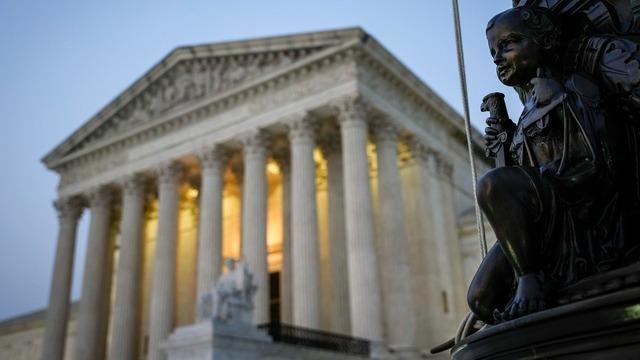
The Supreme Court on Thursday ruled that college admission policies that consider race as a factor violate the Constitution, bringing an end to affirmative action in a decision that is likely to reverberate across college and university campuses nationwide. Gayle King anchored CBS News' special report.
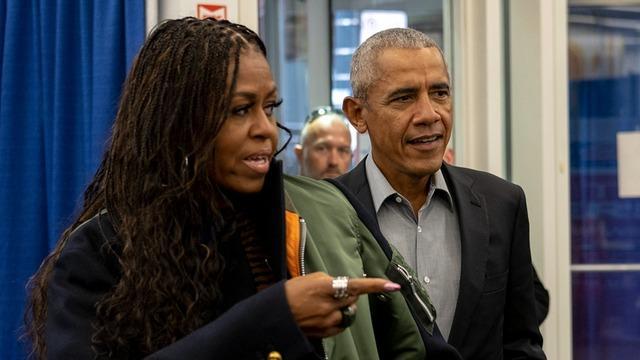
Former first lady Michelle Obama said her "heart breaks for any young person out there who's wondering what their future holds" following the Supreme Court ruling striking down the use of affirmative action in college admissions. Former President Barack Obama said affirmative action, while not perfect, "allowed generations of students like Michelle and me to prove we belonged." Ed O'Keefe has more.
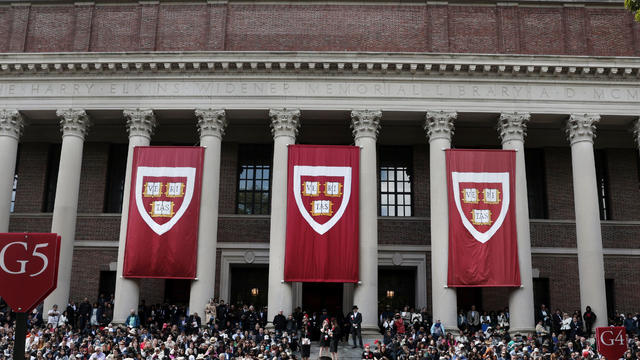
Some states have already banned race-conscious college admissions policies. Here's what happened to schools in those regions.
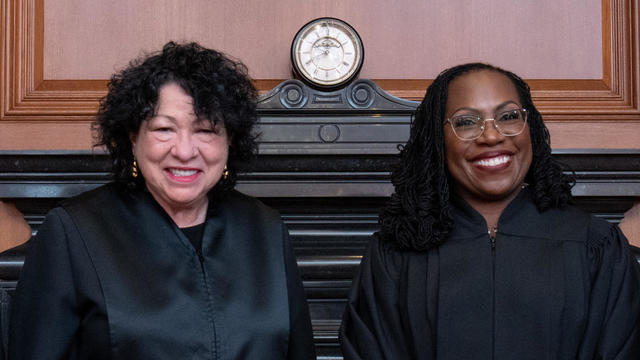
"With let-them-eat-cake obliviousness, today, the majority pulls the ripcord and announces 'colorblindness for all' by legal fiat," Justice Ketanji Brown Jackson wrote.
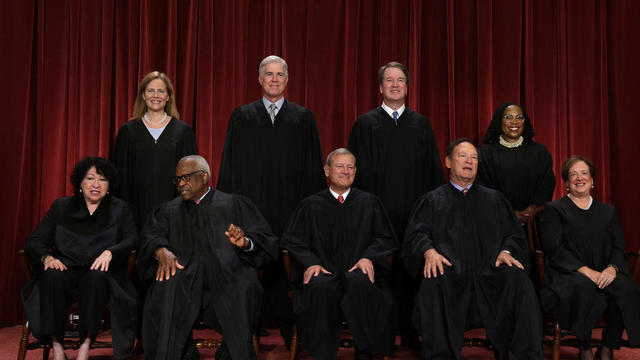
Chief Justice John Roberts wrote the majority opinion for both cases.
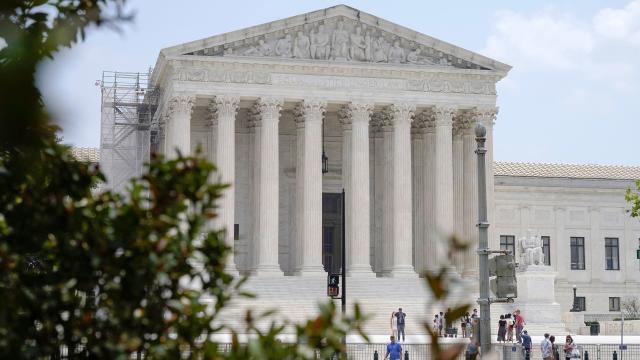
The Supreme Court on Thursday ruled that race-conscious admission policies of Harvard College and the University of North Carolina violate the Constitution.

The Supreme Court will likely decide if affirmative action can be used in the college admissions process this week. The two cases before the court build off decades of debate and legal challenges. Lana Zak has more on this.
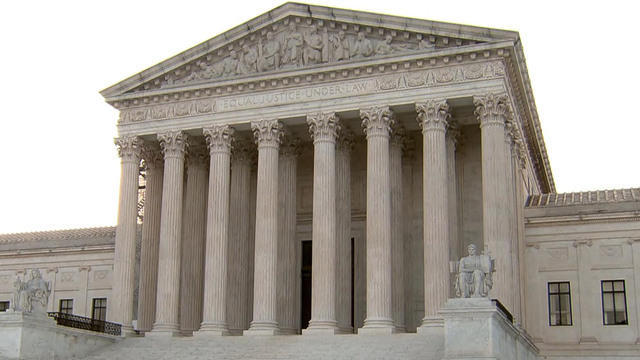
The Supreme Court has 10 opinions left to release this term. If the court stays true to its schedule, this week, there will be potentially historic judgements on affirmative action in college admissions and student loan forgiveness. Major Garrett reports from the Supreme Court.
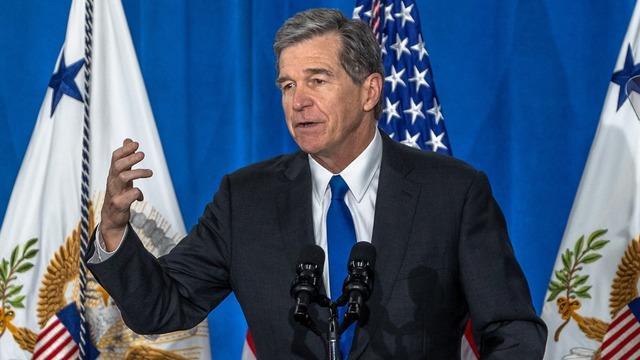
In the last few days, North Carolina Republicans rolled out adjustments to a new law set to take effect Saturday that bans most abortions in the state after 12 weeks, including clarification that medication abortions also are allowed up until 12 weeks. Democratic legislators say the changes are meant to thwart a federal lawsuit filed last week. North Carolina Democratic Gov. Roy Cooper joins "America Decides" to discuss the future of abortion rights in his state.
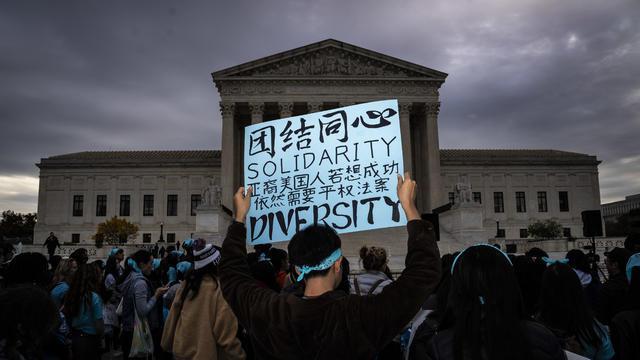
Attitudes can be connected to perceptions of discrimination; but affirmative action more generally finds narrow support.
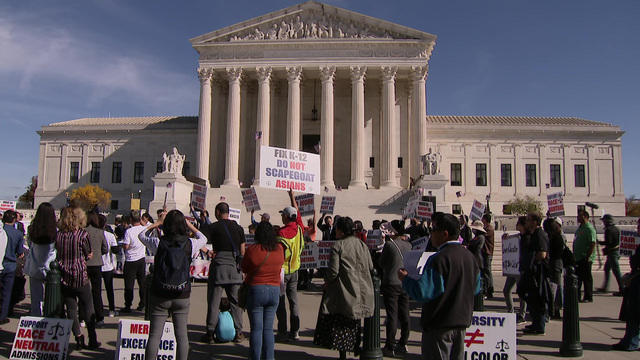
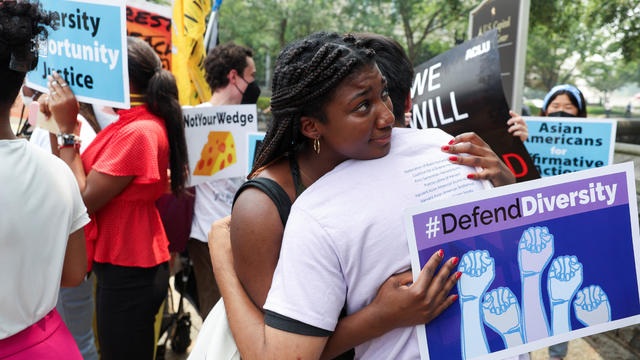
With the Supreme Court poised to decide two cases challenging the use of race as a consideration in college and university admissions, correspondent Rita Braver talks with the man responsible for launching multiple cases against affirmative action in higher education, as well as with advocates for and against maintaining the policy.
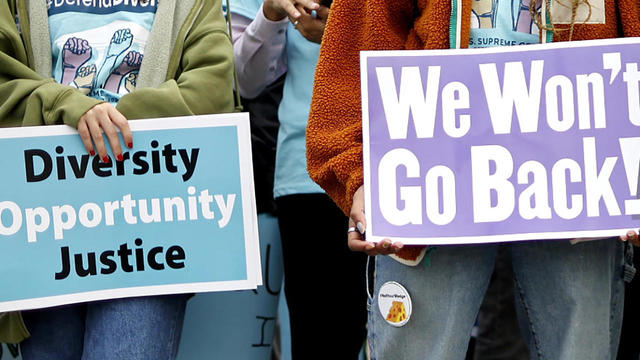
With the Supreme Court poised to decide two cases challenging the consideration of race in college and university admissions, advocates both for and against discuss maintaining or eliminating the policy.