Anti-abortion rights groups push abortion "reversal." States say that's fraud.
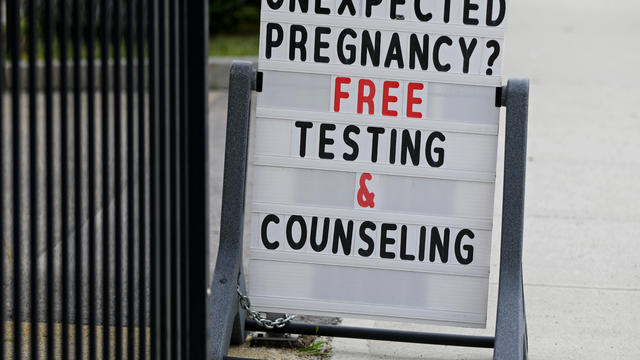
Some states are cracking down on claims by anti-abortion rights organizations that offer "abortion pill reversal" treatment.
Watch CBS News
Some states are cracking down on claims by anti-abortion rights organizations that offer "abortion pill reversal" treatment.

The controversial near-total abortion ban in Arizona won't be taken off the books for 90 days, according to the state's law. CBS News' Janet Shamlian breaks down the process of repealing the 1864 law.

Florida's six-week abortion ban went into effect on Wednesday, meaning it will now be nearly impossible to get an abortion anywhere in the South. Meanwhile, the Arizona Senate voted to repeal the 1864 near-total abortion ban that the Arizona Supreme Court reinstated in April. CBS News' Janet Shamlian and Nidia Cavazos have the latest.

When asked by TIME Magazine if states should monitor women's pregnancies to track abortions, former President Donald Trump said: "I think they might do that. Again, you'll have to speak to the individual states. Look, Roe v. Wade was all about bringing it back to the states." Molly Ball and Brakkton Booker join with analysis.

A vote by Polish lawmakers on amendments to the country's abortion laws shows a will to ease some of Europe's tightest restrictions.
A study published in the Harvard Law Review found there was a spike in nationwide orders blocking federal policies during the Trump administration.

In the first major challenge to abortion rights since overturning Roe v. Wade, the Supreme Court on Tuesday heard oral arguments in a case that could determine nationwide access to mifepristone. The so-called abortion pill was used in nearly two-thirds of all abortions last year.
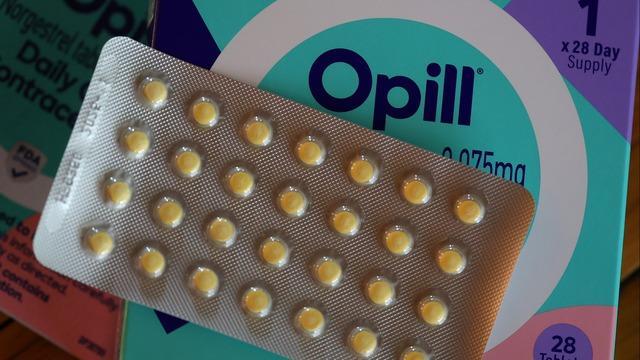
As the Supreme Court weighs access to the abortion pill, some doctors are sounding the alarm about a troubling trend of online misinformation involving birth control. Lauren Weber, health and science accountability reporter for The Washington Post, joins CBS News to explain.
The Supreme Court appeared skeptical Tuesday that a group of doctors demonstrated they had the proper basis to sue in federal court over the Food and Drug Administration's move to expand access to mifepristone, a pill used to terminate early pregnancies. Elizabeth Sepper, a law professor at the University of Texas, and Usham Upadhyay an associate professor at the University of California San Francisco, join CBS News with more.
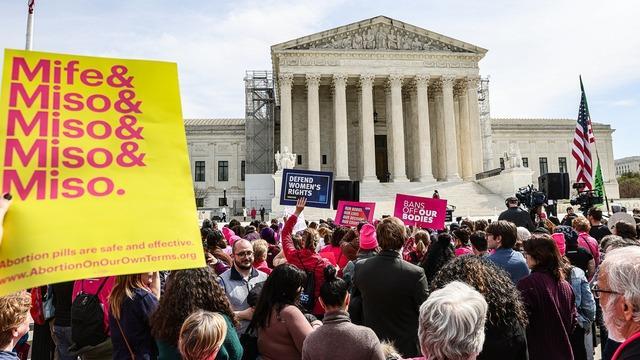
Almost two years after overturning Roe v. Wade, Supreme Court justices heard arguments on access to the widely-used abortion pill mifepristone. CBS News chief legal correspondent Jan Crawford reports. Then, legal contributor Jessica Levinson joins with analysis.
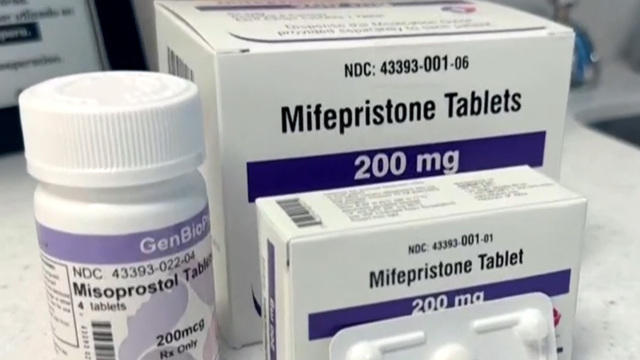
The Supreme Court on Tuesday heard arguments in a case that could upend access to a widely used abortion medication. Jan Crawford reports.

The Supreme Court on Tuesday heard arguments on access to mifepristone, a pill that's taken with another drug to terminate an early pregnancy. The high court will weigh if the Food and Drug Administration adequately considered safety when it expanded access to the medication in 2016 and 2021. Robin Nunn, a federal trial attorney, joins CBS News with more.
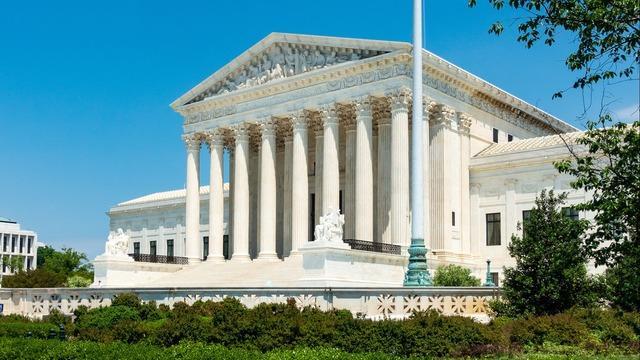
The Supreme Court heard arguments Tuesday to restrict access to the widely used abortion pill mifepristone. Some justices who voted to overturn Roe v. Wade challenged those opposing the FDA's actions to broaden access to the pill. CBS News campaign reporters Shawna Mizelle and Aaron Navarro have more.
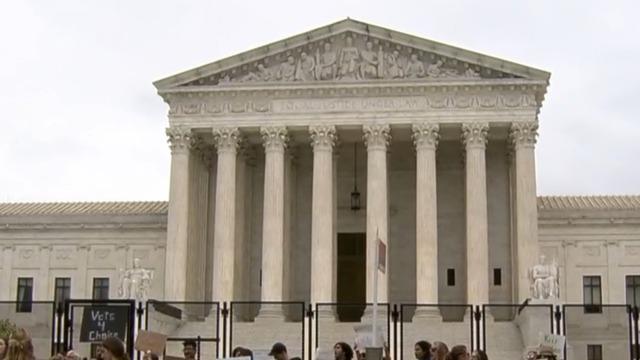
The Supreme Court will hear arguments Tuesday in a case that could decide if access to the abortion pill mifepristone should be limited. CBS News' Jan Crawford and Shawna Mizelle have more.
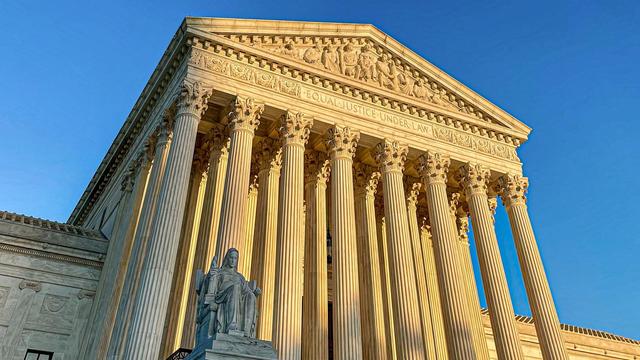
The Supreme Court is set to hear oral arguments Tuesday on access to the abortion pill mifepristone. CBS News' Major Garrett and Shawna Mizelle, and Politico legal editor James Romoser, join to discuss the legal ramifications and how the case may affect the 2024 election.

The Supreme Court on Tuesday will hear arguments in a case that could have a major impact on the availability of a medication used in more than 60% of all abortions in the U.S. Willie James Inman reports.

Karen Lynch, CEO of CVS Health, discussed her company's decision to carry the abortion pill mifepristone, and cybersecurity threats in the wake of the UnitedHealth hack.

Karen Lynch, CEO of pharmacy giant CVS Health, spoke this week about the decision to carry the abortion pill for the first time in an interview with Norah O'Donnell, anchor and managing editor of "CBS Evening News."
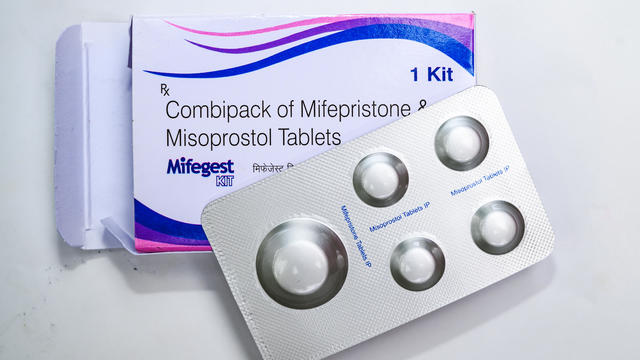
New research shows that more than six in 10 of the abortions in the U.S. last year were done through medication, up from 53% in 2020.

The Judicial Conference of the United States, the federal agency that sets guidelines for America's judiciary, has taken a major step to stop plaintiffs from seeking the most favorable judge for their case, a practice known as "judge shopping." CBS News legal contributor Jessica Levinson explains.
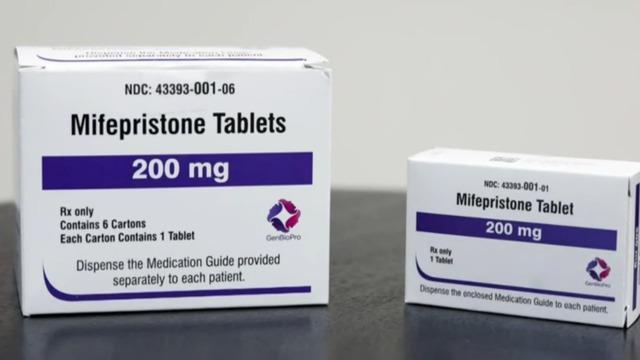
The two largest pharmacy chains in the U.S., CVS and Walgreens, will start selling the abortion pill mifepristone as soon as this month, the companies said Friday. Both companies were certified to dispense the pills following regulatory changes by the FDA. CBS News senior White House correspondent Weijia Jiang reports.
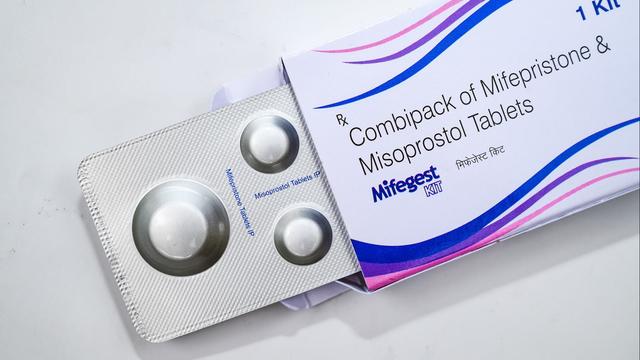
CVS and Walgreens say they will begin selling the abortion pill mifepristone in March. Lee Hasselbacher, research assistant professor at the University of Chicago, joins CBS News to discuss the move.
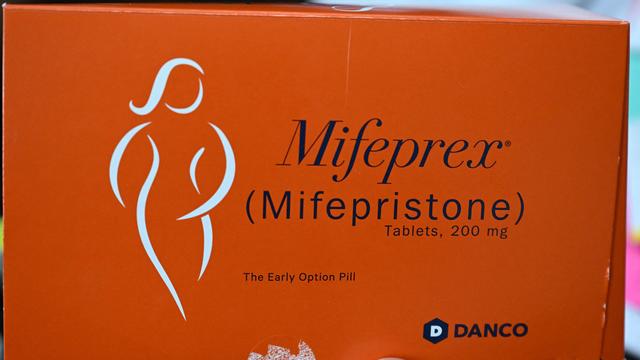
In January, the FDA changed regulations to allow retail pharmacies to sell the drug mifepristone.
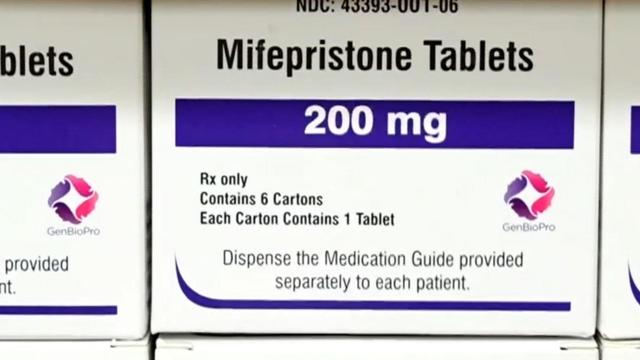
Reproductive rights advocates Friday hailed a historic decision by Walgreens and CVS to begin dispensing the abortion pill mifepristone as soon as this month. The two pharmacy chains said the prescription pill will available in states where it's legal. Nikki Battiste has more.

The Supreme Court is set to decide whether or not it will block a ruling by a Texas federal judge that would limit access to mifepristone, a pill used in more than half of abortions nationwide. Jan Crawford reports.