SpaceX capsule carries four-man crew to International Space Station
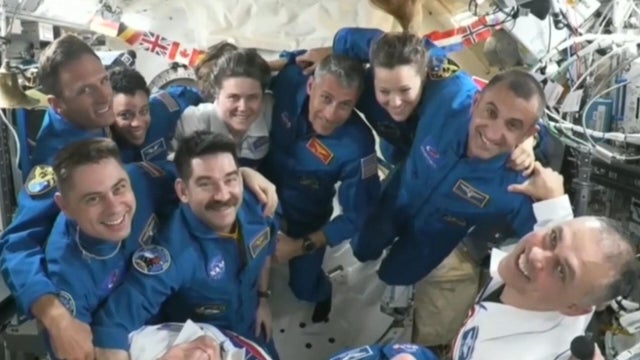
A record eight nations are currently represented aboard the International Space Station.
Watch CBS News
A record eight nations are currently represented aboard the International Space Station.

Japan's innovative "SLIM" moon lander safely touched down, but appeared to be doomed by a post-landing power loss.

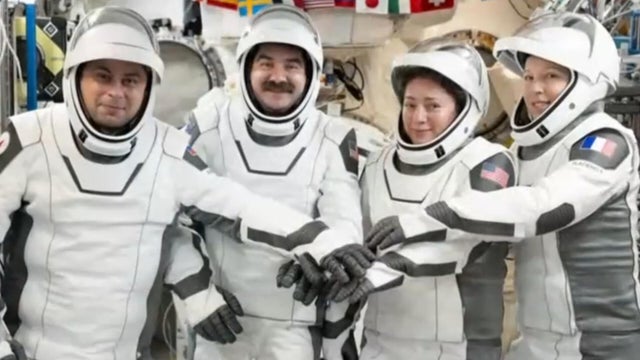
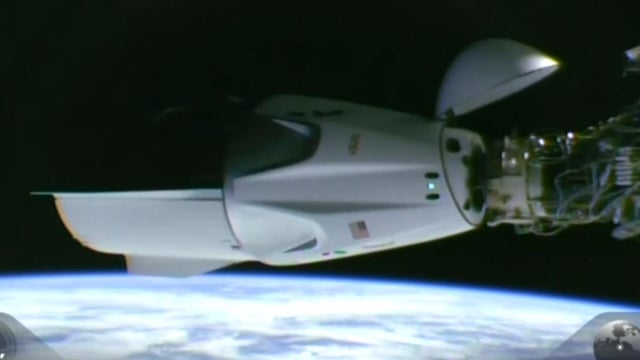
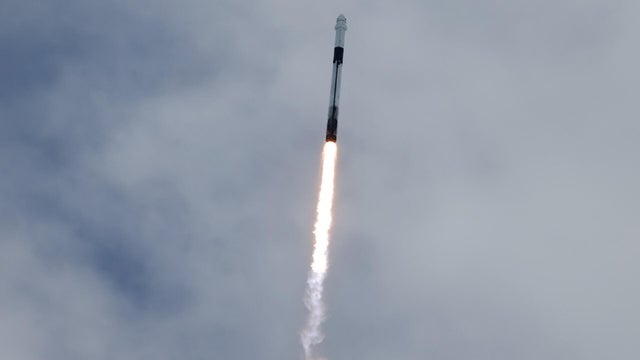
The SpaceX Falcon 9 rocket lifted off with a four-man crew that will spend two weeks aboard the International Space Station to carry out more than 30 experiments.

A one-day launch delay will give SpaceX engineers time to complete final reviews of pre-launch processing.

The flight marks the third commercial space station visit funded by Houston-based Axiom Space, and the first with an all-European crew.
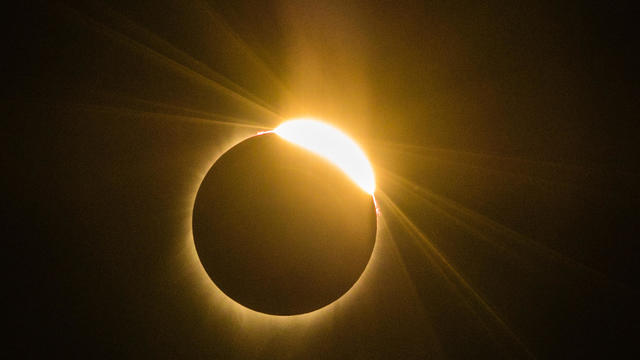
Astronomy fans can enjoy celestial events throughout 2024, looking to the sky to see full moons, meteor showers and a total solar eclipse. Here are the key dates to mark on your calendar.

NASA says the delays in plans will allow time to solve technical problems and to carry out flight tests of SpaceX's Starship moon lander.

Spacecraft-builder Astrobotic says the lander will run out of propellant Thursday, ending any chance of a planned moon landing.
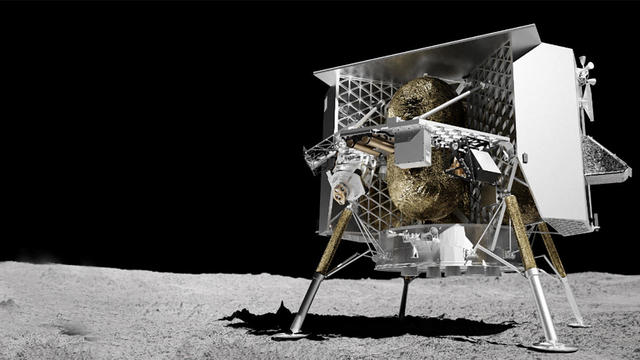
Engineers are troubleshooting an apparent propulsion system issue that threatens a planned moon landing next month.
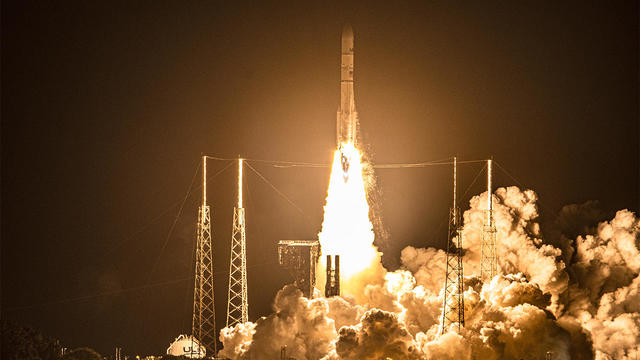
Pittsburgh-based Astrobotic's Peregrine is the first U.S. spacecraft to attempt a moon landing in more than 50 years.

NASA's spacecraft Juno did a flyby of Jupiter's moon Io to learn more about the lunar body's volcanic activity.

SpaceX launches two rockets less than three hours apart to put a military spaceplane and 23 more Starlink internet satellites into orbit.

These missions are headed not just to Earth's moon, but moons of Mars and Jupiter — and a pair of asteroids.
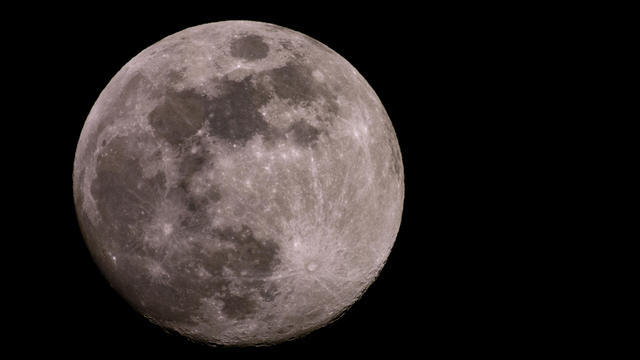
December's full moon, also known as the Cold Moon and Long Night Moon, will reach peak illumination on Tuesday at 7:33 p.m. ET.
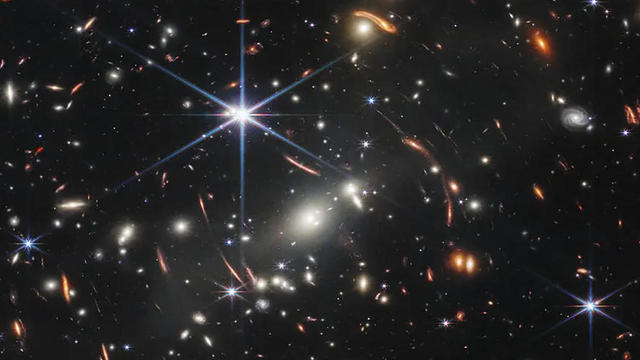
In the two years since the telescope was blasted into orbit, it has performed like a champ, capturing phenomenal images of the heavens and collecting data about distant planets – and scientists say it will continue for decades.