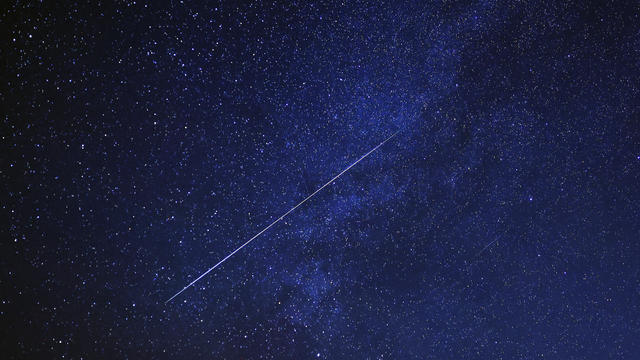
When and where to see the Ursids, last meteor shower to peak in 2023
NASA described the Ursids as "a meteor shower for diehards only." It is set to peak Thursday night into Friday morning.
Watch CBS News
NASA described the Ursids as "a meteor shower for diehards only." It is set to peak Thursday night into Friday morning.

The dazzling green tree with seemingly sparkling blue and white lights was found in the Milky Way and is a formation of young stars – some bigger than the sun.

The launch was Blue Origin's first since an engine nozzle failed in September 2022, triggering a dramatic in-flight abort.

Perseverance, which landed on Mars in 2021, has been exploring the planet for signs of ancient life.

SpaceX tentatively plans to make another attempt to launch a Falcon Heavy rocket and a less-powerful Falcon 9 on Tuesday.

Astronauts in the International Space Station said they found the rogue fruit, dispelling claims that astronaut Frank Rubio ate it.
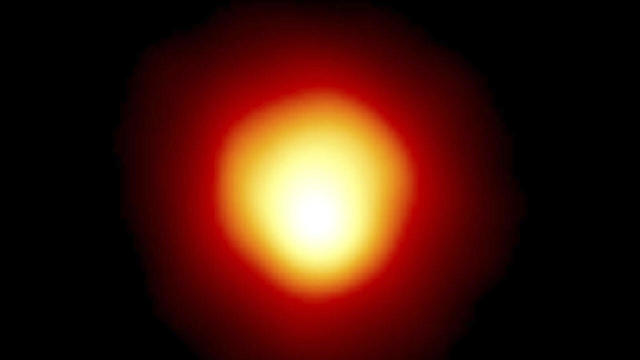
Betelgeuse, one of the biggest and brightest stars in the night sky, will momentarily vanish as an asteroid passes in front of it to produce a one-of-a-kind eclipse.

A guidance system problem during final approach prompted two space station cosmonauts to take over by remote control.

NASA is facing challenges with SpaceX's moon lander and the new Axiom spacesuits for moonwalkers.
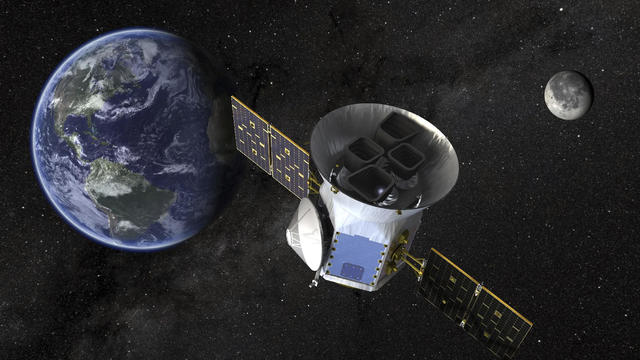
Astronomers have discovered six planets orbiting a bright, nearby star in perfect synchrony like a grand cosmic orchestra.

NASA revealed multiple new panoramic images of clouds and dust in Mars' skies, as well as one of its tiny two moons, taken last May.

North Korea attempted to launch a surveillance satellite into orbit two other times this year without success.
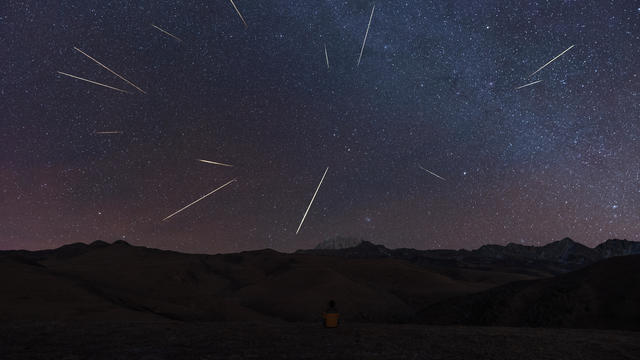
The Geminids, one of the best and most reliable meteor showers of the year, is peaking tonight. Here's when and where stargazers can see the meteor shower.
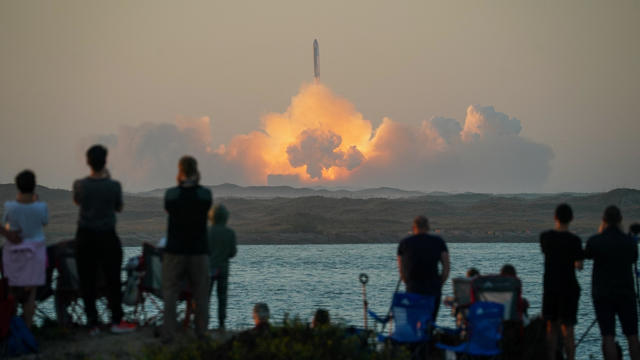
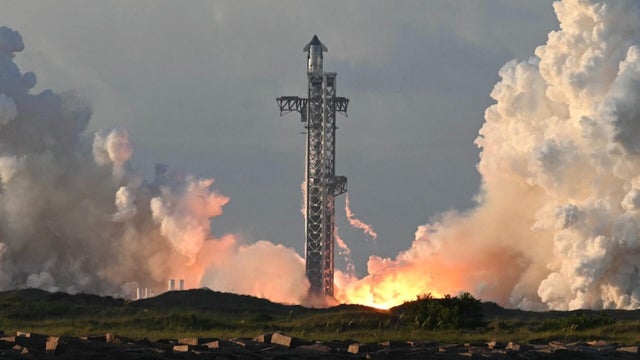
Seven months after a catastrophic failure, SpaceX launched its Super Heavy-Starship, the most powerful rocket ever built, but once again ran into problems.
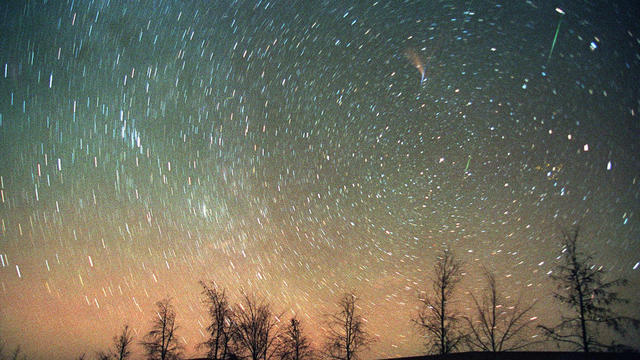
The Leonid meteor showers are fast – streaking by at 44 miles per second, according to NASA. Still, some stargazers can see them at their peak this week.