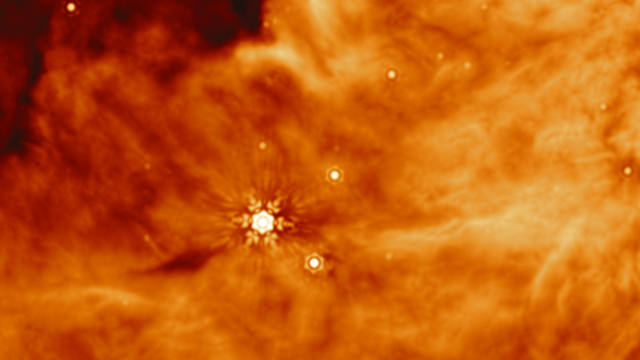
Why NASA is connecting baby stars with margarita ingredients
Chemical ingredients identified around protostars, known as IRAS 2A and IRAS 23385, are tied to familiar parts of life on Earth: margaritas, vinegar and ant stings, NASA said.
Watch CBS News
Chemical ingredients identified around protostars, known as IRAS 2A and IRAS 23385, are tied to familiar parts of life on Earth: margaritas, vinegar and ant stings, NASA said.
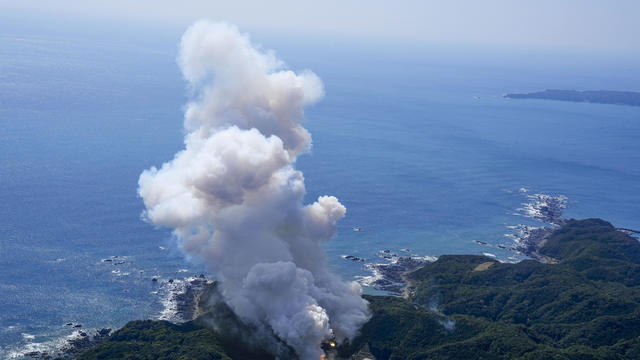
Japanese company Space One is probing what went wrong after it was forced to explode a rocket shortly after liftoff on a mission meant to be Japan's first private sector success at putting a satellite into orbit.
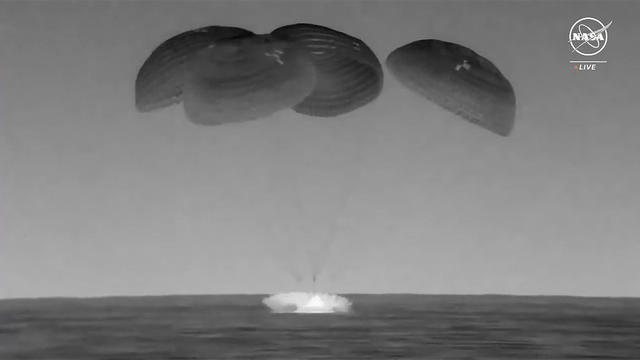
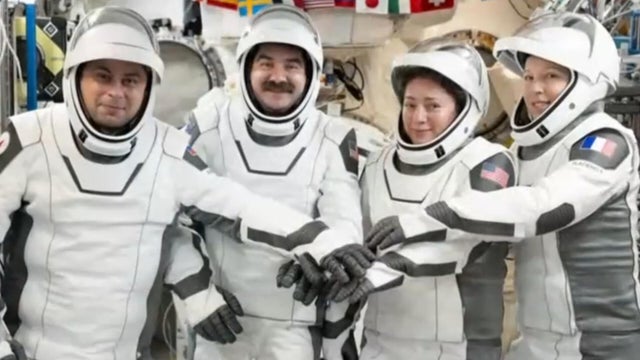
Splashdown in the Gulf of Mexico closed out a 199-day mission spanning 3,184 orbits and 84.4 million miles.
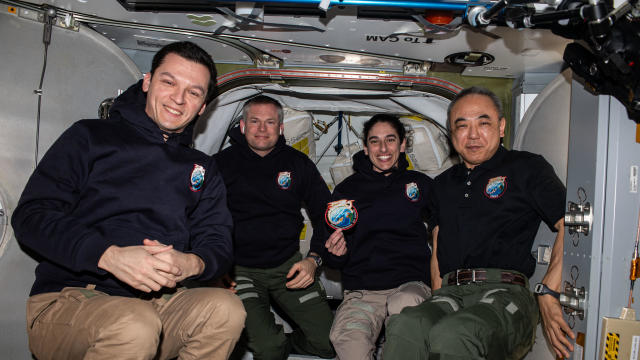
The International Space Station crew members are expected to splash down near the Florida Panhandle to close out a nearly 200-day stay in space.
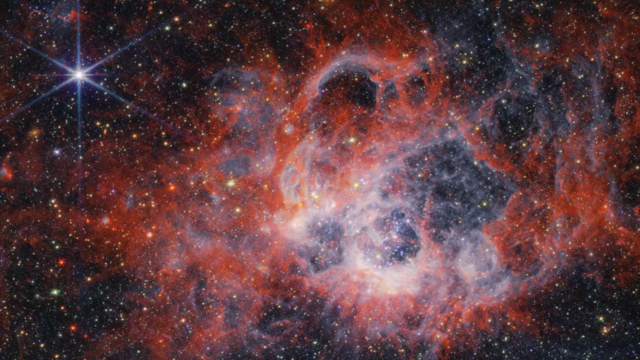
Two new images from the James Webb Space Telescope offer an unprecedented view of a stellar nursery in the Triangulum galaxy, about 2.73 million light-years away.
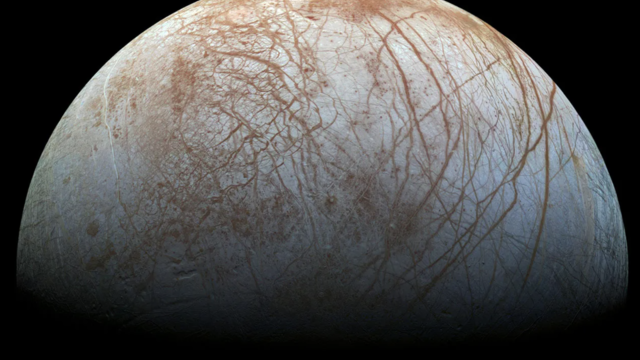
A new study suggests there is less oxygen on the icy surface of Jupiter's moon Europa than scientists previously thought.
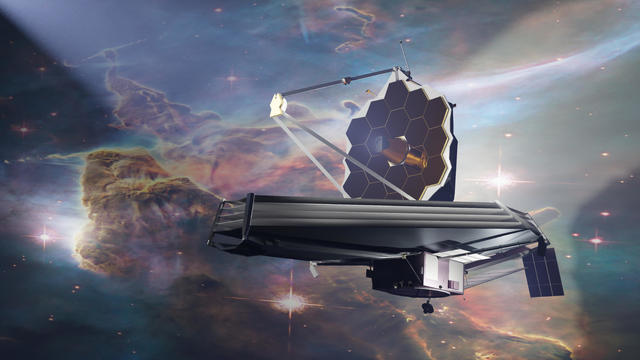
Two teams of researchers studying a galaxy through NASA's James Webb Space Telescope spotted the most distant active supermassive black hole ever found.

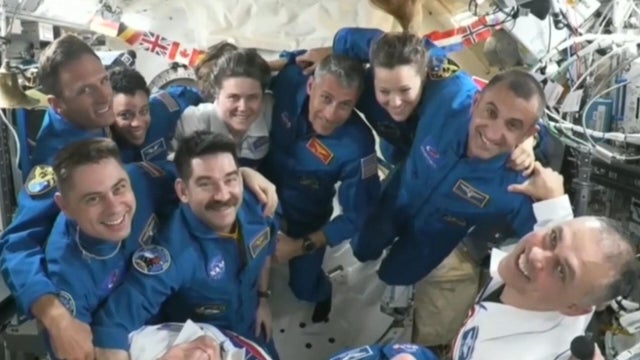
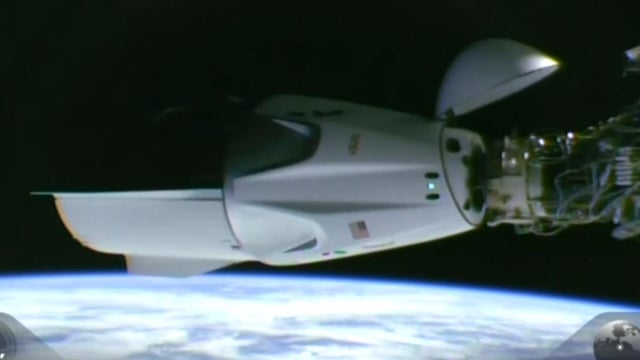
The arrival of Crew 8 sets the stage for four other Crew Dragon fliers to return to Earth next week to wrap up a nearly 200-day flight.

SpaceX launched three Falcon 9 rockets within 20 hours, including two Monday just one hour and 50 minutes apart.

The Crew 8 launch is first of two planned crew rotation flights needed to replace five of the lab's seven long-duration fliers.

With an on-time launch Sunday, the Crew 8 fliers will reach the International Space Station early Tuesday.

The four Crew 8 fliers will make another attempt to get off the ground Sunday.

Astronomers have discovered three small moons at the farthest planets of our solar system — two circling Neptune and one around Uranus.

Rough seas and high winds prompt NASA to delay launch of three-man one-woman crew to the International Space Station.

Odysseus, the first U.S. spacecraft to land on the moon in more than 50 years, is still working — but not for long.