Space agency shows where satellite crashed through Earth's atmosphere
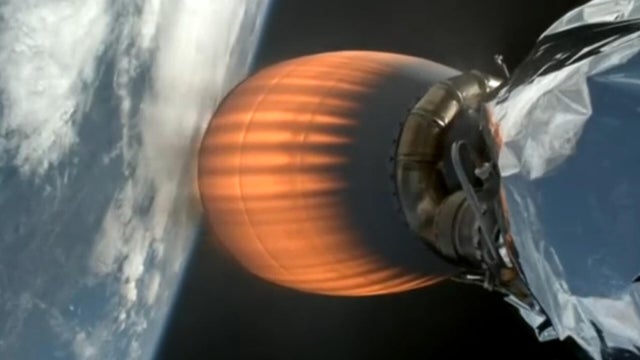
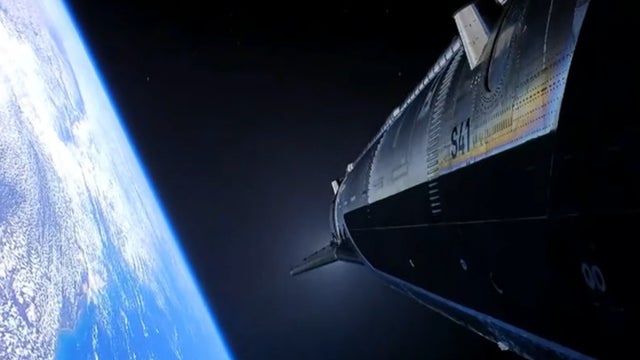
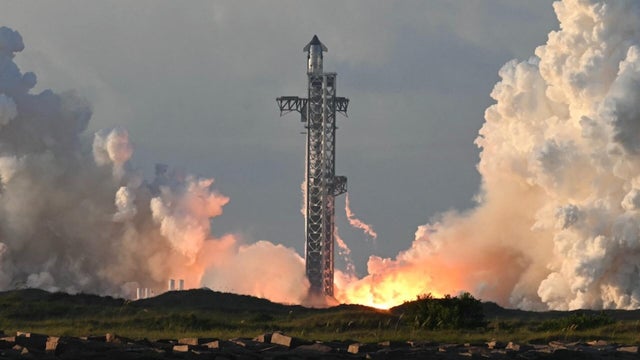
A satellite weighing about as much as an adult male rhinoceros re-entered Earth's atmosphere today over the north Pacific Ocean between Alaska and Hawaii.
Watch CBS News
A satellite weighing about as much as an adult male rhinoceros re-entered Earth's atmosphere today over the north Pacific Ocean between Alaska and Hawaii.
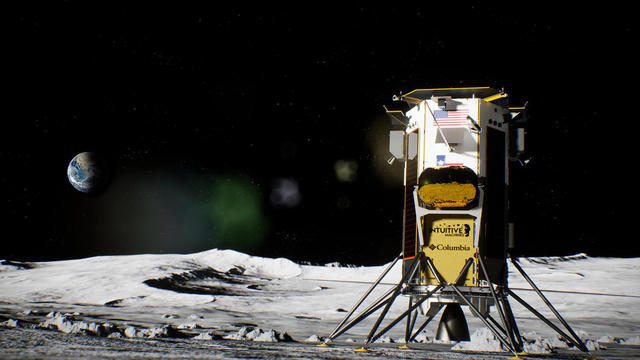
Now in lunar orbit, Intuitive Machines' Odysseus lander will attempt a touchdown near the moon's south pole Thursday.
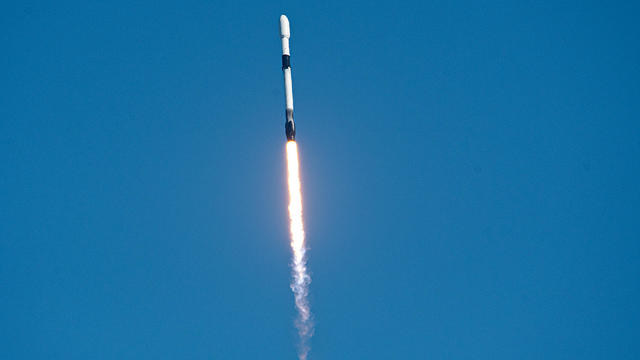
SpaceX is maintaining a rapid-fire launch pace while gearing up to launch four fresh crew members to the International Space Station.

Delta Air Lines is offering a special flight from Austin, Texas, to Detroit to see the April 8 eclipse from the air.

Ever wonder what it's like to live on Mars? Now, you can apply to try out life on the Red Planet. Here's how to qualify.
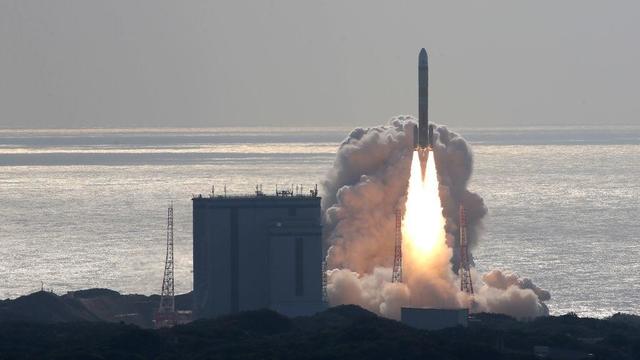
The launch is a boost for Japan's space program following a recent streak of successes, including a historic precision touchdown on the moon of an unmanned spacecraft last month.
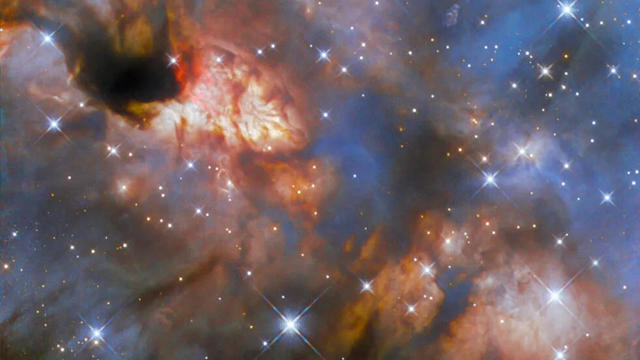
The Hubble Space Telescope captured a bold photo of the likely star forming about 5,900 light-years from Earth.
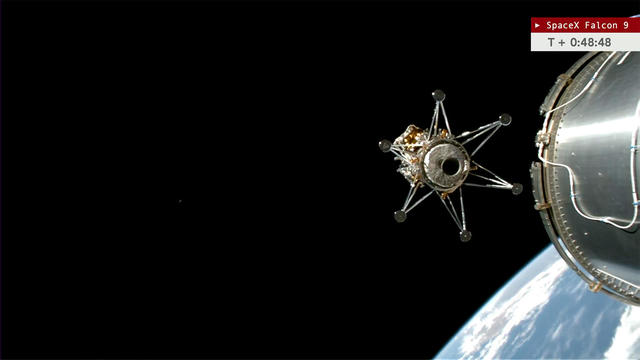
Intuitive Machines' Odysseus lander aims to be the first U.S. vehicle to land on the moon in more than 50 years.
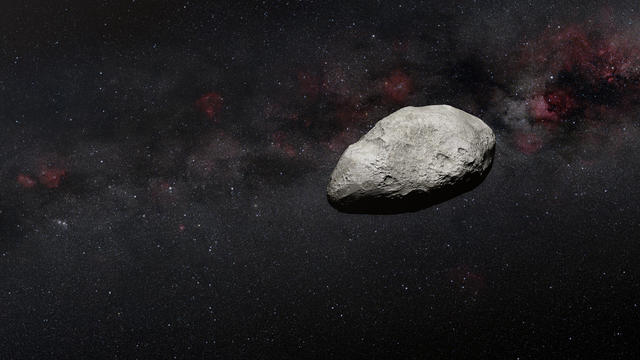
Scientists studied four asteroids that were rich in silicate, and found molecular water on two of them.
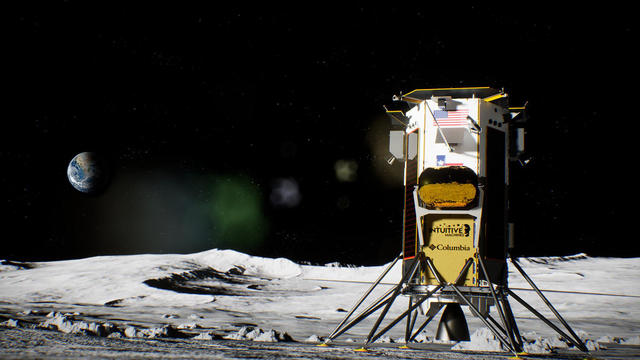
A technical glitch forces a 24-hour launch delay for Intuitive Machines' Odysseus moon lander launch.
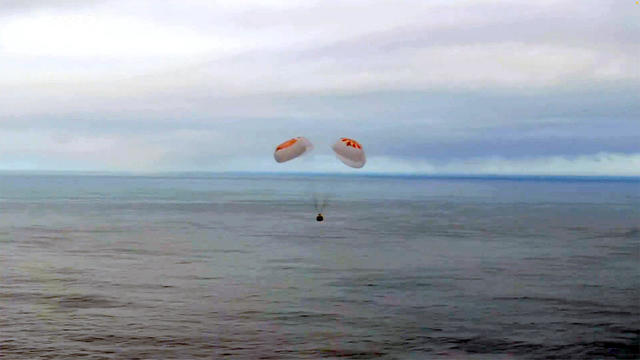
The third commercial station flight chartered by Houston-based Axiom Space ends with picture-perfect Atlantic Ocean splashdown.
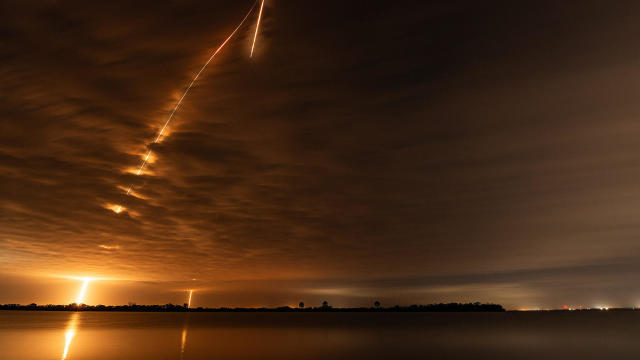
The spacecraft's instruments will study how Earth's oceans, atmosphere and land masses interact and how that interaction impacts climate change.
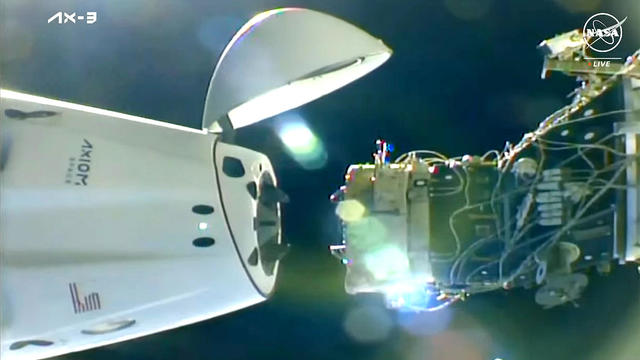
After multiple weather delays, the Ax-3 crew was cleared for undocking and return to Earth on Friday to close out an extended mission.
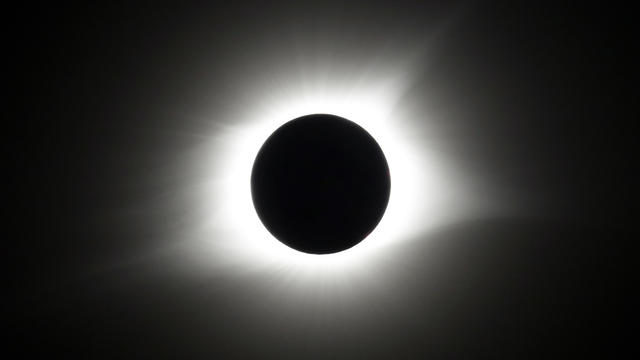
About 31.6 million people live in the path of today's total solar eclipse across the U.S., and millions more will see a partial eclipse. Here's how and where to see it.
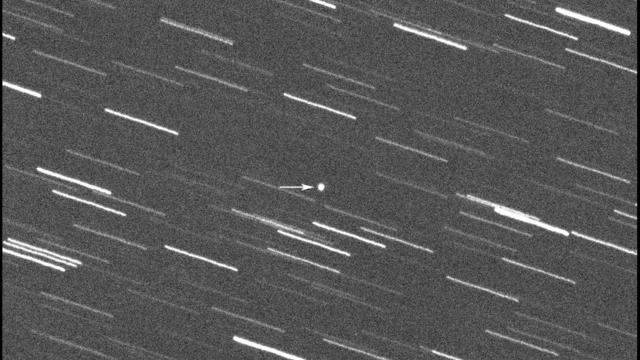
NASA estimates the biggest asteroid headed our way is between 690 feet and 1,575 feet across.