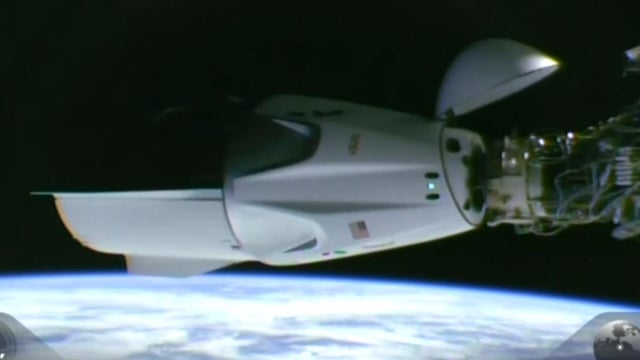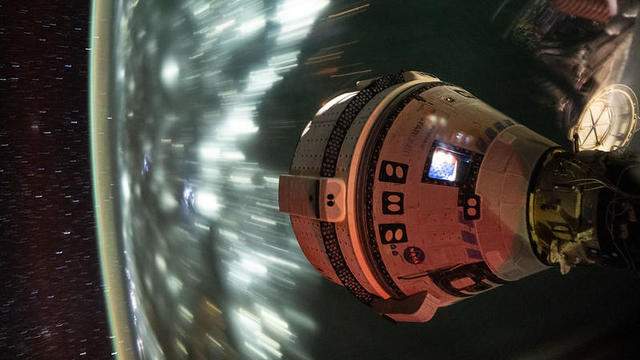
NASA says Starliner landing decision possible next week
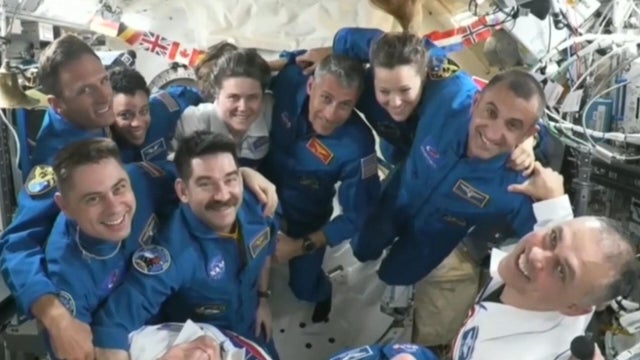
Seventy-one days after launch, NASA finally nears a decision on whether Boeing's Starliner will return to Earth with, or without, a crew.
Watch CBS News
Seventy-one days after launch, NASA finally nears a decision on whether Boeing's Starliner will return to Earth with, or without, a crew.

The historic, privately financed space flight will carry humans above Earth's ice caps for the first time.

The Perseid meteor shower peaked in the night skies of Sunday into Monday, giving astronomy fans one of the best shows of 2024 as they looked to the skies.
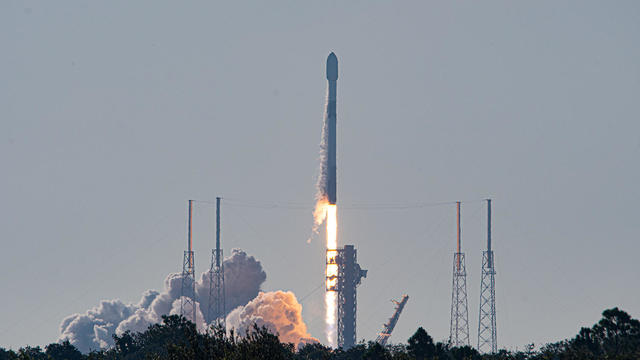
It was the 187th launch of the company's Starlink internet relay satellites.
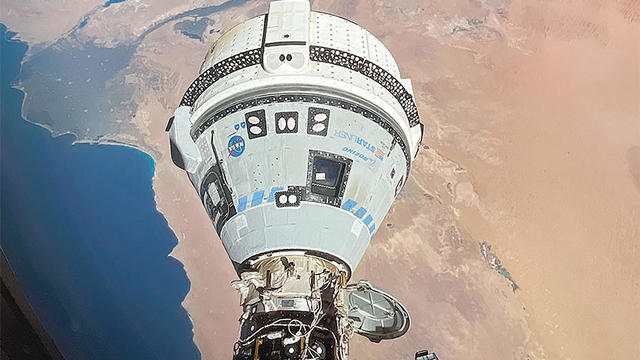
No final decisions have been made and NASA remains hopeful ongoing tests will show the Starliner can safely return its crew to Earth.
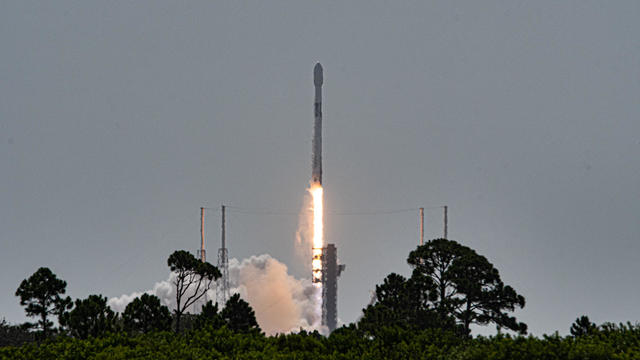
The Cygnus spacecraft will catch up with the space station on Tuesday, bringing more than 4 tons of needed supplies and equipment.
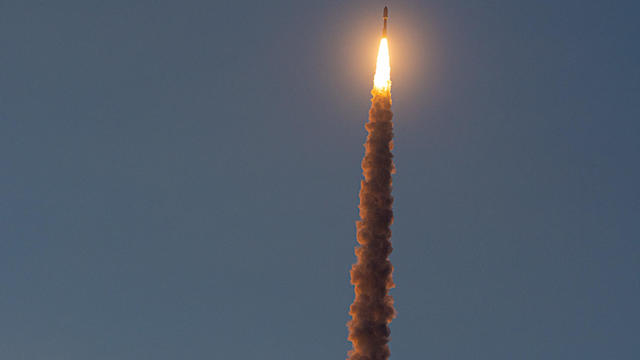
Tuesday's flight was the Atlas 5's final national security mission as builder United Launch Alliance transitions to new Vulcan rockets.
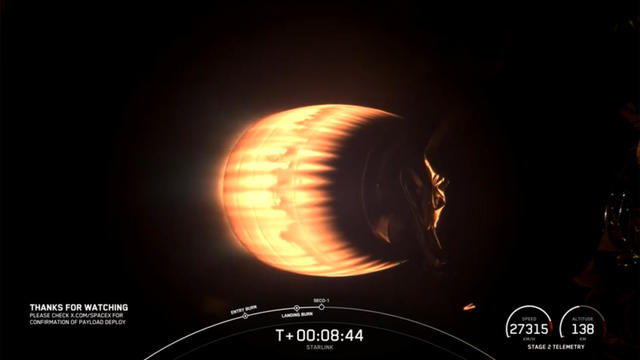
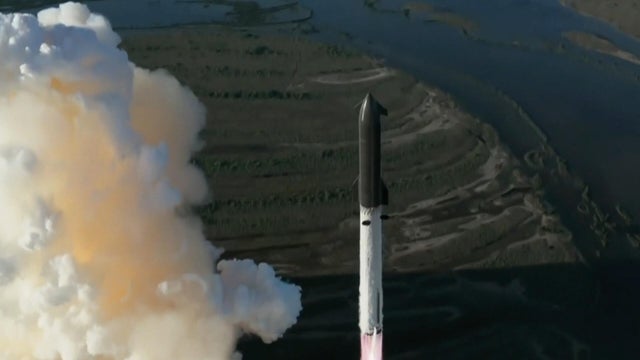
SpaceX put 67 Starlinks into orbit while Boeing carried out successful tests of its Starliner capsule.
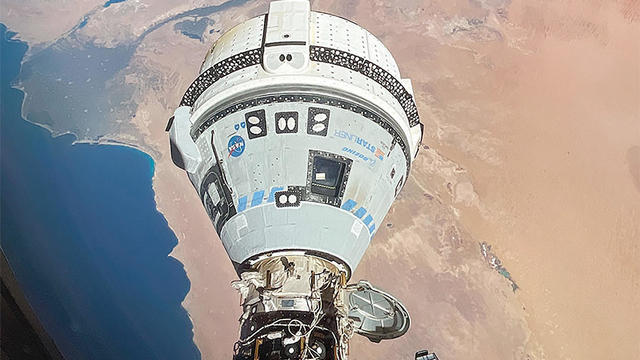
NASA and Boeing managers are increasingly confident the Starliner capsule is good to go for re-entry and landing.
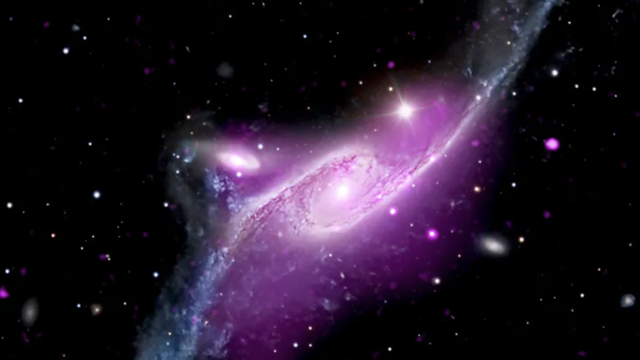
The Chandra X-ray observatory was launched on July 23, 1999.
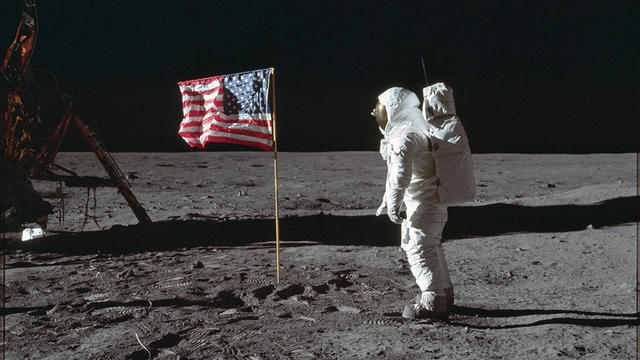
The cosmos is providing a full moon for the 55th anniversary of the first lunar landing this weekend, and plenty of other events honor Neil Armstrong and Buzz Aldrin's giant leap.

The full moon, also known as the Thunder Moon, will last three days, peaking on Sunday morning.
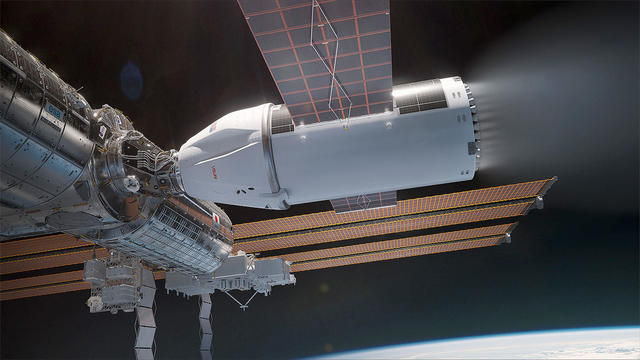
NASA says the Deorbit Vehicle will drive the lab to a controlled re-entry and breakup in 2030 to close out three decades of operation.

Rain already falls on Venus, but it took more than 14 minutes for Missy Elliott's The Rain (Supa Dupa Fly)" to reach the planet.
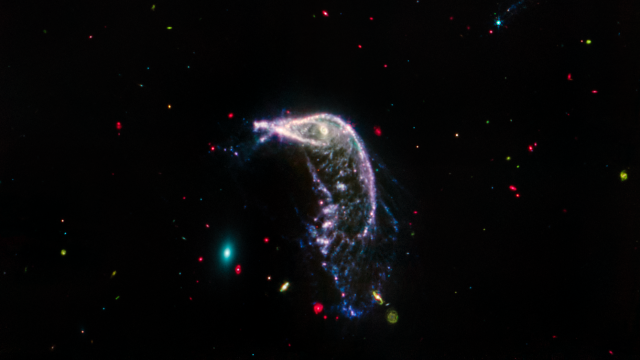
The image released Friday depicts two merging galaxies, nicknamed "the Penguin and the Egg," that are about 100,000 light years apart, a surprisingly close distance in astronomical terms.