New space object called "black hole star" discovered by astronomers
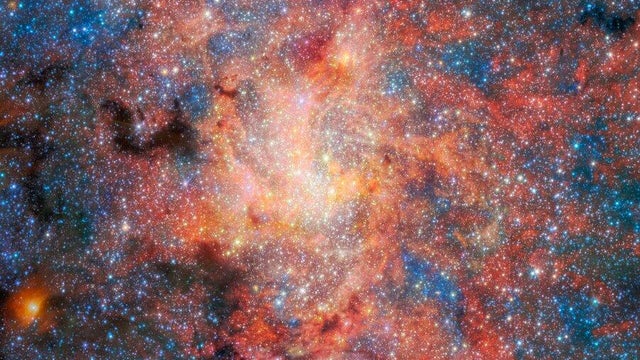
The newly discovered object looks like a star the size of our solar system, but produces 100 billion times more energy than any star.
Watch CBS News
The newly discovered object looks like a star the size of our solar system, but produces 100 billion times more energy than any star.
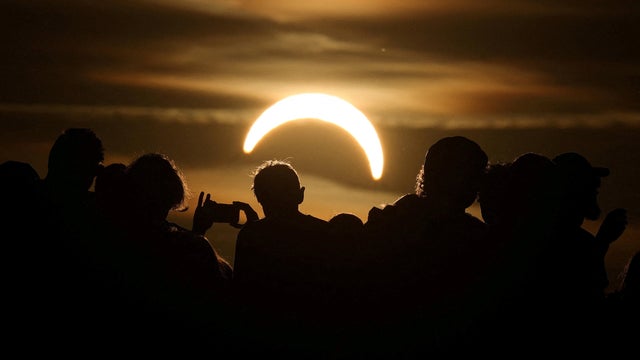
The only total solar eclipse of 2026 crossed the Northern Hemisphere Wednesday, with a path of totality across parts of Greenland, Iceland and northern Spain. See photos and video from the best viewing locations.
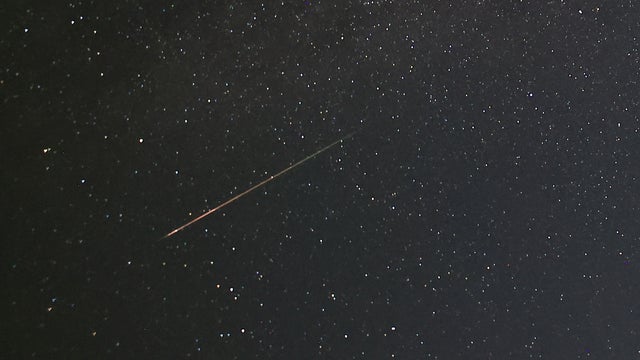
The Perseid meteor shower is the best viewing all year, according to NASA.
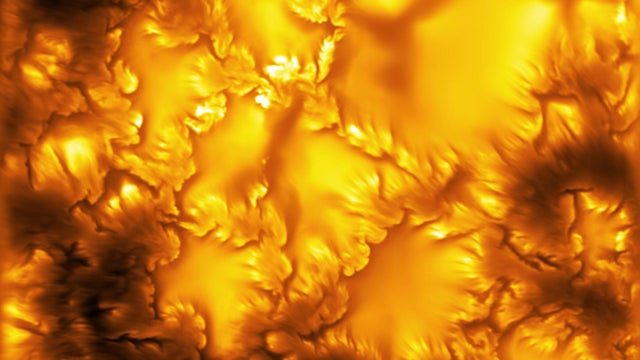
Researchers were able to peek at the sun's scorching surface with the help of the National Science Foundation's Daniel K. Inouye Solar Telescope, located on the island of Maui in Hawaii.
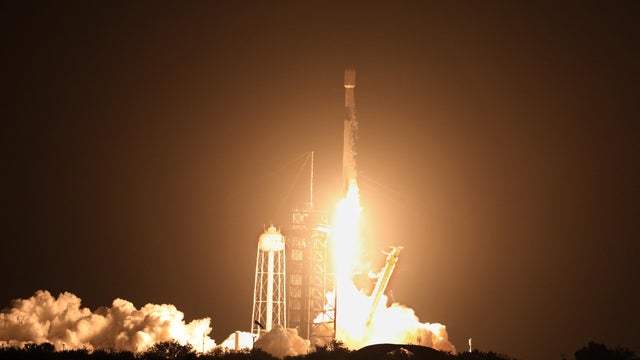
The impact wasn't visible to the naked eye, but photos are expected to come from a lunar satellite at a later time.
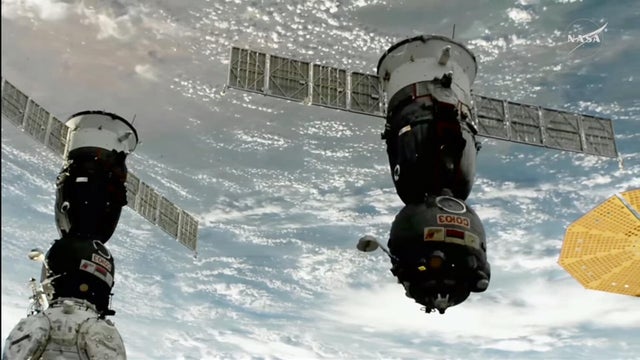
The Soyuz MS-28 landing in Kazakhstan brought a 241-day stay in space to a successful conclusion.
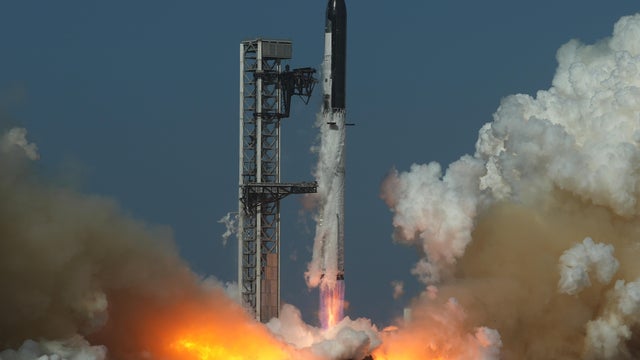
An upgraded version of the world's most powerful rocket is key to landing NASA astronauts on the moon in the agency's Artemis program.
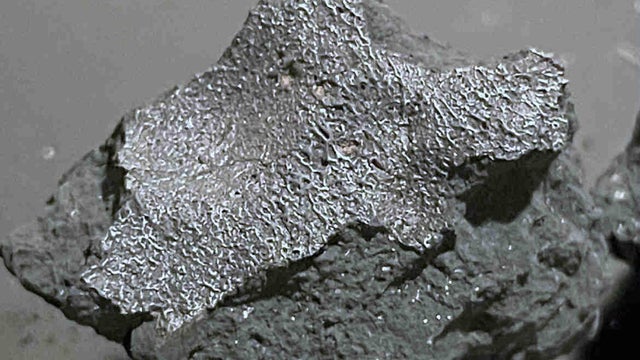
When scientists examined the preserved fragments of a meteorite that crashed in 2024, they found brine-like fluids and key molecules.
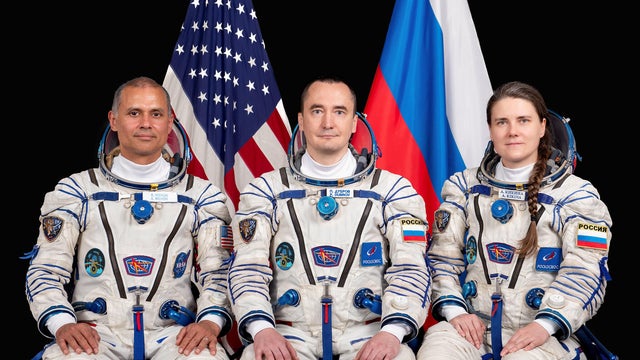
The new crew will replace three other Soyuz fliers wrapping up a 240-day stay aboard the International Space Station.
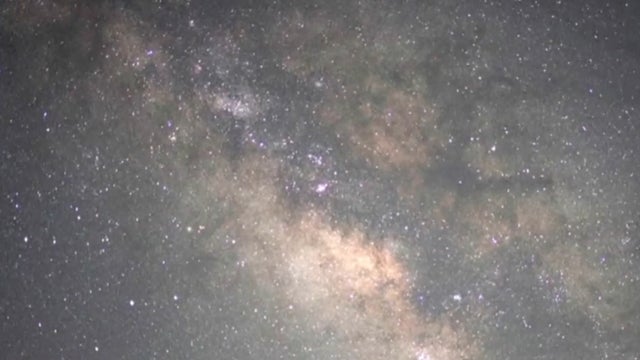
The sugar, called erythrulose, lurks in what's called the interstellar medium: thin clouds of gas and dust littered between stars.
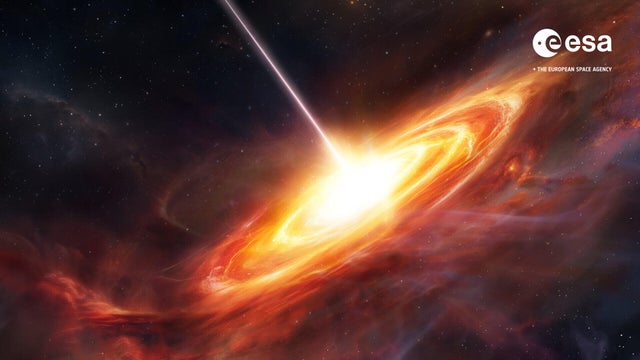
Quasars — the brightest objects in the universe — are powered by supermassive black holes at the heart of early galaxies.
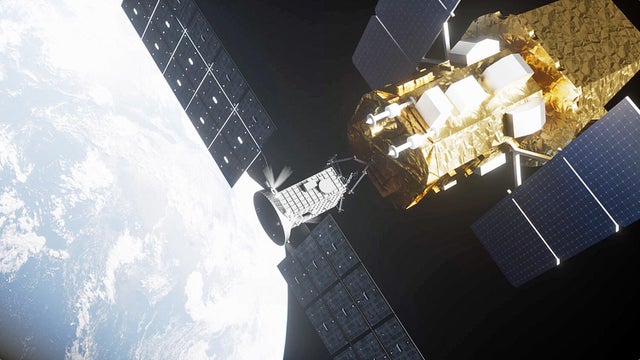
Katalyst Space's LINK spacecraft is designed to capture and boost NASA's Swift observatory back to a safe altitude.
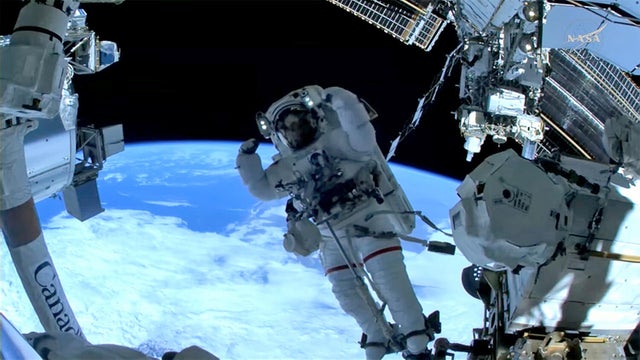
The orbital surgery on the International Space Station returned the Canadian-built robot arm to full health after its "wrist" joint failed last month.
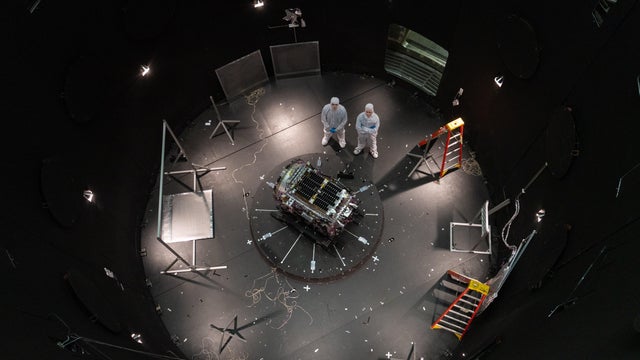
The $30 million salvage operation gets underway as soon as this week with the planned launch of a robotic lifesaver.
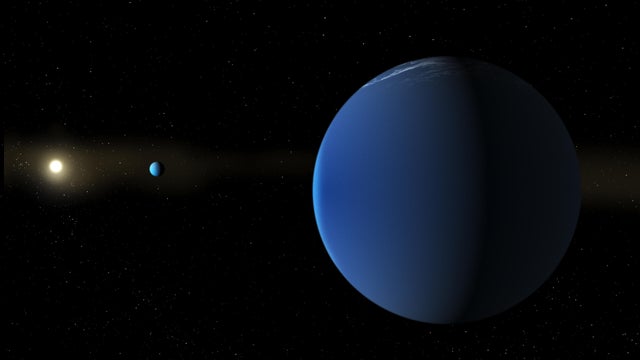
The featherweight pair — orbiting a star 1,110 light-years away — are the biggest exoplanets found to have less density than cotton candy.