Will Fed raise interest rates again this week? Here's what to expect.
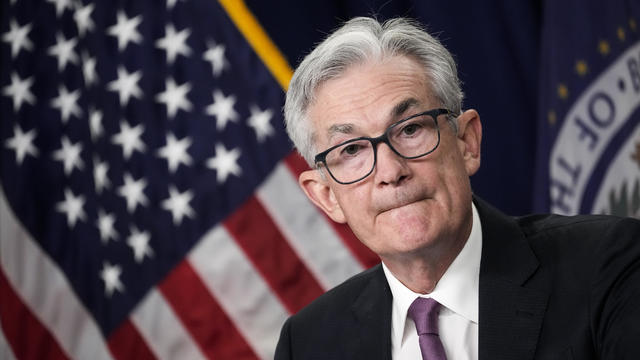
Central bank officials will announce on Wednesday if they are hiking the federal funds rate for a 10th consecutive time.
Watch CBS News
Central bank officials will announce on Wednesday if they are hiking the federal funds rate for a 10th consecutive time.
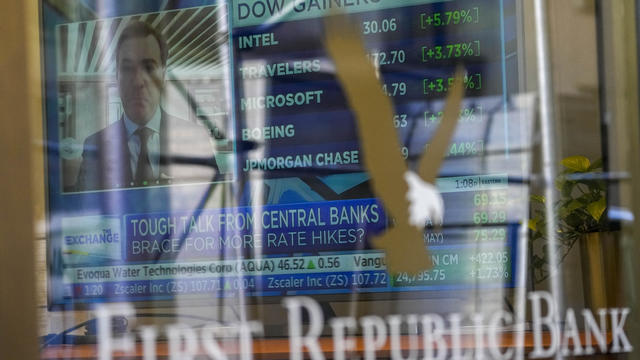
The regional lender, whose collapse is the second-biggest bank failure in U.S. history, is the third bank to be seized by regulators since March.
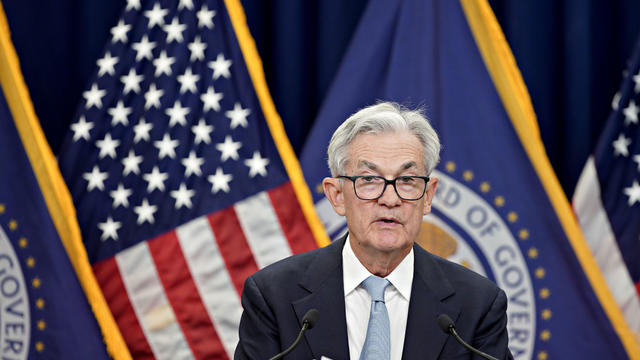
The U.S. central bank eases up its efforts to curb inflation amid concerns about banking industry risks.
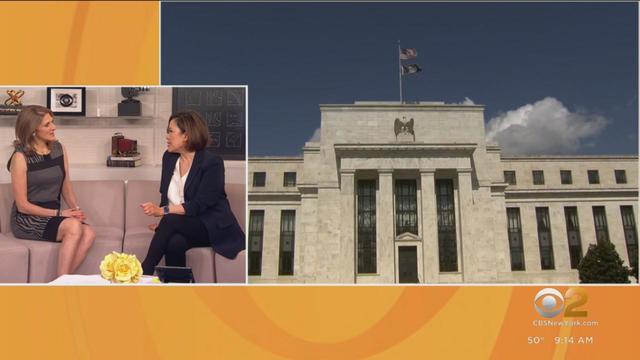
The Federal Reserve will announce Wednesday whether interest rates are going up again. We hear from CBS News Business Analyst Jill Schlesinger for what to expect.
All deposit accounts at Silicon Valley Bank and Signature Bank in New York will be guaranteed, the Federal Reserve, Treasury Dept. and FDIC said in a joint statement.
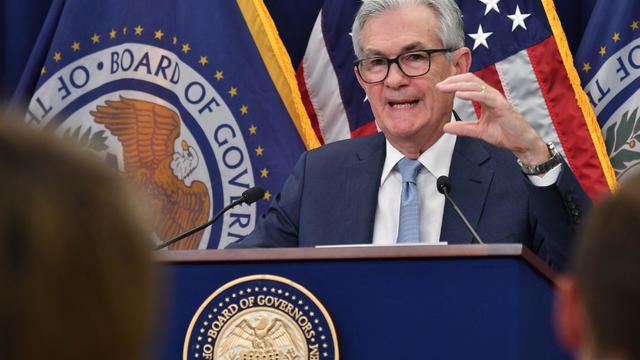
While the central bank is slowing its rate increases, Jerome Powell told investors not to expect lower rates this year.
If Congress doesn't act, financial experts warn interest rates could go up on loans and mortgages, and the stock market could be in for another bumpy ride.
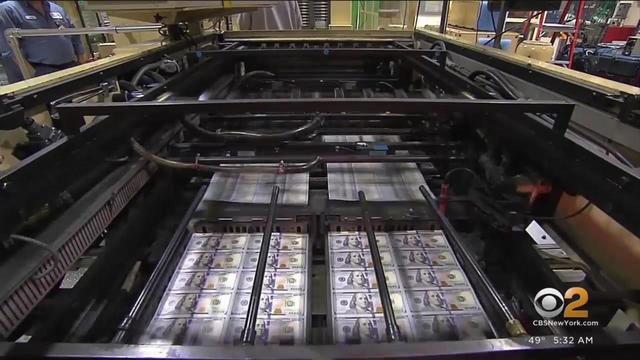
A slight decrease is expected, but it will still be a long way from the feds goal of 2%. CBS2's John Dias has the details.
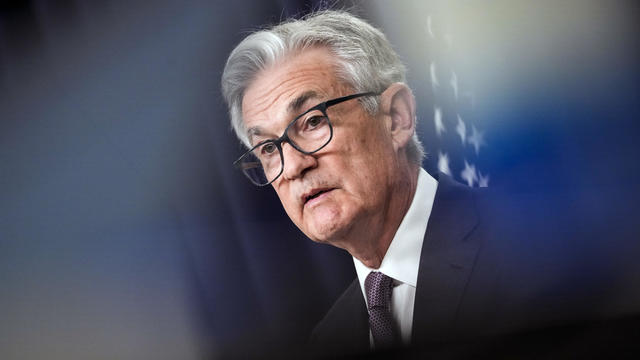
Latest jump is the fourth supersized rate hike this year, as the central bank tries to subdue stubbornly high inflation.
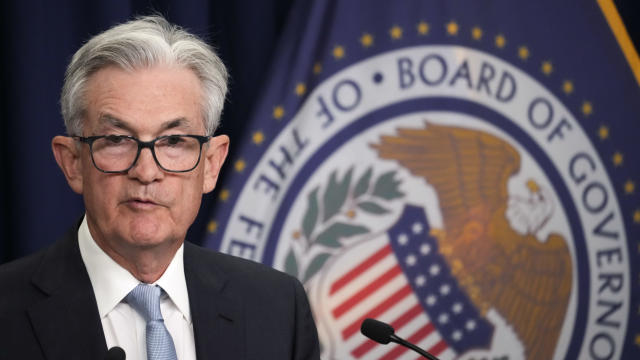
The central bank said it is boosting rates by 0.75 percentage point. Expect to pay more for credit card debt and loans.
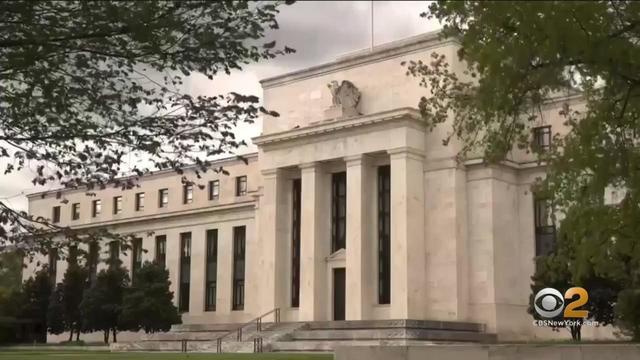
The economy shrank again in the second quarter, fueling debate about whether or not the country is in a recession. CBS News reports.
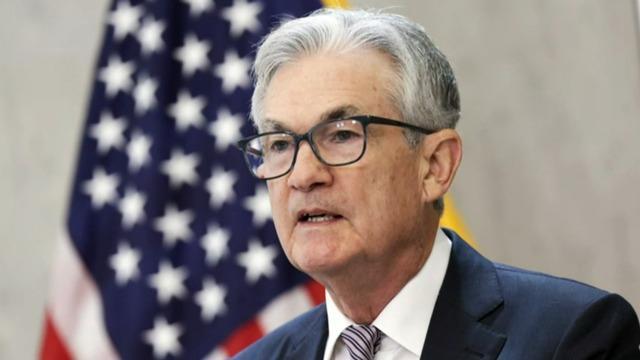
The Federal Reserve, as expected, announced it is raising interest rates by three-quarters of a percentage point to help tamp down inflation. CBS News' Tanya Rivero and Christina Ruffini get analysis of the economic and political impact from Ted Rossman, senior industry analyst at Bankrate.com; CBS News political correspondent Caitlin Huey-Burns; and Michelle Singletary, Washington Post personal finance columnist.
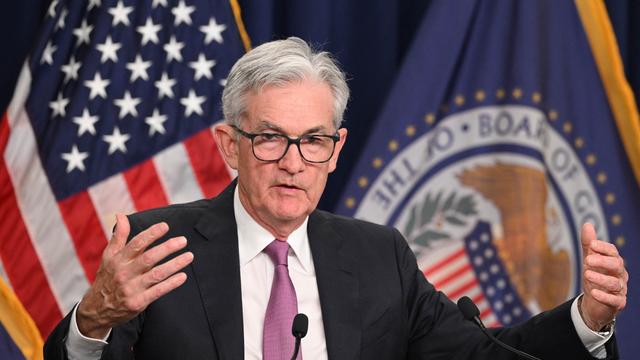
The rise in the federal funds rate, which is what banks charge each other for overnight loans, comes as several significant pieces of economic data are released this week.
The move is meant to curb historically high inflation.
As CBS2's John Dias reports, there are a number of factors contributing to this key week for the state of the economy.
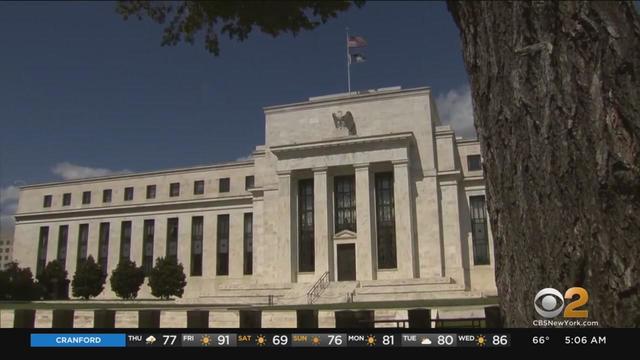
This comes as Americans see consumer prices skyrocket on everything from groceries to gas. CBS2's Elijah Westbrook reports.
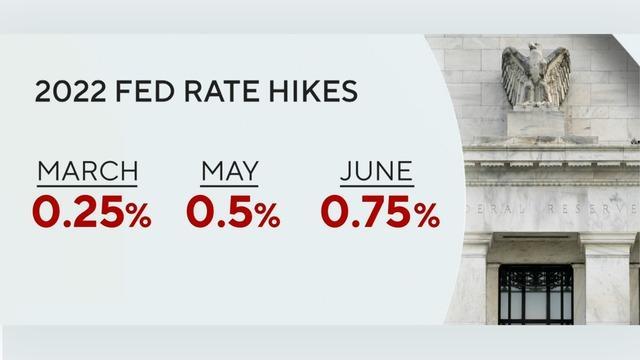
Move comes in an effort to put the breaks on rising costs, but it means loans and credit cards will cost more.
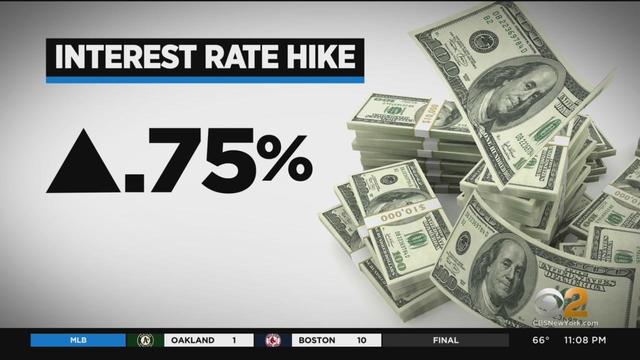
CBS2's Nick Caloway has more on what this could mean for your wallet and investments.
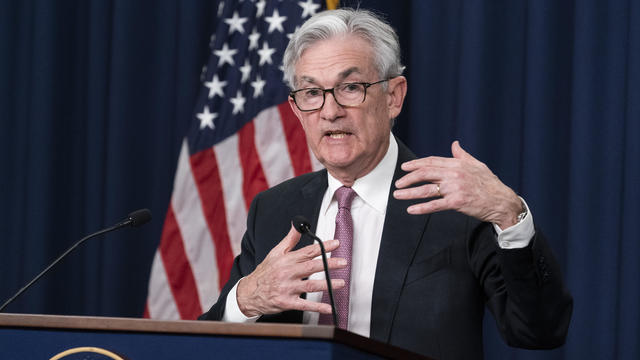
"Inflation is much too high," Fed Chair Jay Powell said of the U.S. central bank's largest rate hike since 1994.

Markets tried to shake off Monday's massive losses. On Tuesday, the S&P 500 fell yet again.

Dr. Giacomo Santangelo makes some painful predictions after an already difficult pandemic
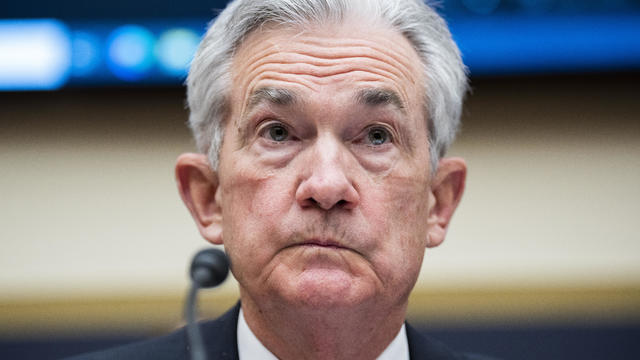
Economists expect a sharp increase in borrowing costs. That could impact credit cards, loans and other debt.
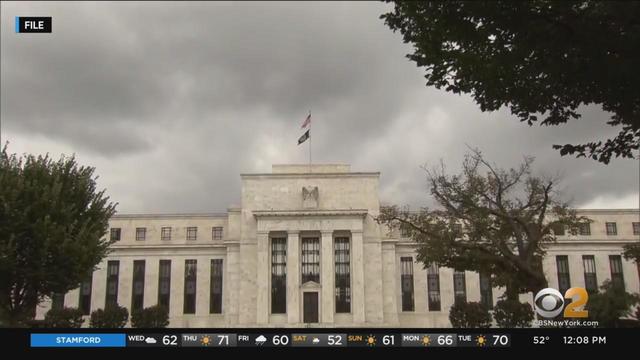
Consumers could soon feel a bigger squeeze on credit cards, debts and mortgages.

Many consumers are going to feel a tighter squeeze after the Federal Reserve announced Wednesday it's raising interest rates.
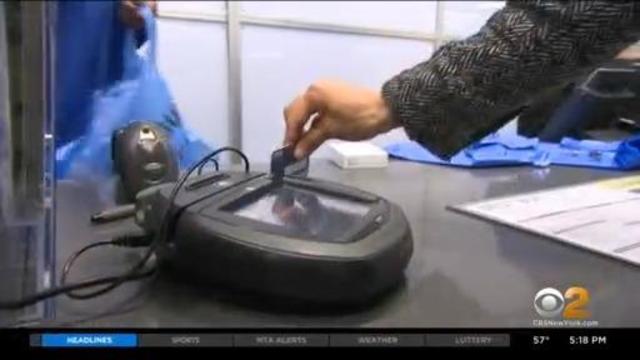
Many consumers are going to feel a tighter squeeze after the Federal Reserve announced Wednesday it's raising interest rates. It's the first hike since 2018, and it's meant to combat soaring inflation; CBS2's Meg Baker reports.