What is microdosing?
It's a term that's being thrown around a lot these days. Some think it's a social thing, others a medical thing.
Watch CBS News
It's a term that's being thrown around a lot these days. Some think it's a social thing, others a medical thing.
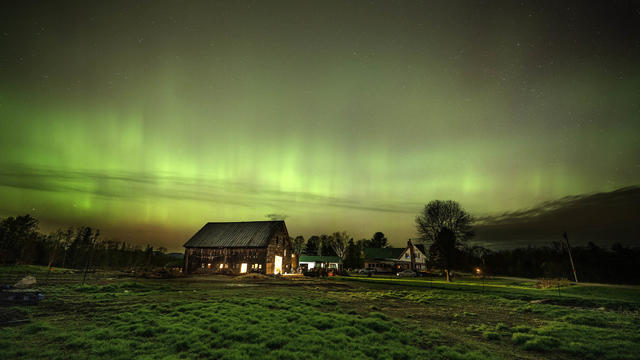
The northern lights could dazzle millions of Americans in some northern states this weekend.
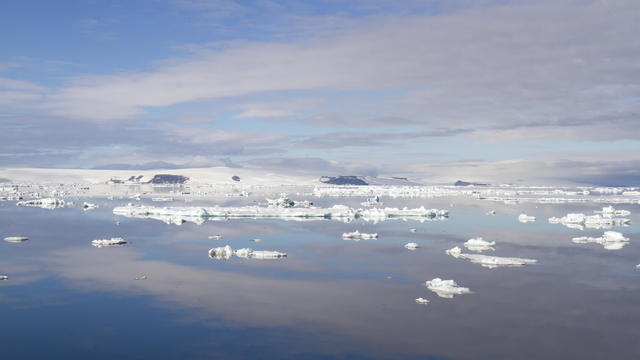
Scientists from the International Thwaites Glacier Collaboration warn of a "grim outlook" for the Thwaites Glacier, also known as the "Doomsday Glacier."
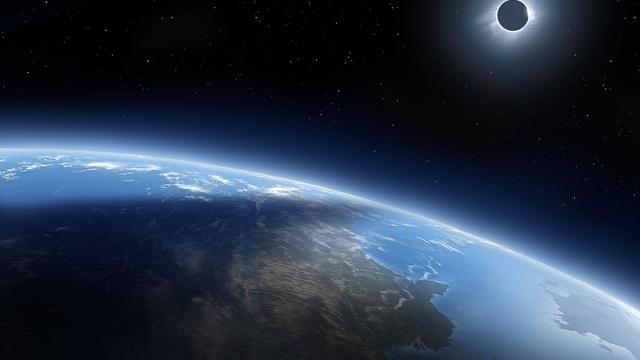
The asteroid was discovered in August and is set to become a mini-moon, spinning around Earth in a horseshoe shape for about two months.

A DeLaSalle volleyball player loves STEM
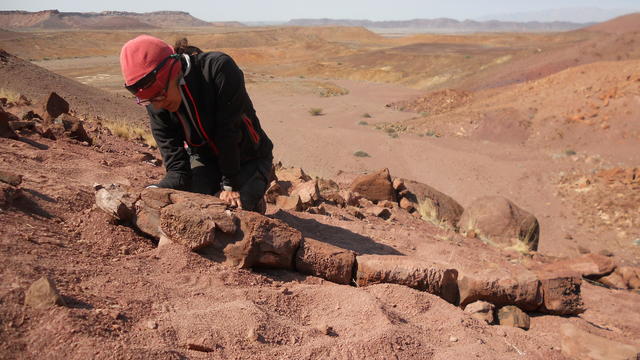
Scientists have revealed fossils of a giant salamander-like beast with sharp fangs that ruled waters before the first dinosaurs arrived.
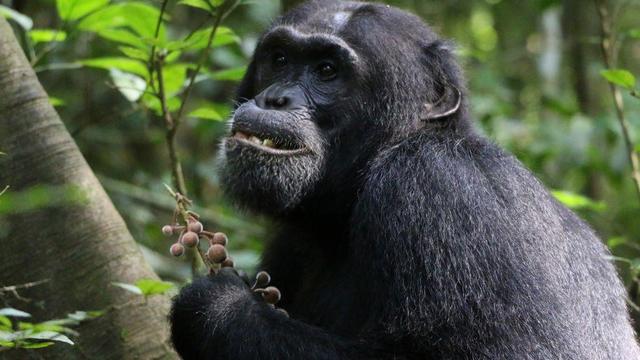
Scientists monitoring 51 chimpanzees saw sick or injured animals eating certain plant items that were not part of their normal diet.

The National Oceanic and Atmospheric Administration is getting ready to launch a new weather satellite into space. NEXT Weather Meteorologist Adam Del Rosso takes a look at the tech on board and how it will help forecasters.
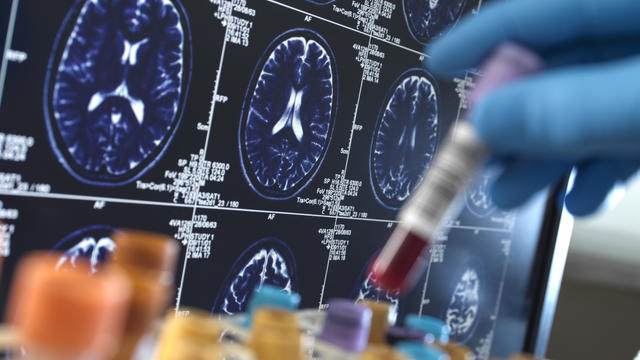
Scientists studying a Colombian family plagued by early-in-life Alzheimer's have found a rare gene variant that seems to delay initial symptoms by about five years.
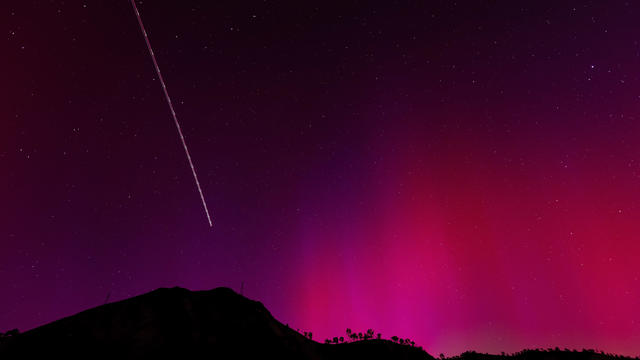
The forecasted conditions come after a weekend of jaw-dropping northern lights seen as far south as Florida and as "magnetically complex" sunspots bigger than Earth continue to emit solar flares.
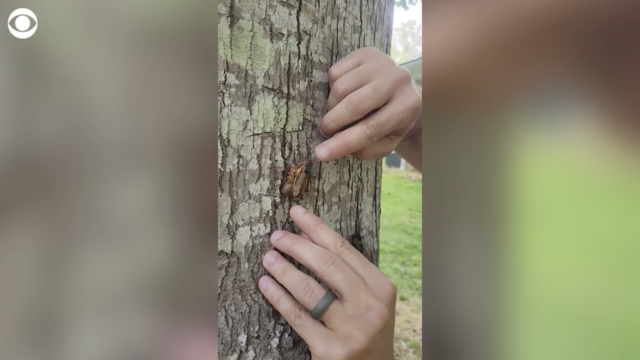
The bugs emit a loud, droning buzzing sound when they emerge — signaling they are ready to mate.
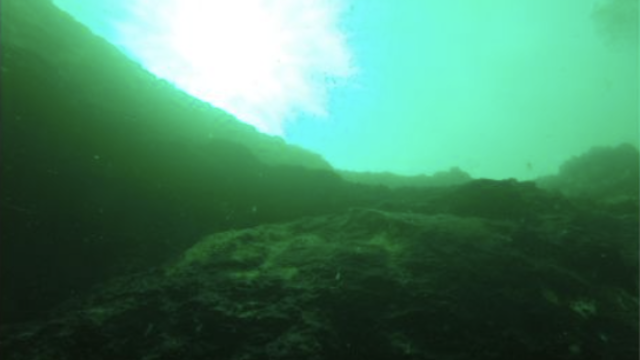
Blue holes are considered an "oasis" for marine life — but the Taam Ja' Blue Hole off the coast of Mexico remains largely mysterious.
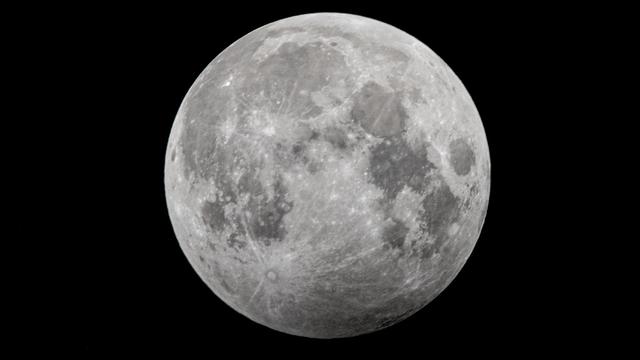
A process called cryopreservation allows cells to remain frozen but alive for hundreds of years. For some animal cells, the moon is the closest place that's cold enough.
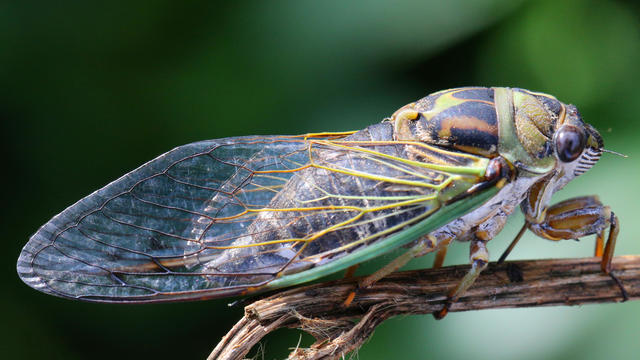
Trillions of red-eyed periodical cicadas are about to emerge in numbers not seen in many years. Here's where to expect them.

An unusually warm winter has left the Great Lakes all but devoid of ice and sent scientists scrambling to understand the possible consequences as climate change accelerates.

Researchers and citizen scientists will observe how animals' routines at several zoos are disrupted during the April 8 total solar eclipse.

Damien Boschetto and fellow researchers decided to keep his 2022 discovery a secret for two years to avoid damage during the extraction.

A new study may have been too small to be definitive, but experts hope new discoveries will guide future research into how whales communicate.

Two tribal colleges in northern Minnesota are receiving millions in funding to expand their science, technology, engineering and mathematics programs.

Researchers say five storms since 2013 had wind speeds that could categorize them as a Category 6 hurricane or cyclone — and that climate change will only make such intense storms more frequent.
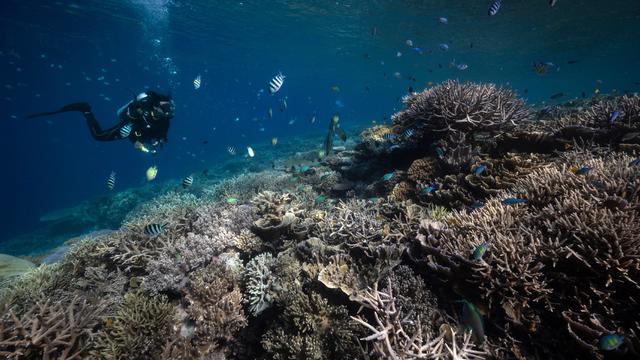
The revised coral bleaching alert levels come in the wake of Florida experiencing hot tub-level sea temperatures and some reefs experiencing "100% mortality."
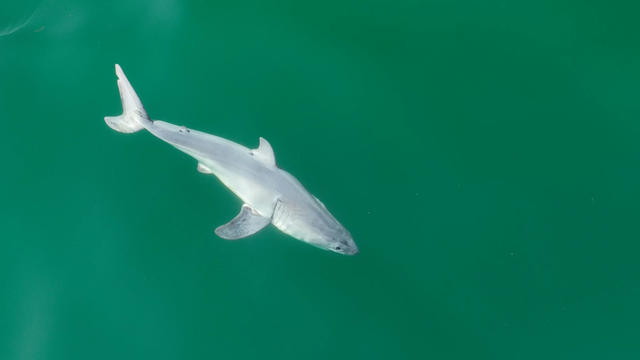
A longtime wildlife photographer has "seen some sharks doing some really wild things" – but nothing prepared him for capturing what's believed to be the first images of a live newborn great white shark.

Researchers say they've unraveled a mystery that's puzzled scientists for years and identified the enzyme responsible for urine's yellow color.

Researchers at the University of Minnesota are trying to limit heart issues that are sometimes a side effect of treating breast cancer with a little help from AI. Caroline Cummings reports on the project that could improve patient outcomes.

Flying drones has become a popular hobby in the last decade. The FAA launched the "12 Days of Drones" program this holiday season to ensure everyone is safe from the ground up.