
Minneapolis City Council tries again to extend eviction notice period
Supporters of the mandate say it would ease the burden on vulnerable communities impacted by Operation Metro Surge and give them more time to access rental assistance.
Watch CBS News
Supporters of the mandate say it would ease the burden on vulnerable communities impacted by Operation Metro Surge and give them more time to access rental assistance.
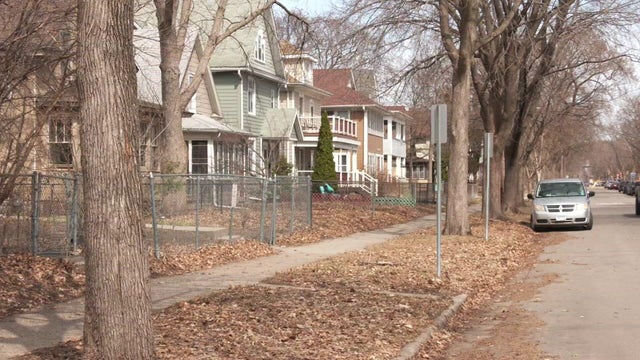
The Minneapolis City Council already approved millions of dollars to help renters in the wake of Operation Metro Surge.

The Minneapolis City Council is approving millions of dollars in emergency rental assistance — just about everyone in city hall agrees on the principle, but there are now concerns that this move will require cuts elsewhere.

Renters' rights advocates and tenants gathered outside Hennepin County courtrooms Thursday to protest Minneapolis Mayor Jacob Frey's recent veto of an eviction notice extension ordinance.

Minneapolis Mayor Jacob Frey vetoed a measure passed by the City Council last week that requires landlords to wait longer before filing an eviction notice.

The ordinance would temporarily require landlords to wait 60 days — not the typical 30 — before filing an eviction notice.
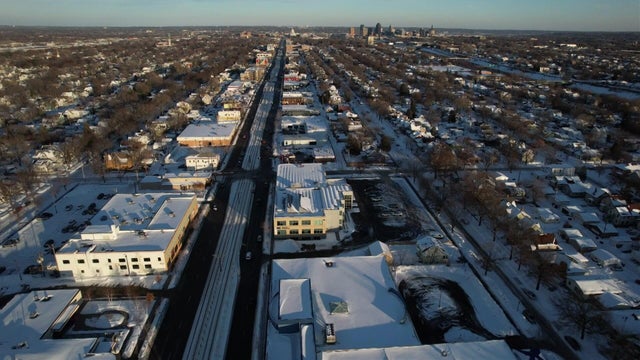
Operation Metro Surge, which sent a record number of immigration agents to Minnesota, may be nearing its end, but nonprofits that receive calls for assistance say there will likely be ripple effects felt for weeks and months to come.
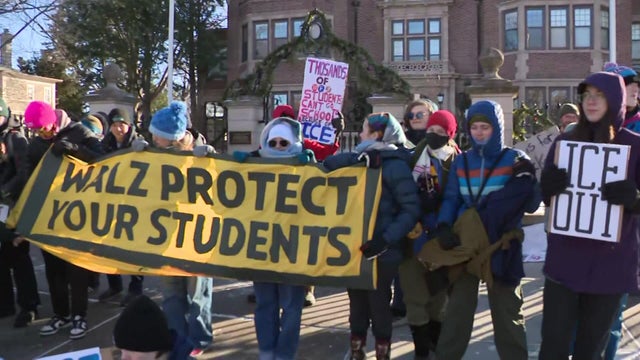
Outside the governor's mansion in St. Paul, Minnesota, on Friday, demonstrators, including many students and teachers, pleaded for Gov. Tim Walz to enact an immediate eviction moratorium to help families impacted by the U.S. Immigration and Customs Enforcement surge.
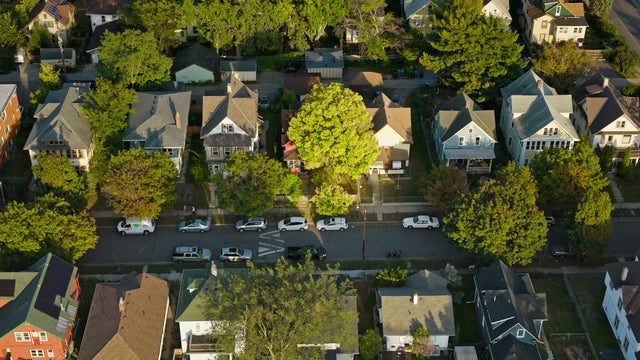
The rent-versus-buy question is one that millions of Americans grapple with. Now, nearly 30 percent of Minnesotans live in a rental unit.

Adams has looked on, as other lot rents at Brandondale Estates skyrocketed, nearly 70 percent higher than what she is paying now. She fears a new lease would be a major financial burden.

In these major U.S. cities, a family of three earning $100,000 would have a hard time covering basic expenses.

It used to be that moving to the suburbs meant renting a place for less than what you'd find in the city. But as more renters leave the city, that price gap is shrinking.

A new report from the State of the State Housing found that median rent jumped by 8% in the last year.

According to RentCafe, Minneapolis is on the rise for renters.
A Harvard study also found that more than 22 million Americans spend at least 30% of their income on rent. Half of those people are spending more than half of what they make, and that has ripple effects on the economy.

Rents over the last two decades have risen much faster than employee pay, contributing to an escalating homelessness crisis in the U.S.
Rent across the U.S. is dipping as vacancies rise and property managers struggle to fill homes, new data shows.
Americans flocked to suburban areas during the pandemic — one of several reasons why rent increases there have outpaced urban areas.
You don't need us to tell you that everything is getting more and more expensive. The housing market is no exception, leaving many people no option but to rent.
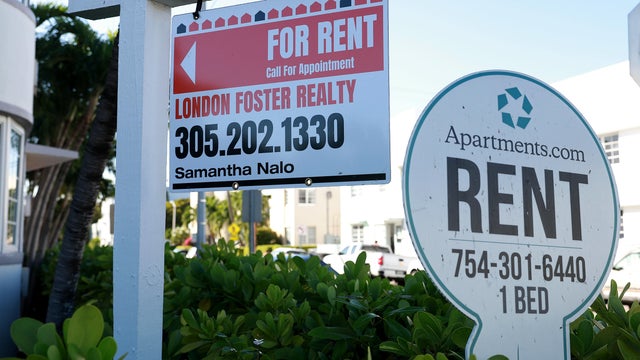
In 45 of the 50 largest cities, buyers pay far more for the privilege to own a home than they do to rent.