DOJ sues Minnesota over efforts to regulate greenhouse gas emissions
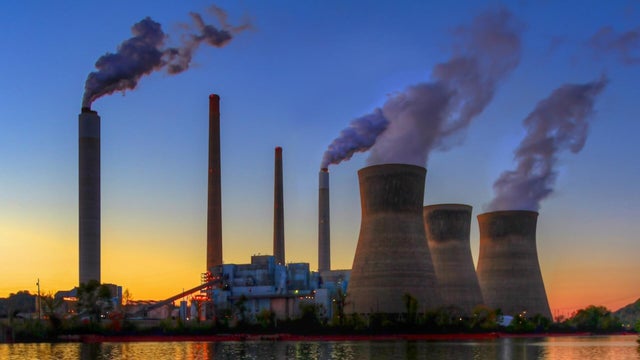
The U.S. Department of Justice on Monday filed a lawsuit against Minnesota over what it calls "its attempts to regulate global greenhouse gas emissions."
Watch CBS News
The U.S. Department of Justice on Monday filed a lawsuit against Minnesota over what it calls "its attempts to regulate global greenhouse gas emissions."
A new study from the University of St. Thomas shows that the heat content of the world’s oceans reached the highest levels on record for the ninth straight year.

Crucial for marine life and the global economy, coral reefs are the planet's first major environmental system to cross a climate "tipping point" as the world warms.
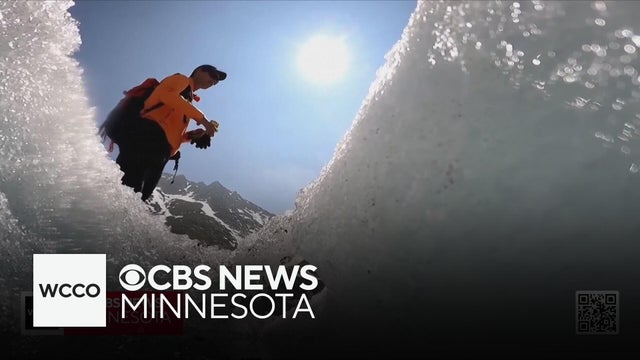
Scientists say it may be too late to save some of these glaciers. Switzerland is currently home to most of the glaciers in all of Europe.
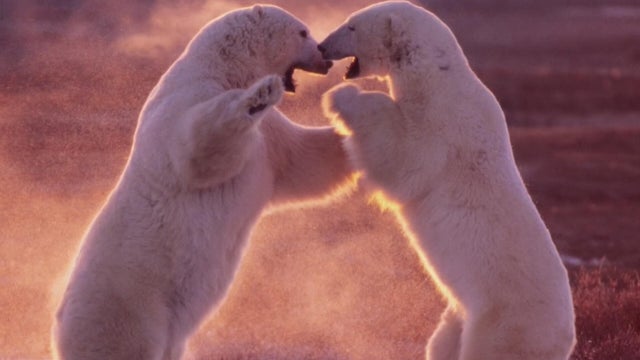
Since WCCO first visited Churchill in 1993, the polar bear population here has been cut in half, according to estimates shared by Polar Bears International.
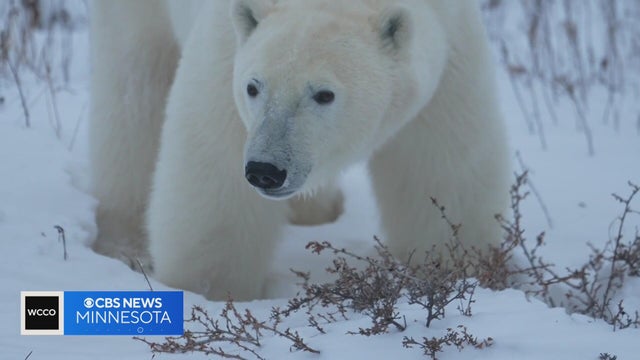
The Arctic is warming nearly four times faster than the rest of the globe, according to a study published in 2022 in the journal Nature.
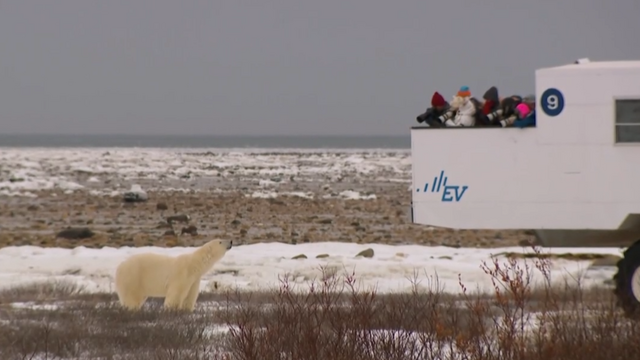
After a summer of fasting on land, the bears need to get back to their frozen home to hunt seals and bulk up. But their migration ritual is changing.
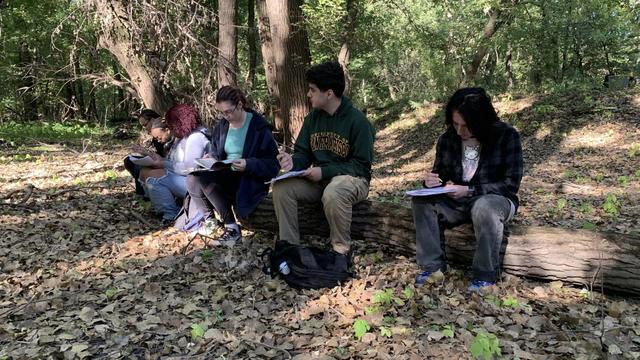
A recent poll found that 74% of Minnesotans want schools to teach about the causes of climate change, its consequences and potential solutions.
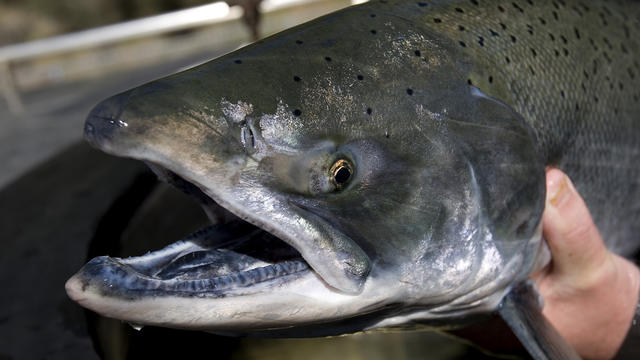
A shocking new report on global biodiversity is detailing what it calls "a catastrophic decline" in wildlife populations ahead of a major international conference on biodiversity.

According to a climate opinion poll, 53% of Minnesotans say a presidential candidate's view on global warming is important to their vote, and 64% say developing clean energy should be a priority for the president and Congress.

According to a climate opinion poll, 53% of Minnesotans say a presidential candidate's view on global warming is important to their vote, and 64% say developing clean energy should be a priority for the president and Congress.
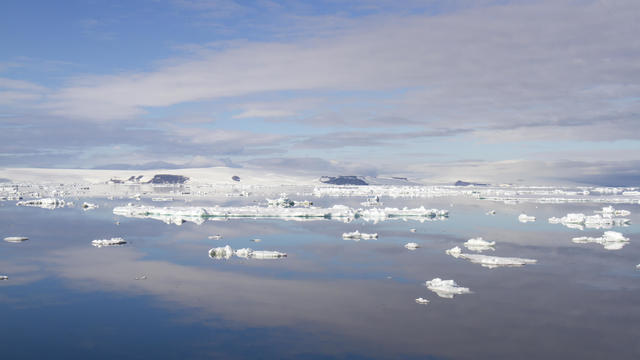
Scientists from the International Thwaites Glacier Collaboration warn of a "grim outlook" for the Thwaites Glacier, also known as the "Doomsday Glacier."
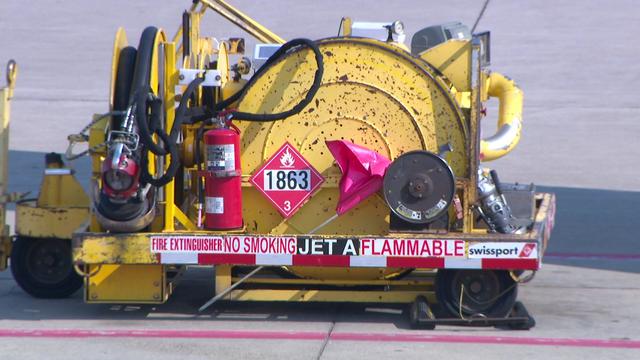
SAF is a safe and certified alternative jet fuel that can reduce lifestyle carbon emissions by 80%. But with the industry in its infancy, there isn't enough of it being produced right now to fuel the world's airline for a single week.

Minnesota is a focal point in the movement to produce an alternative to jet fuel that can reduce lifestyle carbon emissions by 80%.
Tina Kraus shares the temperature tracking that shows just how much the planet is warming.

The melting of glaciers and polar ice sheets causes water to move closer to the equator, fattening the planet and slowing its rotation, according to a recent study.
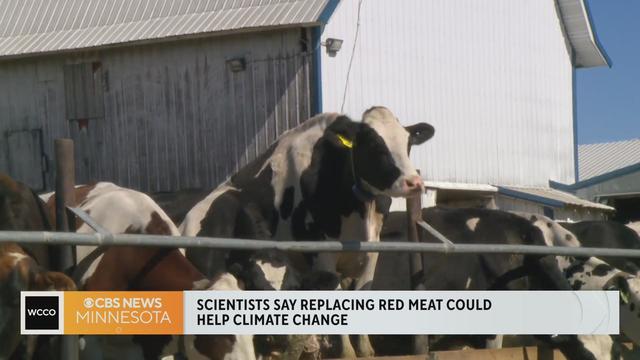
If people don’t give up meat, a new study says the planet will be 1 degree warmer in 80 years — which has big consequences.

April is Earth Month and we're less than a week from Earth Day. That timing matches up with an email we received from Mary in Minneapolis. She wants to know: What can the average person do to help reduce global warming? Good Question.

Experts say climate change will drive up the price of bananas, but consumers should already be paying more.
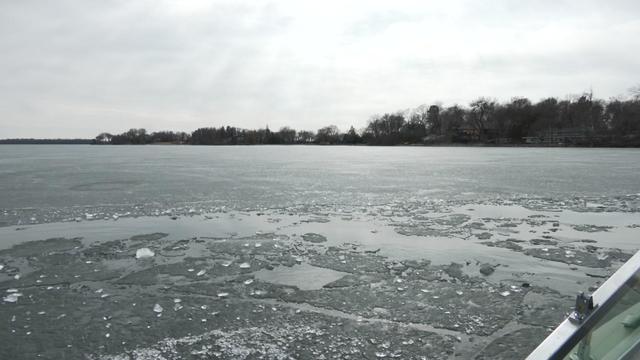
The record warmth Minnesota has experienced this winter means a lack of ice on the lakes. In fact, Lake Minnetonka could have its earliest ice-out on record, after also marking the record latest ice-in.
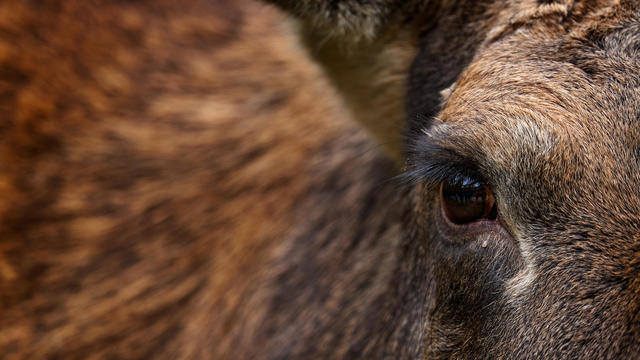
Every year, biologists take flight to count moose in Minnesota, and now they've released their latest figures. The Minnesota moose population has stayed relatively stable, but it's a far cry from where it stood less than two decades ago.
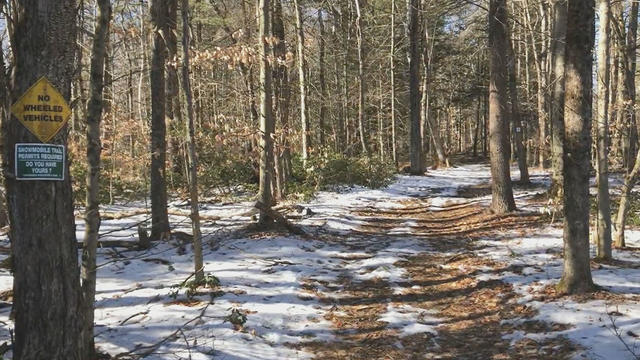
Severe storms are becoming more likely in February, March and April and less likely in July and August. Projections also show a bigger bullseye in the mid-South and southern Ohio Valley, and fewer storms in the High Plains from Nebraska to Texas.
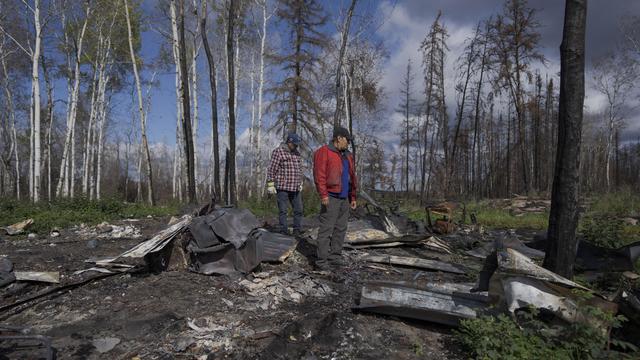
It's the middle of the winter, but there are still 149 wildfires burning across Canada, including 2 deemed out of control.
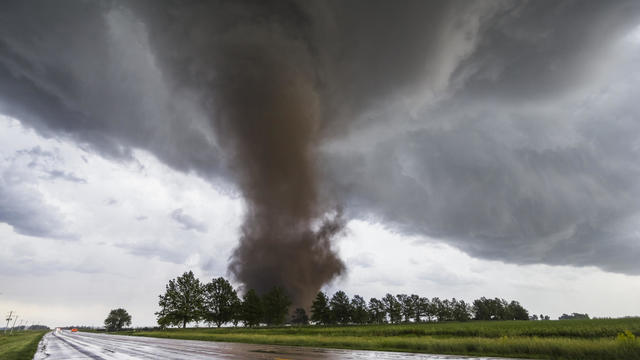
Severe storms are becoming more likely in February, March and April and less likely in July and August. Projections also show a bigger bullseye in the mid-South and southern Ohio Valley, and fewer storms in the High Plains from Nebraska to Texas.