22% of butterflies in U.S. disappeared in 2 decades, study finds
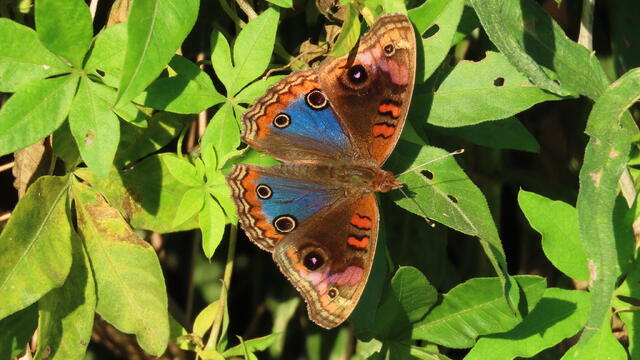
A study, published Thursday in the journal Science, found that 22% of butterflies in the United States disappeared between 2000 and 2020.
Watch CBS News
A study, published Thursday in the journal Science, found that 22% of butterflies in the United States disappeared between 2000 and 2020.
The Minnesota Department of Agriculture says it's trying to get clarity on the cuts.
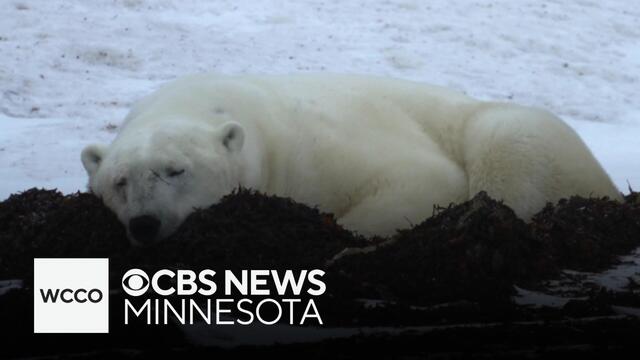
The Western Hudson Bay polar bears are the most famous, and most photographed, polar bears in the world. Their home is the Arctic, where the last nine years were the warmest on record. Erin Hassanzadeh takes us to Churchill, Canada where experts say what's changing up-north should serve as a warning to us all.
Minnesota farmers say they are in a valley of uncertainty amid the layoffs and cost-cutting measures of the first few weeks of President Trump's second term.
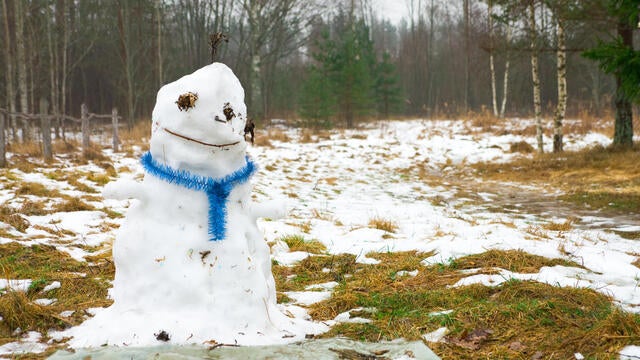
Winter is more than halfway over, and we've definitely had our share of cold weather, but so far this season, the Twin Cities have only seen 16 inches of snow.
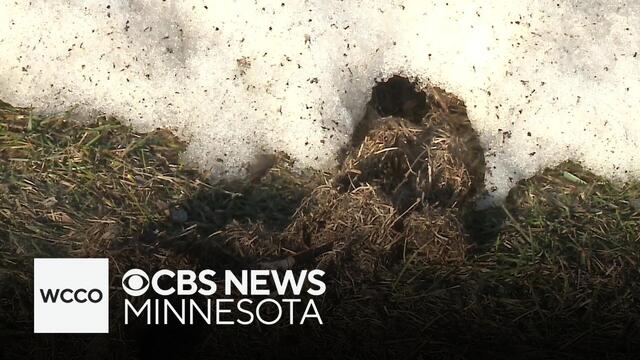
Winter is more than halfway over and we've definitely had our share of cold weather. But so far this season, the Twin Cities has only seen 16 inches of snow. That's well below the three feet that has typically piled up on the ground by now. So what happens if we don't get enough snow? Good Question. Jeff Wagner talked with a trio of environmental experts.
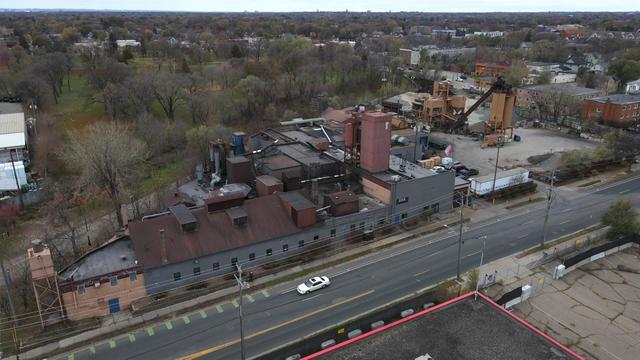
The Minnesota Pollution Control Agency (MPCA) says it's working to improve air quality monitoring following a state review stemming from a dispute over reported violations at a Minneapolis metal foundry.

Chocolate is by far the most popular Valentine's Day treat, but it's getting more difficult though to find sweet deals for your sweetheart. Prices are up nearly 20% because the cost of cocoa has more than doubled in the past year. Some say it's time to find a "chocolate alternative." As Erin Hassanzadeh reports in this special "Climate Watch" story, the search has ties to a Minnesota business.
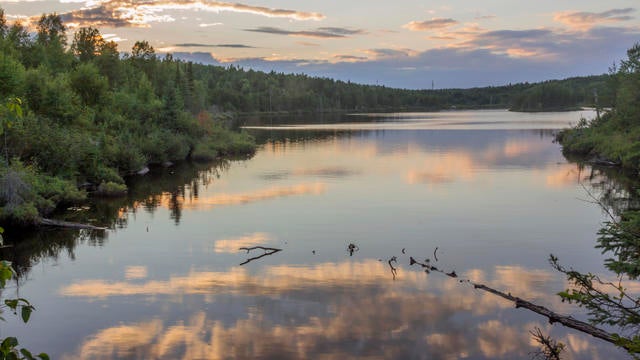
Advocates say mining would create jobs and help the economy; opponents say mining will pollute the precious boundary waters.
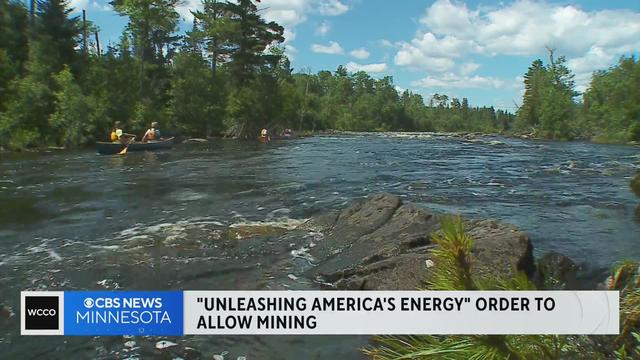
Supporters of expanding mining and drilling near the Boundary Waters are cheering another Trump executive order.

Among the tsunami of signed orders Monday night in the Oval Office is one that's expected to cause controversy here at home. Kirsten Mitchell has the details.

In his inaugural address, President Trump said he'll be ushering in a new era and ending a period of American decline. Those executive orders cover a wide range of policies from immigration to energy, trade and inflation.
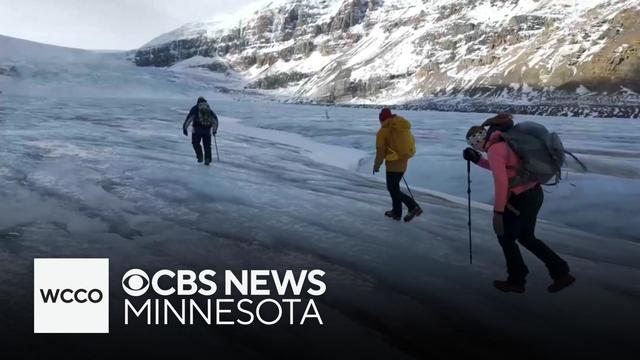
Glaciers around the world are melting. The United Nations has declared 2025 to be the "Year of Glacier Preservation." The Canadian Rockies is one place where the problem is clear - especially since the region is a vital freshwater source for millions of people. CBS News Climate Correspondent Dave Malkoff recently visited the area.
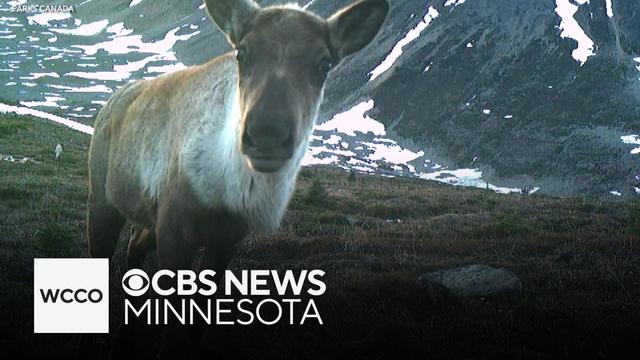
One type of reindeer isn’t having the best holiday right now. They don’t have enough mothers for the next generation, and a big fire almost wiped out their breeding facility in Canada. Bringing them back is crucial for maintaining a healthy ecosystem.

Water Gremlin and its parent company, Okabe, agreed to a settlement. Nearly a hundred people sued the now-bankrupt plant in White Bear Township last year over exposure to a toxic and cancer-causing chemical called TCE. That chemical is now banned in the state, and recently the EPA banned it too. News of a settlement follows a multi-year WCCO Investigation led by senior investigative reporter Jennifer Mayerle.
A cancer-causing chemical at the center of a pollution investigation will now be banned nationwide. WCCO first told you about the toxic danger five years ago. That's when we learned that a Twin Cities manufacturing plant had emitted unsafe levels of TCE into the air for years. Jennifer Mayerle explains how this ban could keep the chemical from ever harming neighborhoods again.
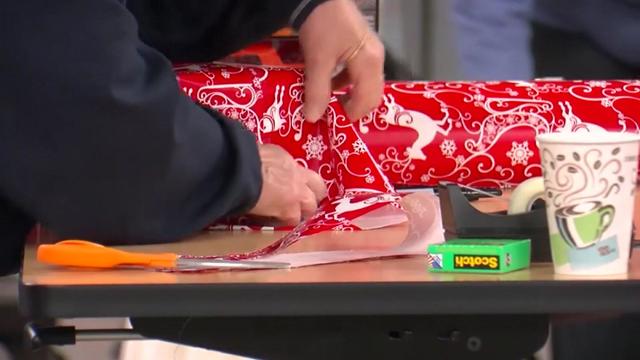
According to the Environmental Protection Agency, Americans produce 25% more trash from Thanksgiving to New Year's Day.
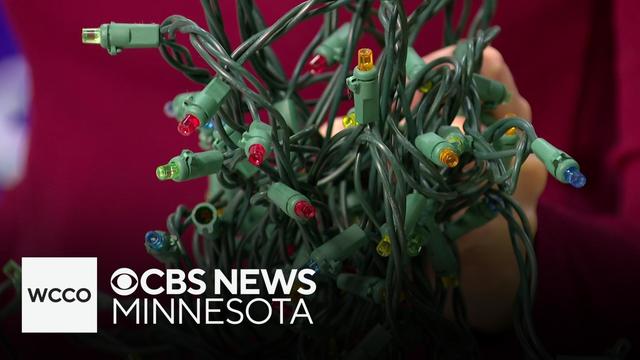
It's known as the most wonderful time of the year, turns out it's also the most wasteful. We produce 25% more trash from Thanksgiving to New Year's Day. Susan-Elizabeth Littlefield helps us navigate the tricky art of holiday recycling.
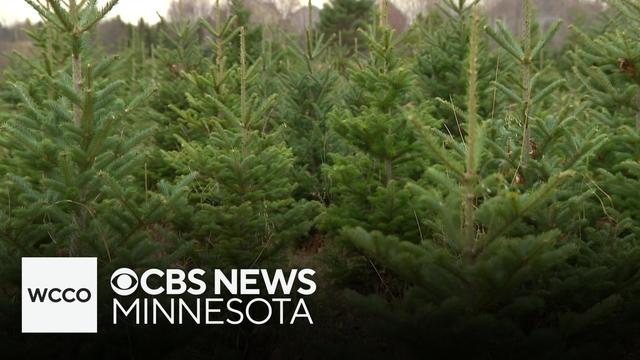
It's the time of year when families pick out the perfect Christmas tree for their home. Just like the last three years, a troubling weather trend for farmers joins that tradition. So how does drought impact Christmas tree growth? Good Question. WCCO's Jeff Wagner explains what to expect when tree shopping this season.

There are expensive efforts in the east metro to filter out PFAS from drinking and wastewater. The forever chemicals are used in everyday items like nonstick pans, dental floss and food packaging. PFAS can build up in our bodies and harm our health. 3M settlement dollars are paying for $140 million dollar treatment facilities in Cottage Grove. But as our Erin Hassanzadeh shows us, other communities will have to foot some of the bill on their own.

Communities across Minnesota have drinking water that's contaminated with PFAS. The Minnesota Pollution Control Agency says PFAS don't break down in the environment. They do build up in the body and can lead to some serious health issues. That means more communities, like Cottage Grove will have to start filtering it out, but it's not cheap or easy.
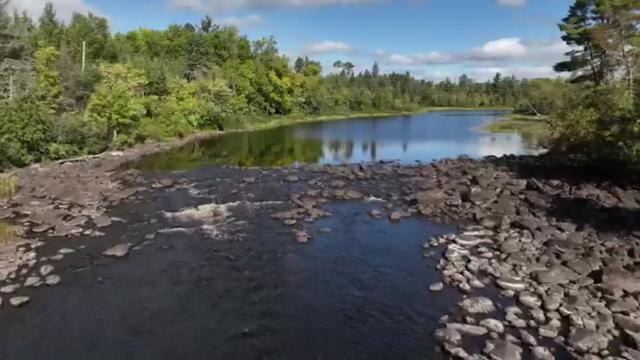
If you have walked on a trail or swam in a lake in Minnesota you've benefited from the environmental natural resources trust fund. The fund was designed decades ago using funds from the state lottery.
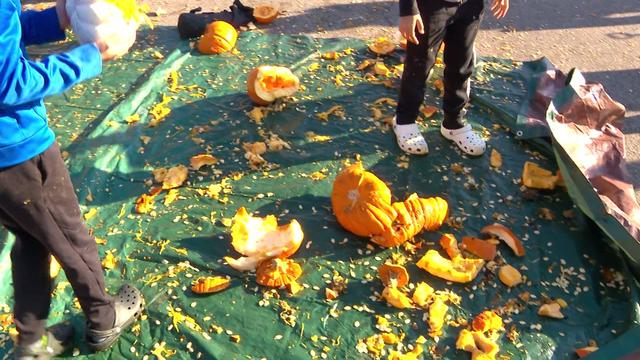
Richfield residents can throw their jack-o-lantern in the garbage, the city is providing a destructive, yet constructive alternative.
Analysts say Hurricanes Helene and Milton and the devastation in the southeast should serve as reminders for Minnesotans: weather patterns are changing in the upper Midwest, too.
Analysts say Hurricanes Helene and Milton and the devastation in the southeast should serve as reminders for Minnesotans: weather patterns are changing in the upper Midwest, too.