How climate change is costing Minnesotans lots of money (part 1)
Analysts say Hurricanes Helene and Milton and the devastation in the southeast should serve as reminders for Minnesotans: weather patterns are changing in the upper Midwest, too.
Watch CBS News
Analysts say Hurricanes Helene and Milton and the devastation in the southeast should serve as reminders for Minnesotans: weather patterns are changing in the upper Midwest, too.
A Twin Cities zero waste nonprofit is getting a $10 million dollar loan to upgrade its equipment.
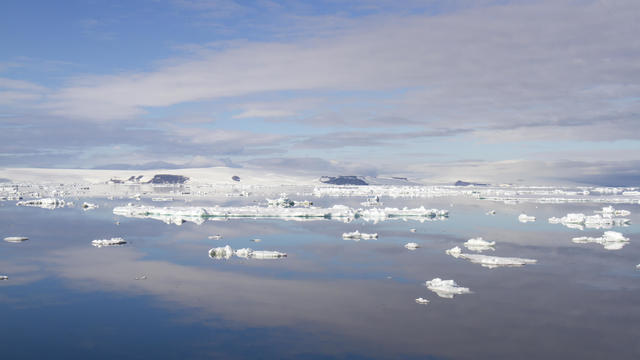
Scientists from the International Thwaites Glacier Collaboration warn of a "grim outlook" for the Thwaites Glacier, also known as the "Doomsday Glacier."
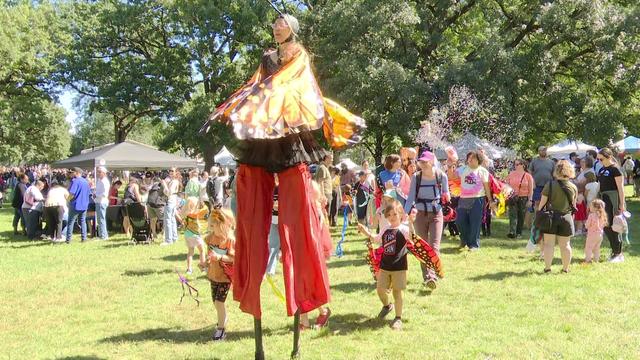
An annual celebration of the monarch butterfly takes place in September, but the butterfly population has dropped over the years.
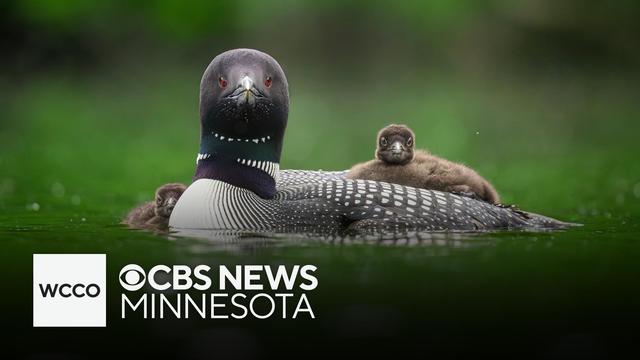
They're icons of the Northwoods. Loons captivate our imaginations and steal our hearts, but they're literally shrinking. WCCO's Erin Hassanzadeh tagged along with researchers to understand what's happening, and what's at stake.
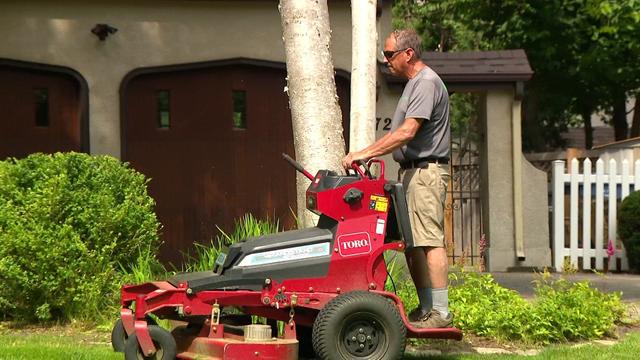
A public-private partnership that has successfully reduced harmful emissions from auto-body shops and dry-cleaners in Minneapolis is now working with landscape companies.

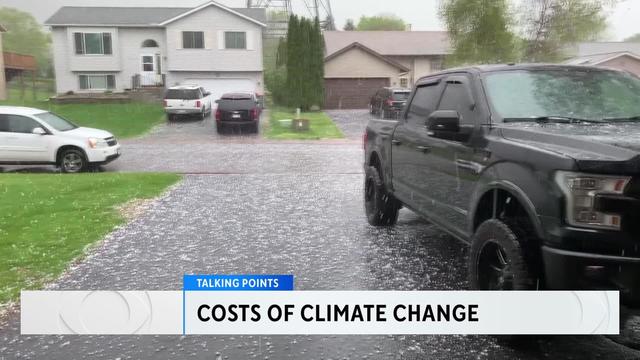
The flooding clean-up continues in parts of southern and northern Minnesota. It’s a reminder of how quickly these events can happen and how permanently lives can be changed. In Talking Points, Esme Murphy investigates the evidence of climate change here at home and across the nation.
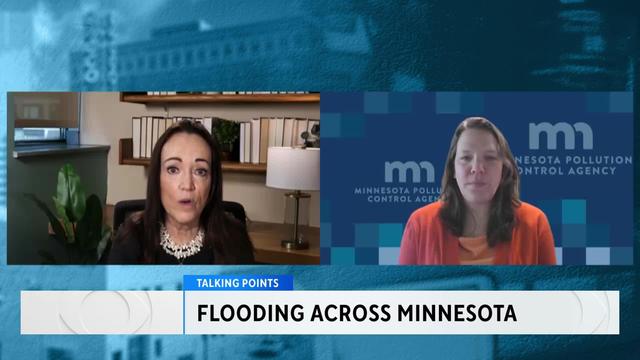
The flooding clean-up continues in parts of southern and northern Minnesota. It’s a reminder of how quickly these events can happen and how permanently lives can be changed. In Talking Points, Esme Murphy investigates the evidence of climate change here at home and across the nation.
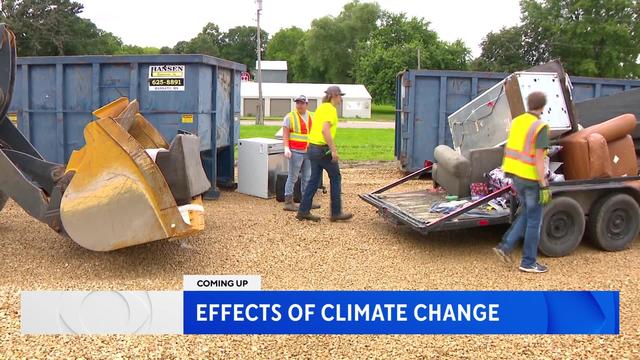
The flooding clean-up continues in parts of southern and northern Minnesota. It's a reminder of how quickly these events can happen and how permanently lives can be changed. In Talking Points, Esme Murphy investigates the evidence of climate change here at home and across the nation.
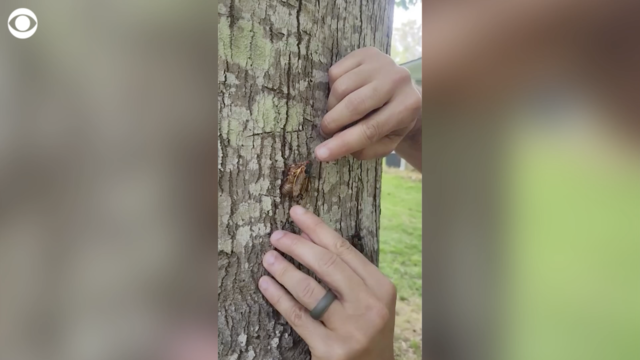
The bugs emit a loud, droning buzzing sound when they emerge — signaling they are ready to mate.
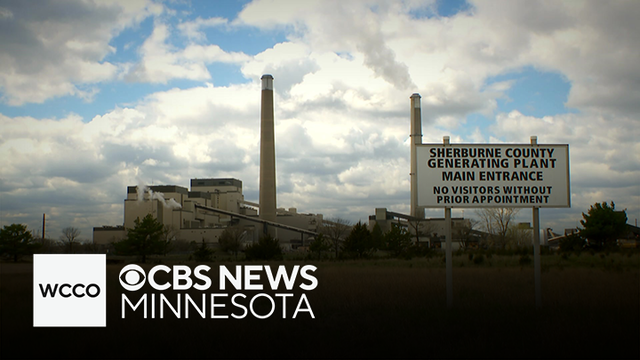
In a new rule, the EPA says coal plants need to start capturing their smokestack emissions or shut down. It's a move to curb planet-warming emissions — something Minnesota wants to do by going carbon-free with our electricity by 2040.
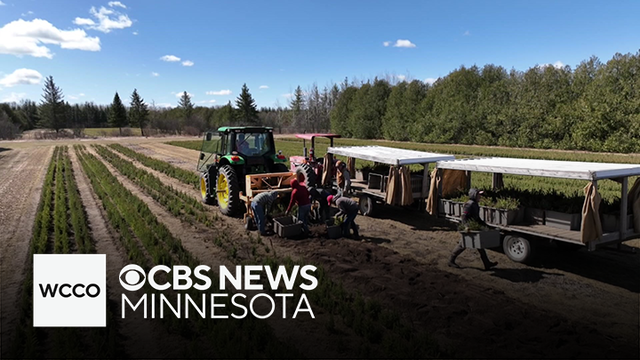
Minnesota farmers know it. Gardeners do, too. The average low temperatures in our state are warming quickly, especially in the past 10 years. Because of that shift, some scientists are now sounding the alarm. They say Minnesota's northern forests are on the brink and could disappear within the next 50 years. So what are we doing about it?
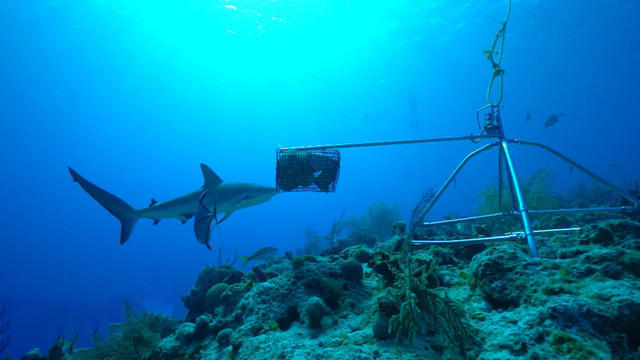
More than 100 nations, including the United States, have agreed to protect 30% of the world's oceans by 2030.
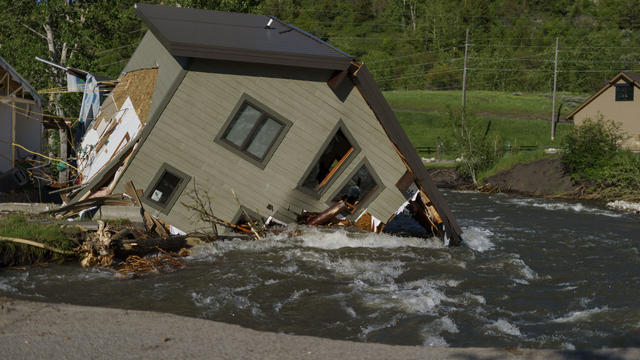
People who have experienced extreme weather are especially likely to say climate change needs to be addressed right away.
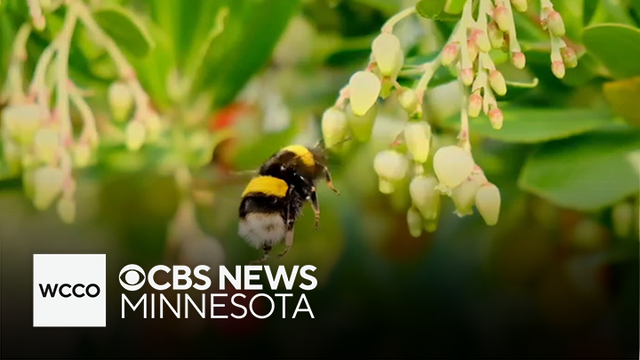
The rusty patched bumblebee became endangered in 2017. Now, there's evidence the population is barely hanging on, which is a concern because they're a critical pollinator. Erin Hassanzadeh spoke with one of the leaders of the study and a local bee expert to see what's going on and how you can help.

Greenhouse gas emissions are fueling climate change. The biggest culprit in our country is transportation. Not only the cars that we drive but the trucks hauling everyday items we buy. In this NEXT Weather Investigation, Erin Hassanzadeh explains how a local company is helping a global brand make the shift to EV trucking.
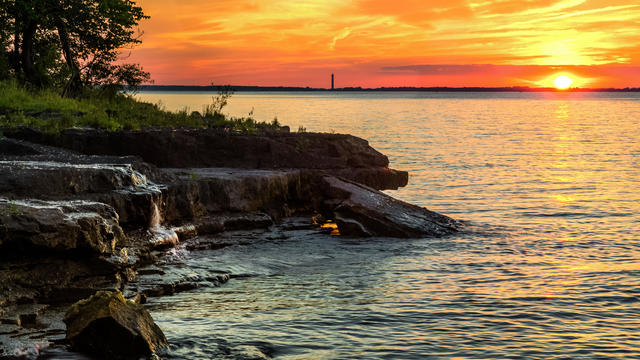
The Justice Department and environmental groups filed two lawsuits alleging that Campell's plant in Napoleon, Ohio, has allowed wastewater and pollutants to flow unchecked into the Maumee River for years.
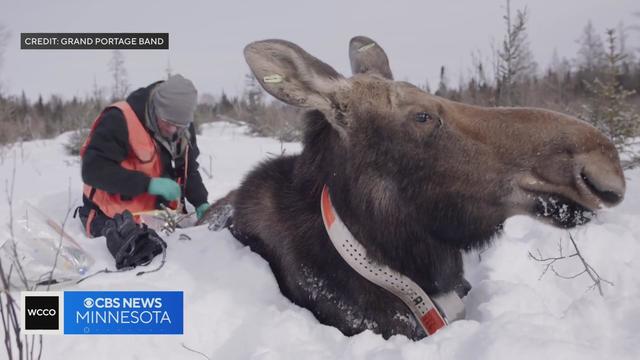
The results are in, and we're not talking about Super Tuesday. We're talking about moose. The state now has a better idea of how the population is doing. WCCO's Erin Hassanzadeh has this NEXT Weather Investigation on how our state's largest wild animal fared during one of the warmest winters on record.
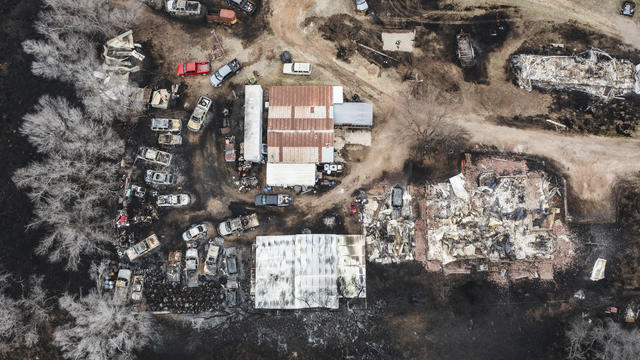
The state is battling its "largest and most destructive fire in Texas history," and the blaze is only 15% contained, officials said.
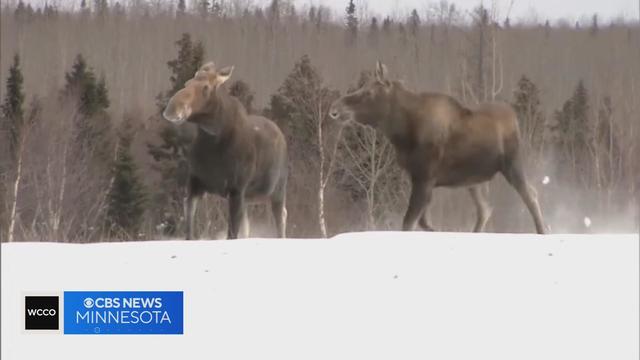
Every year, biologists take flight to count moose in Minnesota. They're in the process of doing it right now in the Superior National Forest near Ely. We wondered how our state's largest wild animal is faring in such an unusual winter.
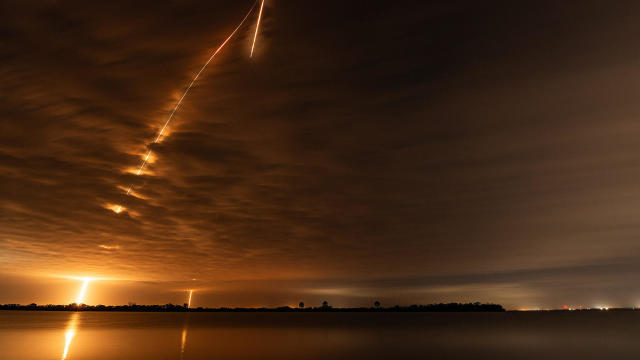
The spacecraft's instruments will study how Earth's oceans, atmosphere and land masses interact and how that interaction impacts climate change.

Wednesday, activists are continuing a call for Hennepin County's trash incinerator to close as soon as next year. Months ago, county leaders said they plan to shut down the burner as new state law doesn't recognize it as renewable energy. There's been a clash over that timeline and what is feasible.
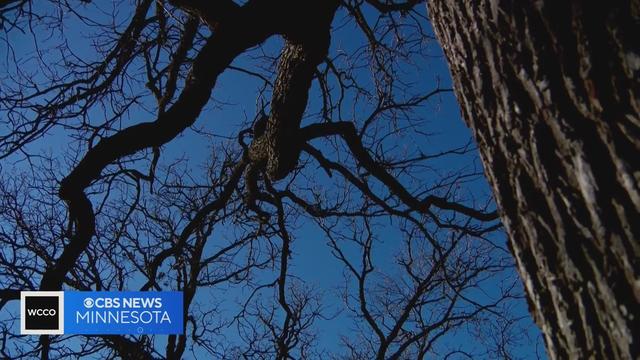
Today feels more like early spring than winter and our warm weather could mean our landscape wil be off-schedule. WCCO's Jeff Wagner explains what that means for trees and maple syrup season.
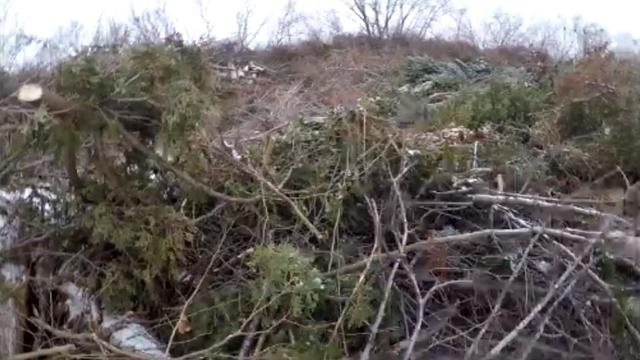
Experts explain the best way to dispose of a Christmas tree.
WCCO's Jason Rantala explains what's really behind these low energy bills and why warm weather is only part of it.