How Minnesota's lack of rain impacts farmers, and everyone's pocketbooks
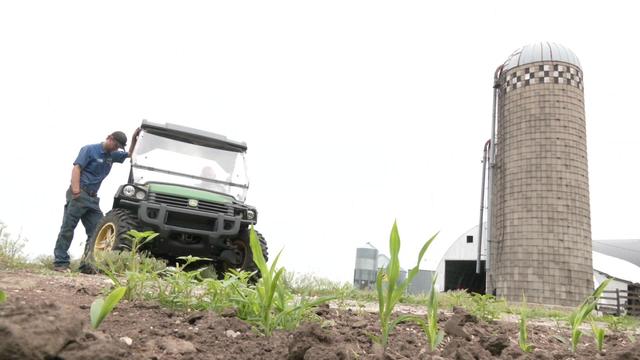
There are fresh concerns among farmers in Dakota County as Minnesota again experiences a prolonged period without rain.
Watch CBS News
There are fresh concerns among farmers in Dakota County as Minnesota again experiences a prolonged period without rain.

With additional snow melt and rain this spring, the watershed could reach a normal state by early June.
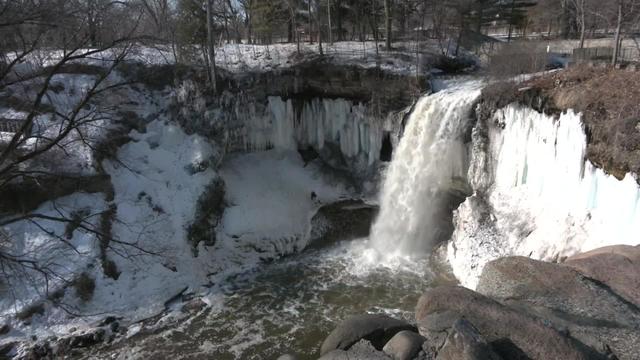
Six months after Minnehaha Falls was reduced to a dribble, the Twin Cities landmark is back flowing freely.
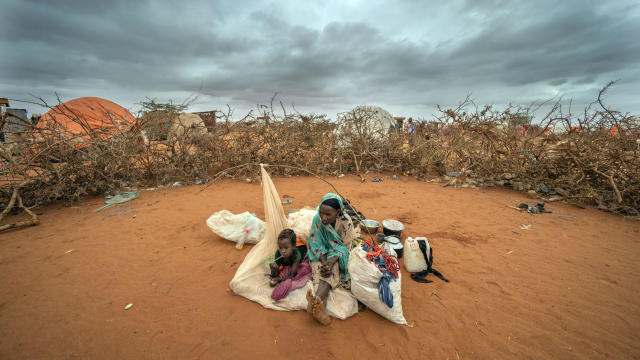
The war in Ukraine and a fight against domestic terrorists have worsened the nightmare in the east African nation, and the "crisis is far from over."
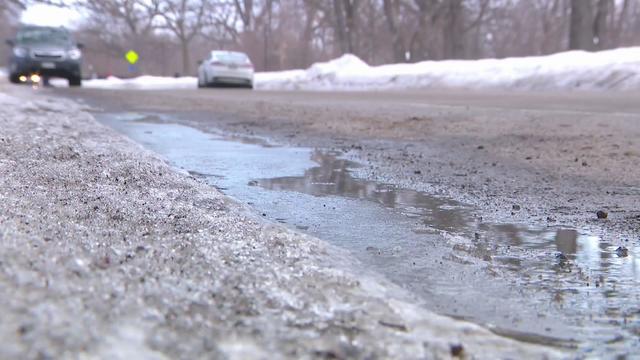
The DNR's Pete Boulay says without much deep frost, water's been able to get into the ground, which could be good news for your lawn.

This wet, snowy winter has been enough to finally cure the drought conditions in the Twin Cities. All that water is good news for farmers, gardeners and, of course, people who enjoy winter sports.
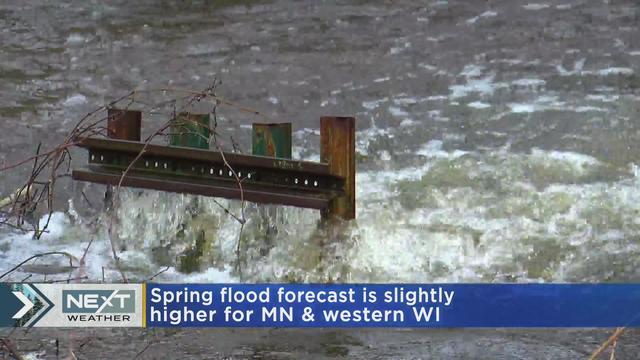
We have our first look at the spring flood forecast. The National Weather Service says the flood risk in Minnesota and western Wisconsin is slightly higher than normal.
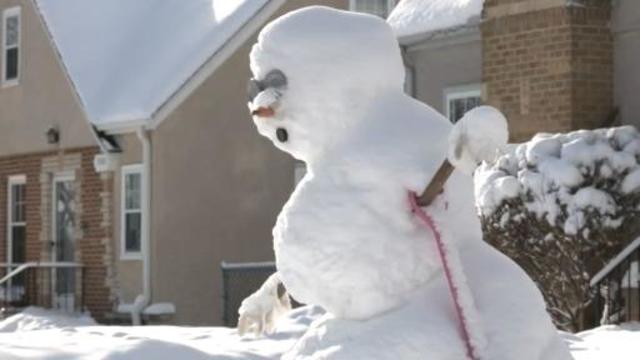
Jeff Wagner explains why this warm and wet season is a solid start.

Despite recent snow, 45% of the state is still too dry. More than four million Minnesotans are living in drought conditions. Beavers are living in it too, and they don't deal with it as well as humans do.
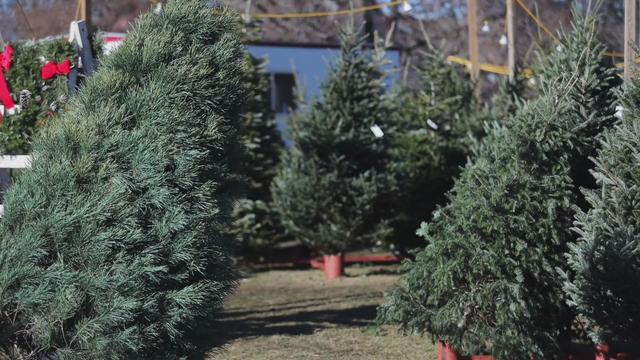
Tree farmers say, depending on the type of tree and its height, you're likely to pay anywhere between $1 to $3 more per foot.

Even with rain in the forecast, farmers say that might not be enough to start next year on the right foot.
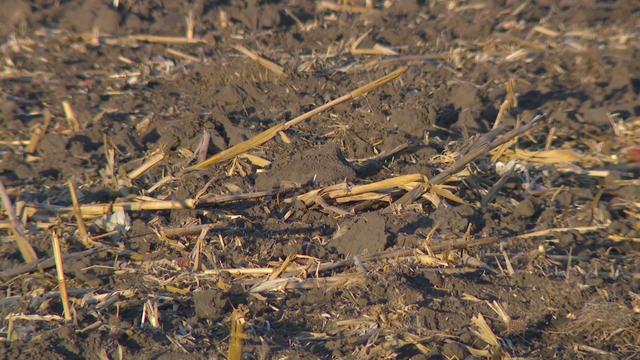
The latest map shows extreme drought conditions have spread since last week. It’s so bad, some parts of the state are now considered "natural disaster areas."
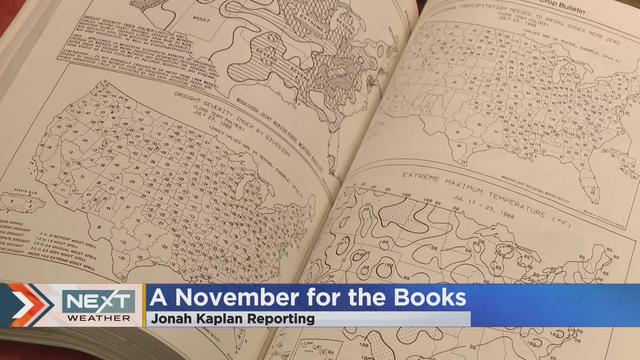
The all-time November high in the Twin Cities is 77 degrees. According to a log kept in the University of Minnesota’s climate library, which stores logs dating back to the late 1880s, it was on November 1, 1933.
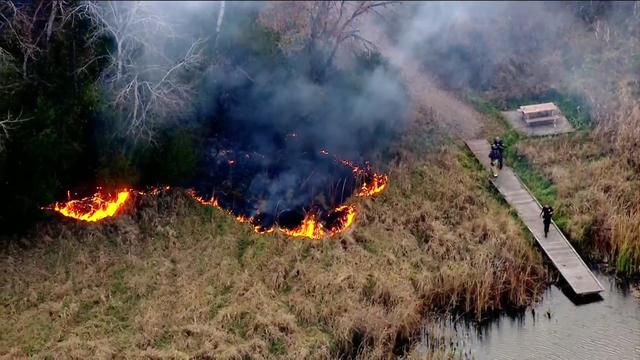
Right now, most of Minnesota is in a “very high” fire risk. WCCO’s Allen Henry spent the day chasing the flames across the state
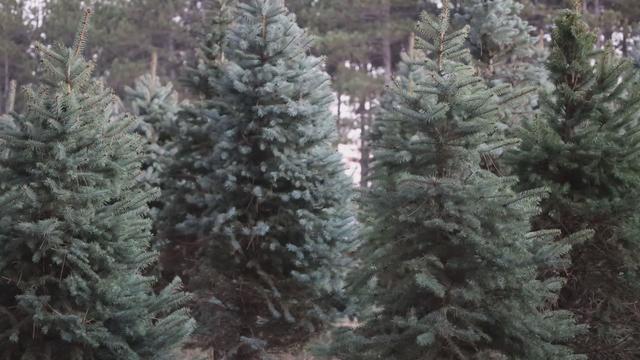
If you plan on getting a Christmas tree, drought and supply conditions could make things more complicated this year, similar to last.
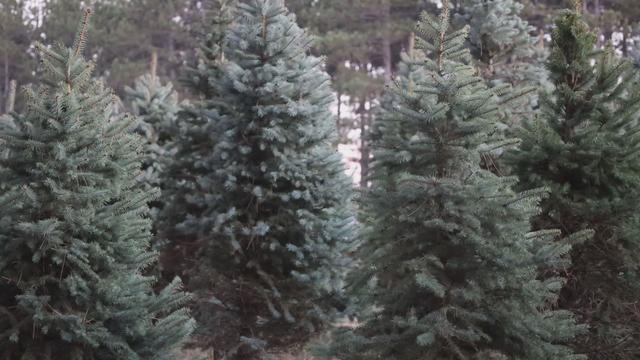
If you plan on getting a Christmas tree, drought and supply conditions could make things more complicated. Kirsten Mitchell explains the growing pains, and what they mean for you.
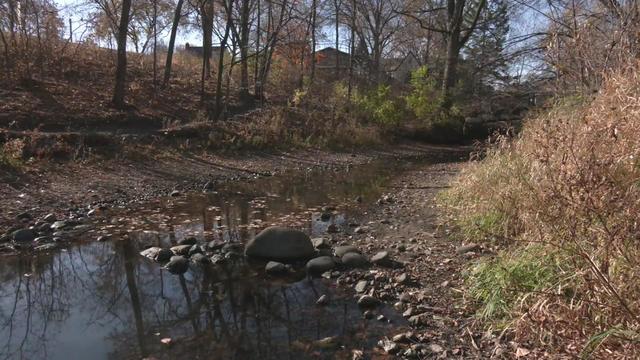
The National Weather service says last month was the sixth driest October in Minnesota recorded history. WCCO’s Allen Henry talked to climatologists about when we might see relief.
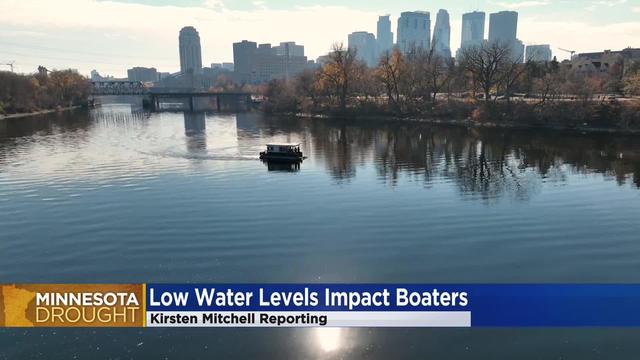
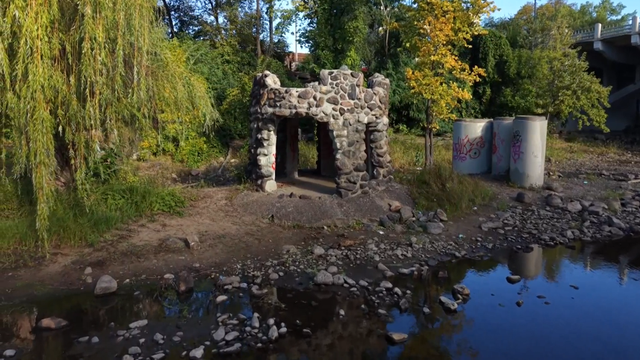
While we’ve had plenty of beautiful days lately, rain has been hard to come by. The drought has lowered water levels across the state in our lakes and rivers.
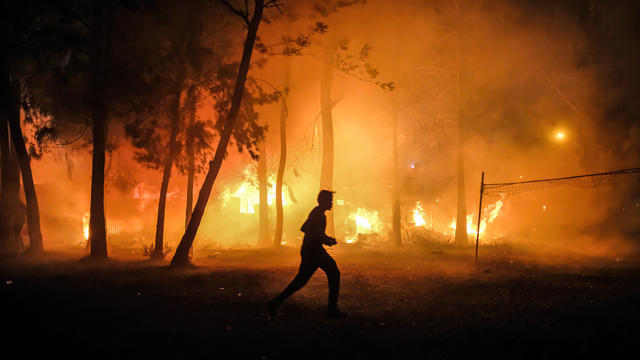
Nations pledged to limit global warming to 1.5 degrees Celsius, but three new U.N. reports show that the world is on track to hit nearly double that in less than 80 years.
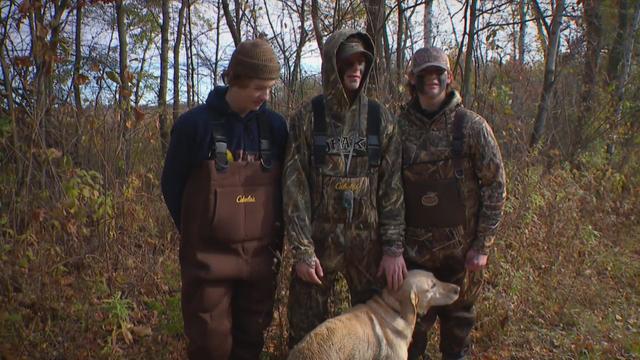
For the past two years we’ve had drought conditions in Minnesota and Wisconsin. At the same time -- our falls are warming -- and so are our winters. How does that impact animal behavior and your next trip out to the deer stand?
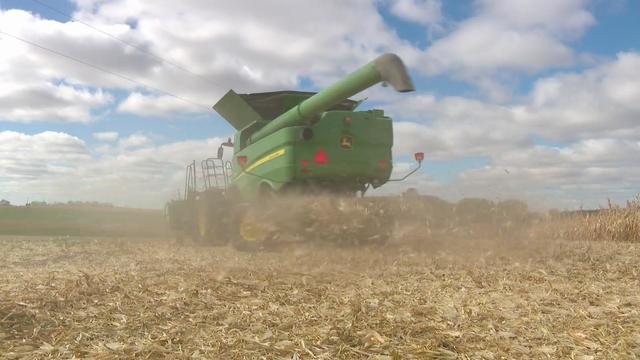
Trace amounts of rain, along with wind, have led to combine fires in Minnesota. And in some cases, those fires have spread, destroying several acres of crops.
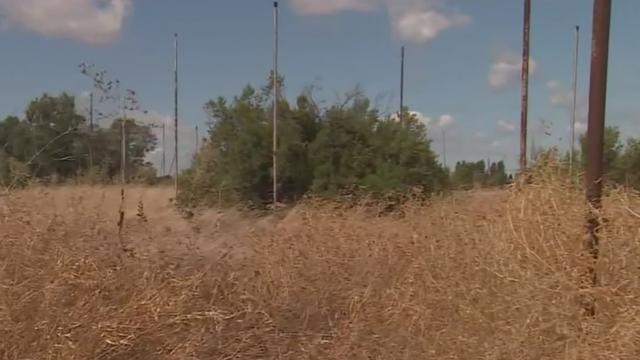
The warning means weather conditions are "ideal for wildfire," the DNR said. Those include strong winds and minimal humidity levels. Much of the state of Minnesota is under drought conditions.
Right now, parts of southern Minnesota need to see 11 to 15 inches of precipitation before the end of the year.
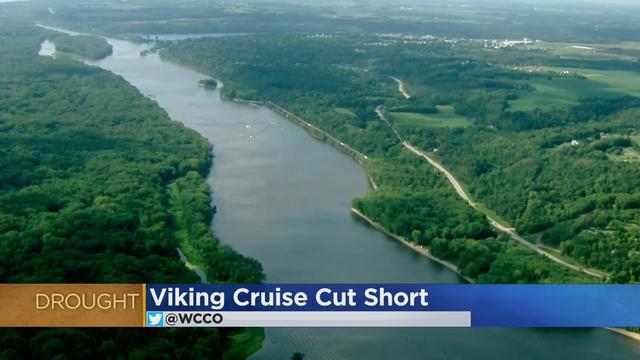
The Viking Cruise company says the water level on the Mississippi River is just too low to continue traveling. The company says it won't make it back in time for their next cruise departure on October 15, but they do expect their future trips will leave on time.
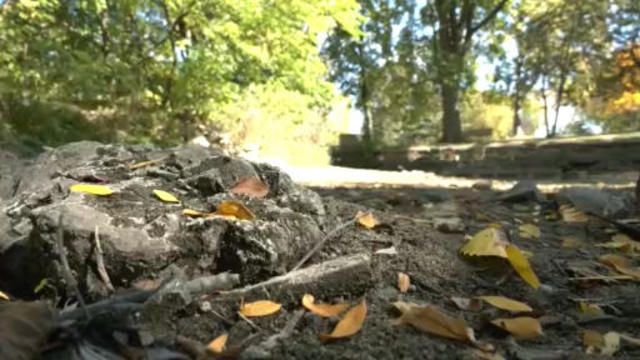
Parts of Minnesota are now under extreme drought conditions, after the driest September on record in the Twin Cities and sparse amounts of rain over the last week.