What would happen if daylight saving time was year-round?
The U.S. House just voted to make daylight saving time permanent. In Good Question, Jeff Wagner explains how that could impact Minnesota and why our last attempt at getting rid of it failed.
Watch CBS News
The U.S. House just voted to make daylight saving time permanent. In Good Question, Jeff Wagner explains how that could impact Minnesota and why our last attempt at getting rid of it failed.

Bob Dylan once said, "The Times They Are A-Changin'" but if lawmakers have their way, that won't be the case twice a year. The U.S. House just voted to make Daylight Saving Time permanent. In Good Question, Jeff Wagner explains how that could impact Minnesota and why our last attempt at getting rid of it failed.
The measure also allows states to opt out if they take action before the federal law is enacted.
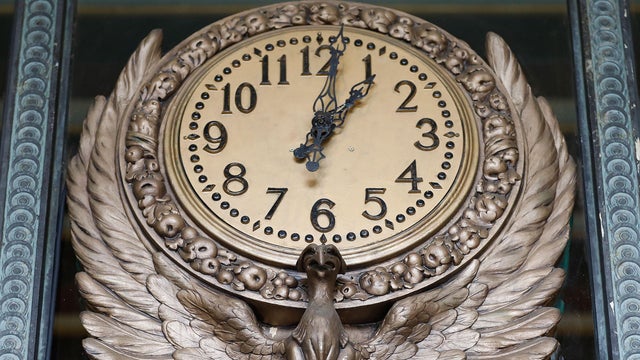
The time change known as daylight savings starts Sunday, March 8, 2026. Most Americans lose an hour of sleep when clocks "spring forward."
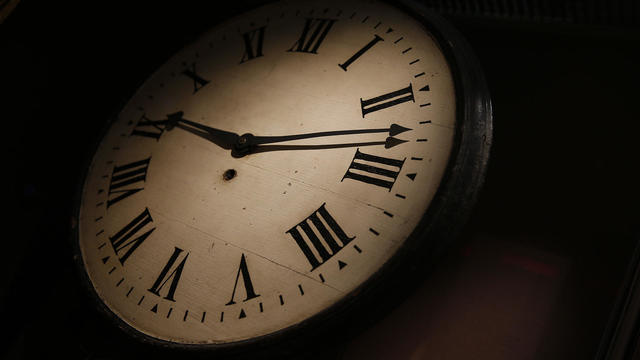
Longer and lighter days were supposed to save energy, reduce traffic accidents and help people become more active. Governments thought daylight saving time would save money.
Do you feel the impact when you lose an hour of sleep to daylight saving time? Are you looking forward to having it stay lighter at night later?
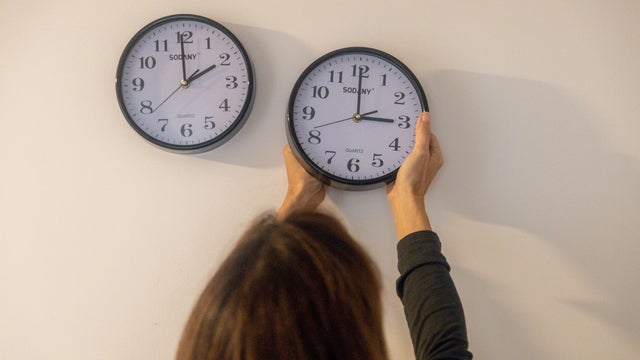
Daylight saving time ended on Sunday, Nov. 2, 2025, when the clocks fell back and we gained an hour.
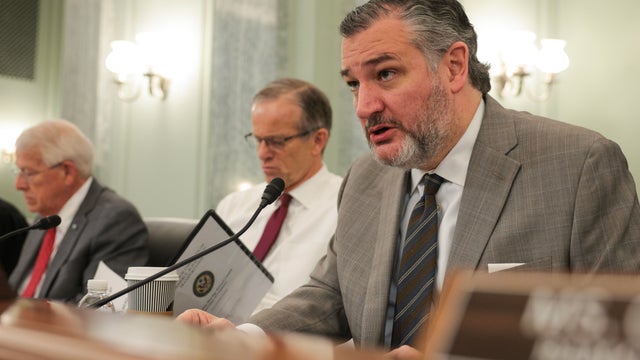
President Trump has suggested he supports eliminating daylight saving time, although he's also called it a "50/50 issue."

A sleep expert, lawmaker and former dairy farmer in Minnesota agree that the practice of daylight saving time has run its course.

Sleep experts, lawmakers and farmers in Minnesota share their thoughts on whether to keep daylight saving time.

Jeff Wagner has the latest updates and headlines.

Sleep is the rest and recovery bodies and brains need to be at our best once our eyes open again. Achieving that is easier said than done.
Clocks will spring ahead and we’ll lose an hour of sleep this weekend. Is it really necessary?
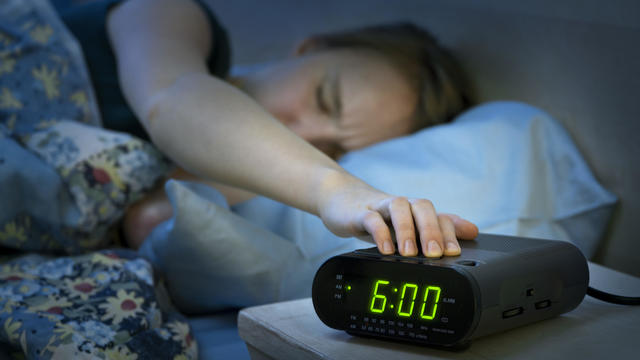
Just like the leaves, the clock falls back and some people fall off balance, according to Dr. Marcel Hungs, a neurologist and sleep medicine specialist at HealthPartners.

You may feel a bit more alert than you normally do this time of night. We all got an extra hour of sleep this weekend thanks to daylight saving time. But did it make a difference? Can you catch up on sleep? Good Question.
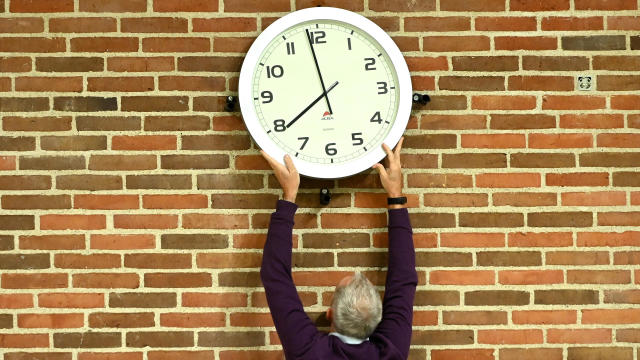
The end to daylight saving time means our clocks "fall back" early Sunday, Nov. 3, 2024. But why do we have to adjust the time twice a year?
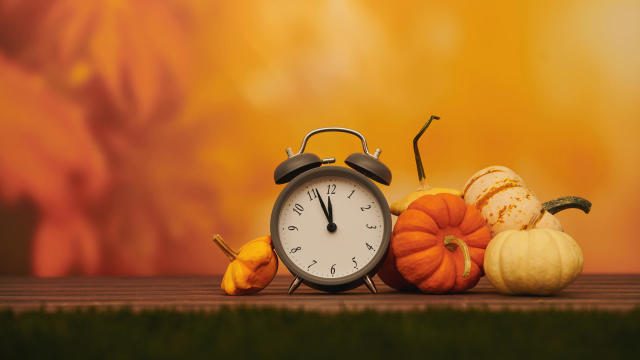
Gaining an extra hour of sleep as daylight saving time ends might sound like a win, but experts say "falling back" can have some health consequences. Here's some advice to help you cope.
New research out of Australia shows exercise is at the heart of sleep quality.
Daylight saving time for 2024 is here, which means we lost an hour of sleep as we "spring forward." Here's how to deal with the time change, according to experts.
Clocks "spring forward" when daylight saving time begins on Sunday, March 10, 2024.
Daylight saving time is returning in March 2024 the same way the twice-a-year time change has resumed for the last 17 years, only to end as usual in November 2024.
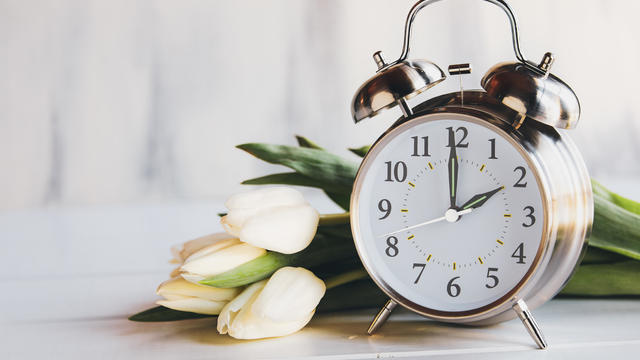
This weekend we lose an hour of sleep as we spring forward into daylight saving time. The twice-a-year clock change has long been debated, and that might have you wondering: What would happen if daylight saving time was year-round?
Many health groups say the abrupt time shift disrupts circadian rhythms, leading to fatigue and a higher risk of heart attacks and strokes.
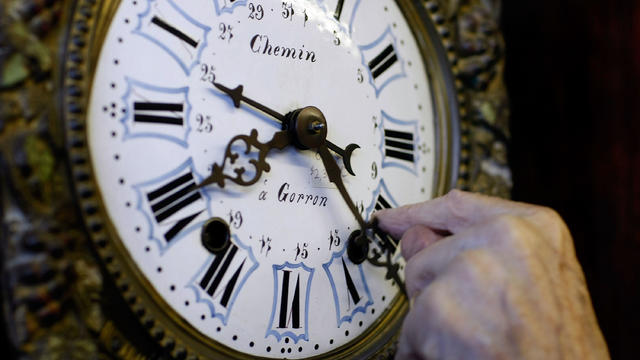
Daylight saving time for 2023 will end in early November with most Americans having to "fall back" for the biannual time change and turn their clocks back an hour.
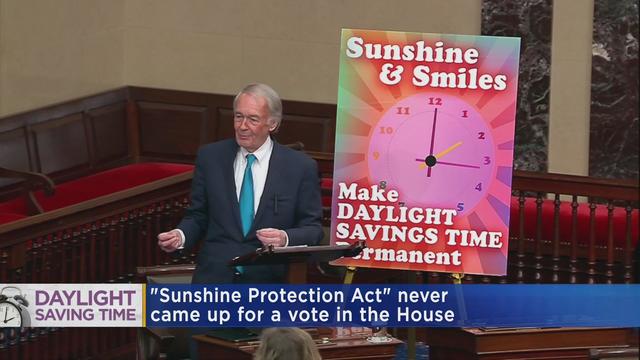
Daylight saving time ends on Sunday. It means we'll have to set our clocks back an hour and lose an hour of sunlight in the evening. This might not always be the case in the future.