U.S. restarts blockade and strikes Iran as Trump seeks control of Strait of Hormuz
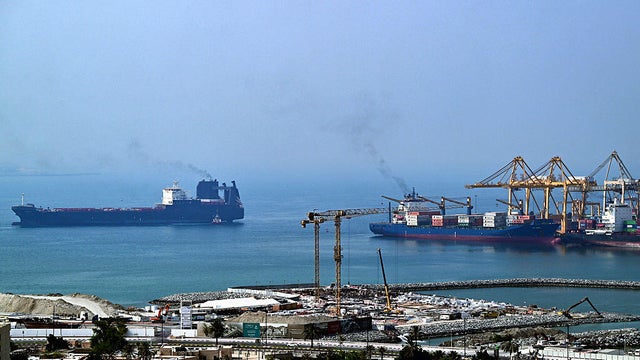
As the U.S. restarts its Iran blockade and carries out more strikes, President Trump has called off a planned 20% fee on shipping through the Strait of Hormuz.
Watch CBS News
As the U.S. restarts its Iran blockade and carries out more strikes, President Trump has called off a planned 20% fee on shipping through the Strait of Hormuz.
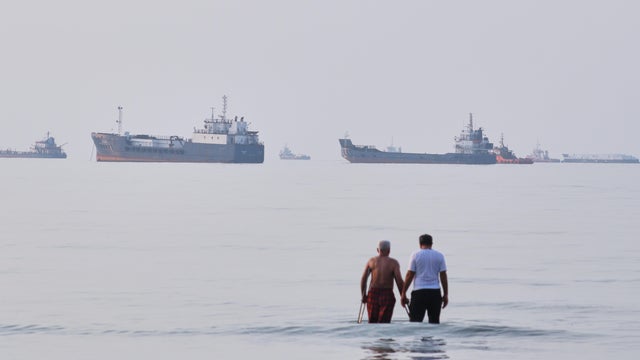
Industry insiders say "there is no legal basis" for Trump to impose a 20% fee on cargo transiting the Strait of Hormuz, something he now says he's decided not to do.
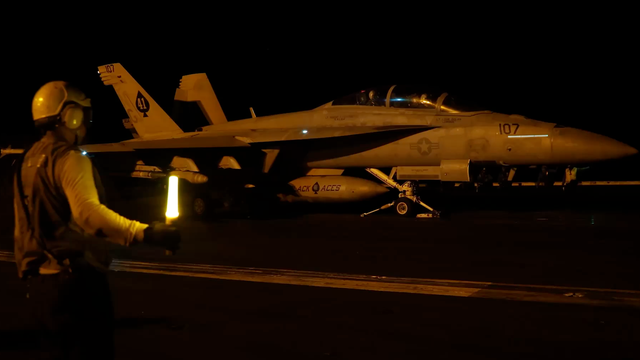
U.S. forces conducted more rounds of strikes on Iran this week, one of which was in retaliation for an attack on a commercial ship in the Strait of Hormuz, the Pentagon said.
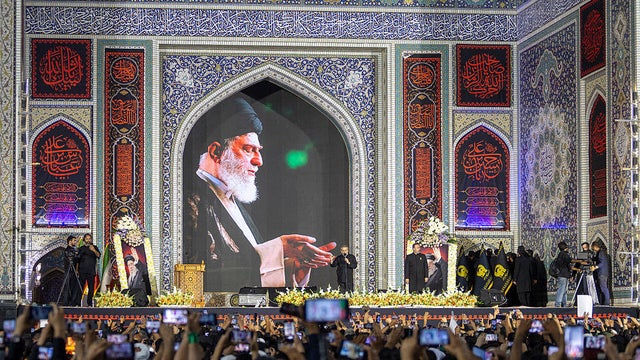
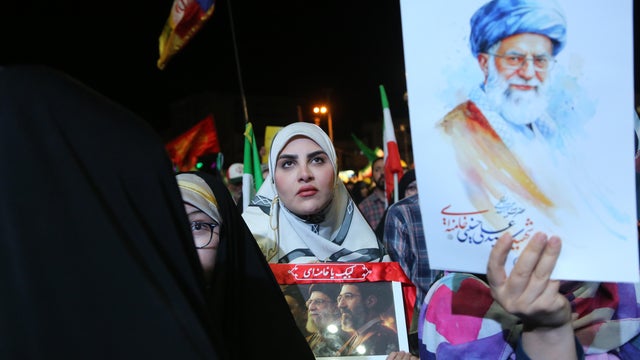
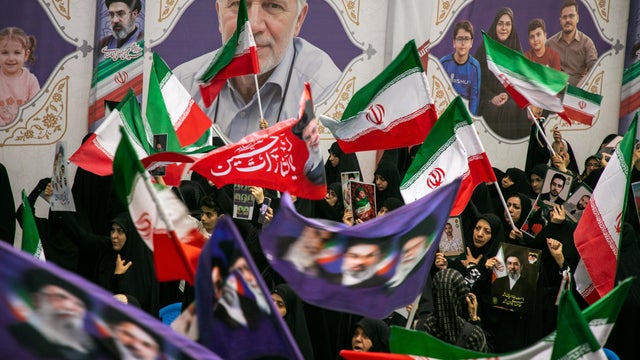
Iran's former Supreme Leader Ali Khamenei was buried amid an escalating exchange of fire on the 132nd day of the war.
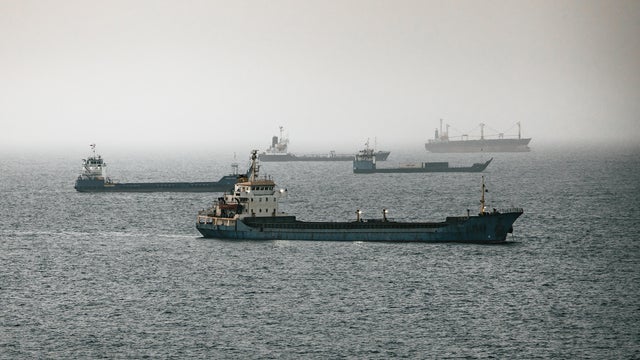
With peace talks on hold, the U.S. said it launched a "series of powerful strikes" on Iran in response to Iranian attacks on three commercial vessels in the Strait of Hormuz.
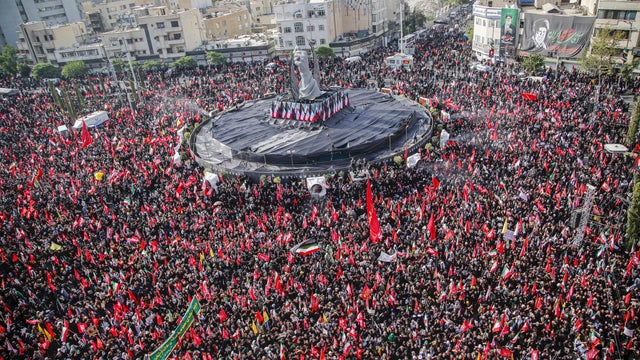
The U.S. is "going to win one way or the other," President Trump said Monday, as Iran held a colossal public funeral for its slain supreme leader.
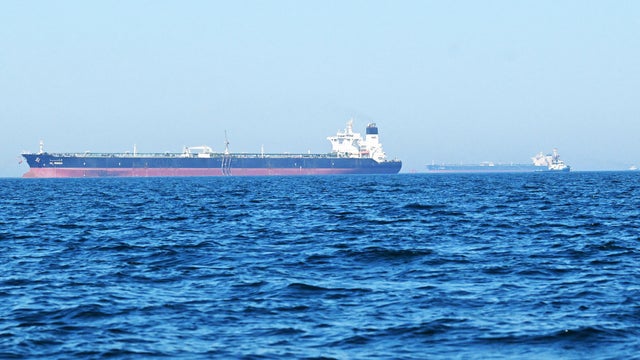
Iran launched drone and missile attacks targeting Kuwait and Bahrain on Sunday after the U.S. and Iran traded attacks earlier over the weekend.

Iran insists there are no plans for inspections of its bombed nuclear sites, but Trump says Tehran "fully and completely" agreed to let inspectors return.
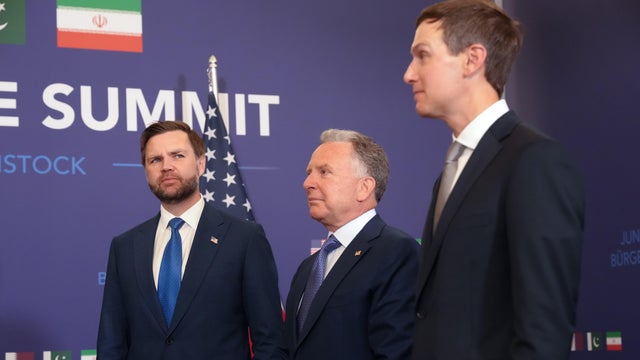
Vance says Iran agreed to let international nuclear inspectors back into the country during a "very, very good" first day of negotiations with the U.S.
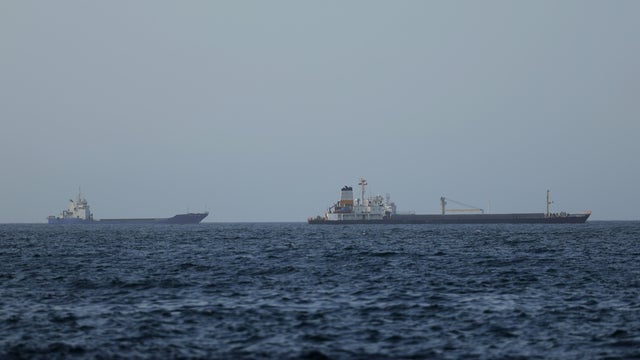
The negotiations were expected to start as soon as this weekend, but Vice President Vance's trip there was put off and Switzerland said the negotiations have been postponed.
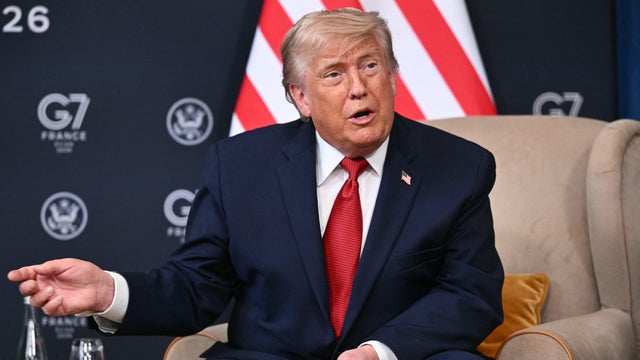
President Trump warned he could order new strikes if Iran's leaders "don't behave." The U.S. and Iran signed the memo of understanding remotely, a White House official said.
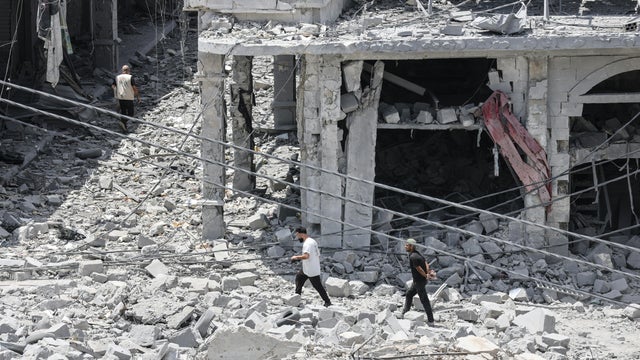
Senior U.S. officials say President Trump and Iran's top negotiator have already remotely signed a memorandum of understanding ahead of an expected signing ceremony.
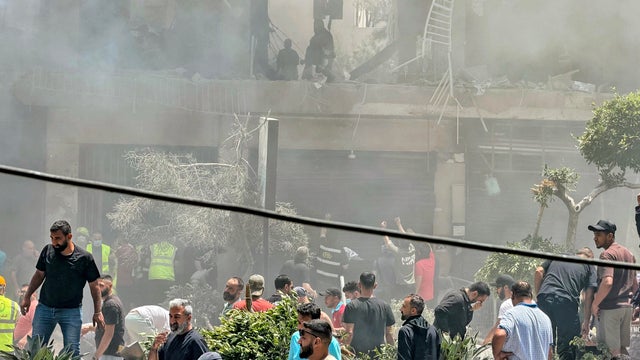
Pakistan's prime minister said Sunday the U.S. and Iran had reached a deal that includes "the immediate and permanent termination of military operations on all fronts, including in Lebanon."
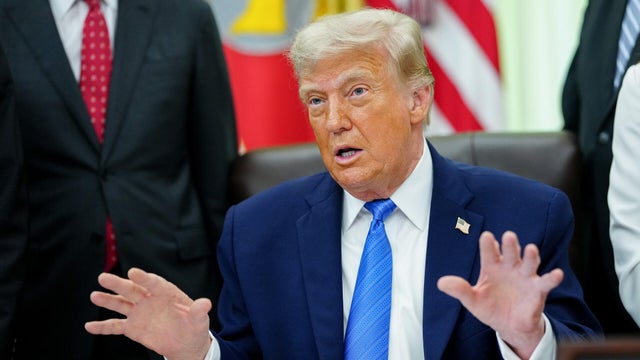
President Trump said earlier Thursday he called off new military strikes on Iran, hours after threatening to escalate the war.
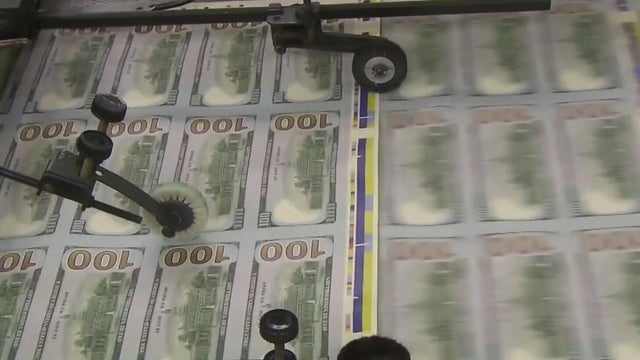
Experts said prices are rising faster than paychecks, and the average household is feeling the squeeze.
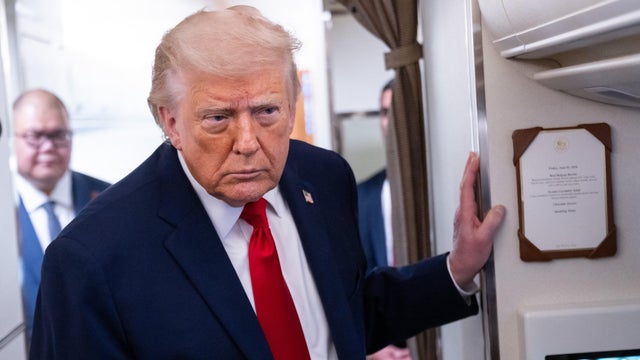
The two helicopter pilots were uninjured. After the retaliatory strikes were announced, President Trump said, "I believe the response should be very strong, very powerful."
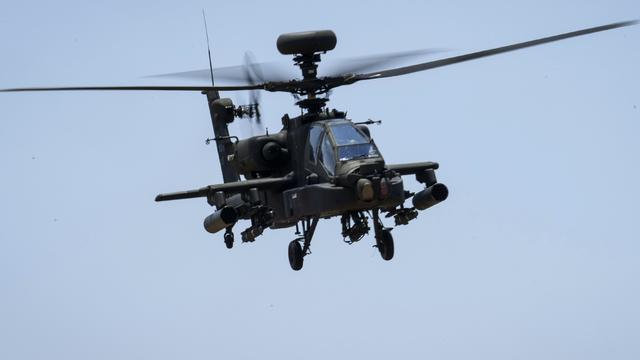
The two crew members were rescued by a sea drone in the first such operation ever carried out by the U.S. military, officials told CBS News.
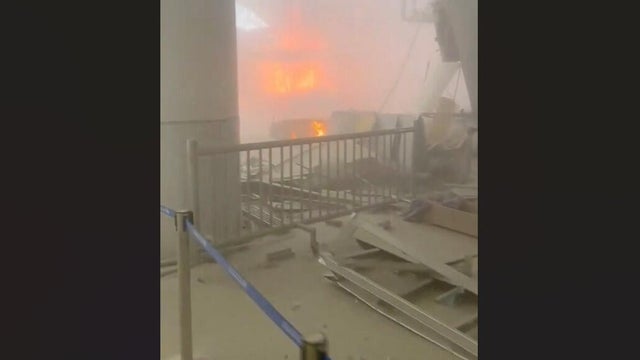
Israel and Lebanon agreed Wednesday to renew their fragile ceasefire and create a number of "pilot" security zones inside Lebanon where Hezbollah would be banned.
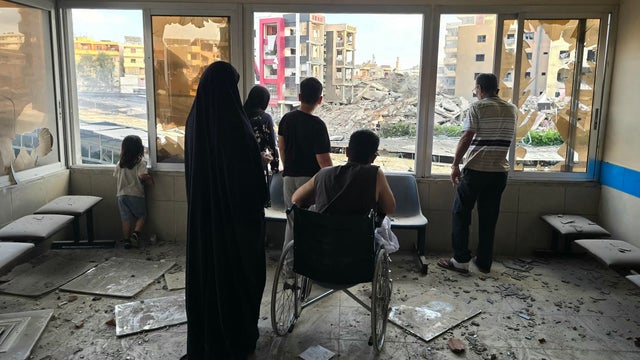
Prospects for a U.S.-Iran deal appear to be dimming as the war between Israel and Hezbollah grinds on despite Trump saying they agreed to stop fighting.
The Iranians' latest move in the war came in response to what it considers U.S. and Israeli ceasefire violations.
President Trump's changes included somewhat significant changes, according to a source with knowledge of the negotiations.
The vice president says the U.S. and Iran are "very close" to a deal, but are "not there yet." Meanwhile, the U.S. struck Iran, which retaliated against a U.S. base.
The U.S. and Iran had appeared ready to de-escalate before the U.S. military conducted what it said were defensive strikes against Iran on Wednesday.
As Iran accuses the U.S. of a "grave violation" of the fragile ceasefire, Rubio says a deal is still possible despite the latest clash.
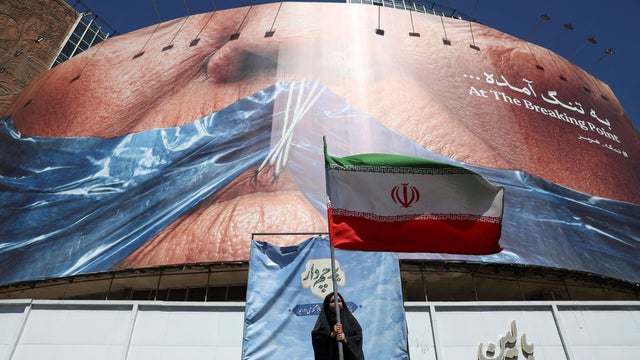
As the Trump administration signals hope for a possible deal, Iran says obstacles linger and that "frequent changes" in U.S. positions aren't helping.