Trump says Iran talks continuing after regime threatens "other fronts" in war
The Iranians' latest move in the war came in response to what it considers U.S. and Israeli ceasefire violations.
Watch CBS News
The Iranians' latest move in the war came in response to what it considers U.S. and Israeli ceasefire violations.
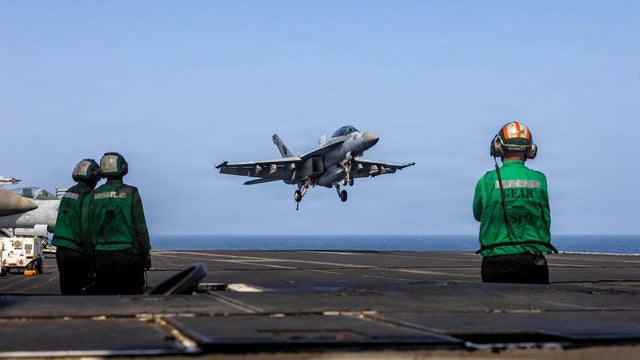
The vice president says the U.S. and Iran are "very close" to a deal, but are "not there yet." Meanwhile, the U.S. struck Iran, which retaliated against a U.S. base.
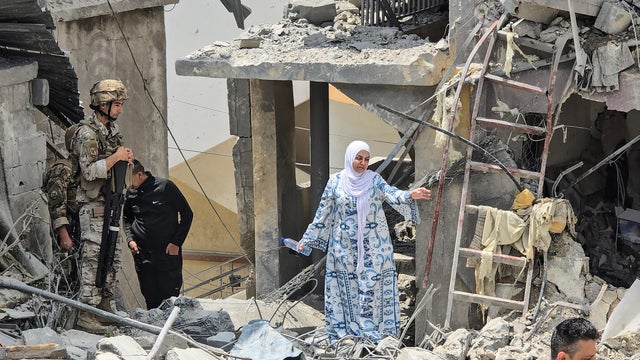
The U.S. and Iran had appeared ready to de-escalate before the U.S. military conducted what it said were defensive strikes against Iran on Wednesday.
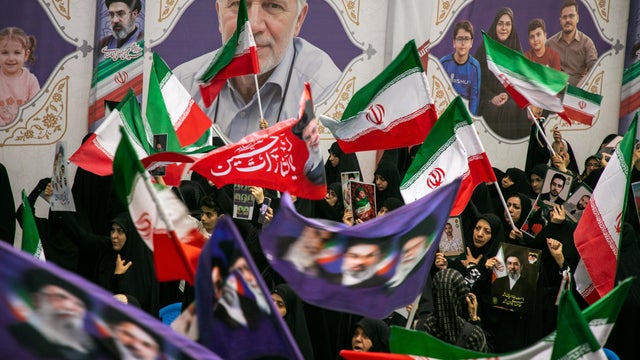
As Iran accuses the U.S. of a "grave violation" of the fragile ceasefire, Rubio says a deal is still possible despite the latest clash.
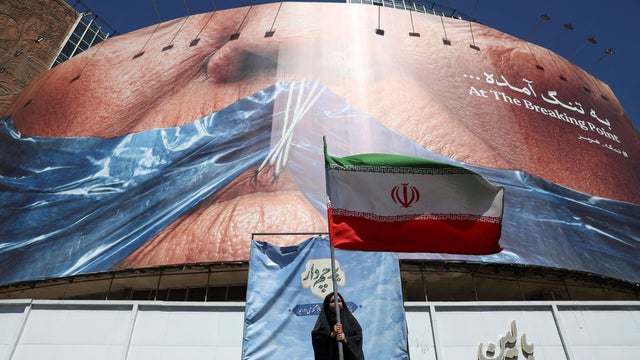
As the Trump administration signals hope for a possible deal, Iran says obstacles linger and that "frequent changes" in U.S. positions aren't helping.
There is broad commitment on the principles of a deal, a senior Trump administration official said, and the administration feels positive about where things stand.
Iran says it's considering the latest U.S. peace offer, as President Trump says he's willing to wait "a couple of days" for a response.
Iran warns any new U.S. attacks will bring a "bad result," as President Trump acknowledges the ceasefire is faltering and violence flares in Lebanon.
Hegseth said the ceasefire with Iran "certainly holds" for now after a naval clash between Iranian and U.S. forces and renewed attacks on the UAE.
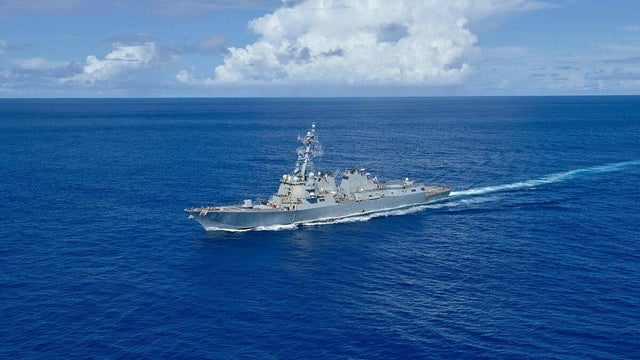
Iran launched attacks on the UAE and tankers in the Strait of Hormuz while the U.S. destroyed Iranian boats "that attempted to interfere" with Project Freedom.
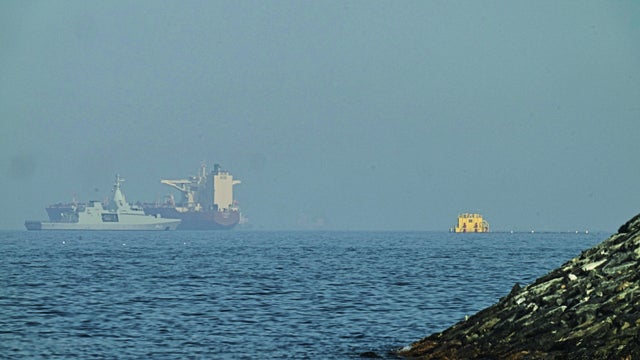
President Trump announced the U.S. would "guide" ships not involved in the war with Iran out of the Strait of Hormuz. A U.S.-led task force says it has started the operation.
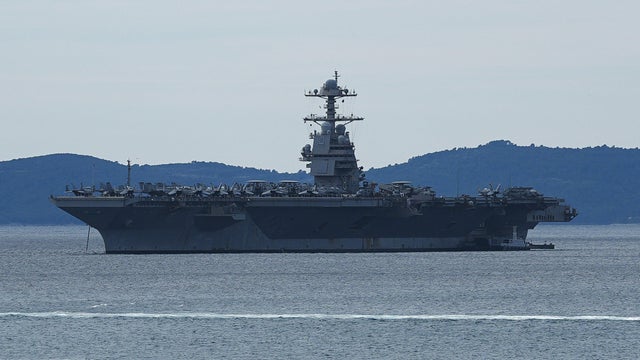
The USS Gerald R. Ford aircraft carrier is expected to leave the Middle East in the coming days, a U.S. official confirmed to CBS News.
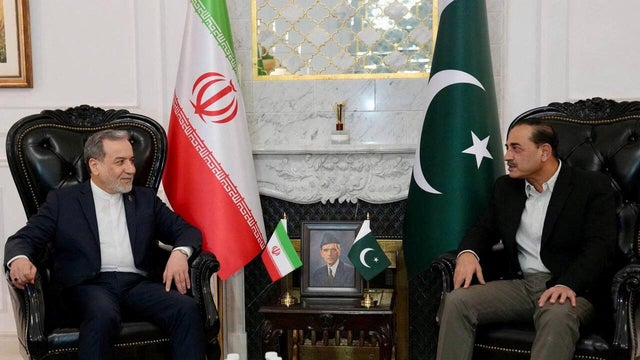
Iranian Foreign Minister Abbas Araghchi returned to Islamabad on Sunday, where he participated in talks focused on ending the war with the U.S., Iranian state media reported.
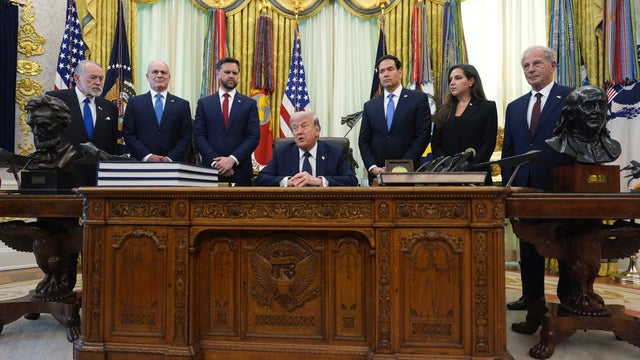
Following a second round of peace talks in Washington, President Trump announced that the Israel-Lebanon ceasefire had been extended by three weeks.
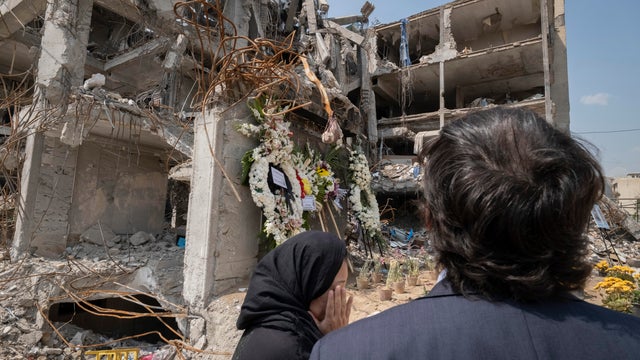
Iran balked at President Trump's demands for a peace deal amid a standoff over the Strait of Hormuz, as fear the war could reignite hits oil and energy markets.
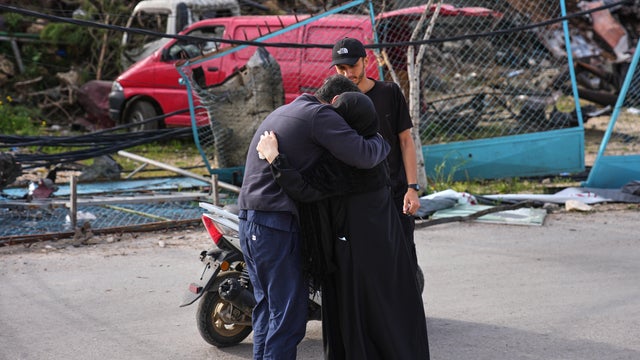
The leaders of Lebanon and Israel agreed to start a 10-day truce at 5 p.m. Eastern Time Thursday.
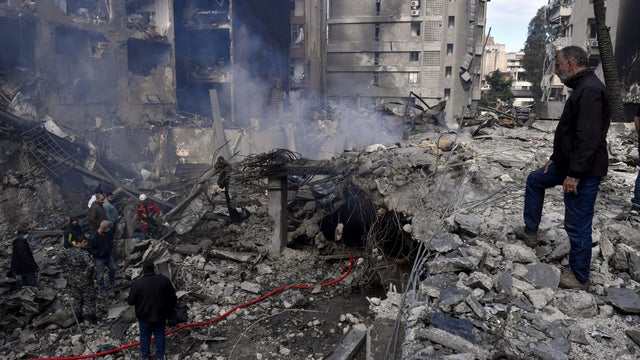
Only about a dozen ships passed through the Strait of Hormuz in the first two days of the ceasefire, far below normal traffic levels before the war, data shows.
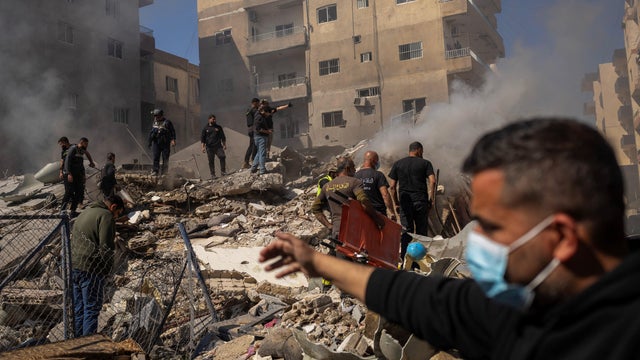
Iran says Israel is violating the ceasefire deal President Trump announced, and Tehran appears to still have control over shipping in the Strait of Hormuz.
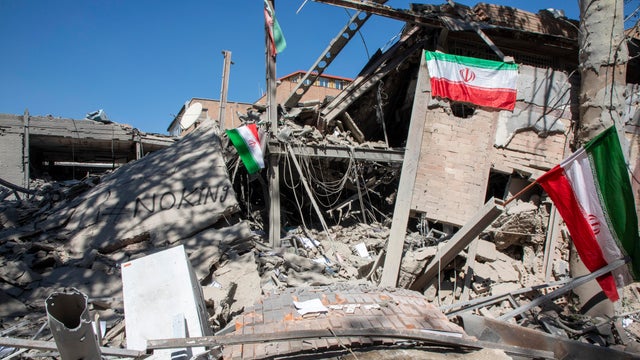
President Trump announced that the U.S. and Iran had agreed to a two-week ceasefire that was contingent on the reopening of the Strait of Hormuz.
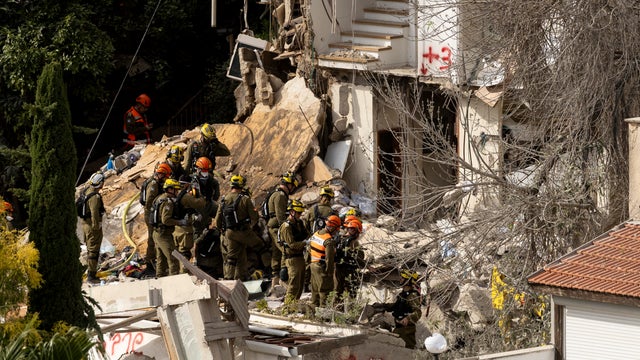
President Trump's deadline for Iran to reach a deal to end the war or face punishing strikes on its bridges and power plants is less than 24 hours away.
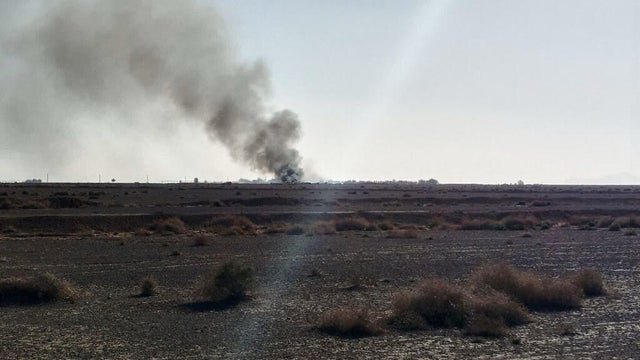
President Trump hailed the rescue of a U.S. airman who was missing almost two days inside Iran — and threatened to hit power plants if Iran doesn't reopen the Strait of Hormuz.
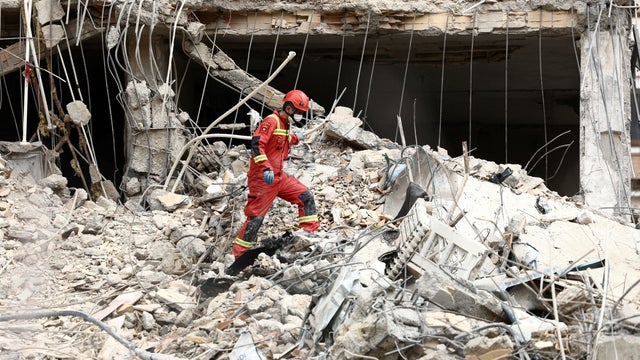
As Iran threatens to mine the entire Persian Gulf, President Trump said his deadline for the Strait of Hormuz to reopen is postponed amid negotiations with Tehran.
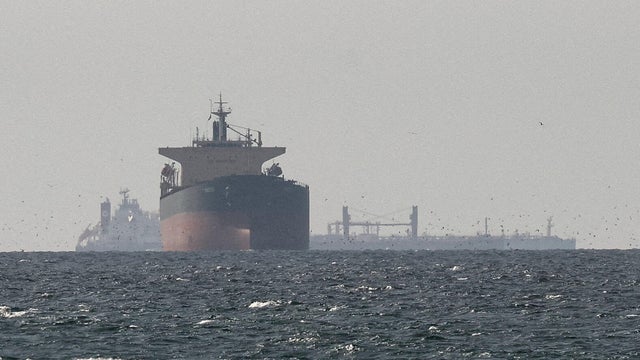
The president threatened to "obliterate" Iranian power plants if Iran didn't reopen the Strait of Hormuz by late Monday night Eastern Daylight Time.
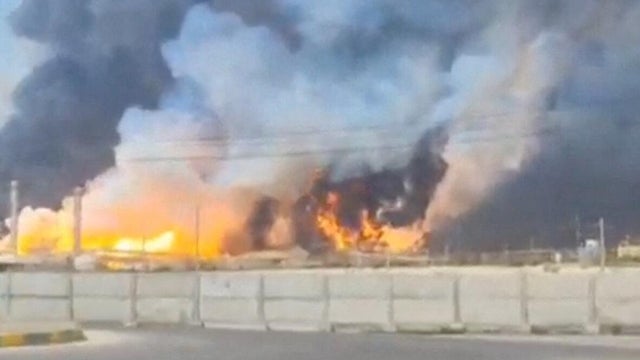
As Iran retaliates for an Israeli strike on the South Pars gas field, one analyst warns the war is "now hitting the plumbing of the global energy system."
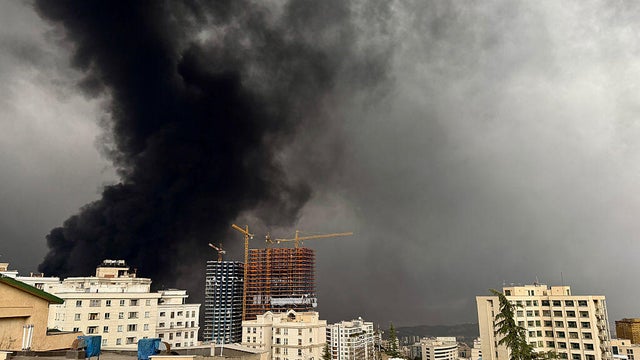
President Trump says the U.S. has diminished Iran's military and regime and will continue to expand its targets inside Iran.