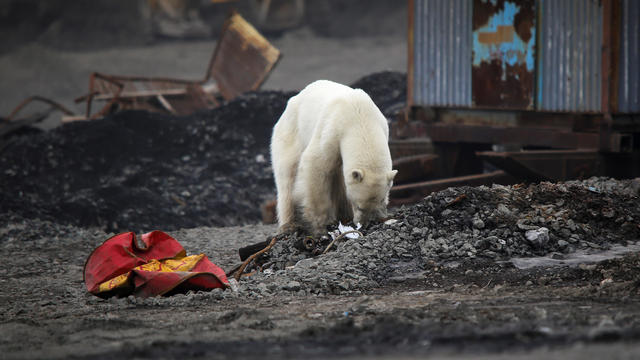
Polar bears could be wiped out by end of century
On current trends, the study concluded, polar bears in 12 of 13 subpopulations analyzed will have been decimated within 80 years.
Watch CBS News
On current trends, the study concluded, polar bears in 12 of 13 subpopulations analyzed will have been decimated within 80 years.

Financial advisers worry a new rule will divert 401(k) funds from profitable environmental investments into fossil fuels.
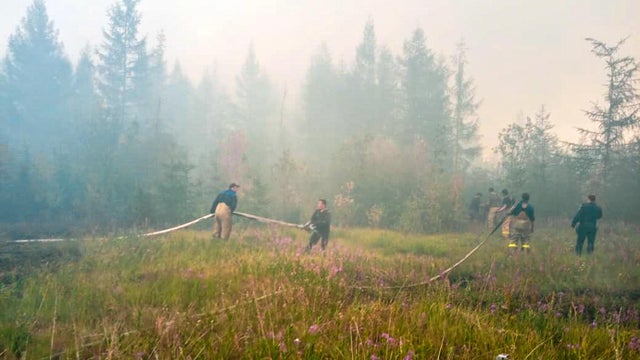
A town in Siberia recently hit a record 100.4 degrees Fahrenheit, and scientists say the role of climate change is "truly staggering."
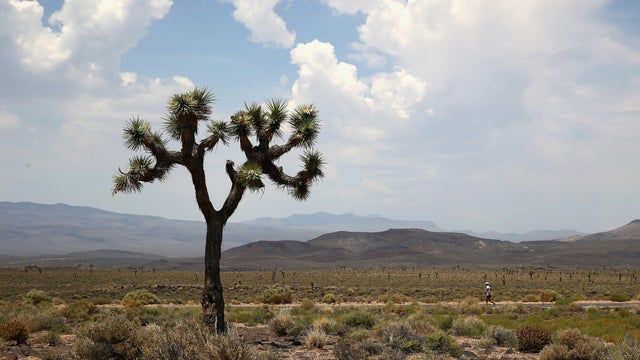
The brutal heat wave baking the Southwest and lower Plains states is going to move east and north to engulf much of the nation this week.
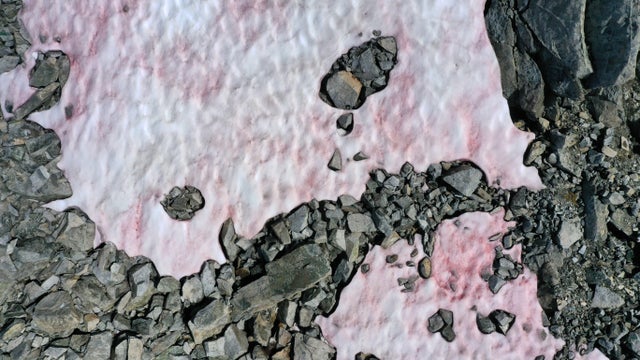
The bizarre pink snow can accelerate snow melt in the fragile mountain region.
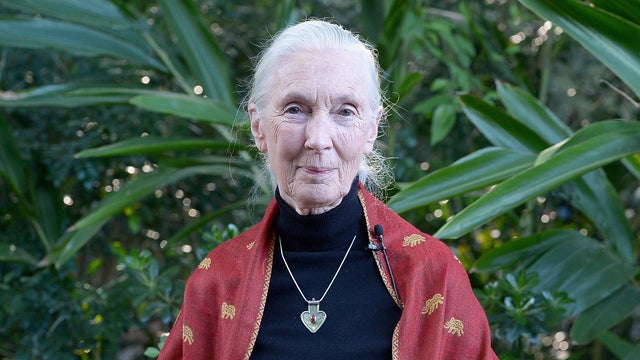
The world-renowned conservationist desperately wants the world to pay attention to what she sees as the greatest threat to humanity's existence.
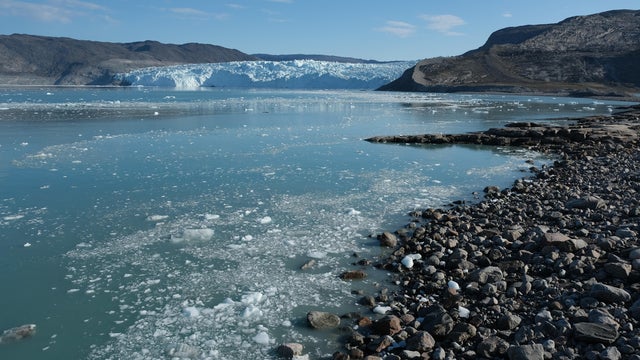
As the extreme northern heat wave continues, it's so warm in Norway people are skiing on glaciers in swimsuits.
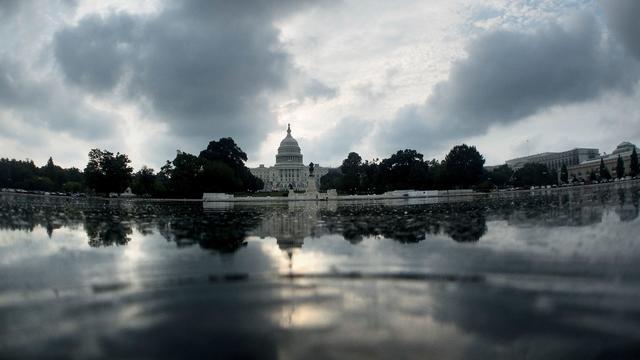
The House Select Committee on the Climate Crisis unveiled its plan for "a clean energy economy that puts families and workers first."
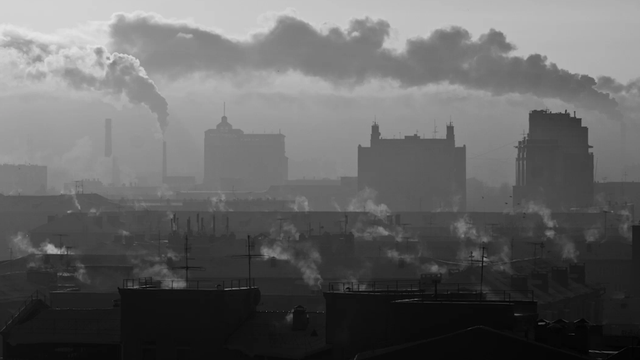
Reaching 100 degrees in or near the Arctic is almost unheard of.
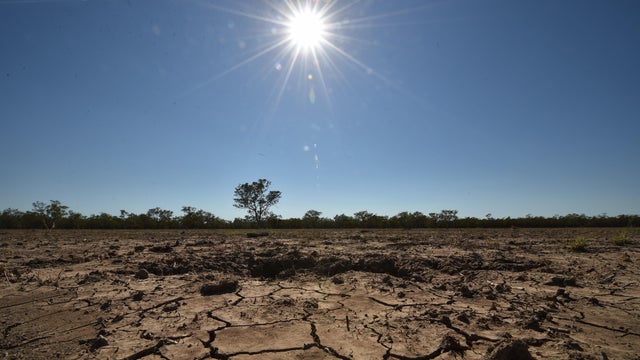
With a dramatic rise in temperatures in the Arctic, the world on track to break heat records again.
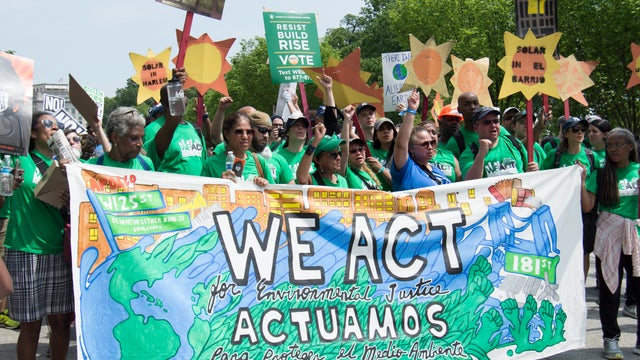
Peggy Shepard, the co-founder of WE ACT, talks to CBS News about the problem of environmental racism and what can be done to make communities safer and healthier.

The absorption of carbon dioxide by the planet's oceans is increasing, with warming temperatures forcing some marine species to migrate.
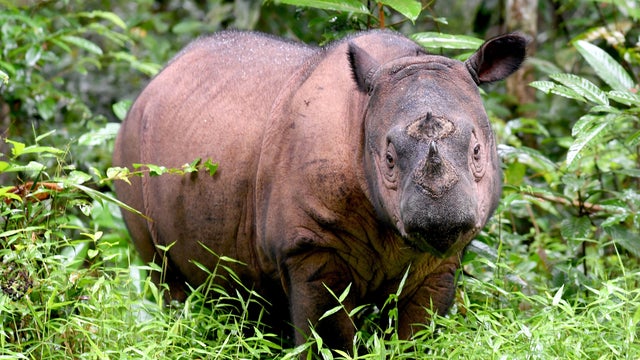
"We cannot separate ourselves from the natural world," said legendary conservationist Jane Goodall. "We continue to destroy it at our peril."
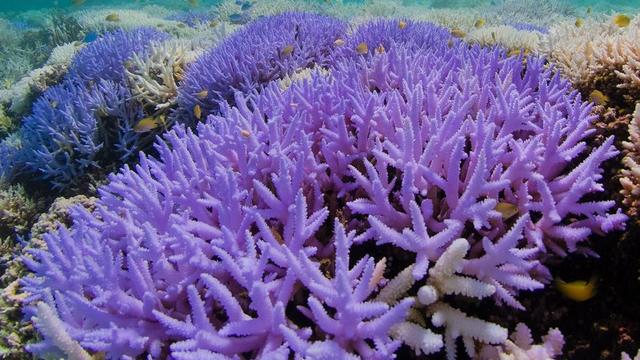
Coral reefs on the brink of death are attempting to send a survival signal, via fluorescent neon colors.
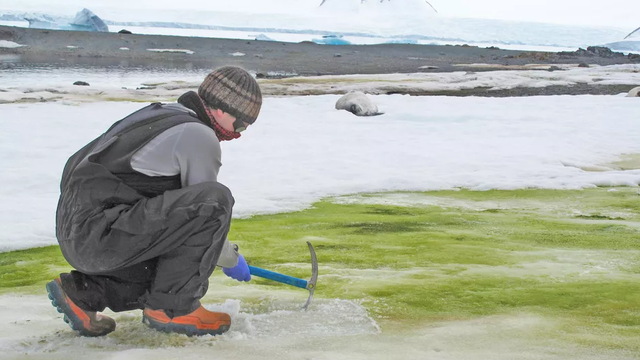
As the climate warms, scientists expect more and more of the snowy desert to turn bright green.
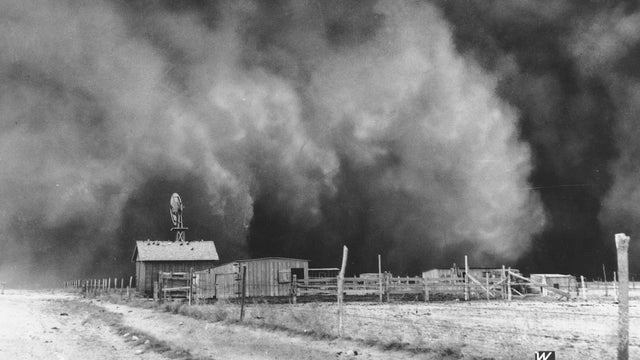
Instead of once in a century, such extreme heat could start coming around every 40 years, researchers say.
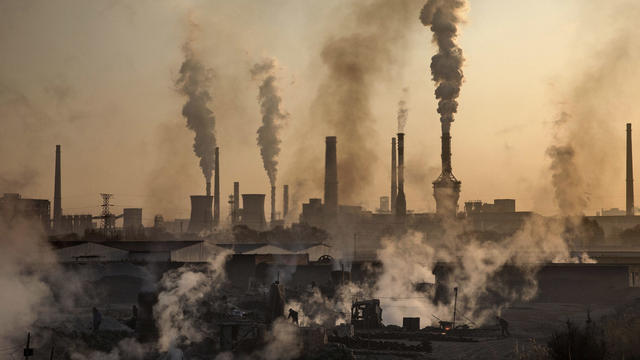
Lockdowns could lead to an annual emissions decline of up to 7% — the biggest emissions drop since World War II, researchers say.

As industry resumes, deadly pollutants hit levels in April even higher than last year, prompting warnings of a "dirty" economic rebound.

Carbon emissions growth has fallen below zero during India's coronavirus lockdowns, analysts say.
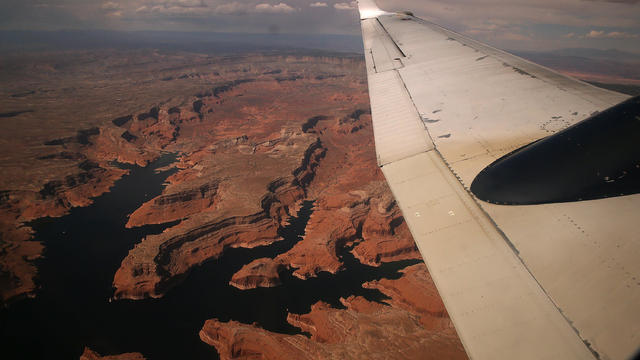
"The persistence of the drought conditions, in the Colorado River basin especially, is essentially unprecedented in human history," John Fleck, author of "Water is for Fighting Over," said.
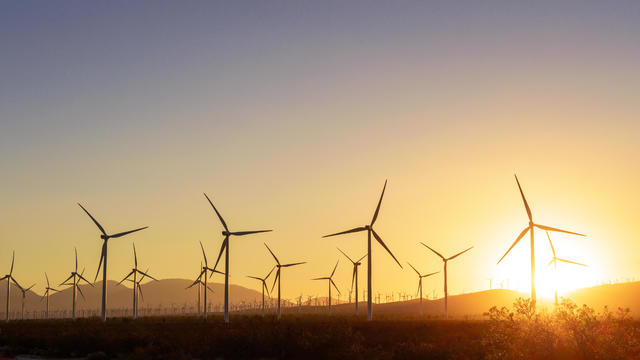
Coronavirus lockdowns have given solar, wind and hydropower a boost.

Researchers say deforestation in the Brazilian Amazon increased by more than 50% in the first three months of the year.
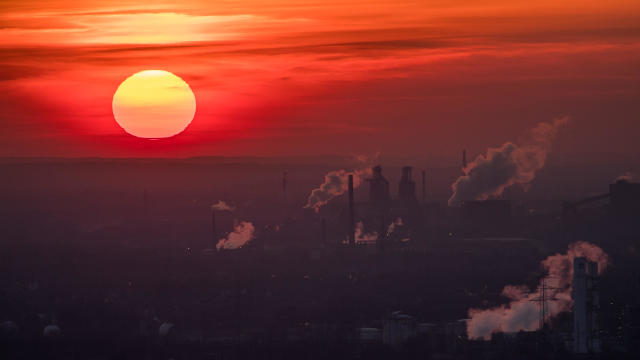
And most are likely to be too poor to afford air conditioning, researchers say. The culprit: climate change.
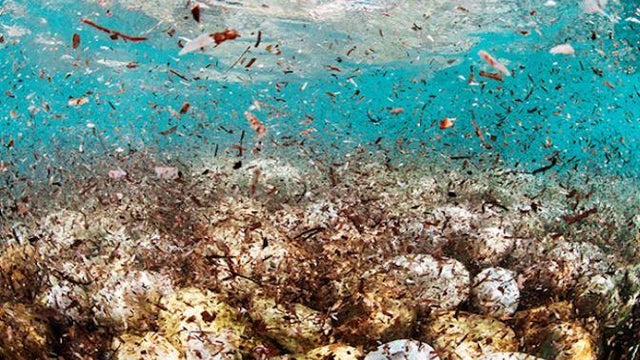
Researchers have found 1.9 million pieces of plastic in an 11-square-foot area of the sea — the highest-ever concentration of microplastics.
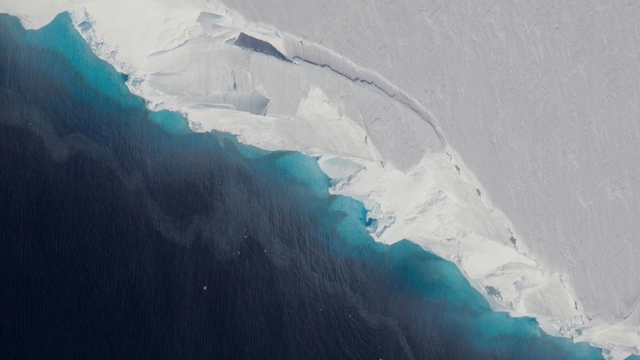
The two landmasses have lost about 5,000 gigatons of ice in the last decade and a half, which could fill around 2 billion Olympic-sized swimming pools.