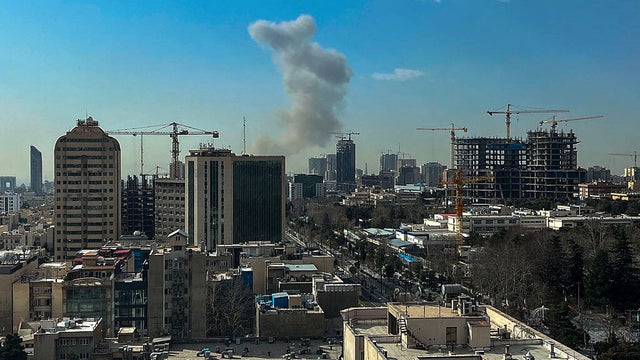
World leaders and governments react to U.S.-Israeli attacks on Iran
U.S. allies and adversaries responded to the joint attacks by the U.S. and Israel on Iran with concern over the risks of a new war in the Middle East.
Watch CBS News
U.S. allies and adversaries responded to the joint attacks by the U.S. and Israel on Iran with concern over the risks of a new war in the Middle East.
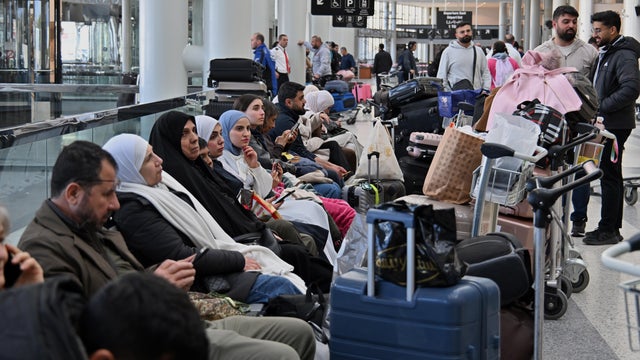
More than 2,400 flights were canceled Sunday across airports in the Middle East, according to flight tracker FlightAware.
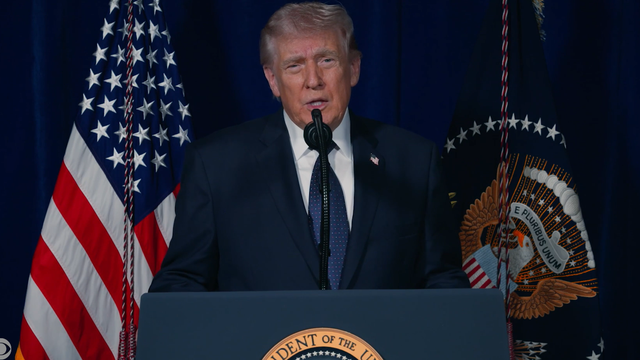
"Sadly, there will likely be more before it ends. That's the way it is. Likely be more," President Trump said after mentioning the three U.S. service members killed in the operation.
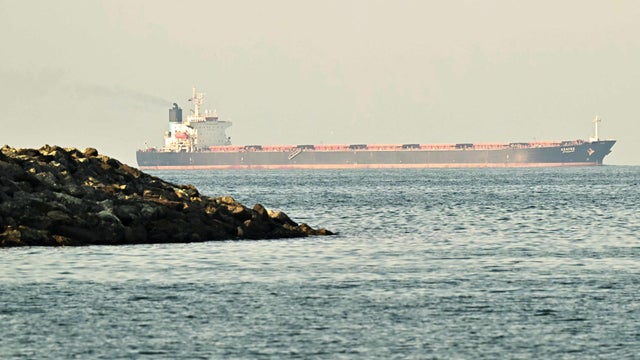
Oil prices rose sharply when market trading began late Sunday over concerns that the supply from Iran and elsewhere in the Middle East would slow or grind to a halt.
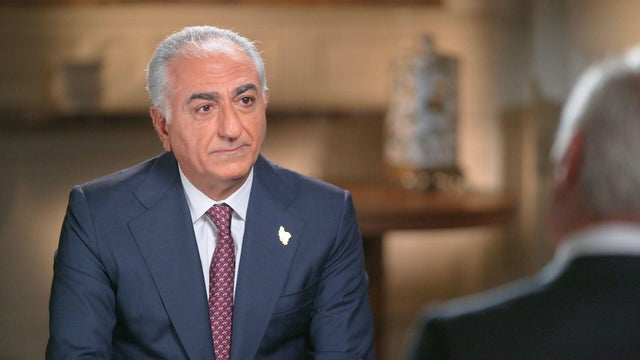
Reza Pahlavi, the son of the late deposed shah of Iran, said he hopes to help lead a transitional government in his home country.
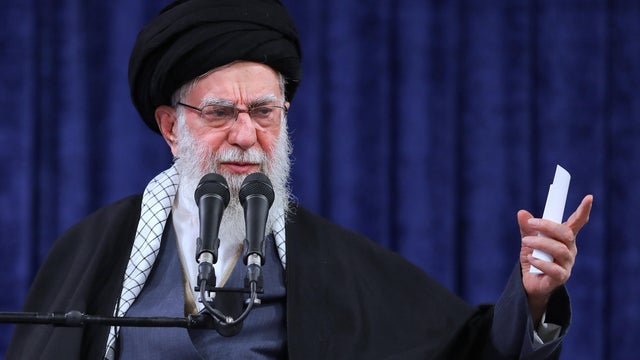
The CIA had tracked Khamenei's location for several months before the strike that killed him, a person familiar with the matter tells CBS News.
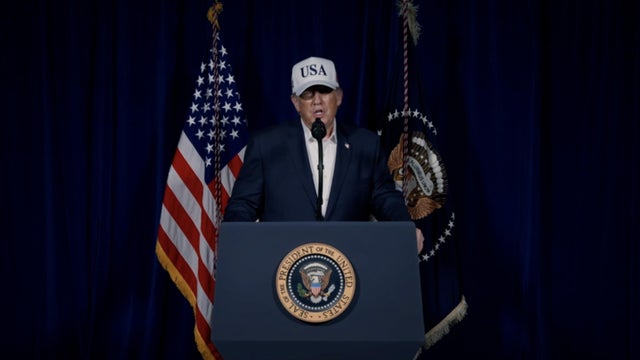
President Trump says his objective in attacking Iran "is to defend the American people by eliminating imminent threats" from the regime in Tehran. Read his full statement and watch the video here.
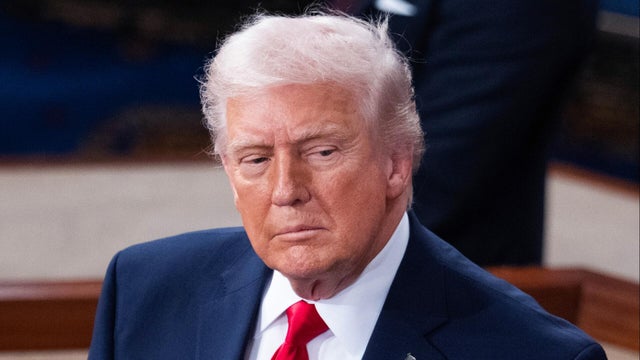
The president said the strikes have put immense pressure on Iran, and he believes the U.S.-Israeli military action can lead to an eventual diplomatic solution.
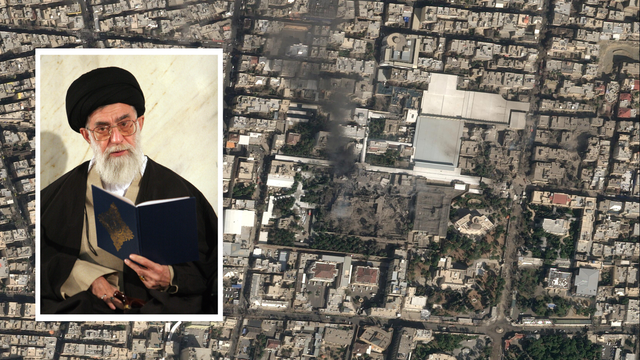
President Trump said that "heavy and pinpoint bombing" of Iran would "continue, uninterrupted throughout the week or, as long as necessary."
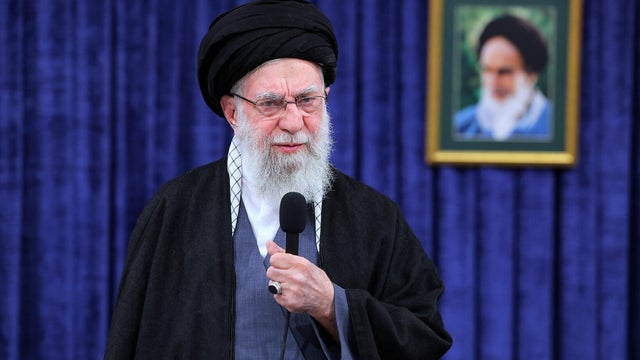
President Trump posted on social media that Iranian Supreme Leader Ayatollah Ali Khamenei had been killed after a massive U.S. and Israeli military operation Saturday.
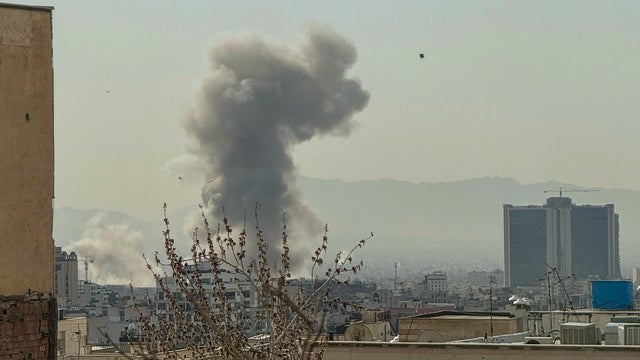
Trump ally Sen. Lindsey Graham said the operation would be "violent, extensive and I believe, at the end of the day, successful."
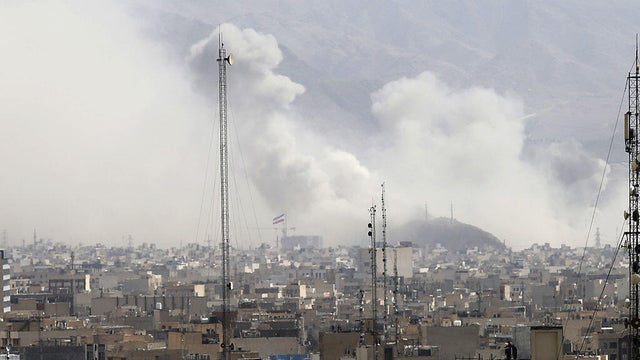
Americans weighed in on how long a conflict with Iran might last and what Congress should do.

President Trump launched military strikes on Iran after several rounds of talks over the country's nuclear program and uranium stockpiles. Here's what to know about the nuclear program.
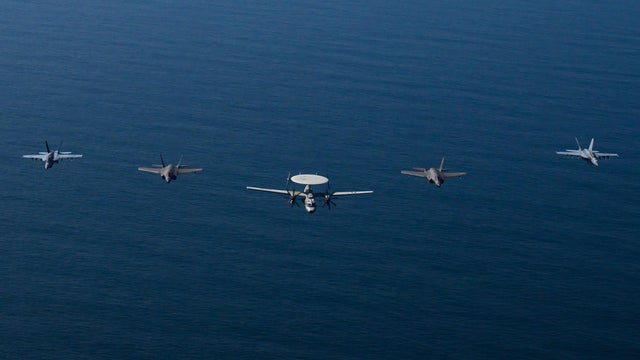
President Trump says he's considering limited strikes against Iran as negotiations over its nuclear program are underway. Here are some of the figures talking with him about the decision.
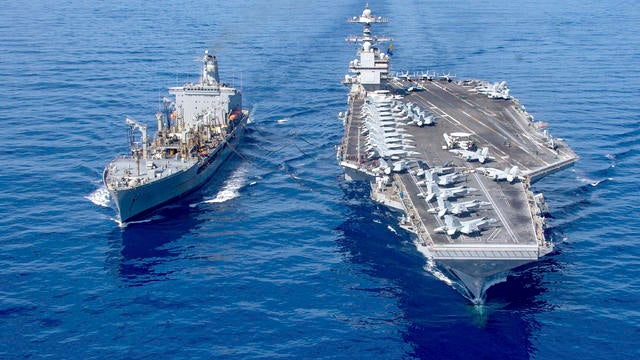
President Trump has not yet made a final decision about whether to strike Iran, sources told CBS News.
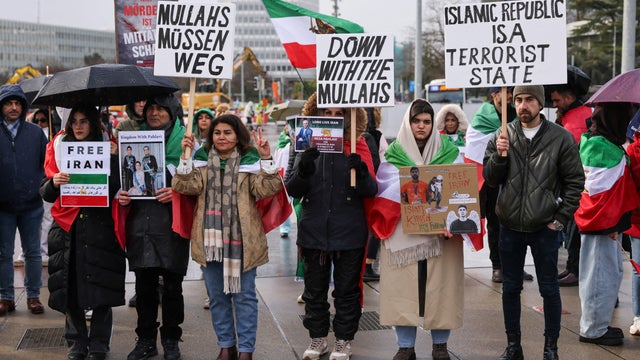
Iran and the U.S. traded threats and warnings even as negotiators sat down to discuss a deal to avert a war, but Tehran says "we now have a clearer path ahead."
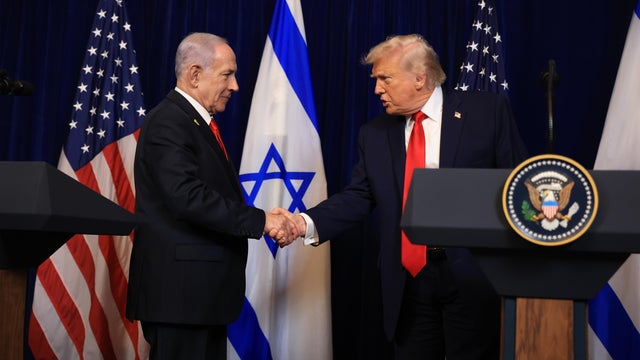
President Trump met with Israeli Prime Minister Benjamin Netanyahu in December at Mar-a-Lago with Mr. Trump saying the U.S. would support strikes if no deal was made with Iran.
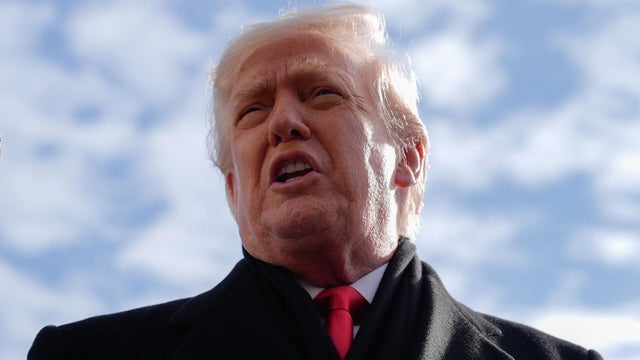
Suggesting Iran could suffer the same fate as Venezuela, Trump warns Tehran to negotiate a new nuclear agreement, or face "major destruction."
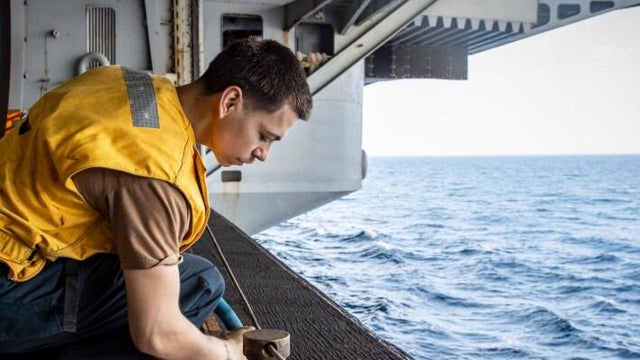
The USS Abraham Lincoln aircraft carrier strike group has crossed into Central Command, the Middle East region that includes Iran.
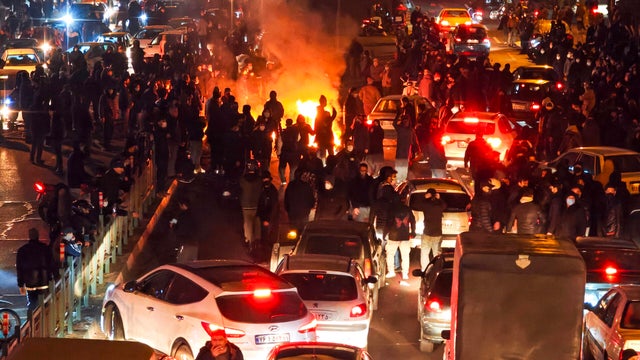
The country's leader criticized President Trump on Saturday, blaming him for "casualties, damages and accusations" against Iran.
North Texas Iranian Americans say they worry every minute about family members caught in the violence.

Rubina Aminian's mother forced her way into a morgue in search of her daughter, who her family says was shot in the head at close range.
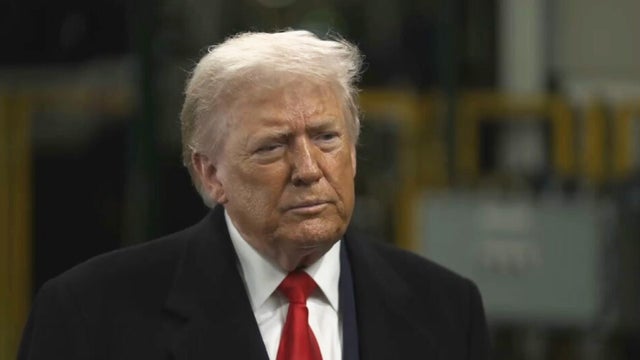
"We don't want to see what's happening in Iran happen," President Trump said in an exclusive interview that aired Tuesday on "CBS Evening News."
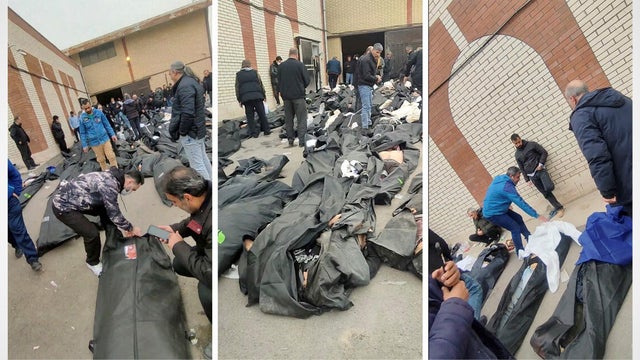
Information trickling out of Iran suggests a far deadlier crackdown on protesters than previously reported.
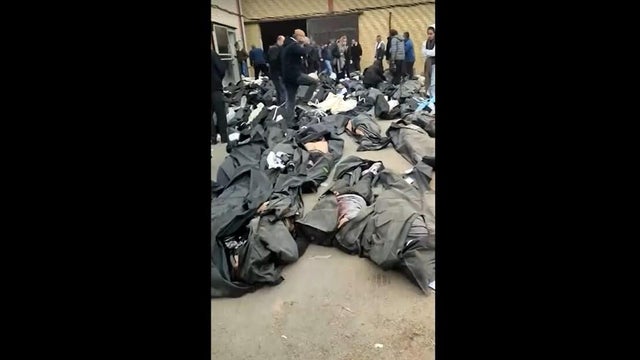
As Trump mulls his options, Iran's top diplomat claims more than two weeks of deadly anti-government unrest is under control, and he's willing to negotiate.