WHO: Letting virus spread to reach herd immunity is "unethical"
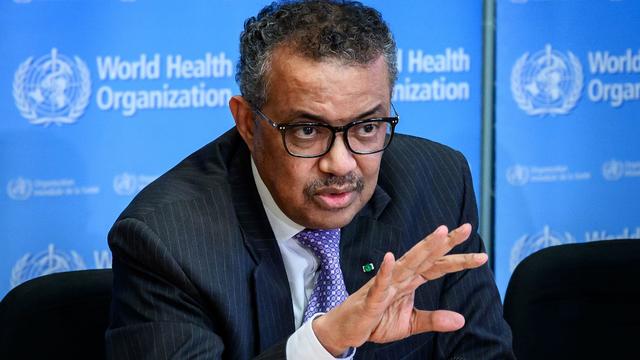
"Herd immunity is achieved by protecting people from a virus, not by exposing them to it," said the head of the World Health Organization.
Watch CBS News
"Herd immunity is achieved by protecting people from a virus, not by exposing them to it," said the head of the World Health Organization.

The World Health Organization has called on Europe to take urgent action as coronavirus cases continue to surge across the continent. New restrictions are being imposed on many key European cities, as daily infection rates reached 100,000. Nearly 37 million confirmed cases were reported worldwide Friday. Roxana Saberi breaks down how countries like the U.K., Spain and France are grappling with the pandemic.
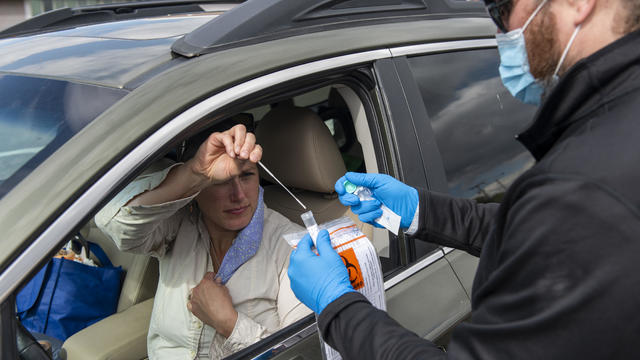
In contrast to early thinking about the importance of transmission by contact with large respiratory droplets, it turns out that a major way people become infected is by breathing in the virus.

There are nearly 30 million confirmed COVID-19 cases across, according to a tally by Johns Hopkins.
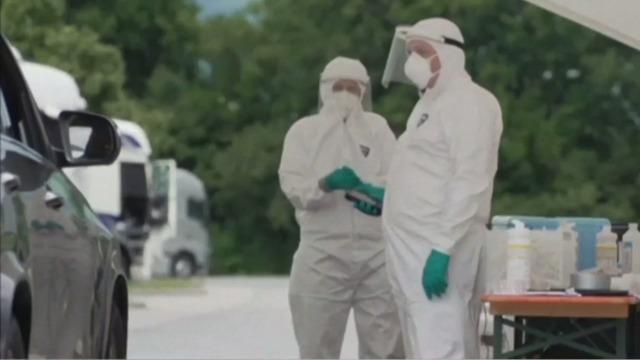
"We are by no means out of the woods," WHO chief says.
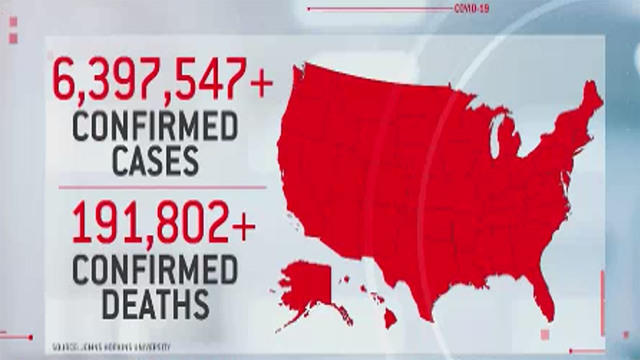
Today marks six months since the World Health Organization declared the coronavirus outbreak a global pandemic. Dr. Bob Lahita joined CBSN to walk us through what we can expect in the months ahead as the race for a vaccine intensifies with the flu season around the corner.
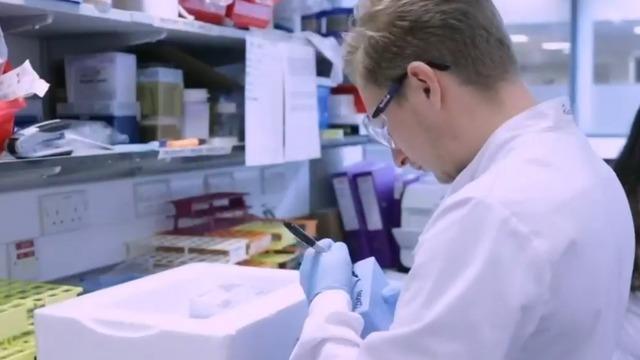
Many top scientists say a coronavirus vaccine could be ready before the end of the year, and President Trump has even said it could happen by Election Day. But it's a very challenging process CBS News' Natalie Brand reports on the latest developments, and Elaine Quijano of CBSN's "Red & Blue" discussed that deadline and how scientists conduct clinical trials with Dr. Wilbur Chen, associate professor of medicine at the University of Maryland, and chief of the Adult Clinical Studies Section within the Center for Vaccine Development and Global Health.
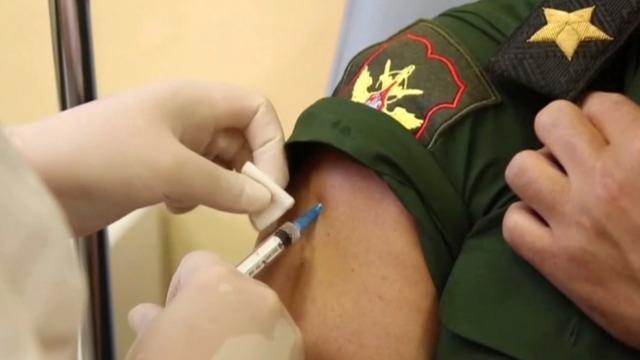
CBS News senior foreign correspondent Elizabeth Palmer reports on the overseas impact of COVID-19.
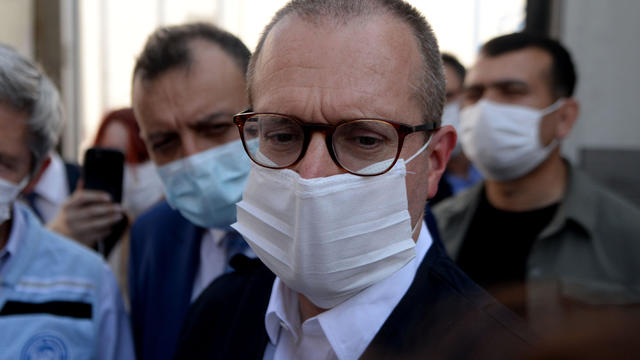
Dr. Hans Kluge said the increased case counts among young people could ultimately be passed on to more vulnerable older people.
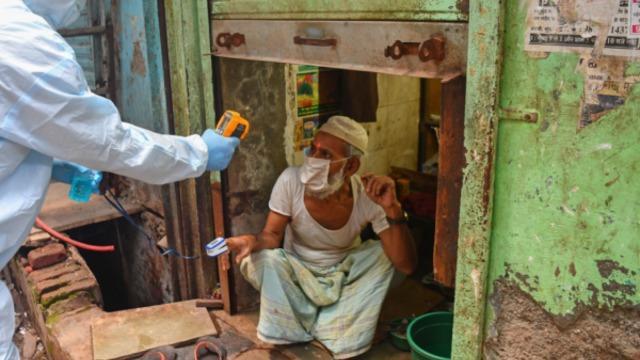
The international community is praising the coronavirus response in Asia's largest slum even as new threats loom. Health officials in Mumbai, India focused on ramping up their response efforts in Dharavi. Washington Post foreign correspondent Niha Masih joins CBSN to explain how the community was able to prevent a major outbreak.

Russia says it will approve the first COVID-19 vaccine next week even though the Phase 3 trial, to prove if it's safe and effective, is not complete. Dr. Bob Lahita joins CBSN's Anne-Marie Green to discuss the concerns.
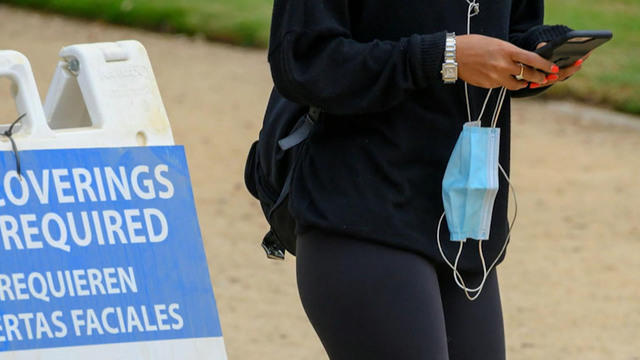
The World Health Organization is warning the road to normalcy will be long and that there may never be a "silver bullet" for the novel coronavirus. Dr. Shoshana Ungerleider joins CBSN to discuss the latest developments, including an increase in the projected number of U.S. deaths, and why wearing a face shield isn't as good as wearing a mask.

Sealed borders "not necessarily a sustainable strategy for the world's economy, for the world's poor, or for anybody else," top WHO official says.
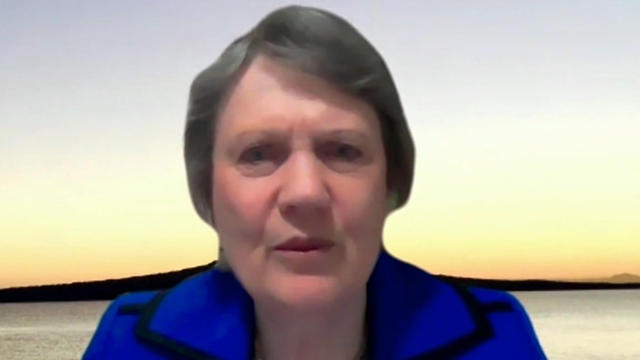
The World Health Organization set up an independent panel to review the organization’s response to the coronavirus pandemic. Former New Zealand Prime Minister Helen Clark will co-chair the panel's investigation. CBS News foreign affairs analyst Pamela Falk spoke with Clark about her plans.
"This has been a bad experience, and we need to learn from it," former New Zealand leader says of a new, independent panel's mandate.
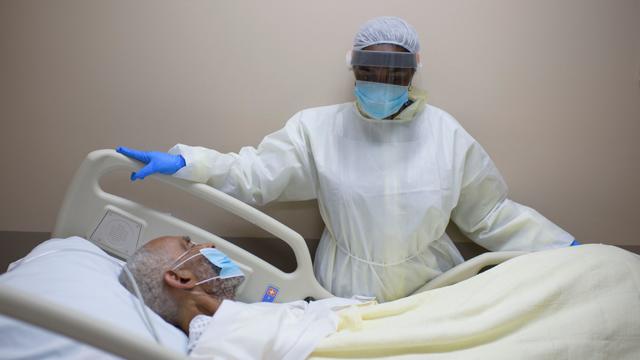
The World Health Organization warned that there could be no return to normality any time soon as too many countries were bungling their response to the pandemic.
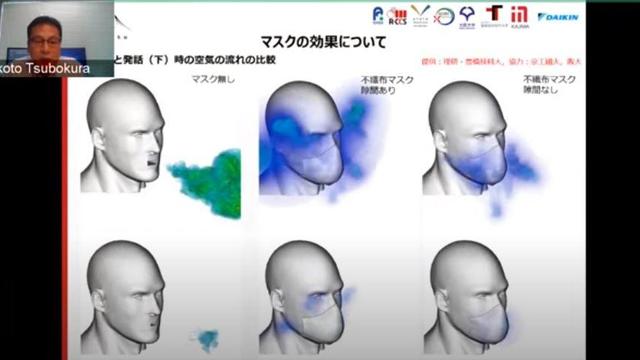
It took pressure from 239 scientists for the WHO to even admit the new coronavirus may spread via aerosols, but in Japan, they're focusing on solutions.
The former FDA commissioner says "things are going to get worse before they get better."
The World Health Organization now says that the coronavirus can be airborne and that people without symptoms can spread the virus more easily than previously thought. Dr.Amesh Adalja, an infectious disease expert and senior scholar at John Hopkins University Bloomberg School of Public Health, joined CBSN to discuss.
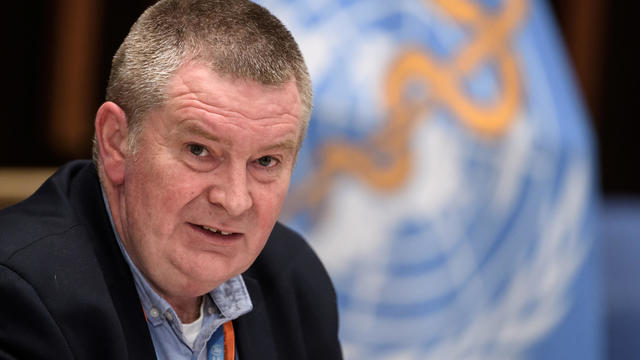
Global coronavirus cases have more than doubled in six weeks.
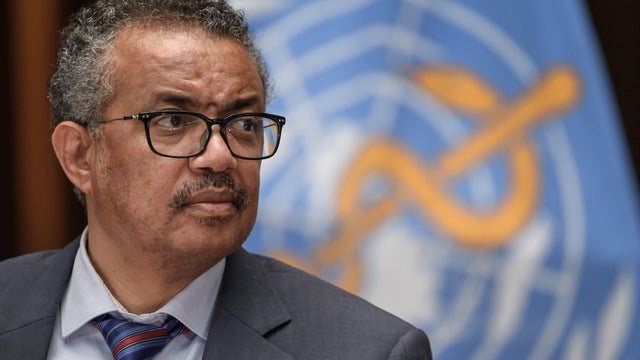
Dr. Tedros Adhanom Ghebreyesus said "we have clearly not reached the peak of the pandemic."
A senior administration official confirmed to CBS News the U.S. notice of withdrawal has been submitted to the United Nations secretary-general.

The World Health Organization has said the coronavirus is only confirmed to be airborne during certain medical procedures, but many experts disagree.

WHO chief say six months since the new coronavirus outbreak, the pandemic is still far from over.
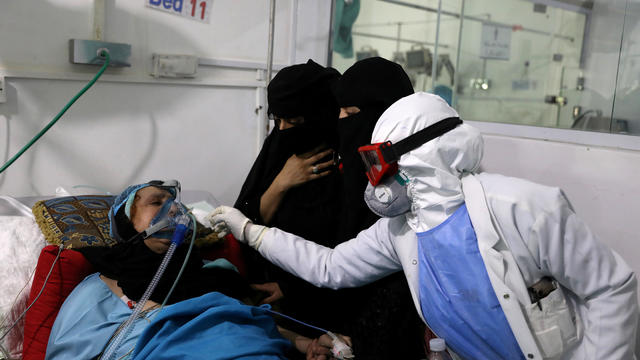
U.N. health agency says more than 183,000 cases were confirmed in latest 24-hour span. The U.S. and Brazil continue to be hit particularly hard.