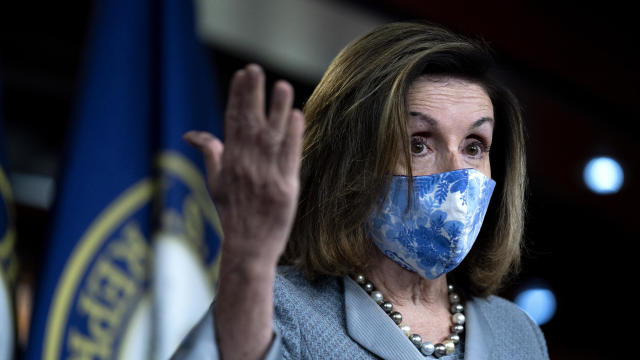
Republicans block Democratic effort to increase direct checks to $2,000
Republicans blocked a request by Democrats to pass the bill by unanimous consent.
Watch CBS News
Republicans blocked a request by Democrats to pass the bill by unanimous consent.
Congress passed a $900 billion COVID-19 economic relief package late Monday after negotiating for months on a new round of stimulus. President Trump is now expected to sign it into law. CBS News' Debra Alfarone joins CBSN AM with details on what's in the deal.

Congress passed a massive coronavirus relief bill on Monday that includes direct checks and unemployment benefits.
Congress will convene in a joint session January 6 to count electoral votes from each state and the District of Columbia and reaffirm President-elect Joe Biden's victory.

"This has been a profoundly distressing pocketbook issue for families for years," said one health insurance expert.
The $900 billion aid package was added to a $1.4 trillion spending bill that funds the government through September.

Overall government funding was also extended another day to avoid a shutdown and provide time to add the virus package to the funding bill.
Congress has until the end of the weekend to agree on a deal to fund the government. On Friday, lawmakers on Capitol Hill passed a two-day extension for funding, preventing a government shutdown. The added time buys Congress additional time to negotiate terms on a coronavirus relief package. Washington Post political reporter and anchor of the Power Up newsletter, Jacqueline Alemany, joins CBSN with the latest.
Talks over a relief bill dragged into the weekend after Congress passed a stopgap funding measure to avert a shutdown.
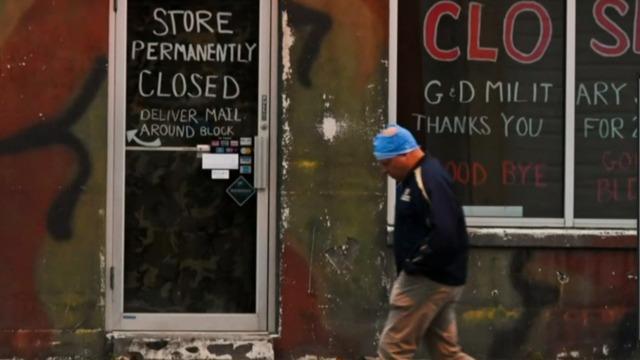
Unemployment is on the rise as coronavirus cases surge nationwide. According to the latest figures released by the Department of Labor, 885,000 Americans filed for first-time unemployment the second week in December. Frances Stacy, director of portfolio strategy at Optimal Capital, joined CBSN to discuss what these latest numbers mean for the U.S. economy.

Congressional leaders are nearing a deal after meeting for several hours on Tuesday evening.
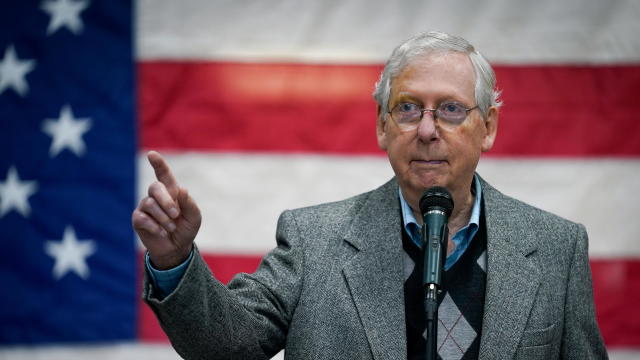
Top congressional leaders met for hours Tuesday afternoon and evening to discuss government funding and a relief bill.
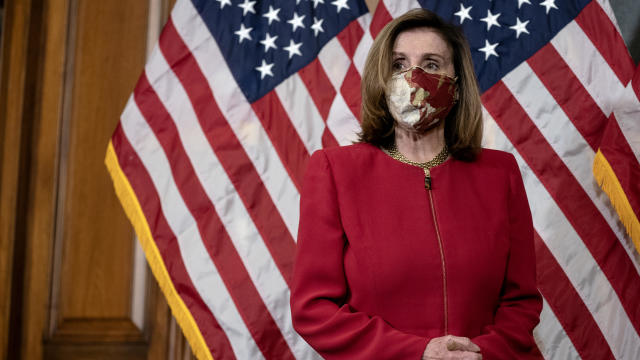
Pelosi's comments come as a bipartisan group of lawmakers has started circulating a framework for a deal.
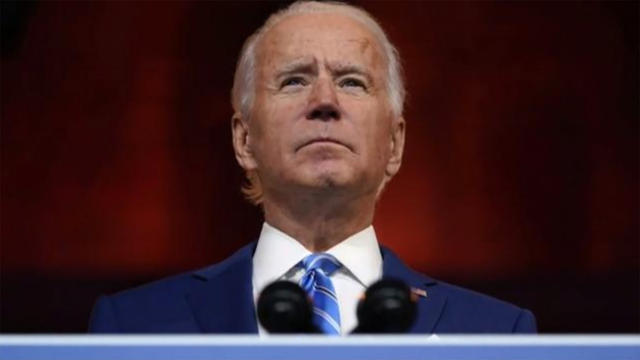
A joint session of Congress to ratify the election is also an opportunity for lawmakers to challenge results.
The Treasury secretary said he had spoken to the speaker about an offer as time runs out for Congress to pass a bill.
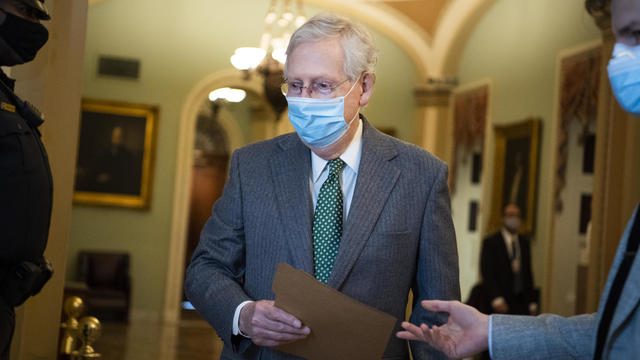
GOP members of the joint Committee on Inaugural Ceremonies refused to affirm they are preparing for Biden's inauguration.
McConnell has proposed a smaller package than the plan introduced by a bipartisan group of lawmakers.

Without immediate assistance, Americans will lose their homes and small businesses will fail, Fed chair warns.
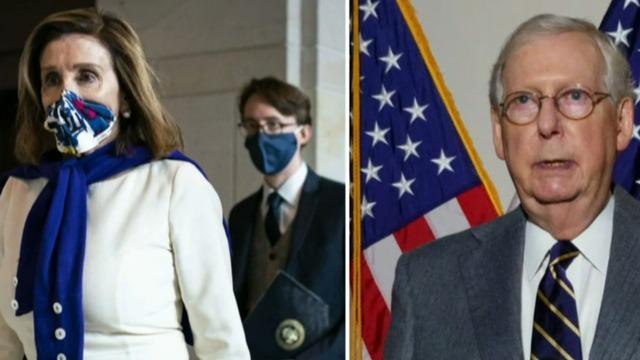
Millions of Americans are in dire need of additional coronavirus relief this Thanksgiving. More than 778,000 people filed for first-time unemployment benefits last week, an increase of 30,000 from the previous week. An estimated 12 million Americans are expected to exhaust their benefits by the end of the year. CBS News political reporter Grace Segers has the latest on the next round of coronavirus relief.
Programs intended to help people who have lost their jobs are set to expire unless Congress reaches a deal.

Thirty-two Republican women will join the next Congress, surpassing the record of 30 Republican women sent in 2006.
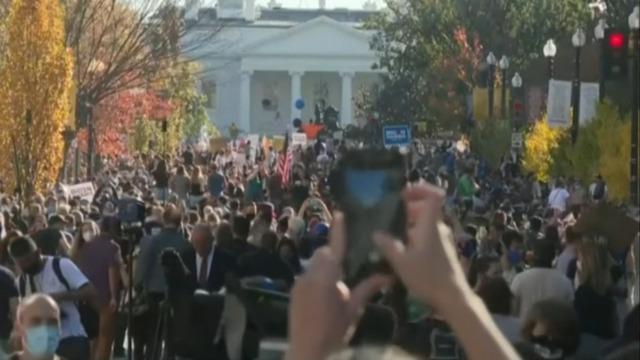
With Joe Biden now projected to be the winner of the presidential election, many questions remain about what his working relationship will look like with lawmakers on Capitol Hill. Washington Post political reporter Jackie Alemany joined CBSN's Lana Zak with a look at the prospects for cooperation.
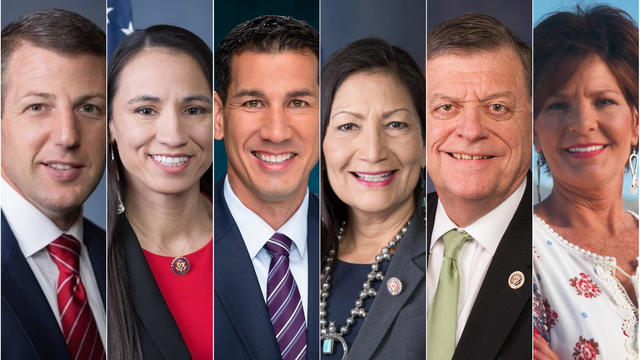
The group represents four states and is split evenly by party – three Democrats and three Republicans.
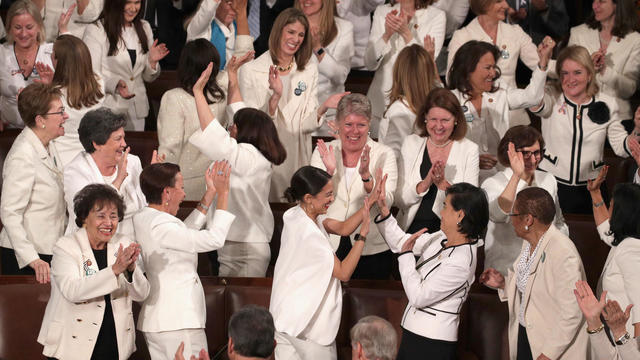
The number of women expected to serve in the 117th Congress is up from the previous record of 127.
There are several close elections in critical districts which could indicate which way the presidential race will swing.