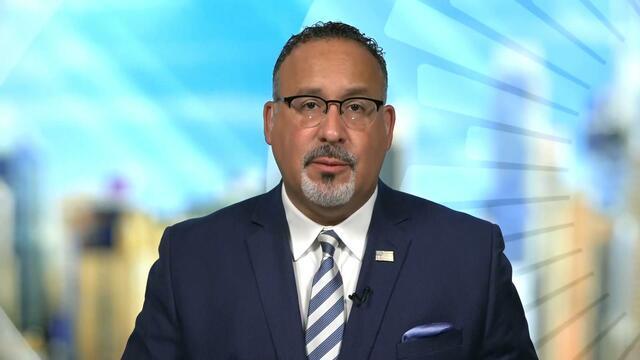
Education Secretary Miguel Cardona disputes affirmative action ruling
The ruling prohibits the consideration of race in admissions, prompting analysis and discussion on its practical implications for future college admissions.
Watch CBS News
The ruling prohibits the consideration of race in admissions, prompting analysis and discussion on its practical implications for future college admissions.
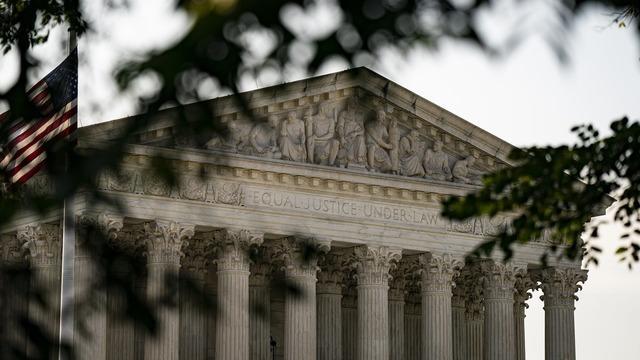
The Supreme Court ended the systemic use of race as a factor in college admissions on Thursday. Jess Bravin, Supreme Court correspondent for the Wall Street Journal, joins CBS News to break down the decision. Plus, Andrew Brennen, a University of North Carolina at Chapel Hill graduate who testified in the case, shares his thoughts on the outcome.
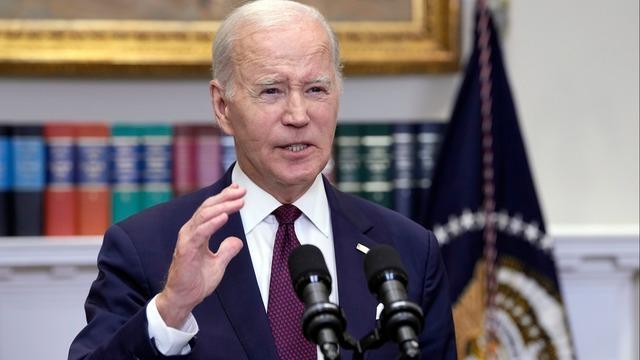
The Supreme Court upended decades of legal precedent Thursday -- this time dissolving affirmative action in colleges. In response, the Biden administration announced a plan to promote diversity measures within colleges and universities. CBS News' Major Garrett and Nikole Killion report.
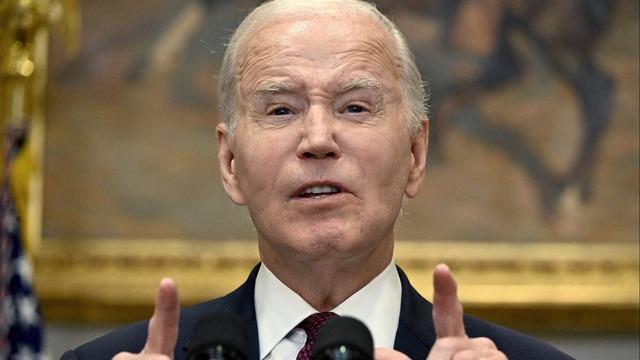
The Supreme Court on Thursday rejected affirmative action at U.S. colleges. A ruling stated that race-conscious admissions programs at both Harvard, a private university, and the public University of North Carolina, are unconstitutional. CBS News' Nikole Killion and Ed O'Keefe report.
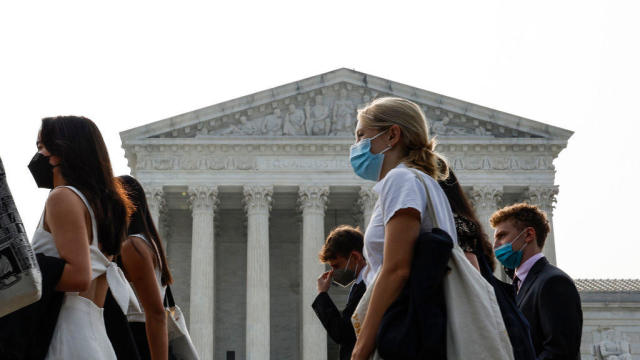
Students, Chief Justice John Roberts wrote, must be evaluated based on their experiences "as an individual — not on the basis of race."
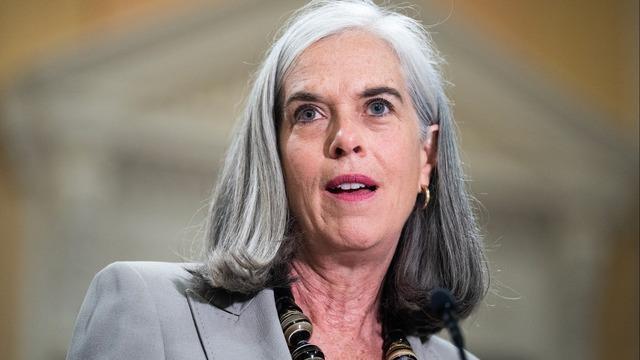
Many Democrats quickly criticized Thursday's affirmative action decision, including President Biden and Vice President Harris. Massachusetts Democratic Congresswoman and House Minority Whip Katherine Clark joins "America Decides" to discuss the Supreme Court ruling and how her party is planning to respond.

Joe Watkins got a scholarship to the University of Pennsylvania where Watkins not only ran track and field but also was on the basketball team.
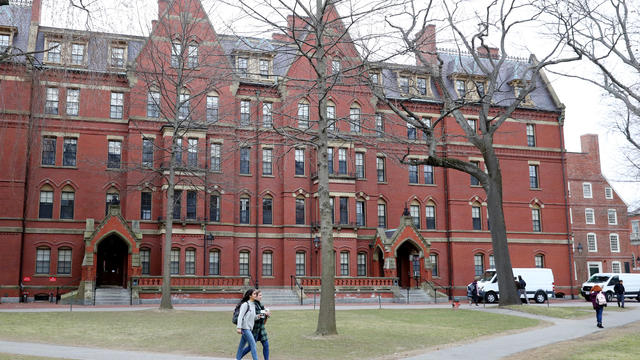
Several college administrators indicated that the court's decision could create uncertainty and confusion regarding admissions procedures moving forward.
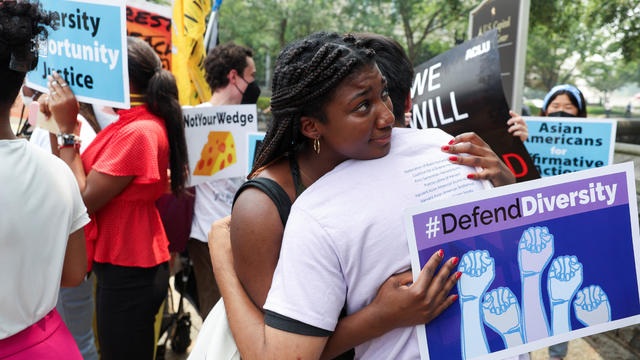
The Supreme Court ruled affirmative action in college admissions at Harvard and UNC are unconstitutional. The repercussions could be far-reaching.
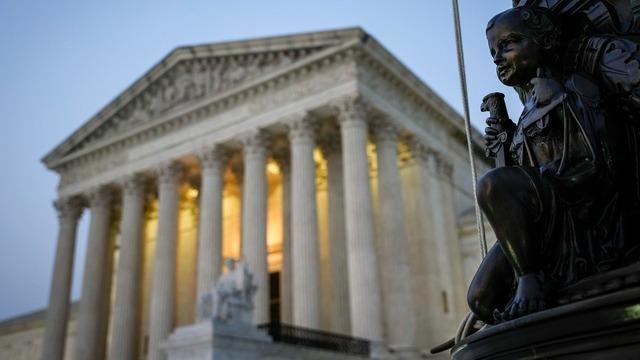
The Supreme Court on Thursday ruled that college admission policies that consider race as a factor violate the Constitution, bringing an end to affirmative action in a decision that is likely to reverberate across college and university campuses nationwide. Gayle King anchored CBS News' special report.
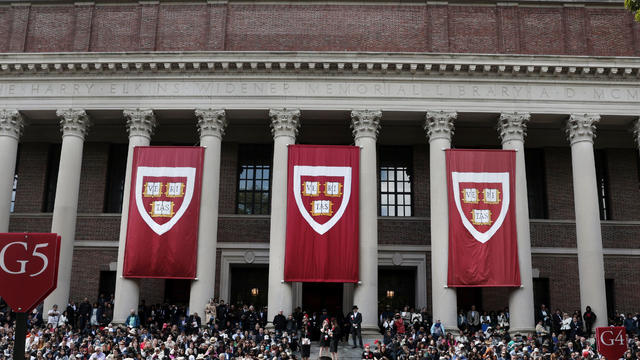
Some states have already banned race-conscious college admissions policies. Here's what happened to schools in those regions.
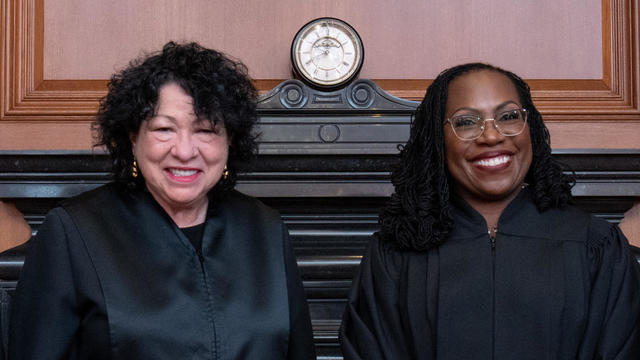
"With let-them-eat-cake obliviousness, today, the majority pulls the ripcord and announces 'colorblindness for all' by legal fiat," Justice Ketanji Brown Jackson wrote.
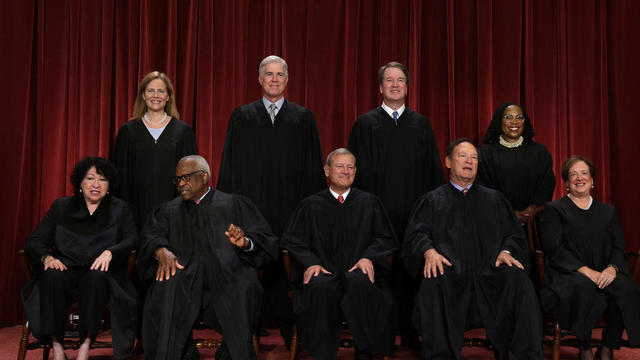
Chief Justice John Roberts wrote the majority opinion for both cases.
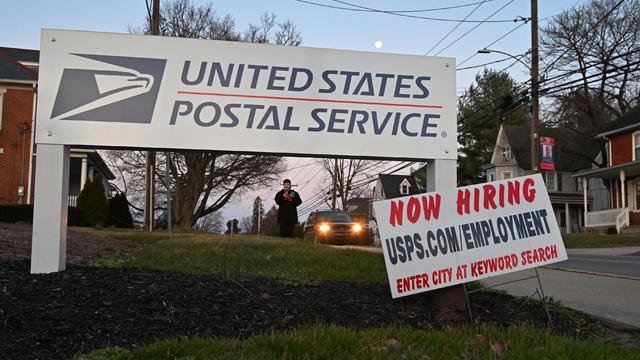
The Supreme Court's decision in favor of former postal worker Gerald Groff was unanimous.
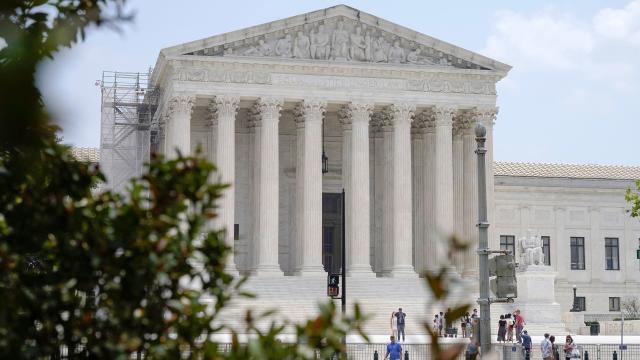
The Supreme Court on Thursday ruled that race-conscious admission policies of Harvard College and the University of North Carolina violate the Constitution.
The Supreme Court ruled Tuesday in a case involving the power of state legislatures. By a vote of 6-3, the high court rejected a ruling that would have given legislatures more autonomy over federal elections, and in drawing partisan congressional maps. CBS News chief Washington correspondent Major Garrett joined "America Decides" to explain the decision.
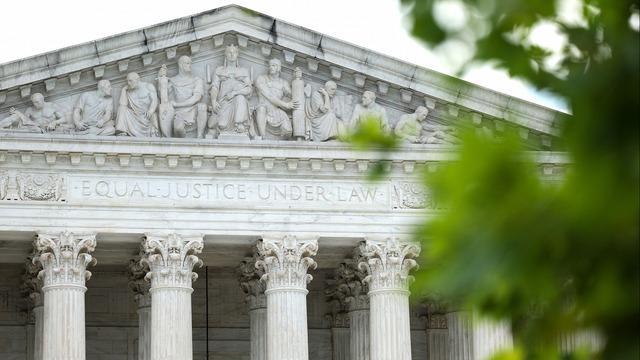
The Supreme Court Tuesday overwhelmingly rejected a controversial conservative theory that would have drastically changed federal elections in the U.S. The case stemmed from challenges to North Carolina's congressional map -- which the state's high court rejected as illegal gerrymandering. Jimmy Hoover, Supreme Court reporter at the National Law Journal, joins CBS News to break down the ruling and its implications for future elections.
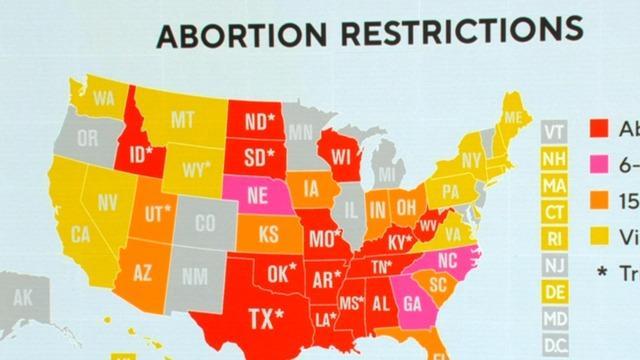
It's been one year since the Supreme Court overturned Roe v. Wade, transforming abortion access nationwide. There is now a patchwork legal system in America as a result of the decision in Dobbs v. Jackson Women's Health Organization. John Dickerson examines where abortion access stands state-by-state.

The law specifically aims to protect New York doctors who use telehealth systems to prescribe abortion pills for patients in states where abortion is banned.
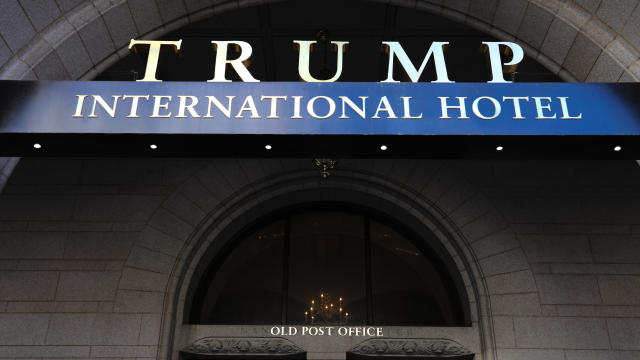
The Supreme Court dismissed the dispute after agreeing in May to consider the Biden administration's showdown with House Democrats.
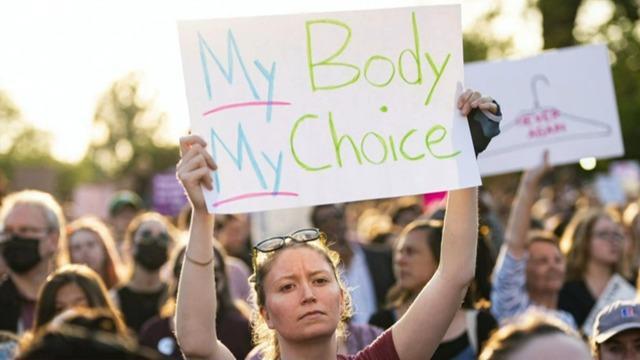
Nearly a year after the Supreme Court overturned Roe v. Wade, the Democratic National Committee is launching a billboard campaign about abortion access in New York City and across battleground states. CBS News political and economics reporter Sarah Ewall-Wice has more.
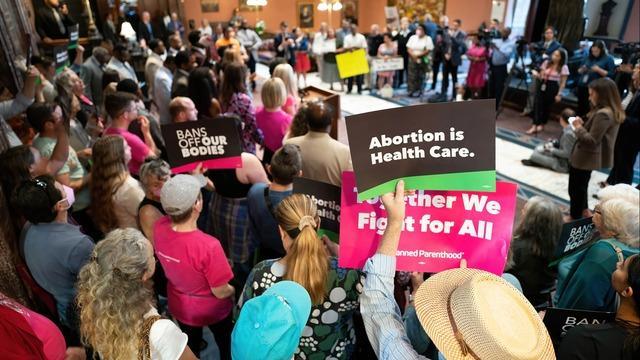
Saturday marks one year since the U.S. Supreme Court overturned Roe v. Wade. New CBS News polling reveals how Americans currently feel about the decision. CBS News political correspondent Caitlin Huey-Burns reports.
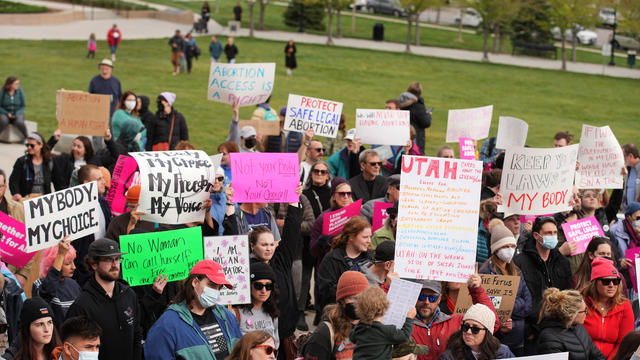
Many women's concerns now extend beyond abortion access to health and reproductive care.
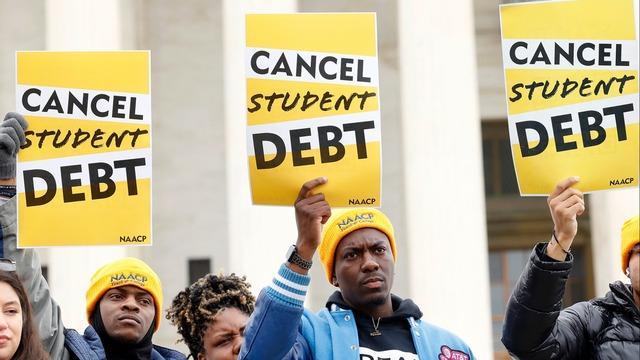
Millions of Americans will soon need to make payments on their student loans for the first time in more than three years. The payment pause -- which had been sparked by economic worries from the pandemic -- will end in a few months. Sameer Gadkaree, president of the Institute for College Access and Success, joins CBS News to discuss how the resumption of payments will impact borrowers.
The Supreme Court ruled 7-2 in the case challenging the Indian Child Welfare Act.