Iran, U.S. trade more attacks
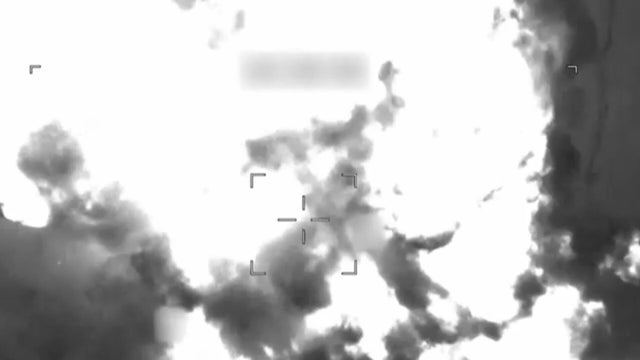
The U.S. unleashed another night of strikes targeting multiple locations aimed at degrading Iran's ability to threaten commercial shipping in the Strait of Hormuz. CBS News' Courtney Kealy reports.
Watch CBS News
The U.S. unleashed another night of strikes targeting multiple locations aimed at degrading Iran's ability to threaten commercial shipping in the Strait of Hormuz. CBS News' Courtney Kealy reports.
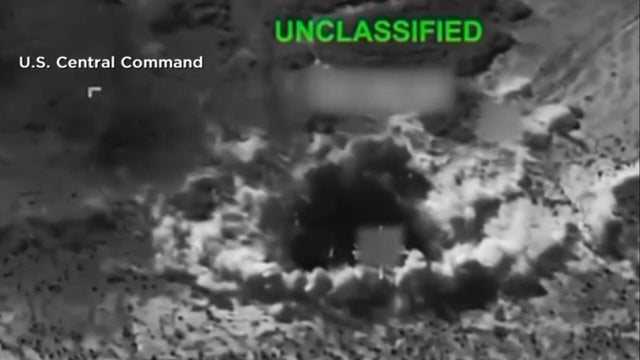
President Trump threatened to strike Iran's infrastructure "unless they come to the table and negotiate." This came after he walked back a plan to impose a charge on cargo ships passing through the Strait of Hormuz in favor of trade and investment deals with Gulf nations. Semafor Gulf editor Mohammed Sergie joins "CBS Mornings News" with more on the U.S. strategy in Iran.
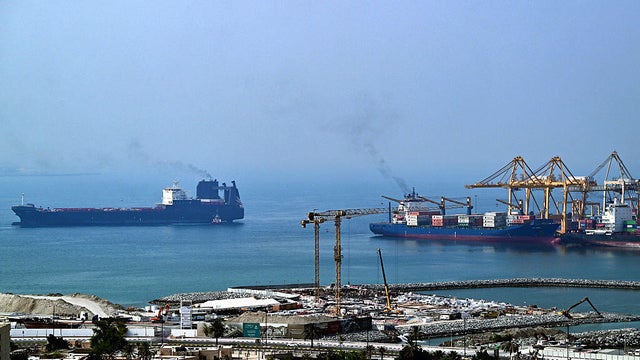
As the U.S. restarts its Iran blockade and carries out more strikes, President Trump has called off a planned 20% fee on shipping through the Strait of Hormuz.
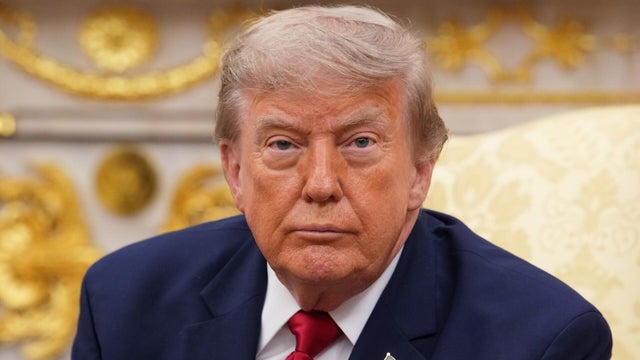
The U.S. hit Iran with heavy airstrikes for the fourth night in a row, aimed at preventing the regime's new attacks on oil and cargo ships. After President Trump floated the idea of the U.S. acting as a "guardian of the Hormuz Strait" on Monday, he reversed his decision. Ed O'Keefe has the details.
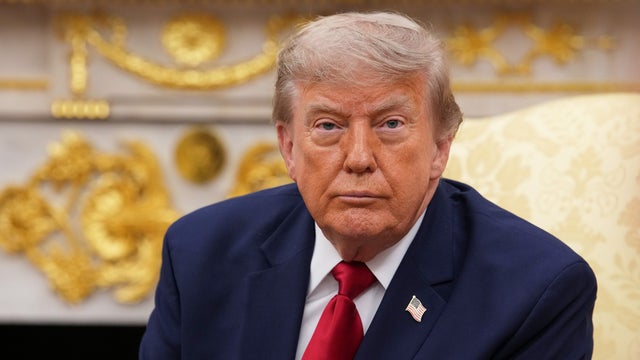
President Trump on Tuesday reversed his Monday proclamation about a 20% fee for cargo moving through the Strait of Hormuz. CBS News' Ed O'Keefe and Aaron MacLean report.
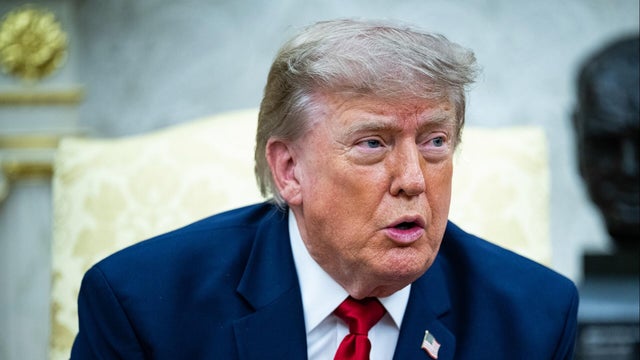
President Trump on Tuesday reversed course on his decision to impose a 20% toll on ships passing through the Strait of Hormuz and said the U.S. military doesn't need to have a presence in Iran. CBS News' senior White House and political correspondent Ed O'Keefe and Middle East contributor Courtney Kealy report.
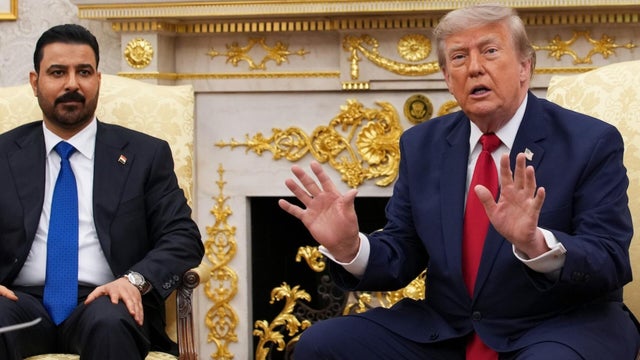
President Trump says he changed his mind on a 20% fee he planned to impose on all cargo traversing the Strait of Hormuz. Mr. Trump commented on tensions with Iran as he met with Iraqi Prime Minister Ali al-Zaidi at the White House. CBS News' Aaron Navarro and Courtney Kealy have more.
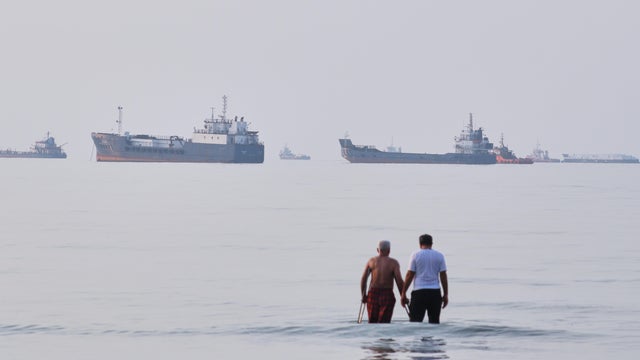
Industry insiders say "there is no legal basis" for Trump to impose a 20% fee on cargo transiting the Strait of Hormuz, something he now says he's decided not to do.
President Trump is reacting after walking back a plan to impose a 20% fee on cargo ships transiting the Strait of Hormuz. Mr. Trump said his reversal comes after several allies brokered trade deals with the U.S.
President Trump dropped his plan for a 20% toll on cargo passing through the Strait of Hormuz, saying he "decided to replace" the fee with investment deals with Gulf nations. CBS News' Aaron Navarro breaks down the latest details.
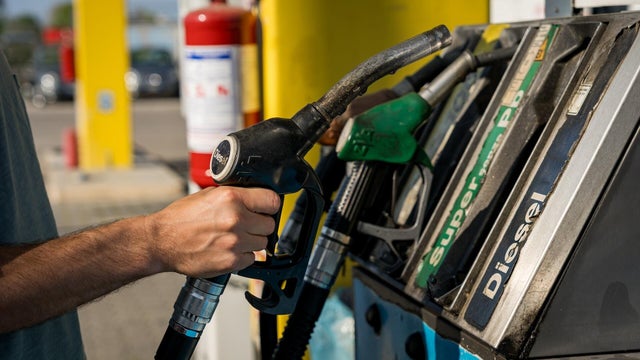
Recently released Labor Department data indicates inflation cooled more than expected in June due to falling gas prices following U.S. diplomatic efforts with Iran. CBS News' Kelly O'Grady has more.
The U.S. launched strikes in Iran for a third consecutive night, and tensions over traffic in the Strait of Hormuz grow. CBS News' Aaron Navarro and Aaron MacLean have more.
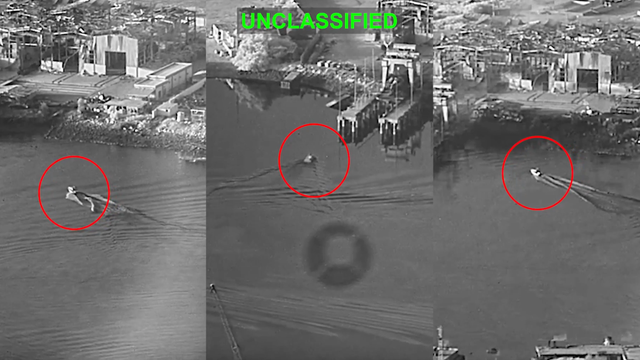
The U.S. military shared video of what it said was its first use of sea drones in combat, to attack an Iranian submarine and ship maintenance facility.
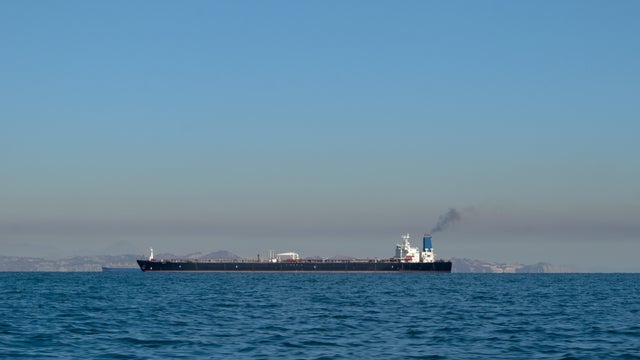
Restoring oil tanker traffic in the vital Middle East shipping corridor to prewar levels likely will require a much bigger armada of U.S. warships if not tens of thousands of American troops on Iranian soil, experts say.
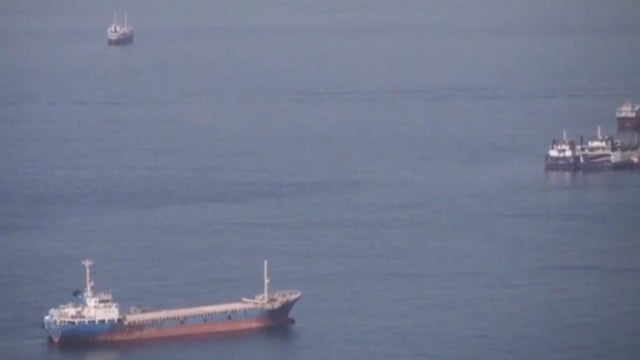
Fighting between the U.S. and Iran over control of the Strait of Hormuz intensified Monday as both sides claimed possession, with President Trump reinstating his blockade on Iranian ships. Mona Yacoubian, director and senior adviser of the Middle East Program at the Center for Strategic and International Studies, joins CBS News to share her analysis.
The U.S. and Iran traded a new wave of attacks as both sides attempted to claim control over the Strait of Hormuz. President Trump said in a Truth Social post that the U.S. will act as "the guardian" of the strait. CBS News' national security analyst Aaron Maclean has more.
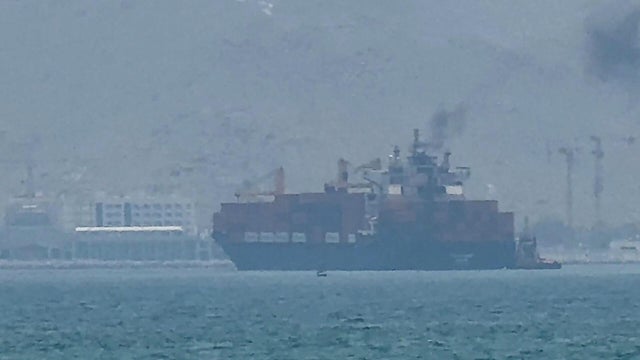
Oil prices rose on Monday as the conflict between the U.S. and Iran intensified days after President Trump declared the countries' ceasefire agreement to be over. Iran claimed the Strait of Hormuz was closed as both sides exchanged more strikes over the weekend. Kristin Myers, ETF editor-in-chief at ASSET TV, joins CBS News to share her predictions.
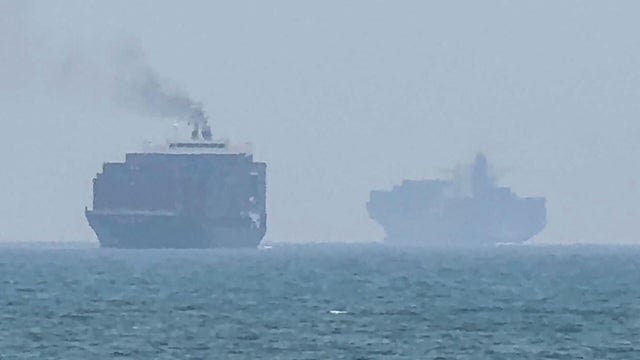
Iran and the U.S. have both claimed control over the Strait of Hormuz after trading more strikes over the weekend and into Monday. CBS News' Courtney Kealy has the latest.
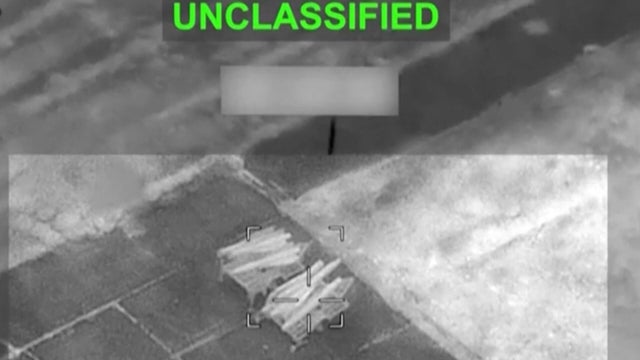
The U.S. and Iran traded more strikes as both sides have claimed control over of the Strait of Hormuz. CBS News' Courtney Kealy has the latest.
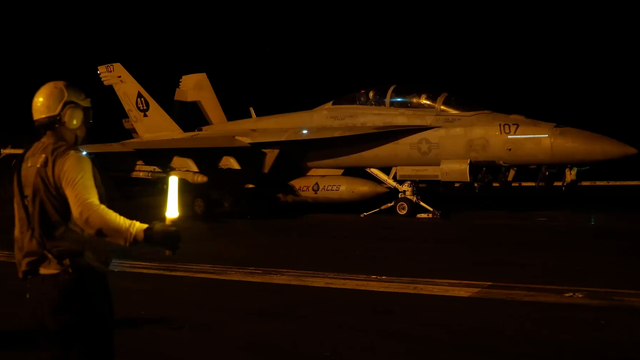
U.S. forces conducted more rounds of strikes on Iran this week, one of which was in retaliation for an attack on a commercial ship in the Strait of Hormuz, the Pentagon said.
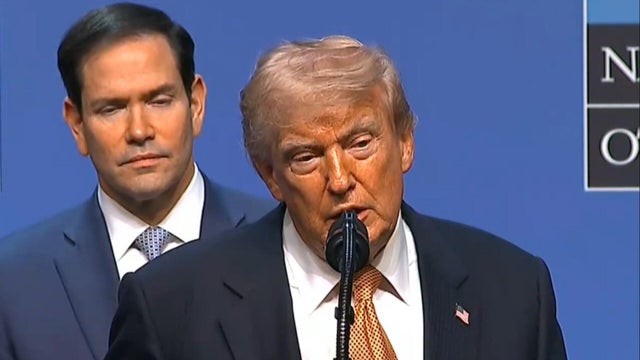
President Trump threatened to "decimate and destroy" Iran if they try to assassinate him. This comes as the U.S. and Tehran continue negotiations. Here's what to know about where things stand.
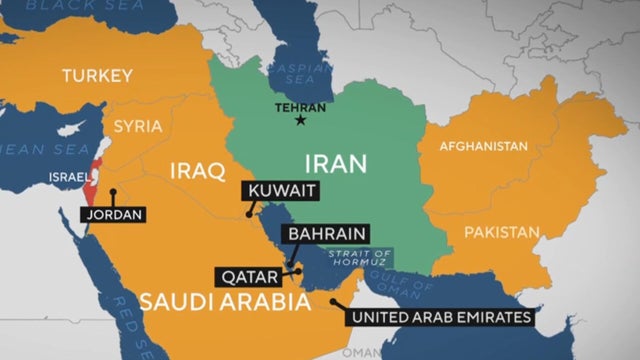
Senior U.S. officials say Iran privately told mediators that it made a mistake in shooting at commercial ships in the Strait of Hormuz. The officials say Iran blamed the attacks on hardliners who are trying to undermine negotiations. Elliot Ackerman, a CBS News contributor and a former CIA officer, has more.
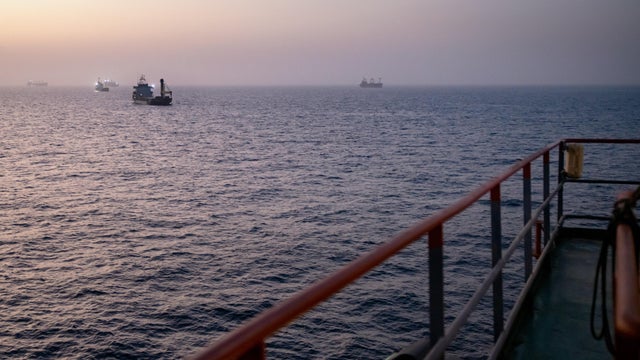
The White House wants Iran to publicly acknowledge that shooting at the ships was a mistake.
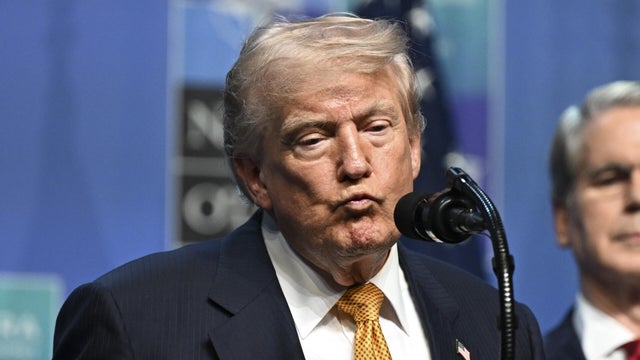
President Trump says U.S. continuing Iran talks, but ceasefire is "over"; Graham Platner officially withdraws from Maine Senate race.
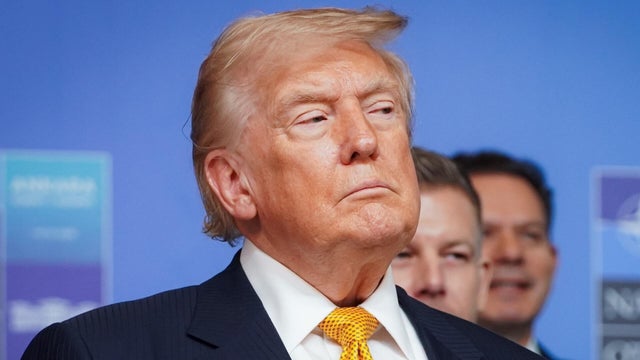
The Trump administration said there is still a chance to get nuclear talks back on track with Iran, but only if Tehran publicly states that the Strait of Hormuz is open and that it will no longer shoot at ships. Nancy Cordes reports.