How Iran could try to control the Strait of Hormuz — and profit from it
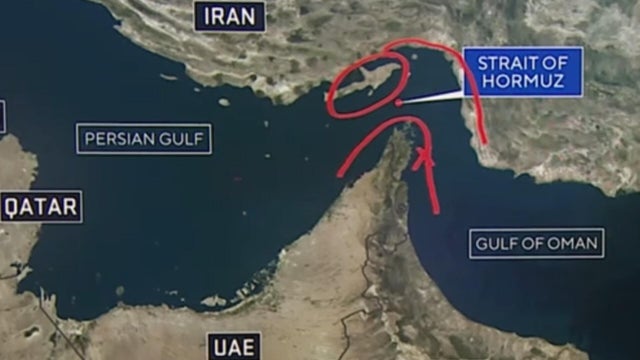
Some experts say the Strait of Hormuz will not return to its pre-war state, so what could the future of this vital shipping lane look like?
Watch CBS News
Some experts say the Strait of Hormuz will not return to its pre-war state, so what could the future of this vital shipping lane look like?
A long-term U.S.-Iran peace deal may depend on a separate agreement between Israel and Lebanon. Analysts say that presents a problem.
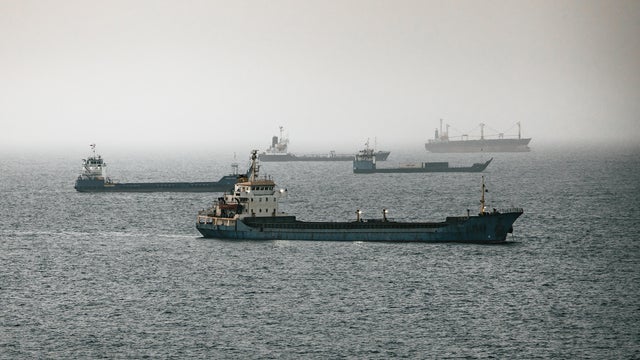
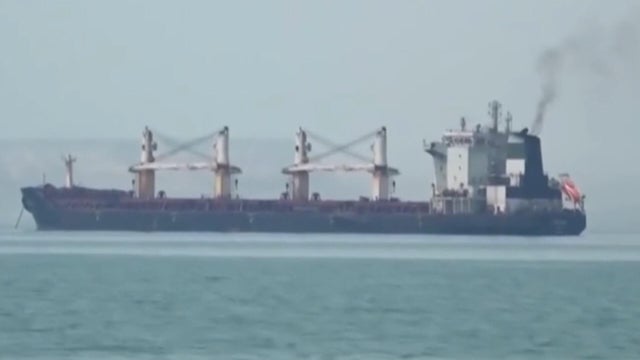
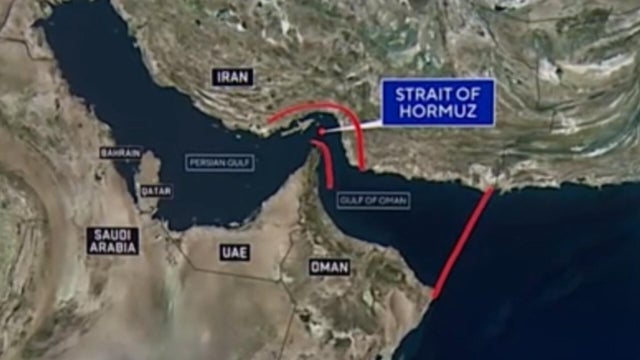
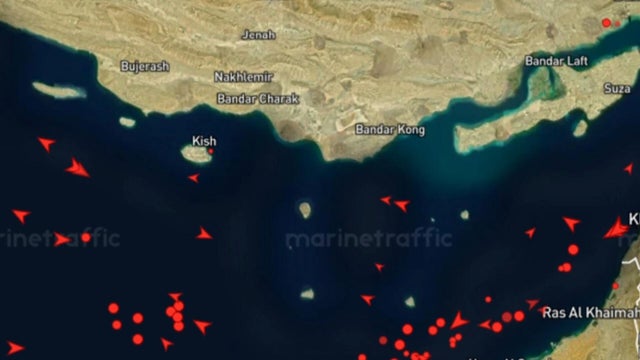
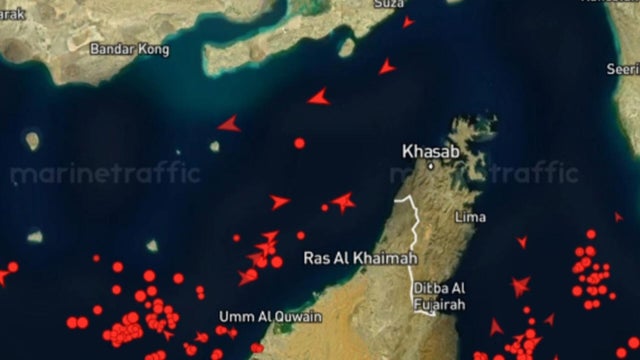
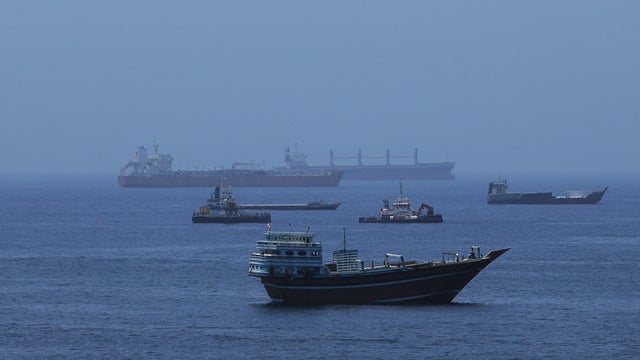
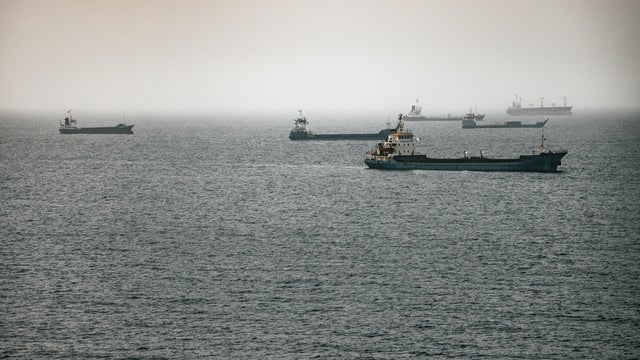
According to maritime tracking website Kpler, 29 vessels passed through the Strait of Hormuz on Saturday and 12 on Sunday, a sharp drop from the 74 ships on Wednesday. On Thursday, Iranian drones hit a ship in the strait, setting off retaliatory strikes from the United States. Over the weekend, Iran attacked a second ship and launched missile and drone strikes at American bases in the region. Aaron MacLean, CBS News national security analyst and host of the "School of War podcast," has the latest.
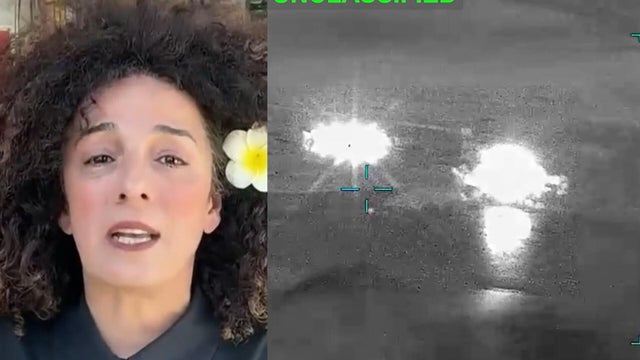
Masih Alinejad, a CBS News contributor, says that Iranians "want to see the help that they have been promised" amid negotiations between the U.S. and Iran to strike a lasting peace deal.
The U.S. and Iran have agreed to stand down after tensions reescalated this weekend in the Strait of Hormuz, a U.S. official says. CBS News' Aaron Navarro and Aaron MacLean have more.

Iran launched drone and missile attacks targeting Kuwait and Bahrain on Sunday after the U.S. and Iran traded attacks earlier over the weekend.
The U.S. launched a new round of air strikes one day after an Iranian attack on a cargo ship in the Strait of Hormuz. U.S. Central Command said the strikes targeted missile and drone storage locations as well as coastal radar sites. CBS News national security contributor Sam Vinograd has more.
The U.S. has conducted new airstrikes on Iran after the country attacked a ship in the Strait of Hormuz on Thursday, the U.S. military says. CBS News national security analyst Aaron MacLean has more details.
The U.S. fired retaliatory strikes against Iran on Friday. CENTCOM said the strikes targeted missile and drone storage locations as well as coastal radar sites. The launch is in direct response to an Iranian attack on a Singapore-flagged cargo ship in the Strait of Hormuz on Thursday. CBS News' Kathryn Watson reports.
U.S. forces conducted retaliatory strikes against Iran in the Strait of Hormuz region in response to Iran's attack on a cargo ship. CBS News' Nikole Killion reports and Aaron MacLean has more.
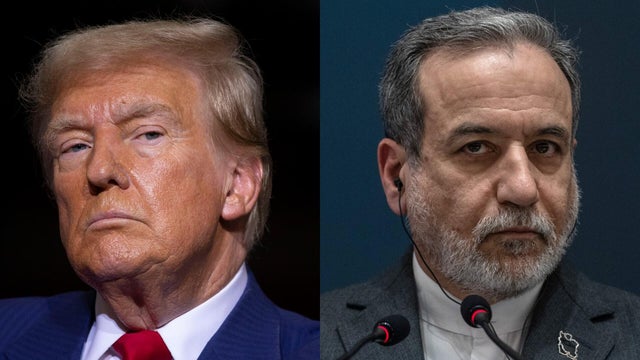
President Trump on Friday accused Iran of violating the ceasefire with the U.S. after Iranian drones attacked commercial ships in the Strait of Hormuz. CBS News' Nikole Killion has more.
President Trump accused Iran of a "foolish violation" of the ceasefire with the U.S. after an Iranian drone struck a cargo ship in the Strait of Hormuz. CBS News' Ed O'Keefe has more.
The Islamic Revolutionary Guard Corps struck a cargo ship near Oman on Thursday, further complicating the Iran-U.S. negotiations.
Iran attacked a commercial vessel in the Strait of Hormuz on Thursday, a U.S. official confirmed, leading a United Nations agency to pause an evacuation effort.
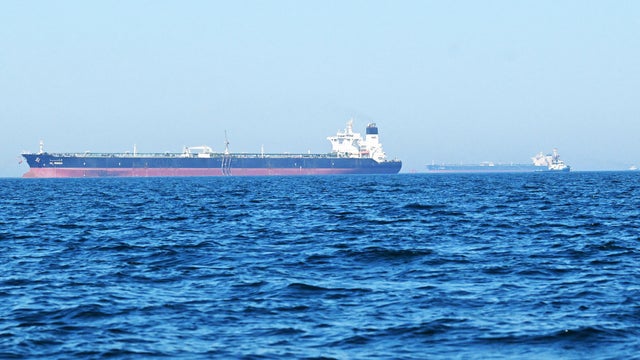
Iran hit a cargo ship with a projectile while transiting the Strait of Hormuz on Thursday. Former CIA officer and Marine Corps veteran Elliot Ackerman joins with analysis.
President Trump continues to demand legislation requiring proof of citizenship for voter registration and voter identification at polling sites. That's driven Congress into a standoff. On social media Thursday, the president told House Republicans to unify. CBS News senior White House and political correspondent Ed O'Keefe reports.
President Trump is calling on the Department of Justice to investigate what he calls gas price gouging at the pump. Patrick De Haan, head of petroleum analysis at GasBuddy, joins CBS News to discuss.
Iran insists there are no plans for inspections of its bombed nuclear sites, but Trump says Tehran "fully and completely" agreed to let inspectors return.
Tuesday was another day of conflicting claims from the White House and Iran over what, if any, progress has been made toward permanently ending their conflict. New York Times diplomatic correspondent Edward Wong joins with analysis.
President Trump stumped in Pennsylvania on Tuesday as disagreements over the initial deal with Iran appeared to multiply, adding to confusion over what's been agreed to and what's left to resolve. CBS News' Weijia Jiang and Samantha Vinograd have the latest.
Secretary of State Marco Rubio landed in Abu Dhabi on Tuesday ahead of meetings with U.S. Gulf allies about the memorandum of understanding with Iran. CBS News' Olivia Gazis reports and Ian Ralby, president of Auxilium Worldwide, discusses the Strait of Hormuz.
President Trump traveled to a Mack Trucks facility in Pennsylvania on Tuesday, touting his economic agenda and the Iran agreement. The event came as the Senate adopted the House-passed Iran war powers resolution. CBS News congressional reporter Taurean Small has the latest.
Iran is denying Vice President JD Vance's claims that Tehran agreed to allow the IAEA to return for nuclear inspections as part of negotiations with the U.S. CBS News' Aaron Navarro and Holly Williams report.
Vance says Iran agreed to let international nuclear inspectors back into the country during a "very, very good" first day of negotiations with the U.S.
Much remains for the U.S. and Iran to negotiate before reaching a final deal, but debate over which side benefits most from the talks is underway. Mona Yacoubian, director of the Middle East program at the Center for Strategic and International Studies, joins with analysis.