Watch CBS News

Pandemic

sm-c-teichner-trump-coronavirus-2059345-640x360.jpg

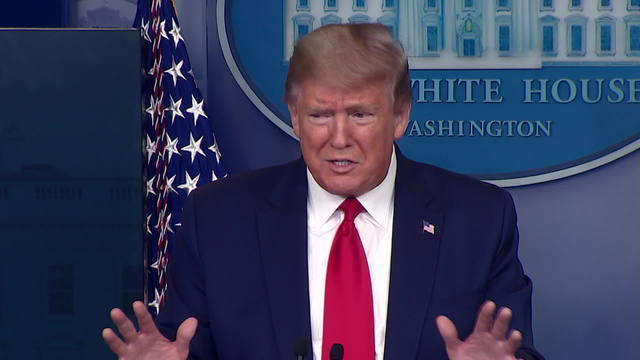
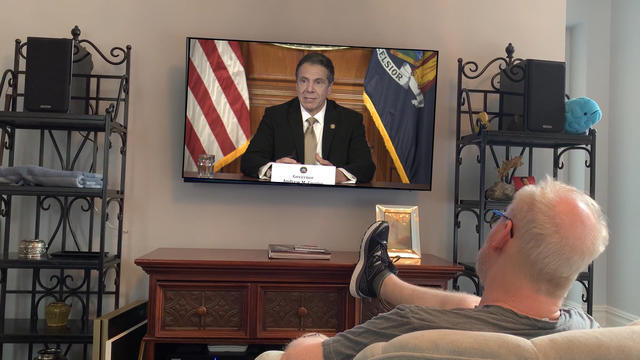
Why was America unprepared for coronavirus?

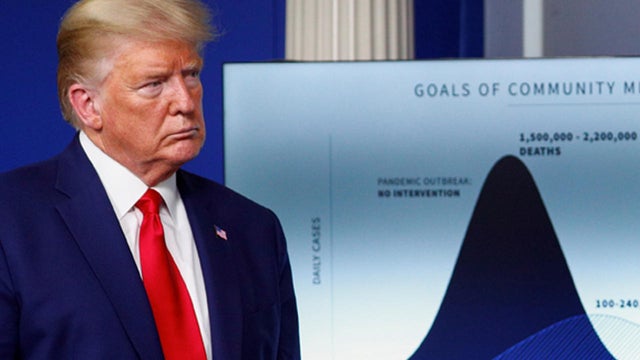
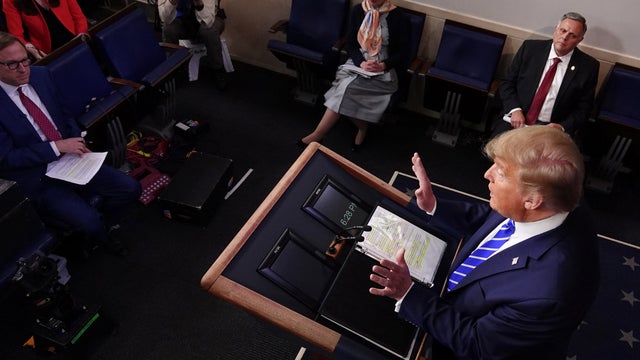
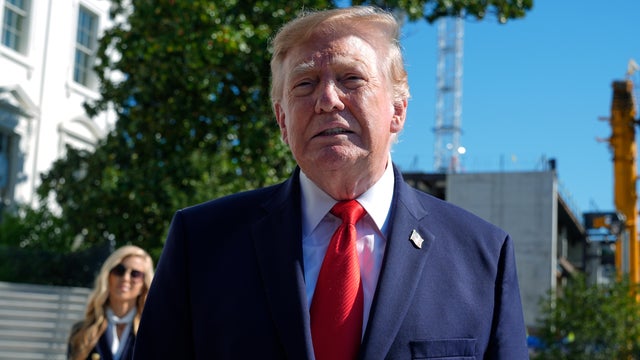
News stories of a mysterious novel coronavirus outbreak spreading in Wuhan, China began appearing in America in early January. So, how did we get from those small but worrying early warnings to now, when our nation leads the world, not in managing the crisis, but in the number of confirmed COVID-19 cases and deaths? Correspondent Martha Teichner talks with Pulitzer Prize-winning science writer Laurie Garrett ("The Coming Plague"); Ashish Jha, director of the Harvard Global Health Institute; and Beth Cameron, who was once in charge of pandemic preparedness for the National Security Council, about the Trump administration's response to COVID-19.

sm-f-forair-rocca-quackery-0426200-2059302-640x360.jpg

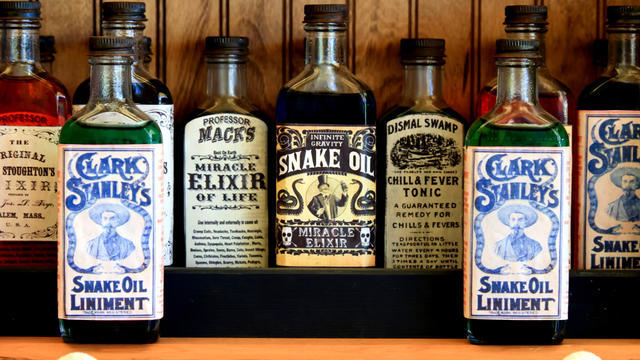
Quackery: A history of fake medicine and cure-alls

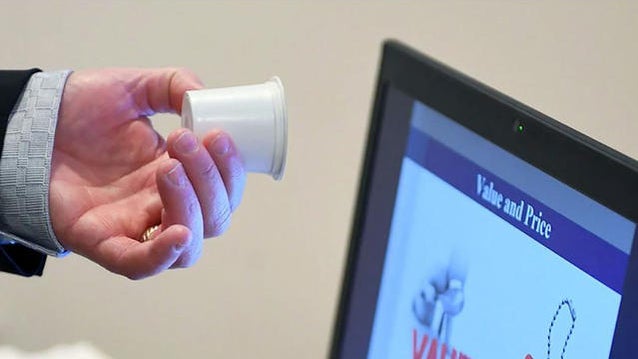
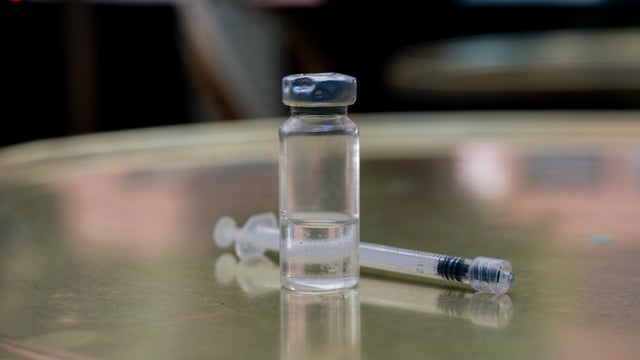
How does one treat a COVID-19 infection? If someone tells you “Drink bleach,” or tries to sell you a “coronavirus prevention pill,” run away! Correspondent Mo Rocca talks with “Quackery” co-author Dr. Lydia Kang, and with Dr. Stephen Barrett (who runs the Quackwatch website), about the history of quack medicine, and of charlatans and snake oil salesmen who use fears about medical conditions to separate fools from their money with almost surgical precision.

cbsn-fusion-the-legacy-of-benjamin-rush-thumbnail-475516-640x360.jpg

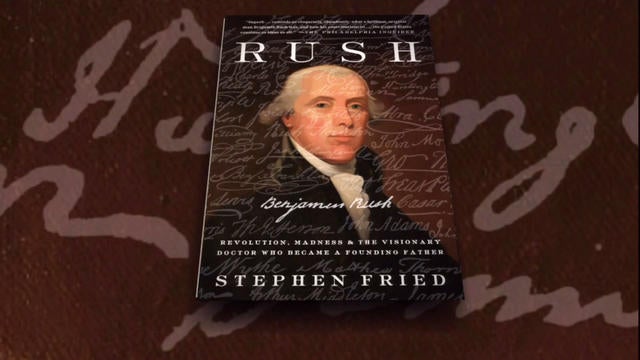
The legacy of Benjamin Rush

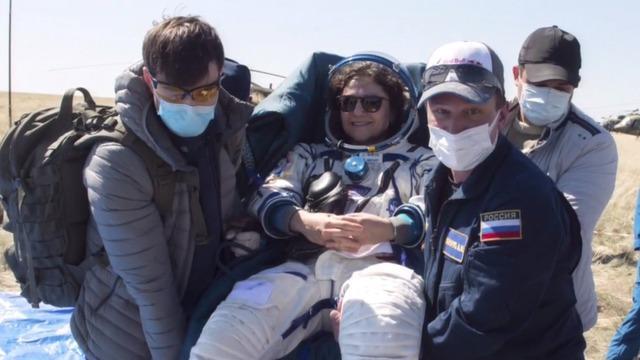
Although the coronavirus' effects may seem shockingly new to most, the U.S. has been through pandemics that have upended life in the past. Yellow fever ravaged Philadelphia in 1793, and one doctor, Benjamin Rush, worked tirelessly to treat the sick. When he was not doing that, Rush was dining with iconic Americans such as John Adams and Thomas Jefferson. Michelle Miller speaks to Stephen Fried, author of the biography "Rush," about the historic figure's unique legacy.

Show More
View CBS News In
CBS News App Open
Chrome Safari Continue