Hegseth touts U.S. success in Iran
Secretary of Defense Pete Hegseth touted the U.S. military's success in Iran while taking questions during a briefing at the Pentagon on Monday alongside the Chairman of the Joint Chiefs of Staff Gen. Dan Caine.
Watch CBS News
Secretary of Defense Pete Hegseth touted the U.S. military's success in Iran while taking questions during a briefing at the Pentagon on Monday alongside the Chairman of the Joint Chiefs of Staff Gen. Dan Caine.
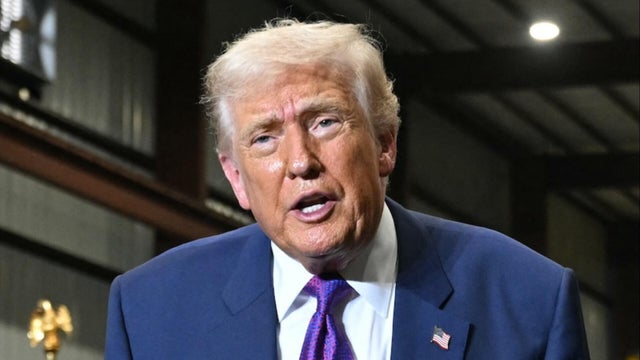
President Trump posted an update on social media about the operation in Iran, saying it "will continue until all of our objectives are achieved." The president also spoke about the U.S. service members killed, offering condolences, but also warning to expect more U.S. casualties. Weijia Jiang reports.
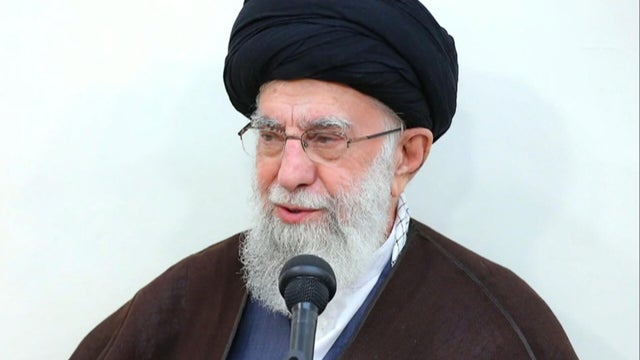
The death of Iranian Supreme Leader Ayatollah Ali Khamenei has been met with public displays of mourning, but also joy and relief. Imtiaz Tyab reports on the regime and who could lead Iran next.

As the war with Iran continues, three U.S. fighter jets crashed in Kuwait, but the pilots ejected safely, the U.S. military said. Meanwhile, the death toll surges amid ongoing strikes in Iran. Charlie D'Agata has the latest.

Secretary of Defense Pete Hegseth called the U.S.-Israeli war on Iran a "generational turning point" during a Monday briefing at the Pentagon, the first time U.S. military officials have spoken out since the conflict erupted. At least four service members have died from injuries sustained in the operation, U.S. Central Command said.

The U.S. military death toll is climbing as the war with Iran continues, the American Central Command said Monday. This comes as the conflict enters Day 3 and as news emerges of 3 American F-15s being "mistakenly shot down by Kuwaiti air defenses." CBS News breaks down the latest.

There were more Iranian missile attacks directed at Israel and its Arab neighbors on Day 3 of the U.S.-Israeli war on Iran. CBS News' Natalie Brand, Ramy Inoncencio and Anthony Salvanto report. Also, Mohammed Sergie with Semafor Gulf joins CBS News with more on reactions from the Middle East.
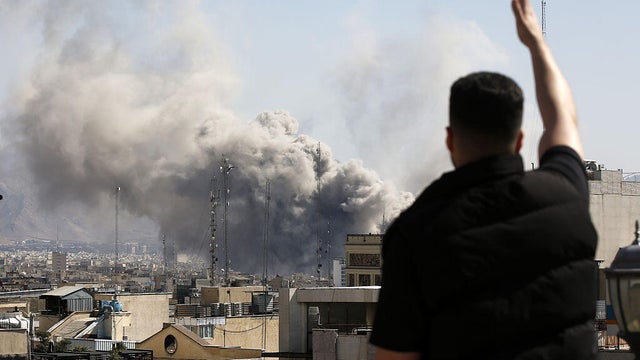
The U.S. military says three troops have been killed in the war with Iran, as President Trump says the operation is proceeding "ahead of schedule." Follow live updates.
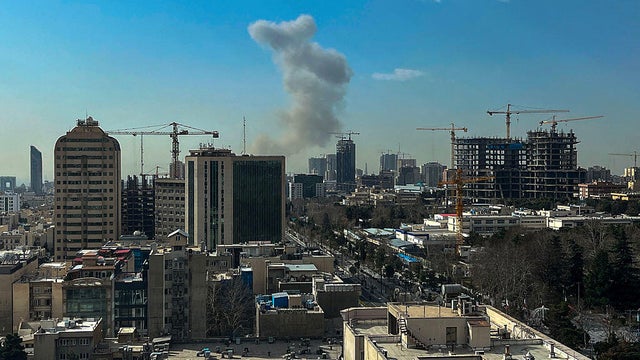
U.S. allies and adversaries responded to the joint attacks by the U.S. and Israel on Iran with concern over the risks of a new war in the Middle East.
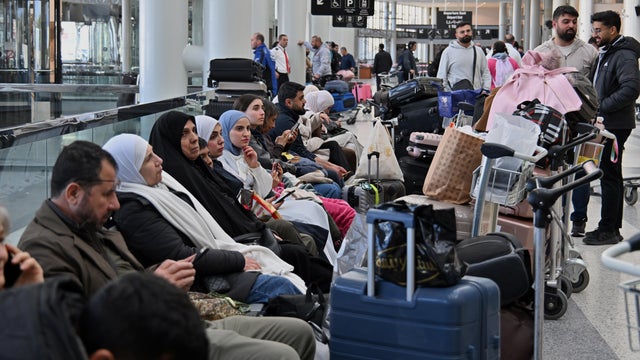
More than 2,400 flights were canceled Sunday across airports in the Middle East, according to flight tracker FlightAware.

Airstrikes have stranded thousands of Americans who were traveling to or through the Middle East. Shanelle Kaul reports.

Iran's Supreme Leader Ayatollah Ali Khamenei was killed along with about 40 other senior members of the Islamic Republic regime in the U.S.-Israeli strikes on Saturday. Matt Gutman has more on the succession plan.

For a second day, Iran carried out a series of drone and missile strikes across the Gulf as the U.S. and Israel continue to target Iran. Imtiaz Tyab has more.

Sunday saw a new wave of U.S.-Israeli strikes on Iran, with the military saying at least three U.S. service members have been killed in the war so far. Charlie D'Agata reports.

The U.S.-Israeli war on Iran is now in its second day, with President Trump saying Sunday that combat operations will continue "until all of our objectives are achieved." Errol Barnett anchors CBS News' reporting on the war.

Celebrations have been seen in Tehran after Iranian Supreme Leader Ayatollah Ali Khamenei was killed in U.S.-led strikes. Supporters of the the regime have also been seen mourning Khamenei. CBS News' Leigh Kiniry has more.

President Trump released a new statement about military operations in Iran on Sunday, saying they will "continue until all of our objectives are achieved." See the president's full remarks.

Retaliatory strikes from Iran are spreading across the Middle East a day after U.S.-Israeli strikes killed Iranian Supreme Leader Ayatollah Ali Khamenei. CBS News senior foreign correspondent Imtiaz Tyab has more.

Reza Pahlavi, a leader of the Iranian opposition to the Islamic Republic and the son of the deposed late shah of Iran, sits down with Scott Pelley to discuss this pivotal moment for Iran's leadership, whether regime change is coming, and what happens to Iran's nuclear program. Tonight.

Iranian Supreme Leader Ayatollah Ali Khamenei was killed along with about 40 other senior members of the Islamic Republic's regime in the initial onslaught of the U.S.-Israeli strikes against Iran. Behnam Ben Taleblu, Iran program senior director at the Foundation for Defense of Democracies, joins CBS News to discuss who or what might emerge as a new leader in Iran.

President Trump tells the Atlantic he's willing to talk with Iran to find a resolution, a day after U.S.-Israeli strikes on the country. Eric Lob, associate professor of politics and international relations at FIU, joins CBS News to discuss.
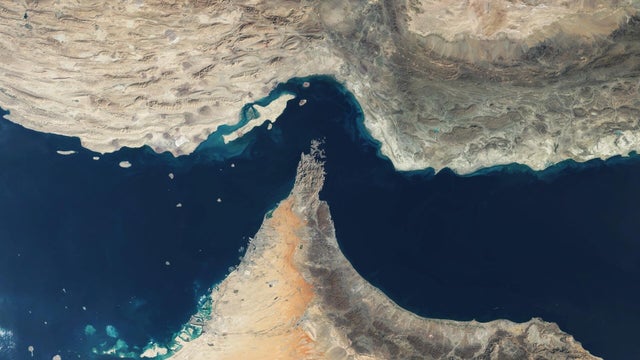
Iran is attempting to shut down the global flow of oil with its threats to close the Strait of Hormuz, which is the only waterway connecting the Persian Gulf to the Gulf of Oman. CBS News MoneyWatch correspondent Kelly O'Grady has more.
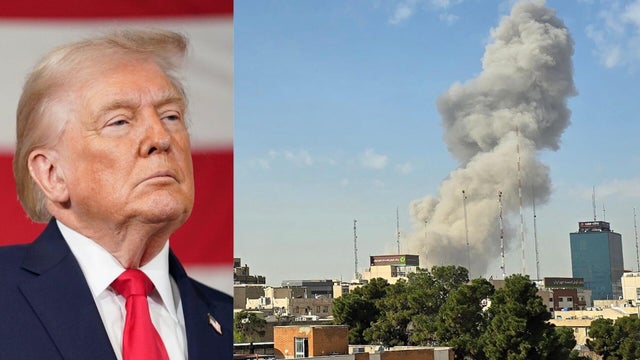
Lawmakers remain divided on the Trump administration's decision to strike Iran in a joint attack with Israel. Sen. Tom Cotton told "Face the Nation with Margaret Brennan," that "We would all celebrate if the Iranian people were able to rise up and reclaim their freedom." Sen. Chris Murphy, meanwhile, said that President Trump would not have gotten authorization from Congress to launch the attack if he'd asked for it. CBS News' Taurean Small has more.
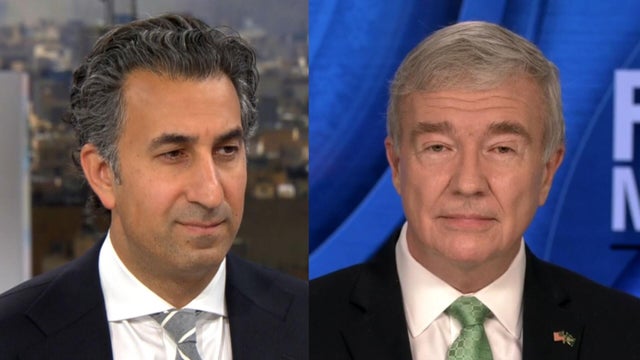
Iran policy analyst Karim Sadjadpour and former CENTCOM commander and CBS News contributor Ret. Gen. Frank McKenzie join "Face the Nation with Margaret Brennan" to discuss what's next for Iran after the U.S.-Israeli military mission and the death of Supreme Leader Ayatollah Khamenei.

Sen. Chris Murphy, Democrat from Connecticut, told "Face the Nation with Margaret Brennan" that President Trump "wouldn't get that authorization" from Congress to launch the massive military operation in Iran, adding that he believes the White House "has to plan for the chaos that is unfolding right now in the Middle East."