4/9: The Takeout with Major Garrett
President Trump says he asked Netanyahu to scale back Lebanon strikes; Melania Trump makes a rare statement denying relationship with Jeffrey Epstein.
Watch CBS News
President Trump says he asked Netanyahu to scale back Lebanon strikes; Melania Trump makes a rare statement denying relationship with Jeffrey Epstein.
U.S. service members spoke to CBS News' Jonah Kaplan about the deadly Iranian drone strike in Kuwait and recalled the moment an explosion hit the unit. The survivors described the heroism after the war's deadliest strike against the U.S. and disputed the Pentagon's description of the events.
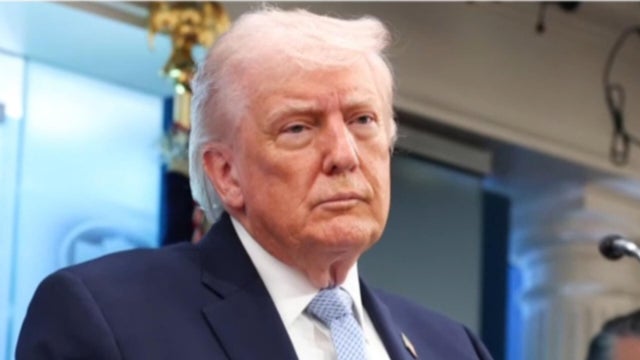
The U.S. is planning to host diplomatic talks in Washington, D.C., next week between Israel and Lebanon, sources say. This followed confusion over whether Lebanon was included in the ceasefire agreement between Iran, the U.S. and Israel. CBS News' Zak Hudak and Sam Vinograd have more.
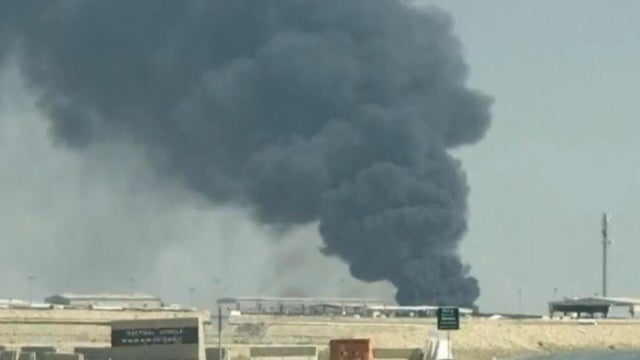
CBS News exclusively spoke with a member of the Army's 103rd Sustainment Command, which is based in Iowa. The soldier survived an Iranian drone strike that killed six others and said their unit was "unprepared" to defend itself. Jonah Kaplan has more.

Kelly O'Grady breaks down why the prices Americans pay in the U.S. often depend on what is happening in the Middle East.
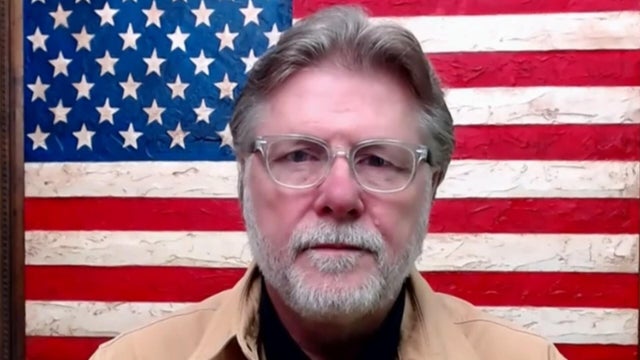
Rep. Rick Crawford, chair of the House Intelligence Committee, joins "The Takeout" to discuss the war in the Middle East, including claims from Army survivors of the deadly Iranian attack on U.S. forces in Kuwait that their unit was unprepared to defend itself.
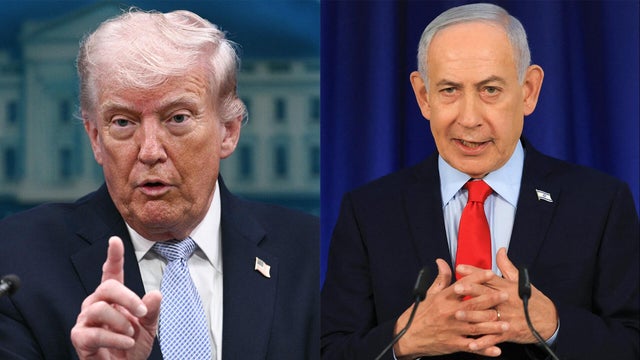
President Trump said Thursday that he urged Israel to scale back its military bombardment of targets in Lebanon, with the U.S. State Department later saying it would lead ceasefire efforts between Israel and Lebanon. CBS News' Major Garrett and Ed O'Keefe have more.
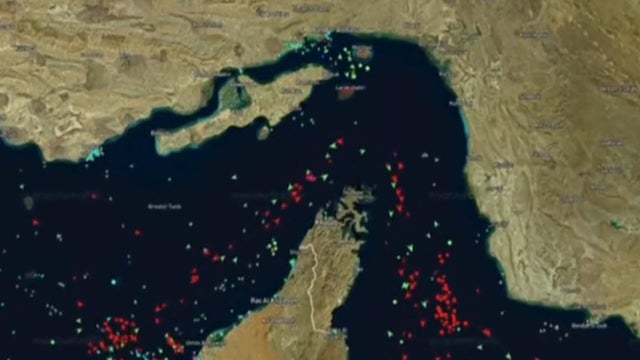
Iran is still holding a tight grip on the Strait of Hormuz despite the ceasefire with the United States. Matt Smith, an analyst for Kpler, joined CBS News to discuss.
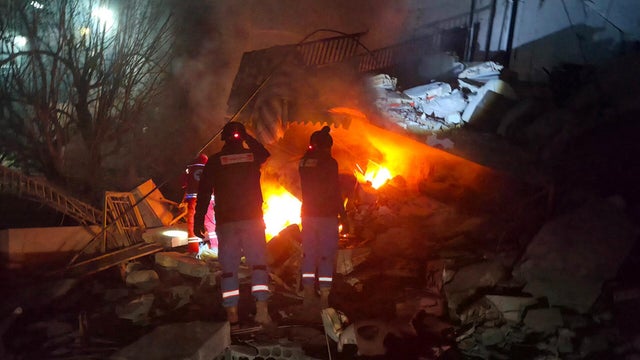
Sources tell CBS News that the U.S. will host diplomatic talks to craft a ceasefire between Lebanon and Israel. BBC Middle East correspondent Hugo Bachega joins CBS News with the latest.
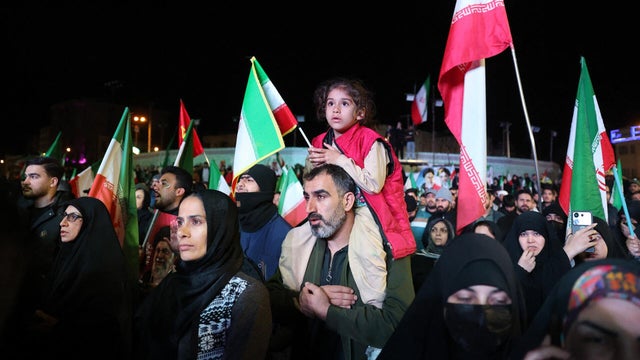
Alex Shams, editor-in-chief of the AJAM Media Collection, has family in Iran and spoke with CBS News about their reactions to the fragile ceasefire currently in place with the U.S.
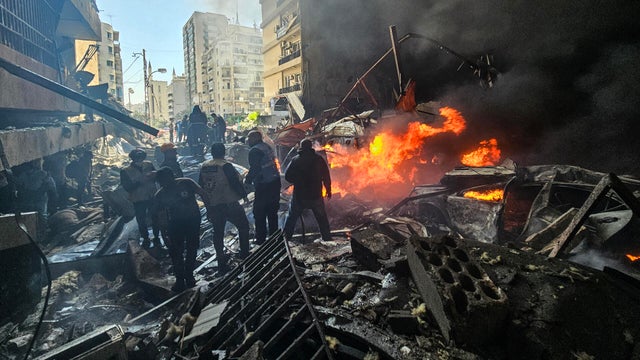
Iran says the U.S. is violating the ceasefire agreement announced earlier this week between the two countries by letting Israel continue its strikes against Hezbollah in Lebanon. Meanwhile, Iran is still holding a tight grip on the Strait of Hormuz. CBS News' Elizabeth Palmer, Natalie Brand and Caitlin Huey-Burns have more.
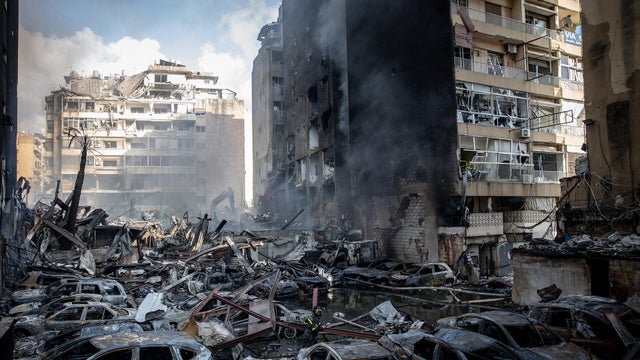
Israel launched a massive attack against what it said were Hezbollah targets in Beirut on Wednesday, killing at least 182 people, according to Lebanon's health ministry. The strikes injured another 890 people, the ministry said. These videos show the aftermath of the bombardment.
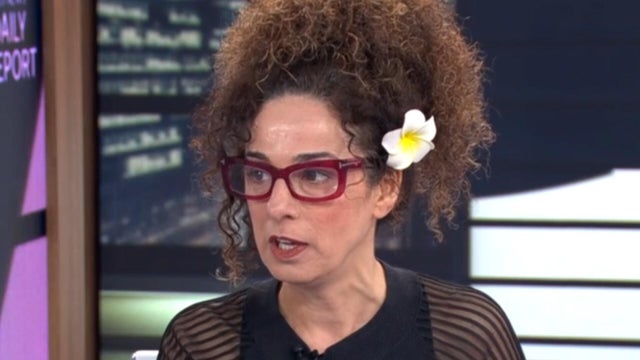
The U.S., Israel and Iran have begun a fragile two-week ceasefire in the Middle East. CBS News contributor and Iranian journalist Masih Alinejad joins with analysis.
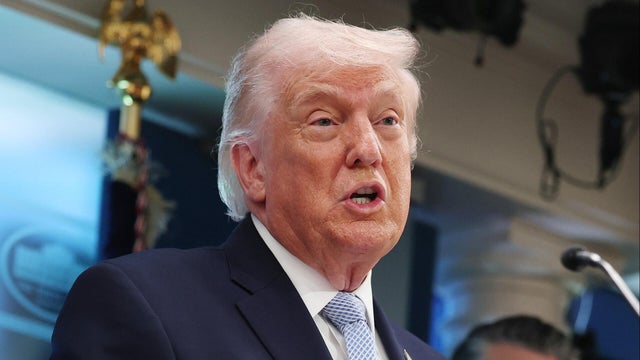
The U.S. and Iran's ceasefire sets up a two-week window for negotiations. "Two weeks" has been a go-to refrain for President Trump dating back to his first term. Political strategists Kendra Barkoff Lamy and Erin Maguire join with analysis.
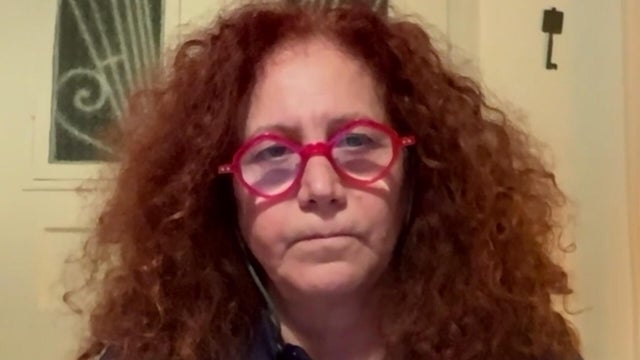
Lebanon says Israeli strikes killed over 100 people and injured hundreds more in the capital of Beirut on Wednesday. World Central Kitchen Chef Corps member Aline Kamakian, who is working in Beirut and saw the aftermath of those strikes, joins to discuss.
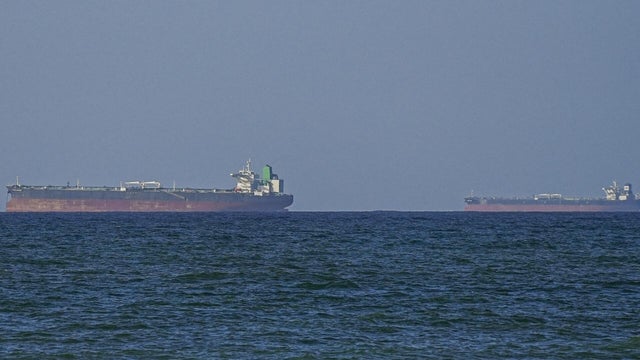
An Iranian news agency linked to the country's military reported on Wednesday that traffic through the Strait of Hormuz was suspended, which would violate the ceasefire agreement reached with the U.S. on Tuesday. According to the Iranian news organization, the suspension of traffic is over Israel's continued attacks on Hezbollah in Lebanon. The White House says the reports that the Strait is closed are false. CBS News' Imtiaz Tyab and Ed O'Keefe report, and Will Todman, a senior fellow in the Middle East program at the Center for Strategic and International Studies, has more.

Despite both the U.S. and Iran claiming to have a ceasefire agreement, the U.S. Embassy in Baghdad on Wednesday warned Americans not to travel by air in the region due to ongoing missile, drone and rocket attacks. CBS News contributor Niall Ferguson joins with analysis.
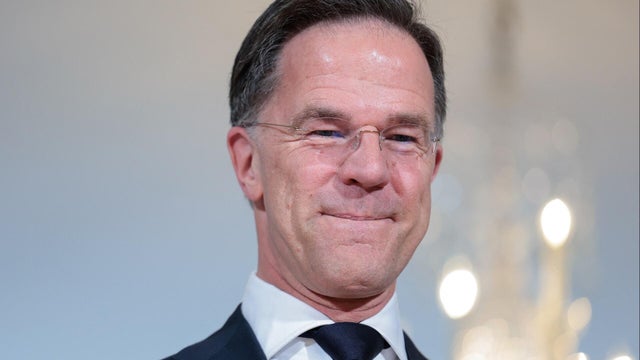
NATO chief Mark Rutte is meeting with President Trump and Secretary of State Marco Rubio days after the president expressed frustration with the military alliance over a lack of support in the war with Iran. Former U.S. Ambassador to NATO Ivo Daalder joins with analysis.
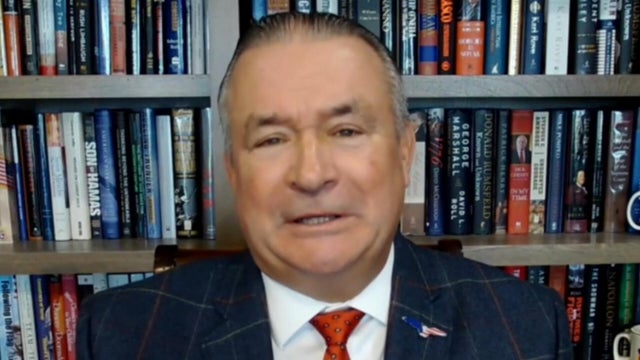
Republican Rep. Don Bacon of Nebraska joins "The Takeout" to discuss the state of the Iran ceasefire, Vice President JD Vance's trip to Hungary and more.
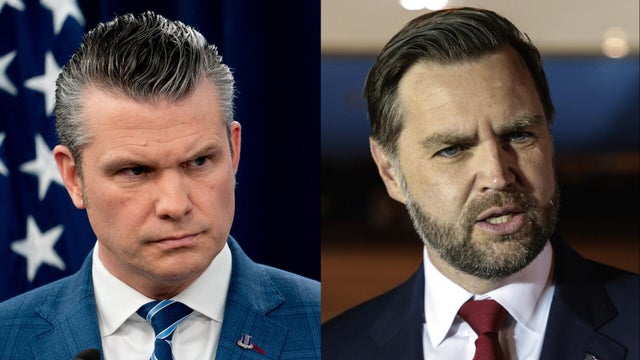
The fragile ceasefire between the U.S. and Iran appears to be fraying at the edges, with the Strait of Hormuz once again closed after Israeli airstrikes in Lebanon. CBS News senior White House correspondent Weijia Jiang reports.
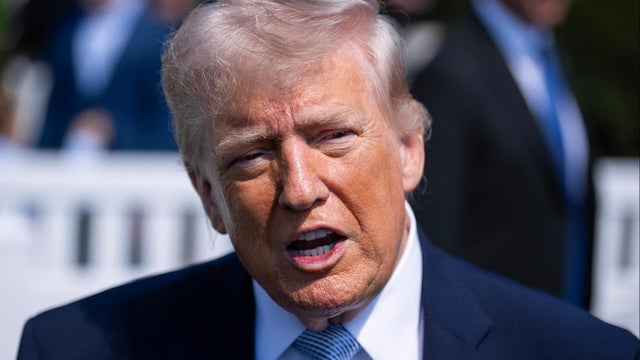
Vice President JD Vance will lead the first round of talks with Iran this weekend, the White House says. CBS News national security contributor Joe Zacks joins with analysis.
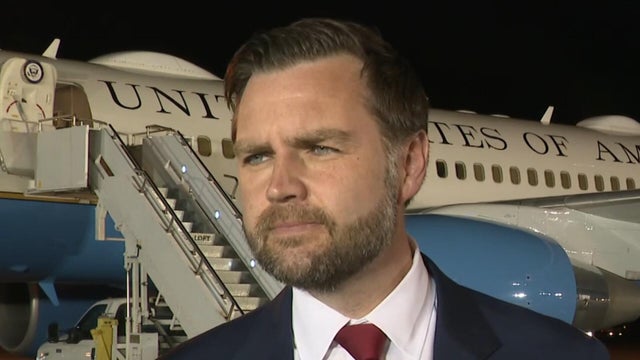
Vice President JD Vance spoke to reporters on Wednesday about the ceasefire with Iran as he left Hungary. Vance said he believes Iran misunderstood that Lebanon would be included, and that they're seeing signs the Strait of Hormuz is reopening.
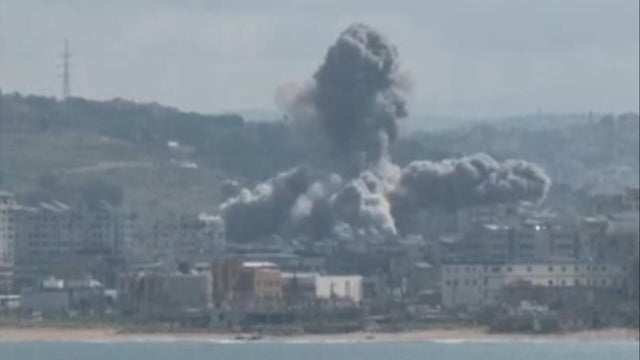
Iranian state media said Wednesday that tanker traffic through the Strait of Hormuz is "suspended" over Israeli's continued attacks against Hezbollah in Lebanon. CBS News senior foreign correspondent Imtiaz Tyab has more.
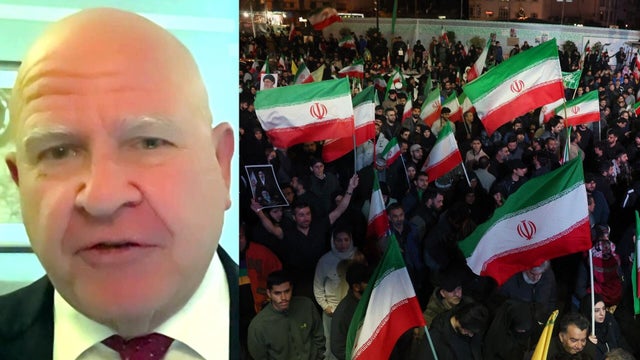
President Trump's former adviser and CBS News contributor H.R. McMaster joins CBS News 24/7 Mornings to weigh in on the two-week ceasefire deal between the U.S. and Iran.
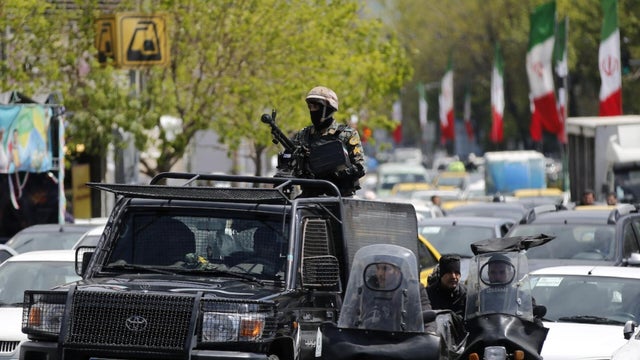
Regime supporters inside Iran are celebrating amid the two-week ceasefire, but there is also skepticism among some. Elizabeth Palmer reports.