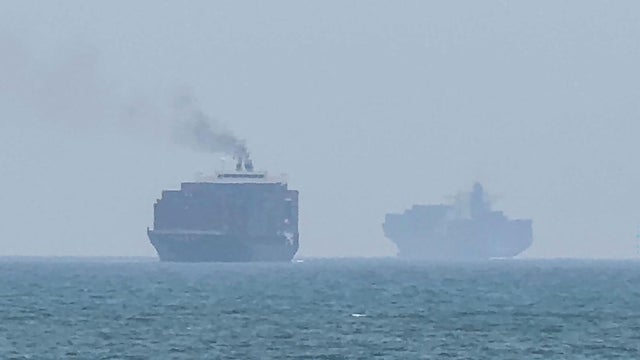
"Nothing is going through" the Strait of Hormuz, shipping insider says
Despite U.S. assertions, the CEO of a maritime risk firm says "there is no guarantee of safe passage" through the Strait of Hormuz.
Watch CBS News
Despite U.S. assertions, the CEO of a maritime risk firm says "there is no guarantee of safe passage" through the Strait of Hormuz.
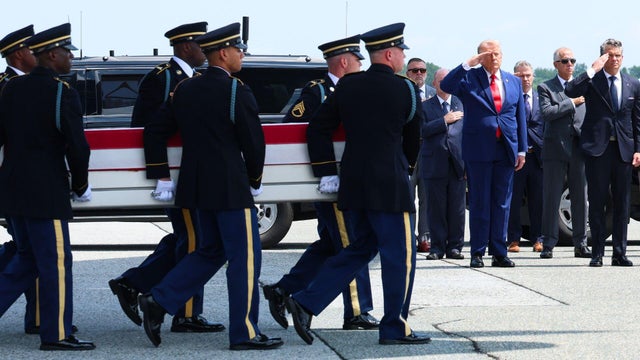
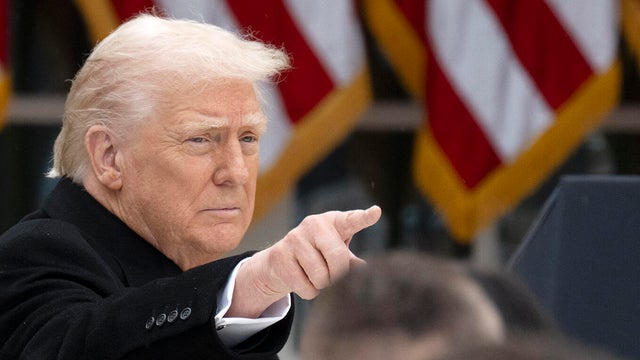
President Trump, Defense Secretary Pete Hegseth and family members attended a dignified transfer on Wednesday honoring the four U.S. Army soldiers killed in the Middle East in recent days during the war with Iran. Mugo Odigwe anchored CBS News' coverage.
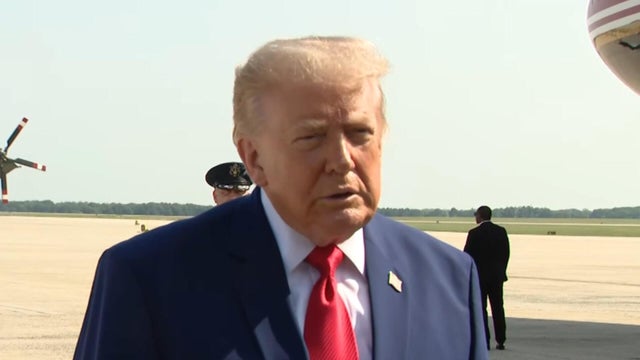
President Trump will attend the dignified transfer of the remains of the service members killed in the Middle East. Speaking to reporters on the tarmac, Mr. Trump said that a poll shows that "Americans aren't against the war" with Iran.
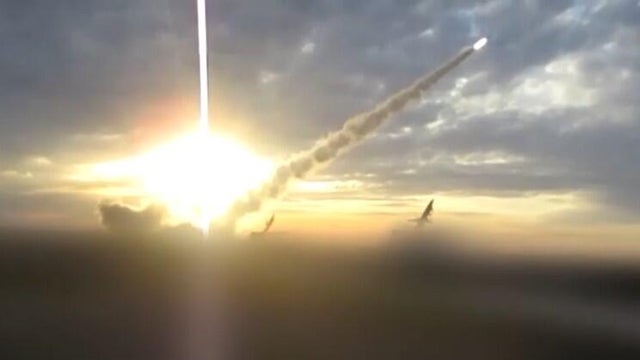
The U.S. launched another night of strikes on Iran after four U.S. soldiers were killed in Jordan and Iraq in recent days.
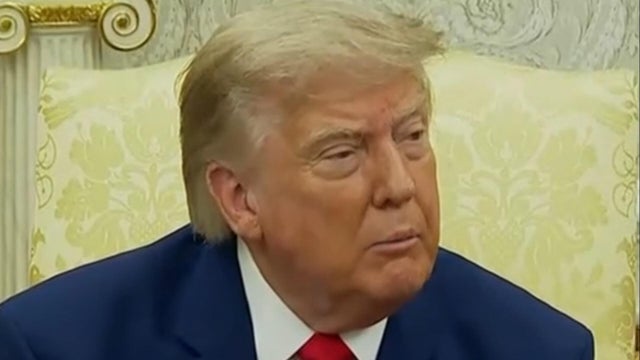
The U.S. launched an 11th consecutive night of strikes against Iran on Tuesday. CBS News' Weijia Jiang reports on Defense Secretary Pete Hegseth's earlier testimony about the Pentagon's request for additional funding. Then, Washington Post national security reporter Noah Robertson joins with analysis.
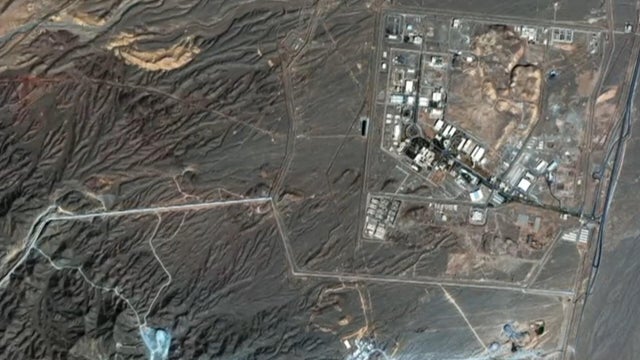
President Trump on Tuesday threatened to attack Pickaxe Mountain in Iran, a secure facility allegedly used for nuclear activity. CBS News national security analyst Aaron MacLean has more.
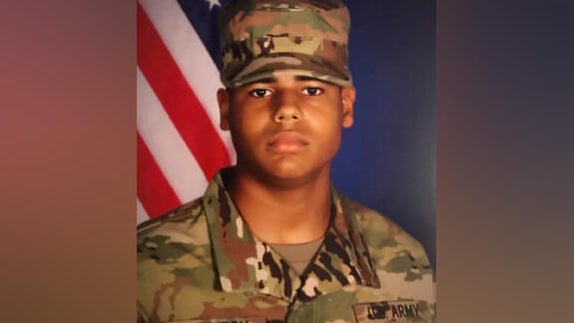
Sgt. Michael Emmanuel Swinton, 30, of North Carolina, was "decommissioning ammunition and an accident happened," Secretary of State Marco Rubio said.
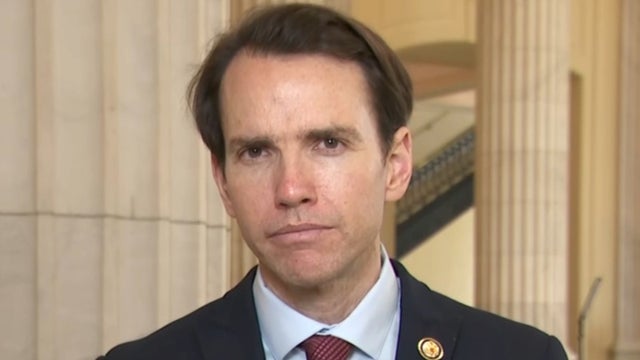
House Republicans scored a win Tuesday afternoon after the chamber narrowly passed a procedural vote on their legislative agenda. It faces a final vote later in the evening. Independent Rep. Kevin Kiley of California, who typically votes with Republicans, joins "The Takeout" with his perspective.
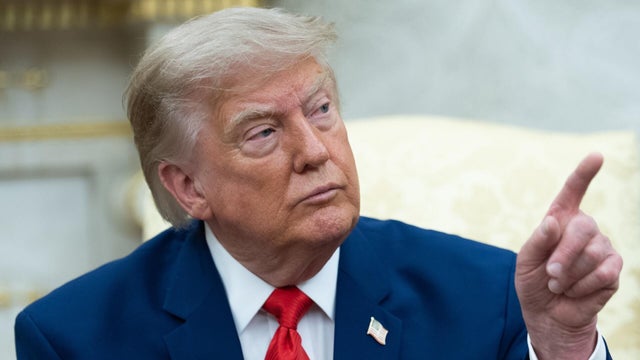
President Trump on Tuesday said the U.S. is not leaving Iran and intends to inflict still more aerial damage on targets, specifically a place called Pickaxe Mountain, but the war will soon run into genuine budget limits. CBS News' Charlie D'Agata and Weijia Jiang report. Then, Matthew Kroenig, nonresident senior fellow at the Atlantic Council, joins with analysis.

Senators on Tuesday grilled Defense Secretary Pete Hegseth and Chairman of the Joint Chiefs of Staff Dan Caine over the state of the war with Iran. CBS News congressional correspondent Caitlin Huey-Burns has the details.
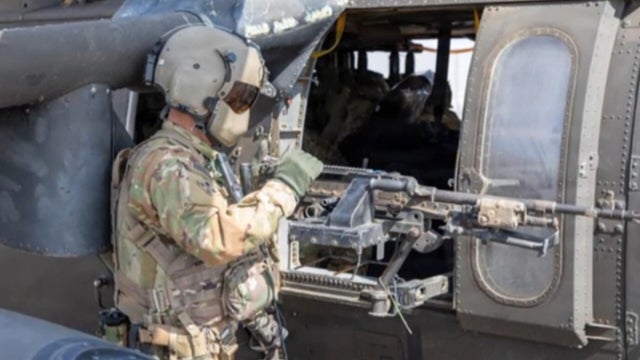
Retired U.S. Army major and military analyst Mike Lyons joins CBS News 24/7 Mornings to discuss an exclusive CBS News report that nearly 100 service members were injured in the Middle East in the last month.
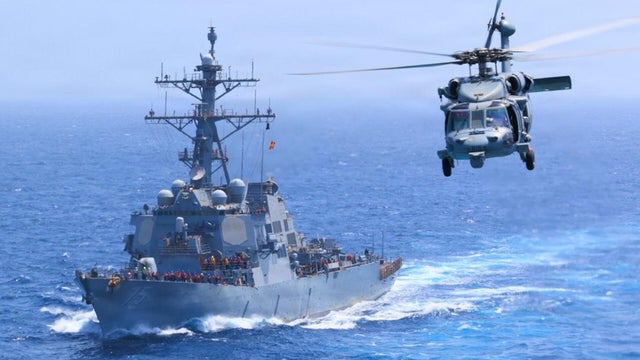
Almost 100 U.S. service members have been injured, with most returning to duty, in Iranian strikes in the Middle East this month, chief Pentagon spokesman Sean Parnell told CBS News. It comes as the Iran war continues to escalate. Charlie D'Agata has the latest.
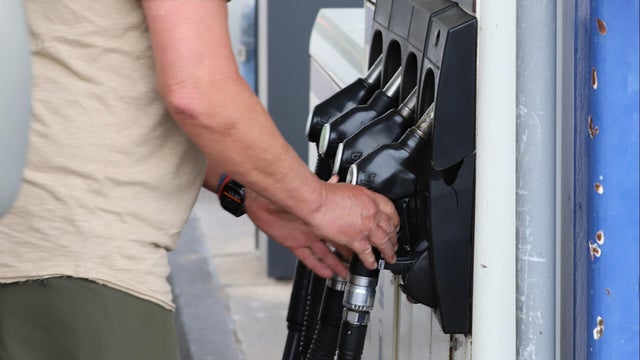
As fighting with Iran ramps up, a gallon of regular gas is once again $4 on average, up 13 cents in one week, according to AAA. Severin Borenstein, professor at UC Berkeley's Haas School of Business, joins with analysis.
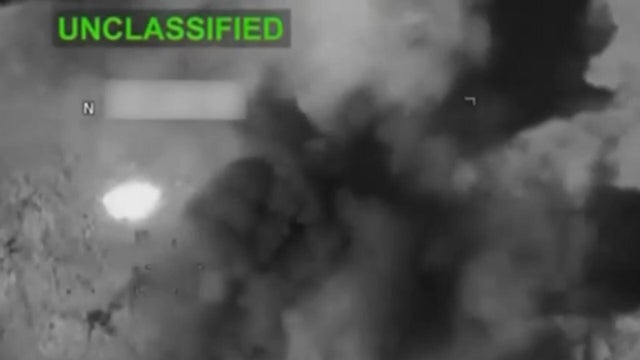
A 10th straight night of U.S. strikes on Iran is underway as President Trump vows Tehran will pay for the deaths of three American soldiers over the weekend. CBS News senior national security correspondent Charlie D'Agata reports. Then, global affairs analyst Jonathan Wachtel joins to discuss the state of the war.
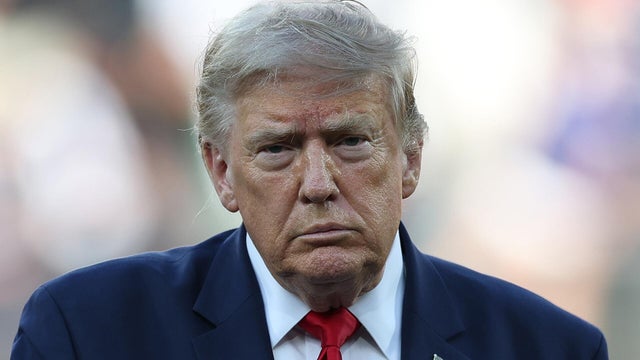
A delegation of victims of Iranian-sponsored terrorism and their families are in Washington, D.C., demanding that President Trump make Tehran pay restitution as part of any peace deal. CBS News correspondent Jonah Kaplan has the details.
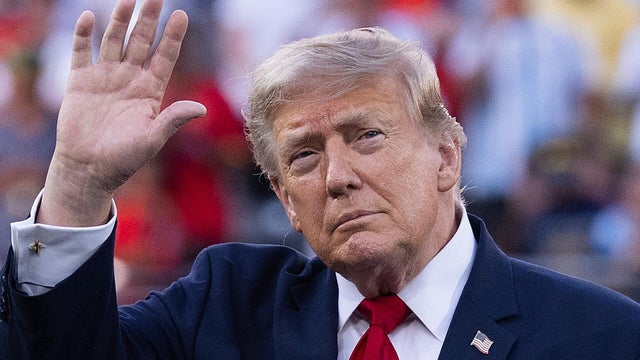
The U.S. on Monday launched its 10th straight night of strikes on Iran, CENTCOM said. The news comes as the Pentagon confirms nearly 100 U.S. service members were hurt in Iranian airstrikes on multiple bases this month. CBS News' Charlie D'Agata and Aaron MacLean have the latest.
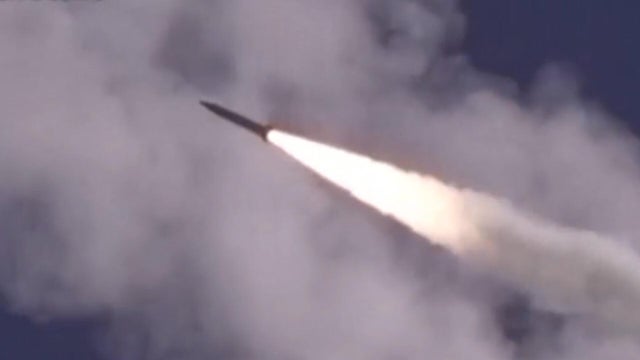
The Pentagon has identified the two soldiers who died Friday in an Iranian drone attack on a U.S. military base in Jordan. CBS News' Charlie D'Agata has the latest.
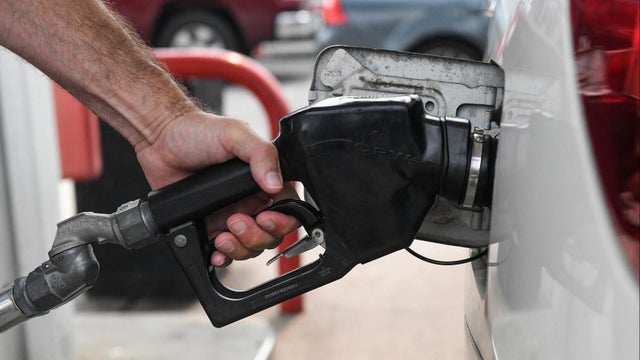
Gas prices are on their way up again as the U.S. and Iran continue to launch strikes at each other and ship traffic in the Strait of Hormuz dries up. Lindsey Reiser has more.

This week on "Face the Nation with Margaret Brennan," as the U.S. struck back at Iran overnight, Sen. Mark Warner joins to discuss the latest in the Middle East. Plus, CBS News contributors Chris Krebs and David Becker discuss election security.
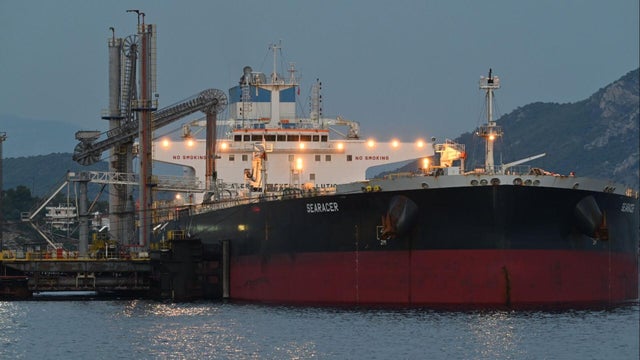
Gas prices have increased again as tensions rise between the U.S. and Iran. Axios reporter Madison Mills explains how oil markets have reacted to the war.
The U.S. on Thursday launched a new wave of strikes against Iran for the fifth day in a row. CBS News senior foreign correspondent Imtiaz Tyab reports.
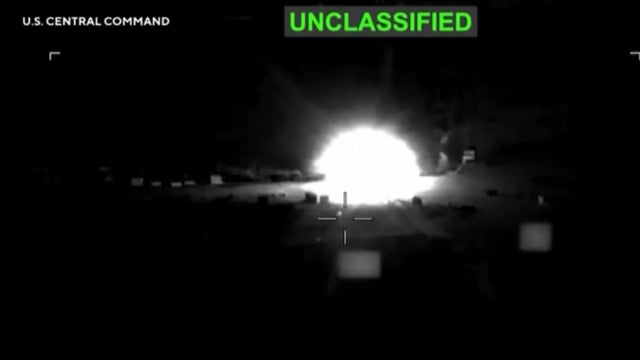
U.S. forces launched a fifth consecutive day of strikes against Iran on Thursday. CBS News Pentagon reporter Eleanor Watson has more.
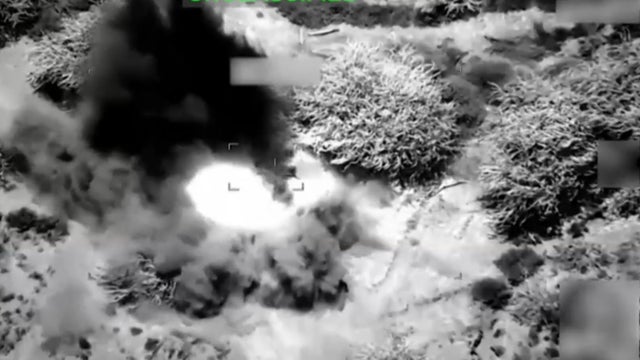
The U.S. struck Iran overnight as tensions between the two countries continue to escalate. Iran responded with attacks on U.S. bases and facilities in the Middle East. CBS News' Charlie D'Agata has more.
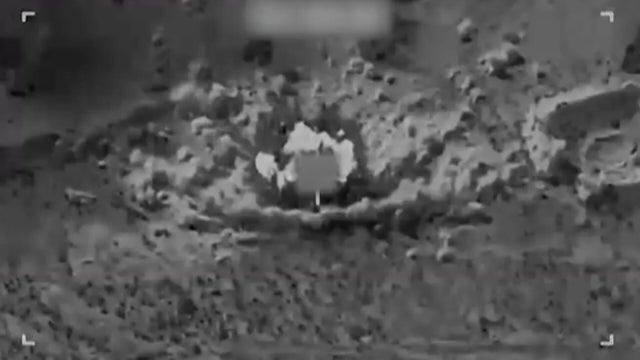
U.S. Central Command confirmed it began a second wave of strikes against Iran on Wednesday, following a round of attacks earlier in the day. Retired Navy Vice Adm. Robert Murrett joins CBS News to discuss.
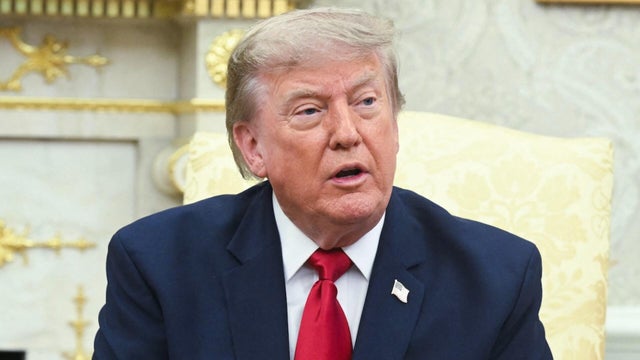
The U.S. launched back-to-back strikes on Iran Wednesday, marking a fifth straight day of attacks. CBS News senior White House and political correspondent Ed O'Keefe reports.