6 presidential speeches that shaped American history
These six presidential speeches are some that have most reverberated through the ages, and whose impacts are still felt today.
Watch CBS News
These six presidential speeches are some that have most reverberated through the ages, and whose impacts are still felt today.
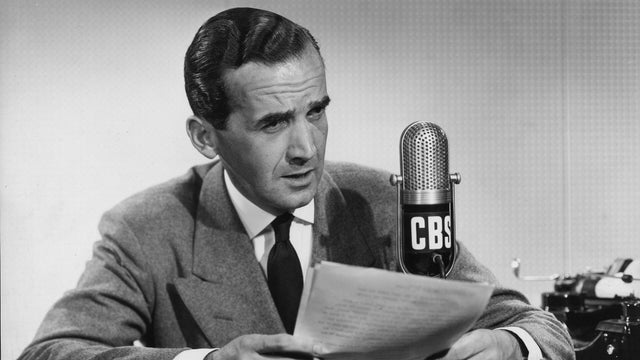
CBS News Radio is shutting down on Friday after nearly 100 years on the air. In this marathon, Major Garrett ventures into the archives to feature memorable moments from the American institution's storied history.
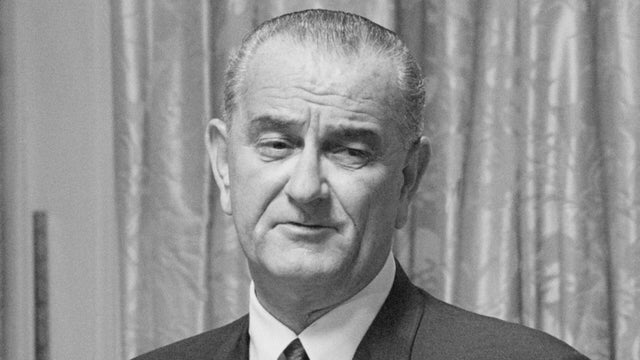
Major Garrett introduces CBS News Radio coverage of President Lyndon B. Johnson's 1965 speech to Congress, calling for equal voting rights for Black Americans.
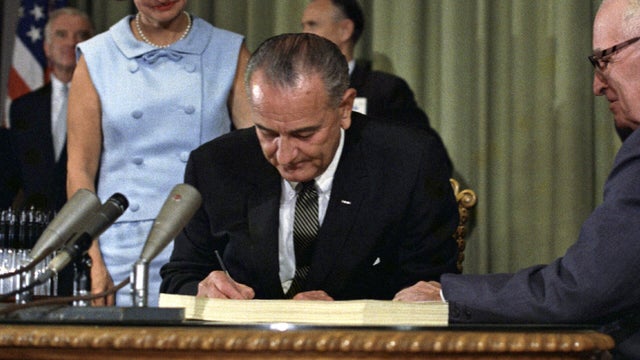
Wednesday marks 60 years since President Lyndon Johnson signed Medicare and Medicaid into law. This anniversary comes just weeks after Congress passed major changes and cuts to both programs. CBS News' Jo Ling Kent digs into the history.
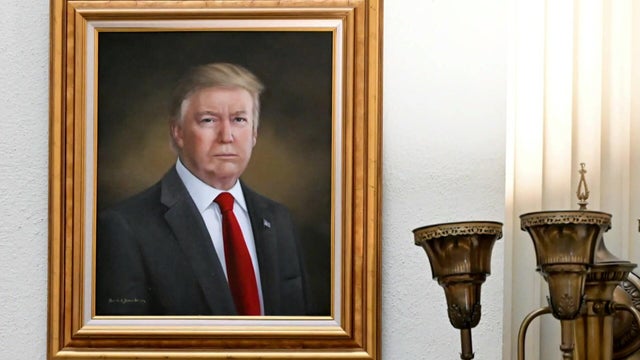
A portrait of President Trump has been removed from the Colorado State Capitol at his request. It's not the only president who has disliked his portrait. "CBS Evening News" co-anchors John Dickerson and Maurice DuBois have more.
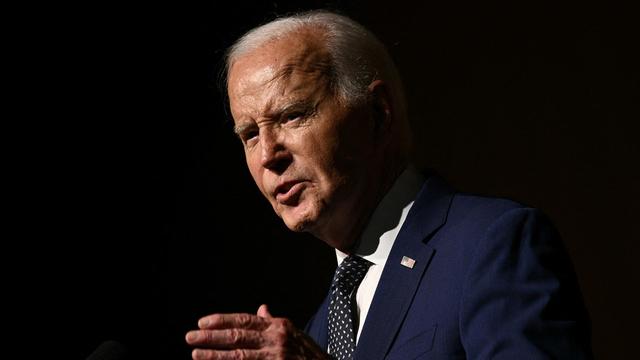
President Biden spoke Monday at the Lyndon B. Johnson Presidential Library honoring the 60th anniversary of the Civil Rights Act. The president slammed recent Supreme Court rulings and unveiled his new reform proposal. This included calling for term limits for the high court.
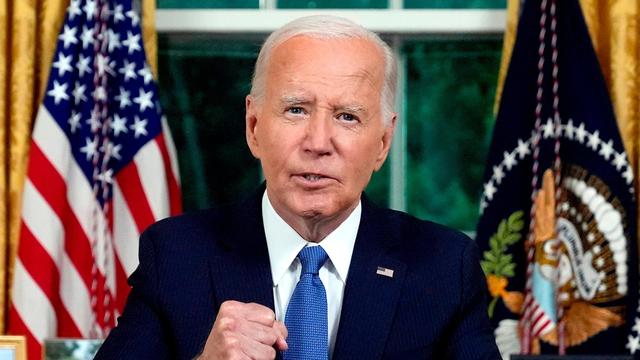
President Biden addressed the nation from the Oval Office Wednesday night in his first public remarks since his decision to drop out of the 2024 race on Sunday. Mr. Biden said the best way forward was to pass the torch to a new generation. Skyler Henry, CBS News correspondent, and Lindsay Chervinsky, executive director of the George Washington Presidential Library, join with more.
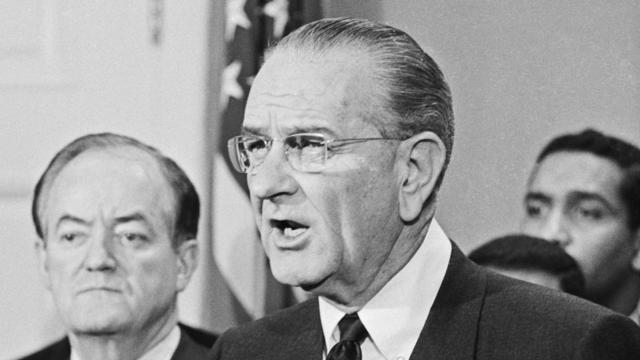
In the past two weeks, former President Donald Trump survived an assassination attempt and President Biden ended his reelection campaign. Has there ever been two weeks in American history like this? The answer: Yes and no. CBS News chief Washington correspondent Major Garrett explains.
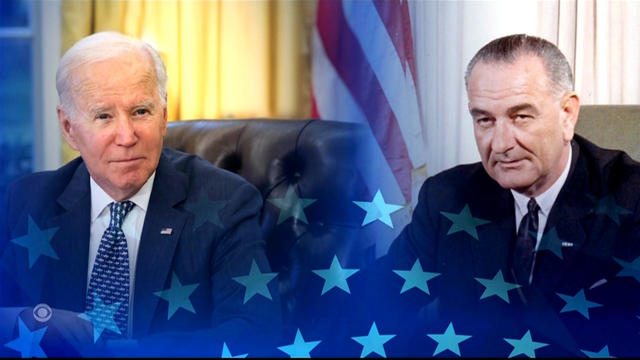
News over the weekend that President Biden would not seek re-election brings to mind 1968, when Lyndon B. Johnson decided not to seek re-election. Mark Strassman talks to a historian over the other similarities between now and the campaign of 1968.
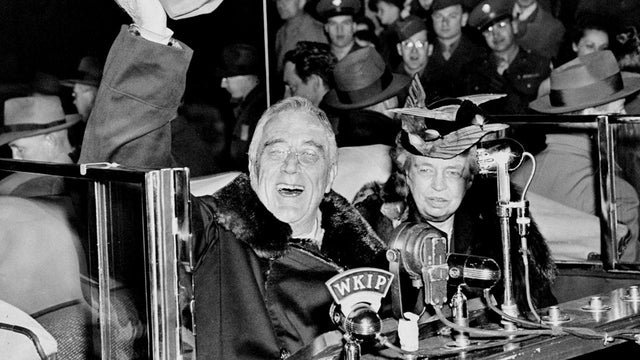
The historian describes what the experience of two past incumbent presidents, Franklin D. Roosevelt and Lyndon B. Johnson, may teach us about Biden's campaign for reelection.
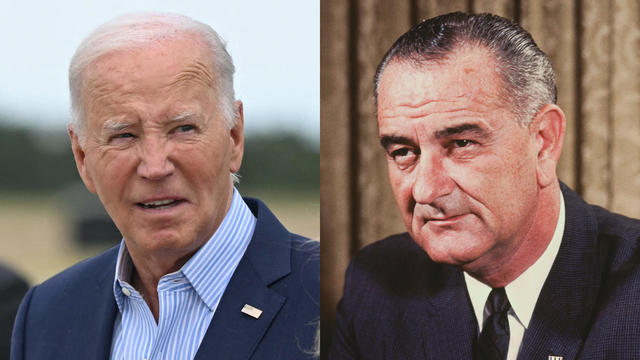
When then-President Lyndon B. Johnson announced he would not run again in 1968, it rocked American politics. With President Biden facing calls to step aside after his debate performance, it's still unclear whether he will have an LBJ moment of his own. Presidential historian Douglas Brinkley joins to discuss.
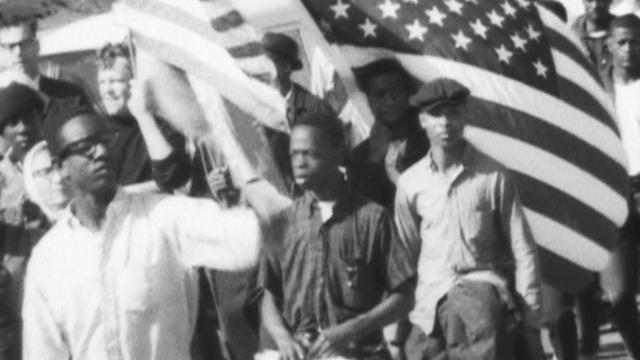
On July 2, 1964, President Johnson signed into law the Civil Rights Act, ending our nation's apartheid. Mark Updegrove, president & CEO of the LBJ Foundation, looks back on a watershed moment in American democracy when segregation was finally made illegal.
The director of the LBJ Presidential Library, Mark A. Lawrence, joins Major Garrett on "The Takeout." Lawrence compares other presidents to Lyndon B. Johnson and says Johnson is the "gold standard" for making Congress work. They discuss how JFK's assassination weighed heavily on LBJ, and how he placed importance on continuity.
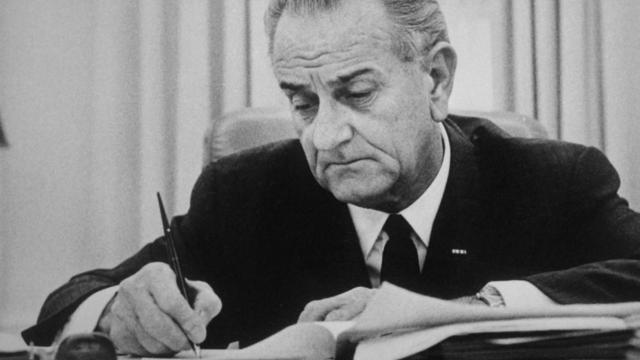
Fifty years after the death of Lyndon Baines Johnson, biographer Robert Caro, historian Mark Updegrove, and Luci Baines Johnson (LBJ's youngest daughter) discuss one of the most consequential, yet underappreciated presidencies in U.S. history.
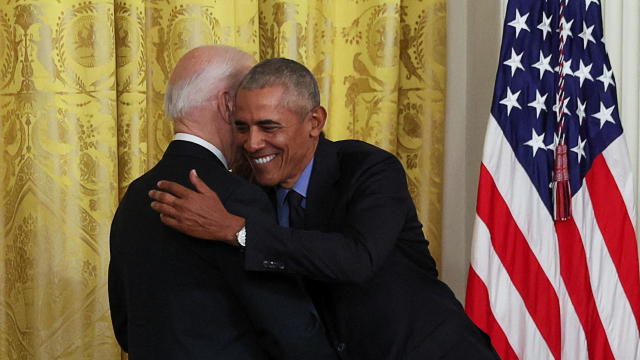
It's been more than a decade since the Obamas welcomed George W. Bush back to the White House.
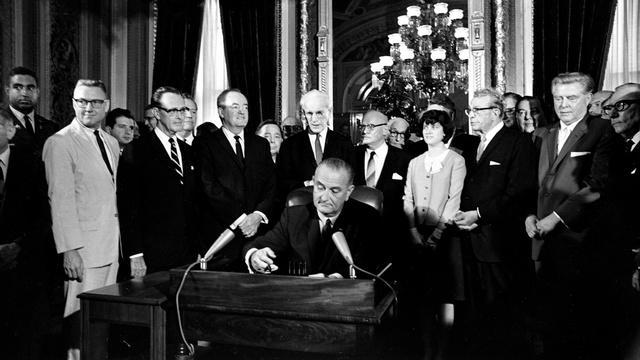
As the Voting Rights Act turns 56, activists warn that the sanctity of the ballot box is corroding under relentless Republican efforts on the state level. In an op-ed in The Washington Post, U.S. Attorney General Merrick Garland urged Congress to act to pass new legislation to protect voting rights. CBS News political contributors and analysts Antjuan Seawright and Leslie Sanchez join with their perspectives on the anniversary and the road ahead.
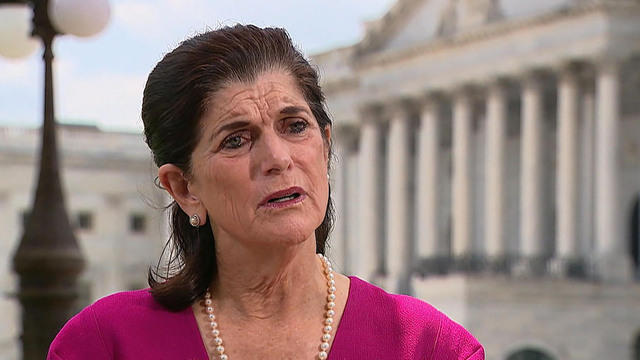
This weekend 56 years ago, President Lyndon Johnson signed the landmark Voting Rights Act into law. Now, Luci Baines Johnson has embarked on a crusade for voting rights. Nikole Killion reports.
Ramsey Clark, a former Attorney General during the Johnson Administration, died Friday at the age of 93. Clark is remembered for his work on desegregation and defending high-profile figures like Saddam Hussein.
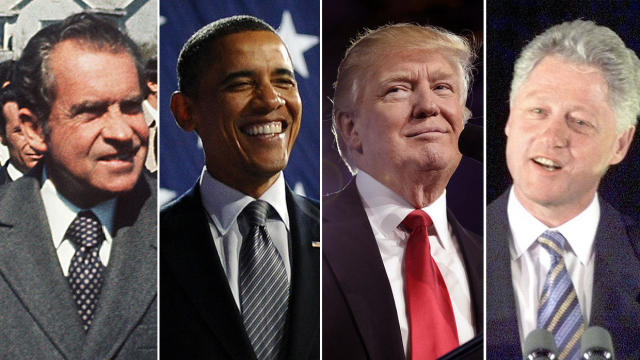
Barack Obama, Ronald Reagan, Bill Clinton and more – they served, and sometimes they divided.
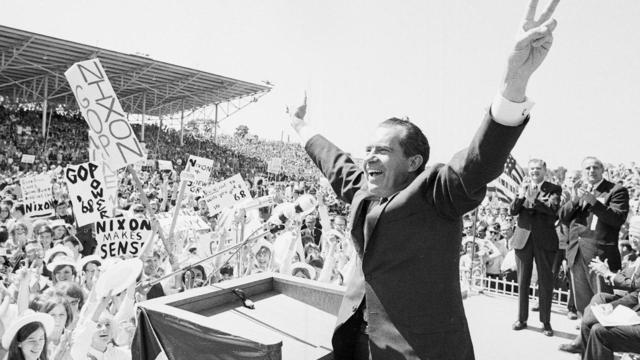
At a time of unrest over the Vietnam War, the stage was set for the Republican - suffering the image of "loser" after his past defeats - to run as a "law and order" candidate
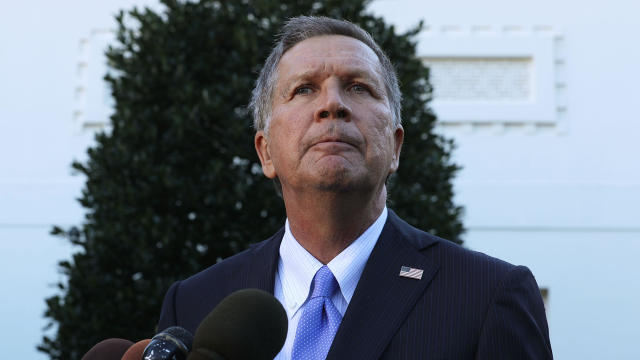
He'd better hope not, because as history shows us, primary challenges almost always spell disaster for incumbent presidents
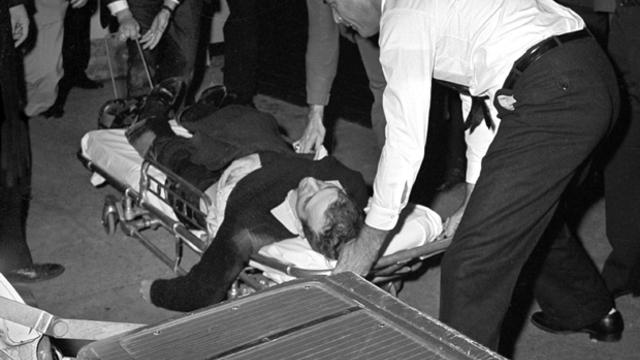
Newly released files also show lawyers appeared to be probing for info on what foreign leaders might have been CIA assassination targets
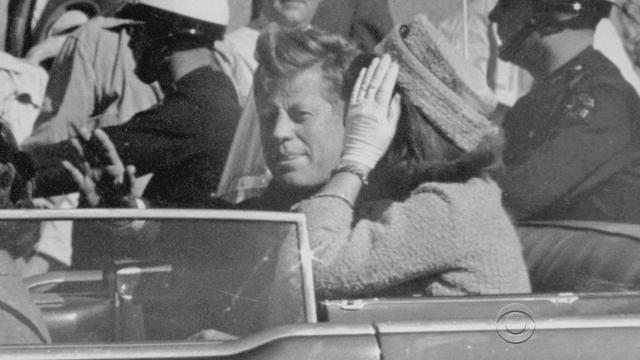
More than 3,100 documents relating to the assassination of President John F. Kennedy are due to be released Thursday
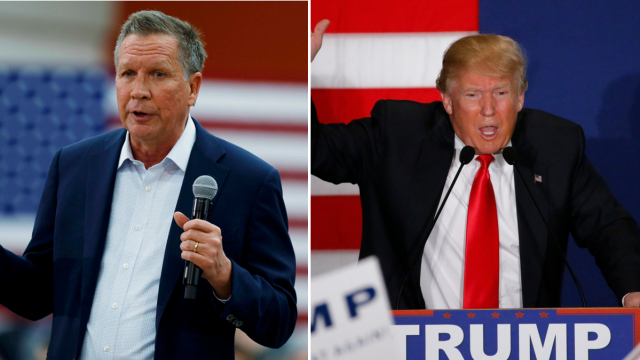
With Ohio Gov. John Kasich reportedly mulling a run against President Trump, a look back at presidential primary challenges
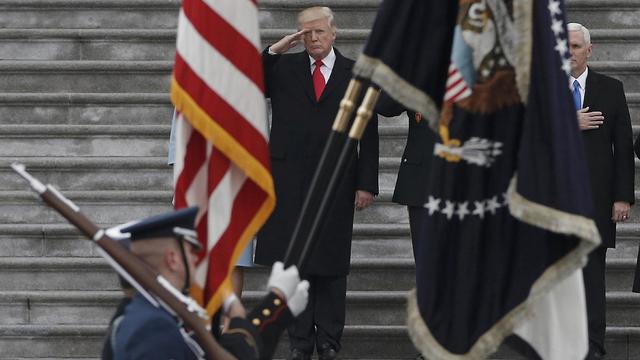
The president makes a lot of news, sure, but his presidency so far is remarkable for how little it has been able to accomplish