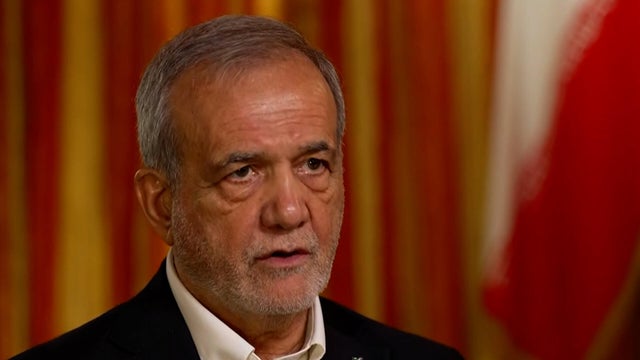
Extended interview: Masoud Pezeshkian
Iranian President Masoud Pezeshkian speaks with Face the Nation's Margaret Brennan about the war with the U.S., his country's latest offer to open the Strait of Hormuz, the supreme leader's condition and more.
Watch CBS News
Iranian President Masoud Pezeshkian speaks with Face the Nation's Margaret Brennan about the war with the U.S., his country's latest offer to open the Strait of Hormuz, the supreme leader's condition and more.
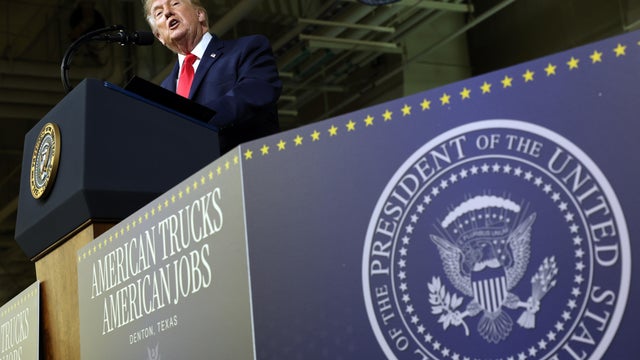
When the U.S.-Iran conflict began, President Trump laid out a litany of aggressive war aims. Here's what the president and his top aides said then — and how their views have changed.
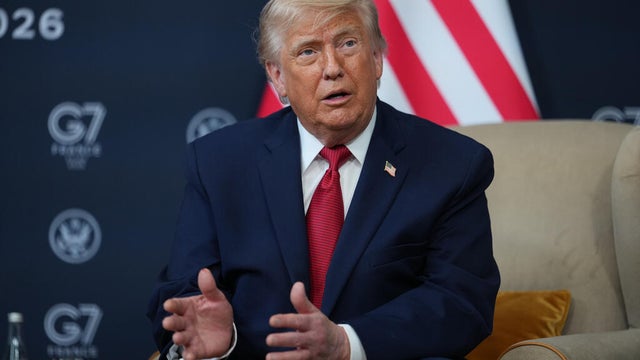
The agreement, as read by senior U.S. officials, allows Iran to immediately begin exporting oil and petroleum products.
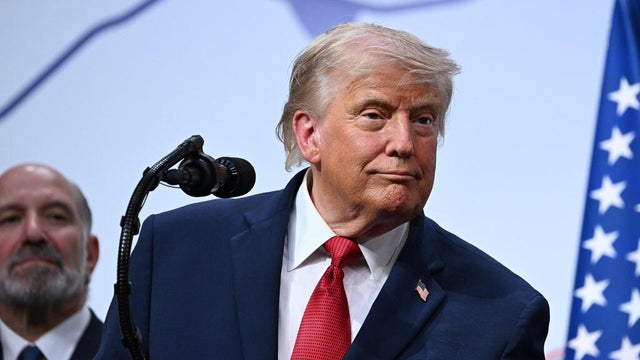
The Obama-era Iran deal was packed with technical details and specific requirements limiting, but not shutting down, Iran's nuclear program. President Trump's new agreement is more of a framework, and it's not final yet.
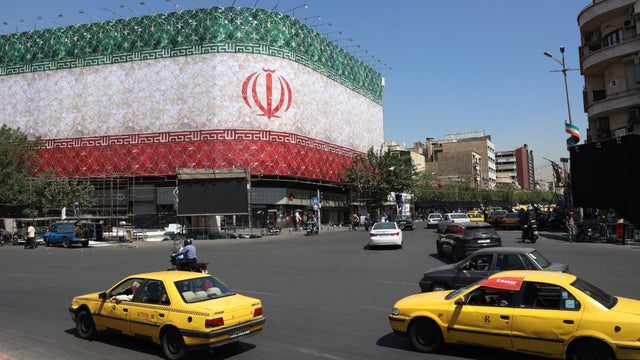
The U.S. and Iran are set to officially sign a framework agreement on Friday, as the world awaits the outcome of the nuclear negotiations expected to follow. CBS News' Nancy Cordes and Will Todman, a senior fellow at the Center for Strategic and International Studies, have more.
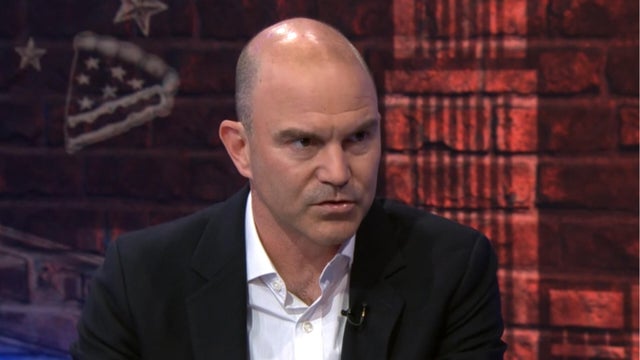
Ben Rhodes, former foreign policy adviser and speechwriter for President Obama, discusses the current war in Iran and President Trump's comments about Obama's 2015 deal with the country.
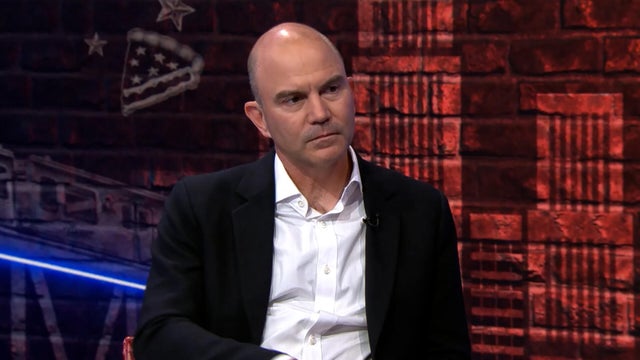
Ben Rhodes, former foreign policy adviser and speechwriter for President Obama, speaks with Major Garrett about the war in Iran, the deal the Obama administration made with Iran, his new book, "All We Say: A History of the United States in Fifteen Speeches" and more.
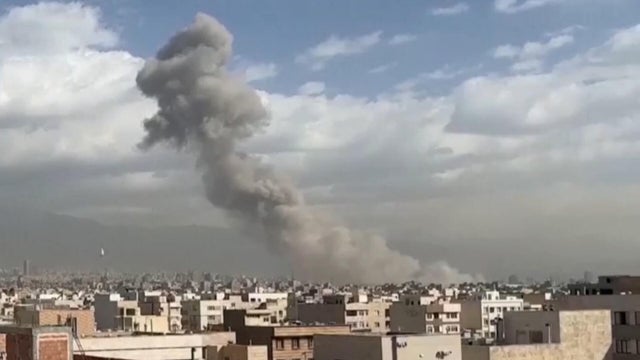
The U.S. and Israel's strikes against Iran has raised fears of a broader regional conflict that could last weeks. "Face the Nation" moderator Margaret Brennan and CBS News senior White House correspondent Weijia Jiang have the latest.
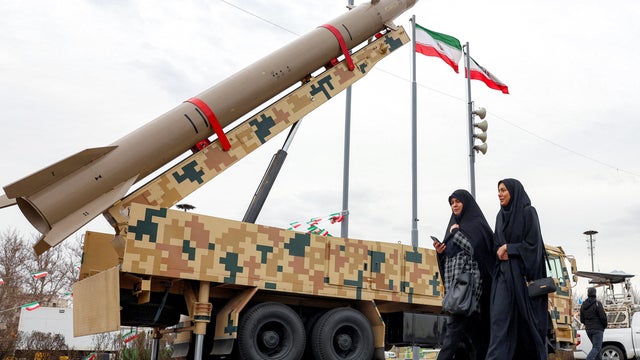
Trump says he won't let Iran to build a nuclear weapon, and Iran says it doesn't intend to, but as talks resume, experts see war as more likely than a deal.
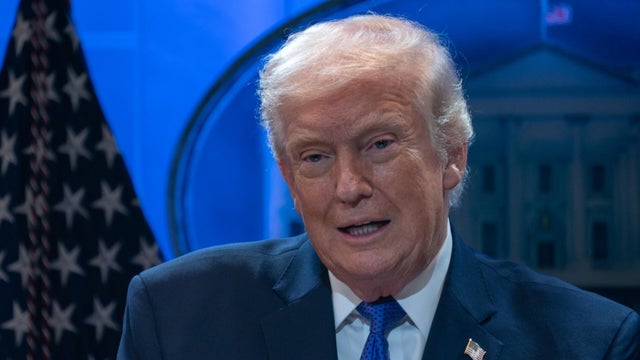
The U.S. military is preparing for possible strikes against Iran as tension between the countries continues to build amid nuclear talks. CBS News senior national security correspondent Charlie D'Agata has the latest from Tel Aviv.
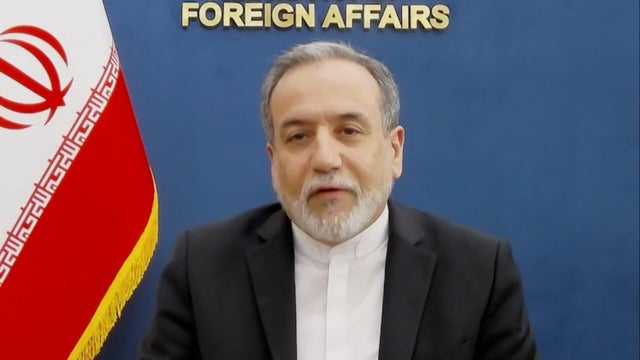
As diplomatic talks in Geneva between the U.S. and Iran continue amid heightened tensions in the Middle East, Iranian Foreign Minister Abbas Araghchi told "Face the Nation with Margaret Brennan" that "I think as a sovereign country, we have every right to decide for ourselves, by ourselves" about a nuclear program.
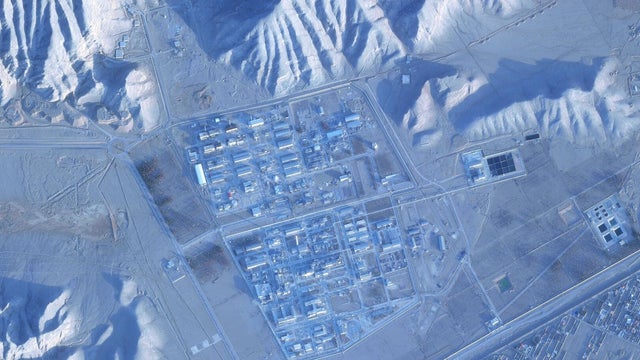
The head of the U.N. nuclear watchdog agency says Iran's enriched uranium "is still there," as he stresses the urgency of diplomacy to avert a U.S.-Iran war.
Iran's foreign minister said talks with American negotiators about the future of Tehran's nuclear program were "a good start." CBS News national security contributor Sam Vinograd has more.
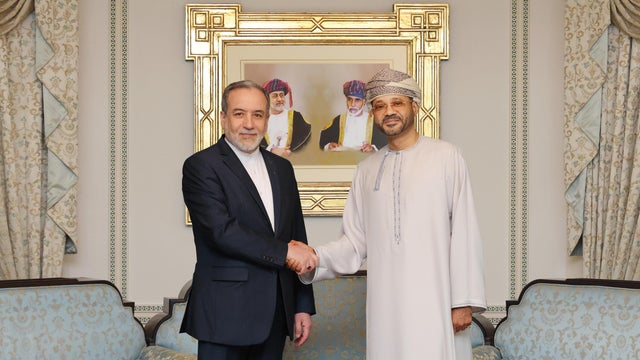
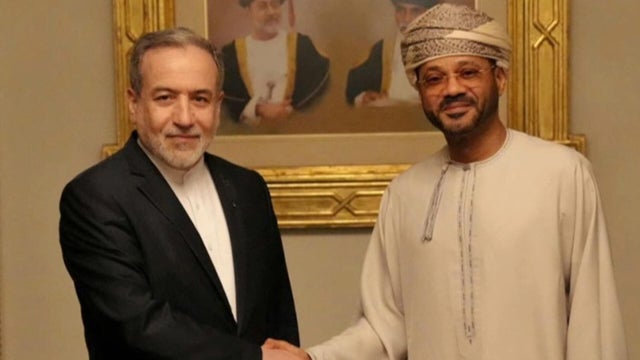
After a round of indirect talks with Trump's envoys in Oman, Iran's top diplomat says the country will keep negotiating, but stresses a lack of trust.
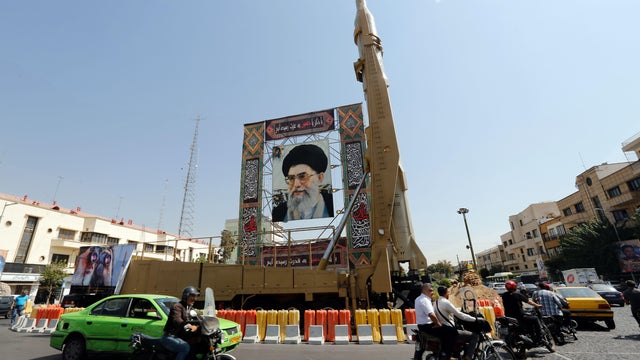
The Trump administration is lauding 3 European allies for triggering a mechanism to reimpose U.N. sanctions on Iran for noncompliance with a 2015 nuclear deal.
President Trump has announced that the U.S. struck three Iranian nuclear facilities. CBS News national security contributor Sam Vinograd and retired Gen. H.R. McMaster break it down.
President Trump announced Saturday that the U.S. has attacked three nuclear sites in Iran, calling them successful. CBS News senior White House correspondent Weijia Jiang reports.
President Trump said the U.S. struck three nuclear targets in Iran on Saturday. CBS News Middle East reporter Courtney Kealy has more details.
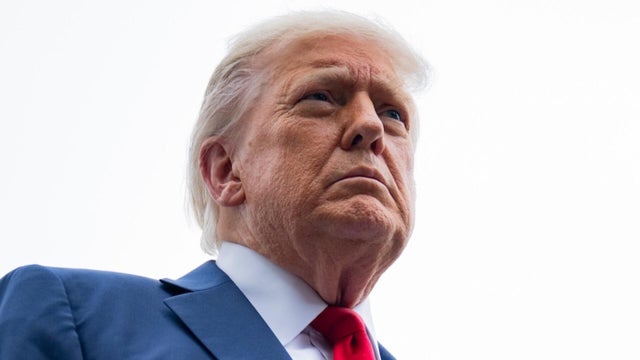
President Trump announced that the U.S. struck three Iranian nuclear sites on Saturday evening. He wrote on Truth Social that the "very successful attack" included the "Fordow, Natanz, and Esfahan" nuclear sites. CBS News Middle East reporter Courtney Kealy has the latest.
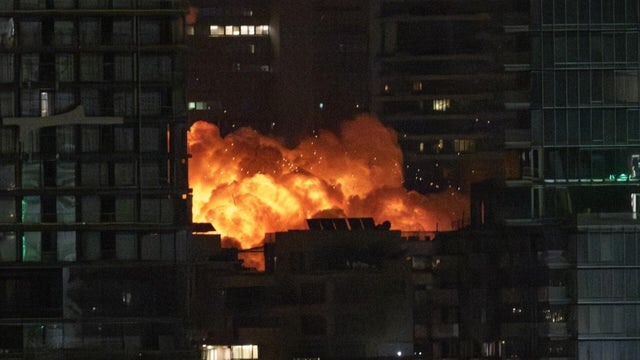
Fighting between Iran and Israel continued on Friday as the two nations traded air strikes. "The Daily Report" breaks down how the world got here and CBS News national security contributor Sam Vinograd has more.
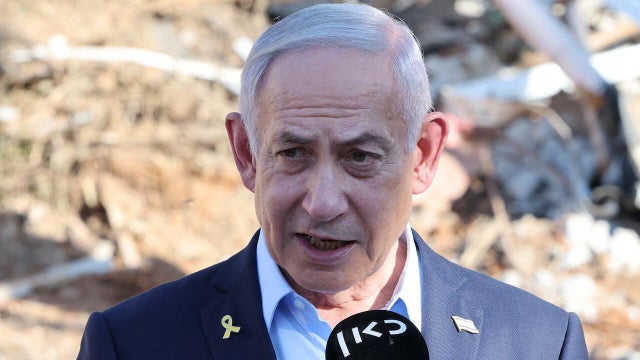
The clock is ticking for President Trump to decide what role the U.S. will play in the deadly conflict between Israel and Iran. CBS News' Debora Patta, Charlie D'Agata and Willie James Inman have all the latest.
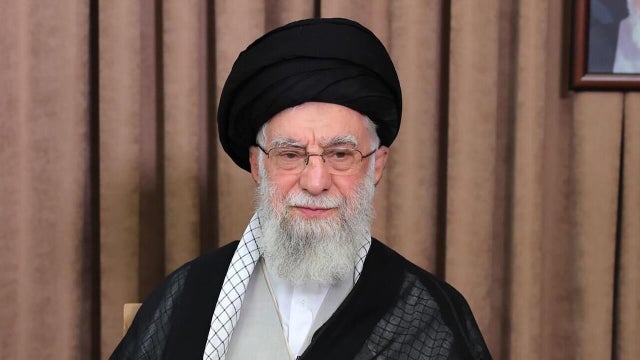
Europeans and Iranians spoke at a summit in Geneva to try and find a diplomatic off-ramp to potential war in Iran. President Trump said he needs two weeks to decide on U.S. involvement. CBS News senior foreign correspondent Elizabeth Palmer reports and CBS News foreign policy and national security contributor H.R. McMaster has analysis.
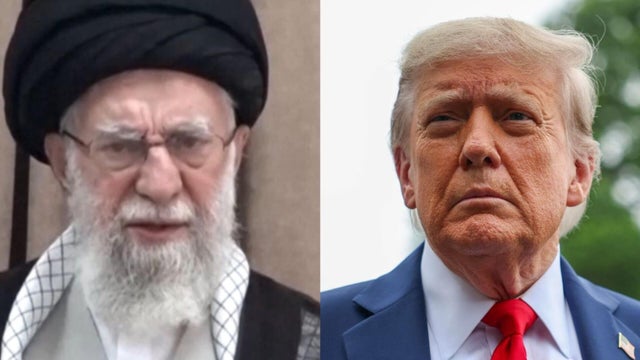
President Trump has approved an attack plan for Iran, but has not yet made the call to strike, an intelligence source and a defense official tells CBS News. CBS News' Aaron Navarro has more.
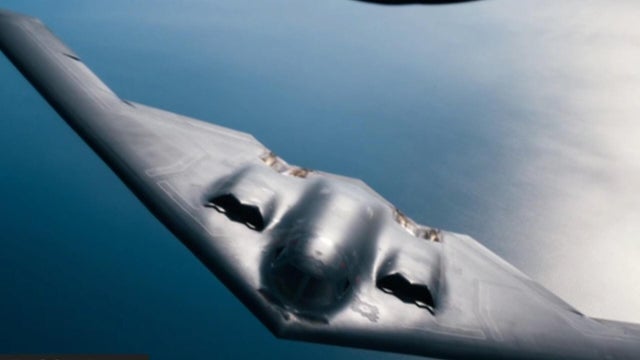
The International Atomic Energy Agency, or the IAEA, reported that Friday's air strikes launched by Israel at different Iranian nuclear energy sites appear to have damaged the underground enrichment tunnels at the largest facility. Tom Karako, the director of the Missile Defense Project, joins "The Daily Report" with more.
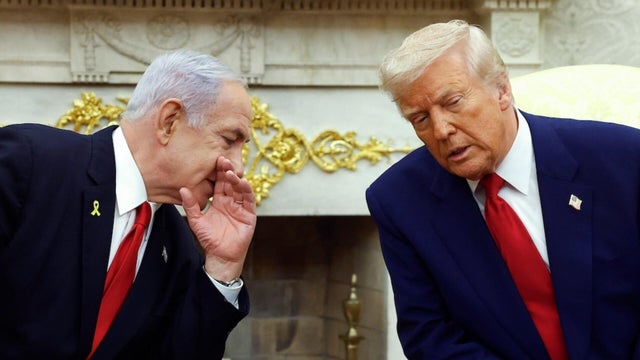
Iran launched retaliatory strikes on Israel Friday after Israeli Prime Minister Benjamin Netanyahu launched a wide-scale attack on Iran's nuclear and military facilities. Ian Bremmer, president and founder of Eurasia Group, joins "The Daily Report" to discuss.