Casey Means on Hep B vaccine for newborns
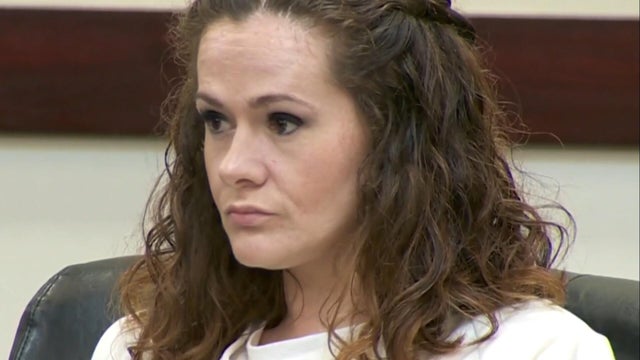
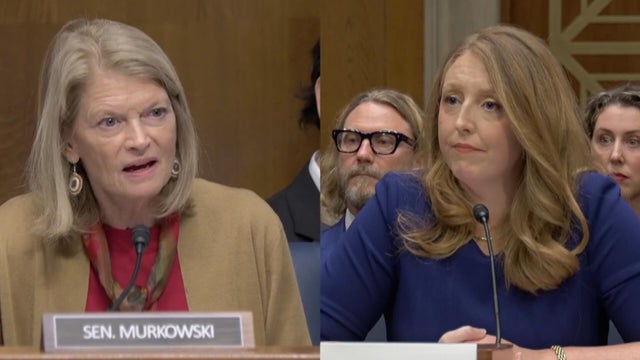
Sen. Lisa Murkowski, a Republican from Alaska, asked surgeon general nominee Casey Means about her skepticism of the Hepatitis B vaccine for newborns.
Watch CBS News
Sen. Lisa Murkowski, a Republican from Alaska, asked surgeon general nominee Casey Means about her skepticism of the Hepatitis B vaccine for newborns.
Clinicians and epidemiologists warn the decision could unravel decades of progress and expose newborns to a deadly, preventable disease.
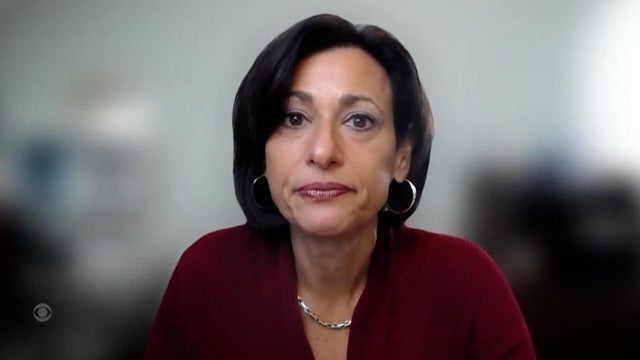
CBS News chief medical correspondent Dr. Jon LaPook speaks at length with former CDC director Dr. Rochelle Walensky about the hepatitis B vaccine and last week's vote by the CDC's vaccine advisory panel to change the recommendation for when children should get their first dose of the vaccine.
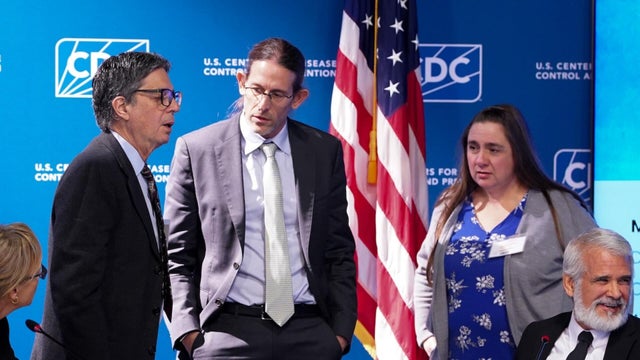
The Centers for Disease Control and Prevention's vaccine advisory panel on Friday voted to not recommend the hepatitis B vaccine for everyone at birth, alarming many in the medical community. CBS News medical contributor Dr. Celine Gounder explains what to know about the decision and its potential impact.

As the CDC vaccine panel voted last week to stop recommending the birth dose of the hepatitis B vaccine, former FDA Commissioner Scott Gottlieb, who now serves on the boards of Pfizer and UnitedHealthcare, told "Face the Nation with Margaret Brennan" that the birth dose in addition to two subsequent does is "almost 99% effective at preventing that chronic infection."
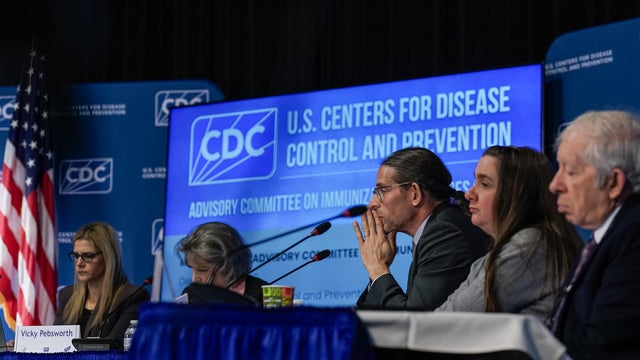
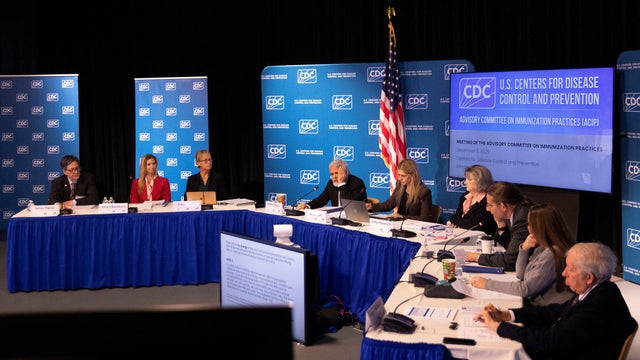
The CDC's Advisory Committee on Immunization Practices, with members appointed by RFK Jr., voted to change longstanding recommendations on the hepatitis B vaccine.

The Centers for Disease Control and Prevention's vaccine advisory panel voted to change the recommendation for when children should get their first dose of the hepatitis B vaccine. Meg Oliver has more.
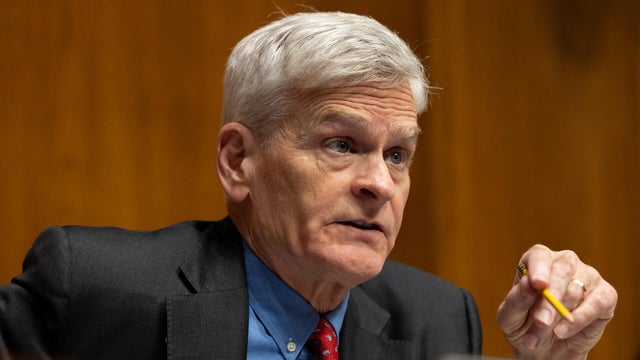
The CDC vaccine advisory panel voted Friday to stop recommending newborns get their first dose of the hepatitis B vaccine within 24 hours of birth. CBS News chief medical correspondent Dr. Jon LaPook joins with analysis.

The vaccine advisory panel for the Centers for Disease Control and Prevention has voted to change the recommendation for childhood hepatitis B vaccines despite warnings from medical experts. Michael Osterholm, director of the Center for Infectious Disease Research and Policy at the University of Minnesota, joins with his reaction.
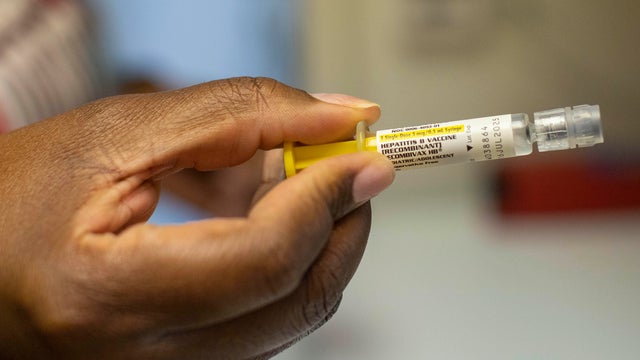
The CDC's vaccine advisory panel meets Thursday and Friday to discuss recommendations for the hepatitis B vaccine and the schedule of childhood shots.
A CDC vaccine panel will vote Friday on whether to stop recommending the hepatitis B vaccine for newborns. CBS News medical contributor Dr. Céline Gounder joins "The Takeout" to discuss.

The Centers for Disease Control and Prevention has delayed a vote until Friday on whether to change a longstanding recommendation that newborns should receive the hepatitis B vaccine. Dr. Peter Chin-Hong, an infectious disease specialist, joins CBS News to discuss.

The three-dose hepatitis B vaccine has a long track record of safety, but rolling back recommendations could leave kids vulnerable to infections, doctors say.

The CDC's Advisory Committee on Immunization Practices, with members appointed by RFK Jr., voted on changes to COVID-19 vaccine recommendations.

The Centers for Disease Control's vaccine committee voted Thursday to change its recommendation for the combined measles, mumps, rubella and varicella (MMRV) vaccine. CBS News medical contributor Dr. Céline Gounder breaks down the change.

The Centers for Disease Control's vaccine advisory panel is meeting Thursday and Friday to decide whether to change recommendations for vaccinations. The meeting comes after Health Secretary Robert F. Kennedy Jr. fired the CDC's director last month and replaced the entire vaccine advisory panel with his allies. Dr. Amesh Adalja from the Johns Hopkins Center for Health Security joins CBS News to discuss.
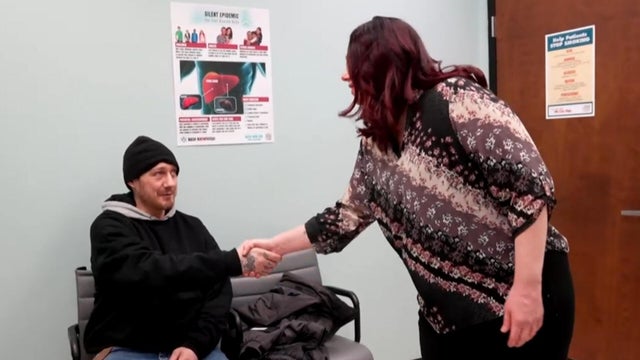
The CDC estimates up to 4 million Americans suffer from the chronic effects of Hepatitis C. It's a viral infection that attacks the liver. One small clinic in Buffalo, New York, is proving this doesn't have to be the case. Dr. Céline Gounder reports.