Less than half of Americans can afford quality healthcare, Gallup finds
Gallup found that only 49% of Americans were "cost-secure" last year, with concerns about medical bills and prescription costs rising across income groups.
Watch CBS News
Gallup found that only 49% of Americans were "cost-secure" last year, with concerns about medical bills and prescription costs rising across income groups.
After congressional Republicans let expanded subsidies for Affordable Care Act plans expire at the end of last year, some families have decided the price is too great of a financial burden and canceled their coverage.
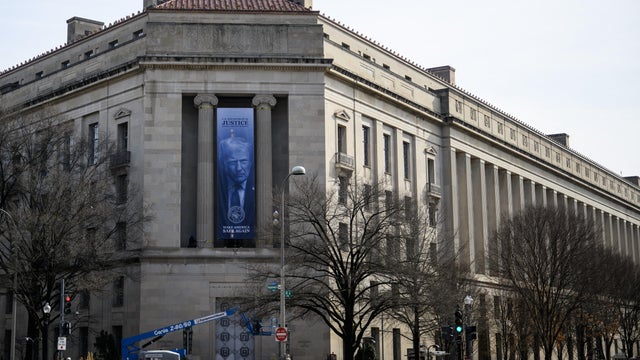
U.S. District Judge Mary McElroy had lambasted Justice Department lawyers in a decision last month and accused them of misrepresenting and withholding information.
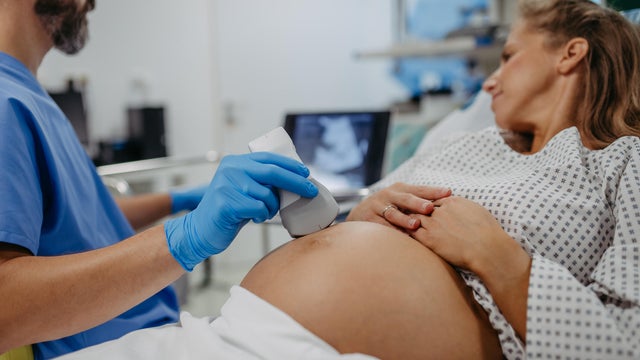
Come January, pregnancy care physician billing codes will change from a bundled system to an à la carte one.
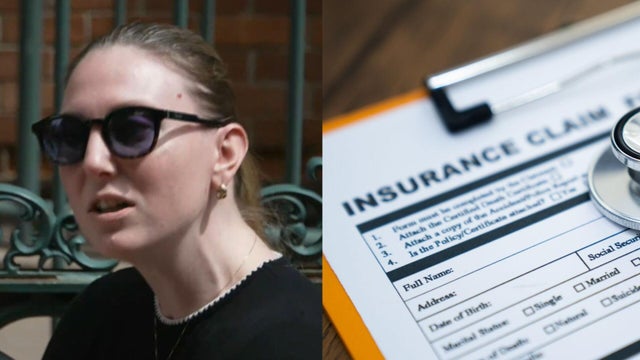
In the 1800s, Hartford, Connecticut, picked up the nickname, "The Insurance Capital of the World." Tony Dokoupil visits the city to ask people about rising insurance and healthcare costs.
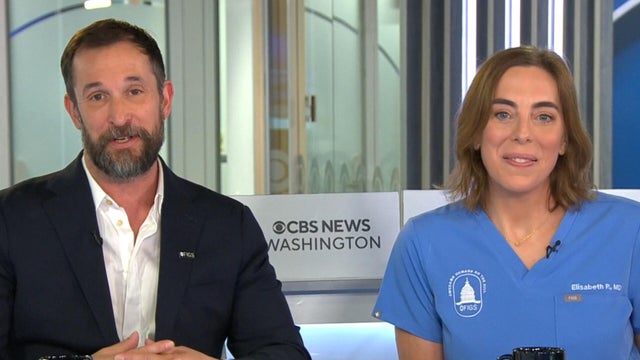
Noah Wyle, who stars in HBO's "The Pitt," joins "CBS Mornings" with Dr. Elisabeth Potter to discuss their push to improve mental health and quality of life for healthcare workers.

Congress' decision not to extend enhanced marketplace tax credits has boosted the appeal of alternative health coverage with lower monthly premiums.

An uptick in people skipping Obamacare premium payments in many states suggests the Affordable Care Act's rising costs are hitting home for 2026 enrollees.

Aflac CEO Dan Amos joined CBS News 24/7 Mornings with more on his historic tenure atop the insurance company and how the industry has changed over time.
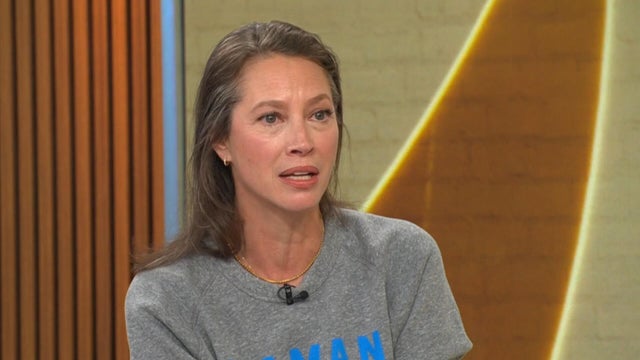
Christy Turlington Burns, the founder and president of the nonprofit "Every Mother Counts," speaks about her new documentary, which explores the state of maternal healthcare following the end of Roe v. Wade. She discusses the different risks for women and why this is personal for her.
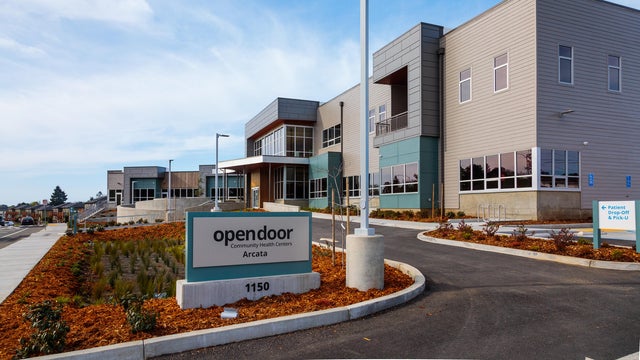
A $50 billion federal fund is supposed to modernize rural healthcare. But community clinics and advocates fear that the contractors administering the money for states will bite off a big chunk before it reaches patients.
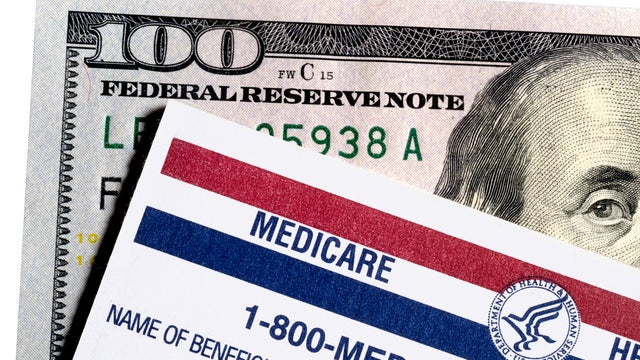
Millions of people rely on the supplemental insurance to offset the deductibles, copayments, and other costs faced by enrollees in the traditional Medicare program.
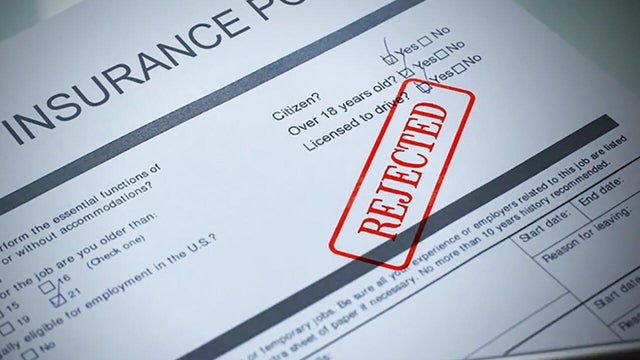
Seventy-three percent of Americans say delays and denials of medical treatment by healthcare insurers are a major problem. Now, a company called Sheer Health says they will fight insurance battles on behalf of their clients.
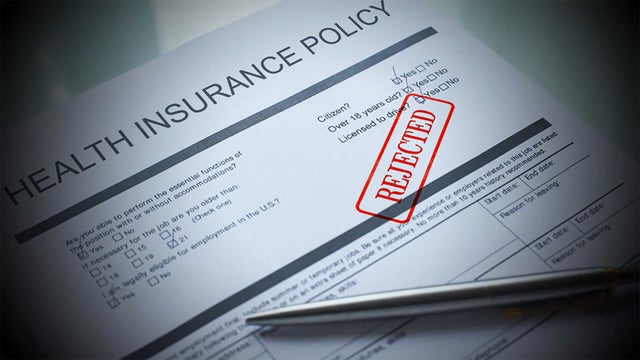
With health insurance companies frequently denying coverage for medically-requested procedures, 73 percent of Americans surveyed say healthcare delays and denials are a major problem. Now, a company called Sheer Health says they will fight insurance battles on behalf of their clients. Correspondent Susan Spencer looks at how a form of insurance against health care denials may benefit consumers.
A CBS News investigation found one Los Angeles County hospice physician's name, Dr. Rajiv Bhuva, on Medicare claims for nearly 2,800 patients across 126 hospices in a single year.
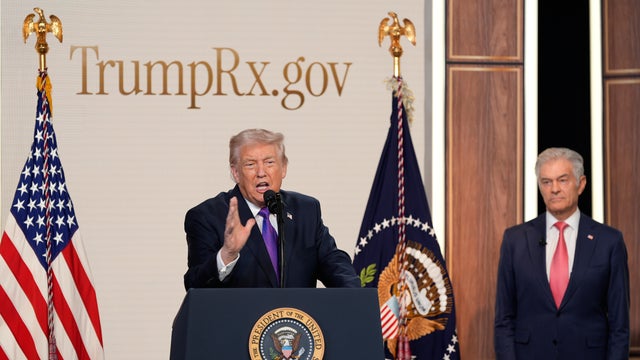
Two more drug-making giants, Abbvie and Genentech, will start selling popular medications on the White House's discounted pharmaceutical site as soon as Monday.
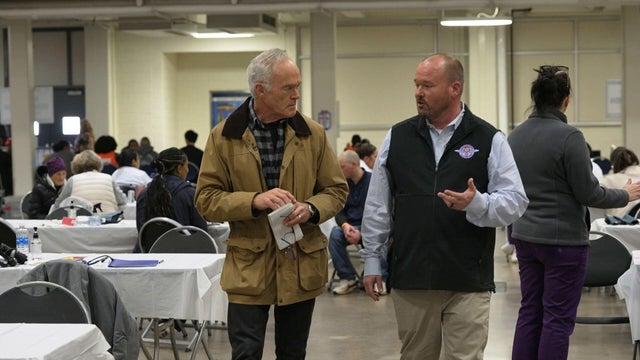
First, a report on patients, cut off from health care, getting help. Then, the state of high-speed rail in the U.S. And, a look at the Mardi Gras Indians keeping tradition alive.
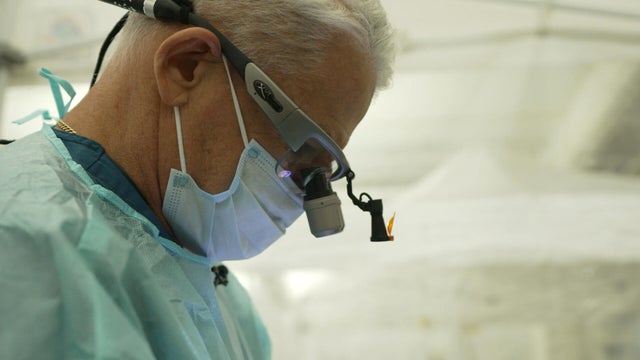
A patchwork of state licensing rules prevents medical volunteers from reaching more patients in need through RAM.
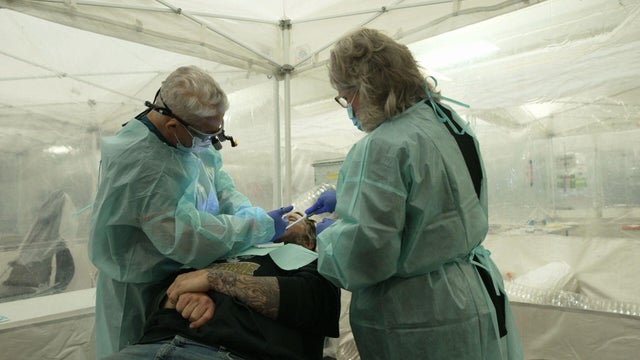
A nonprofit called RAM is bringing free health care to Americans who need it. Some patients wait days and sleep in their cars in order to get dental, vision, and medical treatment at RAM clinics.
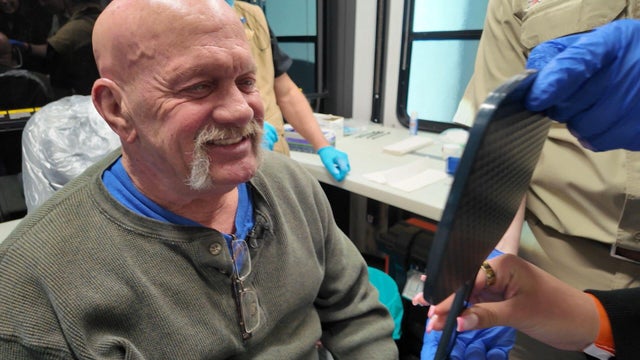
Americans are driving hundreds of miles and waiting on line for days to get free medical help from RAM.
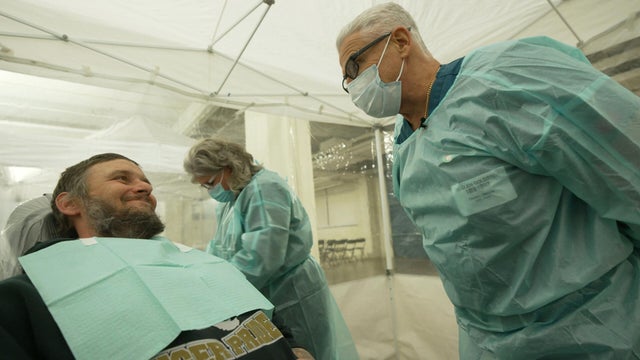
A patchwork of state licensing rules prevents medical volunteers from reaching more patients in need through RAM.
A nonprofit called RAM is bringing free health care to Americans who need it. Some patients wait days and sleep in their cars in order to get dental, vision, and medical treatment at RAM clinics.
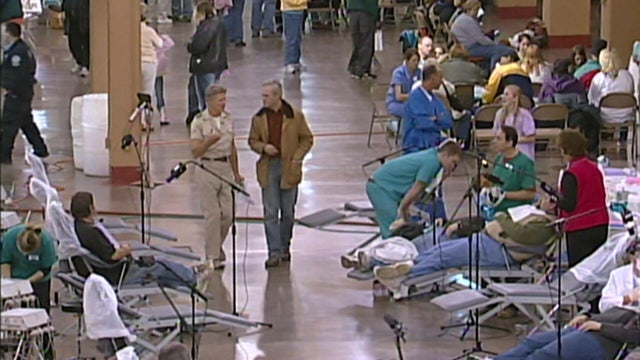
Remote Area Medical runs pop-up clinics across the country, offering free care to those who need it most. Originally created to parachute doctors and medicine to the Amazon, the nonprofit found itself throwing America a lifeline. In 2008, Scott Pelley traveled to Knoxville, Tennessee, to report on the organization and meet its founder, Stan Brock, who died in 2018.
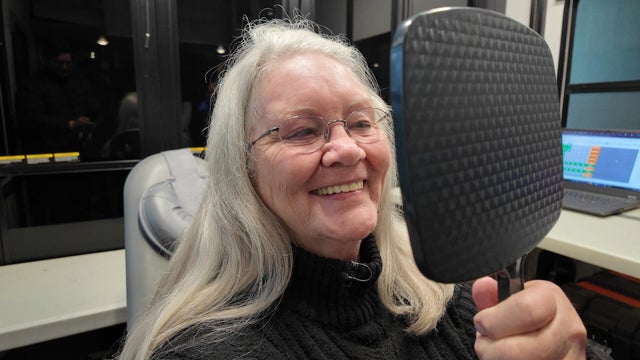
A nonprofit is bringing free health care to Americans who can't afford it. Some patients wait days and sleep in their cars for treatment. Scott Pelley reports, Sunday.
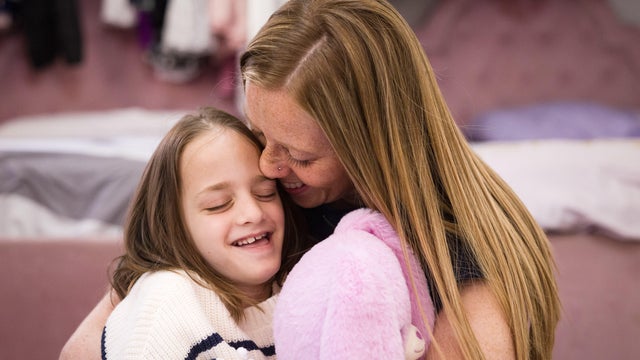
North Carolina and other states have insurance plans for kids in foster care, but many doctors did not accept patients on the plans, leaving kids' guardians scrambling to find health care providers.