Fed discussed how bad it would get
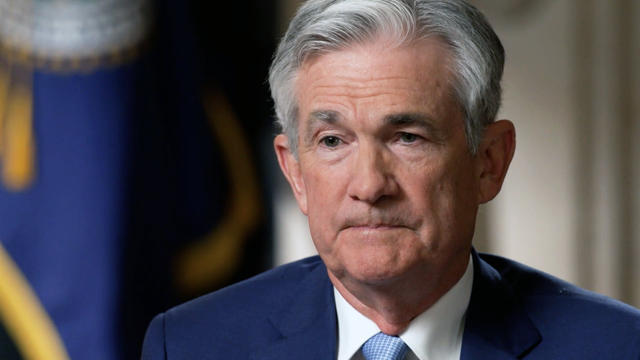
With COVID-19 wreaking havoc on the U.S. economy a year ago, Jerome Powell and his advisors at the Fed considered the possibility of a Great Depression scenario.
Watch CBS News
With COVID-19 wreaking havoc on the U.S. economy a year ago, Jerome Powell and his advisors at the Fed considered the possibility of a Great Depression scenario.
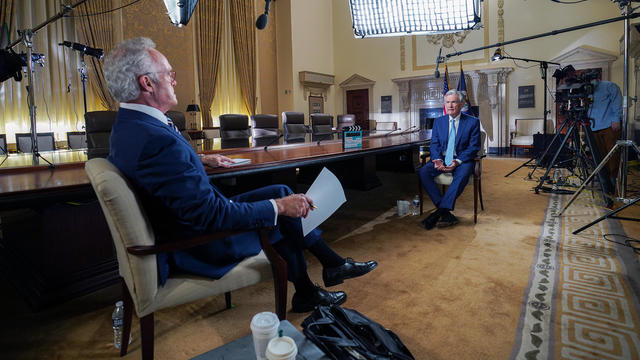
The complete text of Scott Pelley's interview with the Federal Reserve chairman.
In a conversation with Scott Pelley about the economic outlook, Powell also commented on the fallout from the Archegos Capital collapse, last year's bailout of money market funds, and the potential development of a U.S. digital dollar.
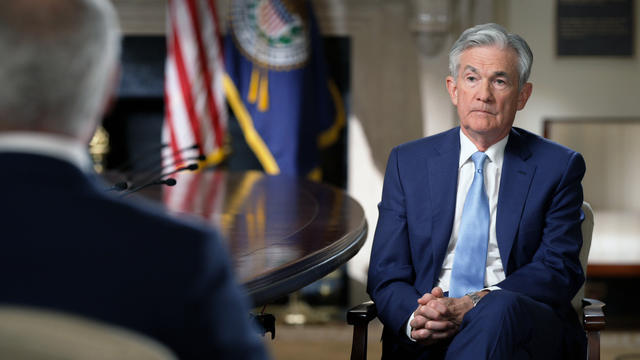
Federal Reserve Chairman Jerome Powell gives his thoughts on how the economy is rebounding from the COVID-19 pandemic. Scott Pelley reports.
Powell spoke with Scott Pelley Wednesday for a report airing tonight on 60 Minutes.
Powell spoke with Scott Pelley Wednesday for a report airing tonight on 60 Minutes.
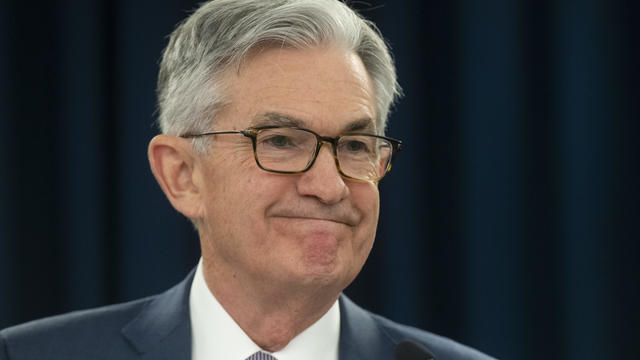
Powell called global vaccination efforts "not only the right thing to do, it's also the smart thing to do."
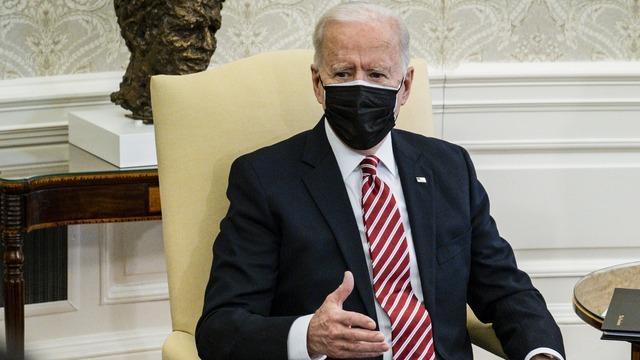
President Biden is facing opposition from Republicans to his $1.9 trillion COVID-19 relief bill. One big question: How would the nation pay for it? Professor Jeffrey Sachs, director of Columbia University's Center for Sustainable Development, joins CBSN's Lana Zak to discuss what it would mean for the economy in the long run.
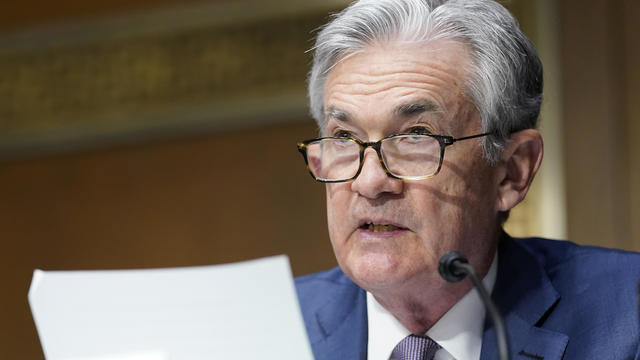
Policymakers say how quickly the economy rebounds hinges on the course of the pandemic and pace of vaccinations.
Lawmakers are expected to approve a $900 billion coronavirus relief bill by the end of the day. It will include $600 stimulus checks for many Americans and enhanced unemployment benefits. Heather Long of the Washington Post joined CBSN to explain why many experts don't think that'll be enough to stave off an economic slide in the long run.
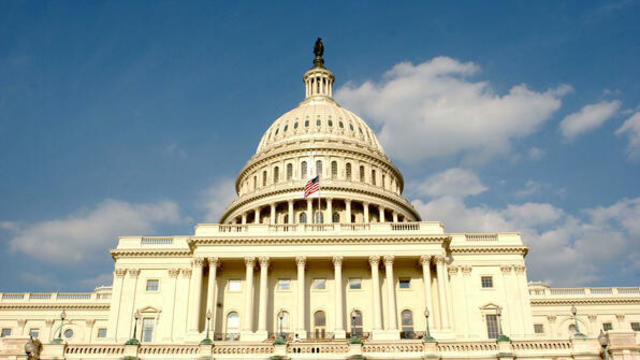
Congress has until the end of the weekend to agree on a deal to fund the government. On Friday, lawmakers on Capitol Hill passed a two-day extension for funding, preventing a government shutdown. The added time buys Congress additional time to negotiate terms on a coronavirus relief package. Washington Post political reporter and anchor of the Power Up newsletter, Jacqueline Alemany, joins CBSN with the latest.
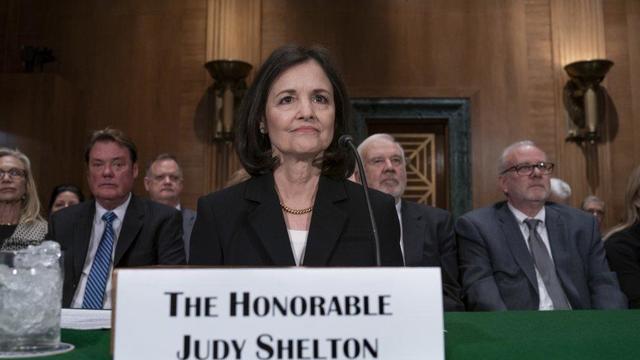
Shelton's nomination was stalled on a procedural vote, with Vice President-elect Kamala Harris casting a key vote.
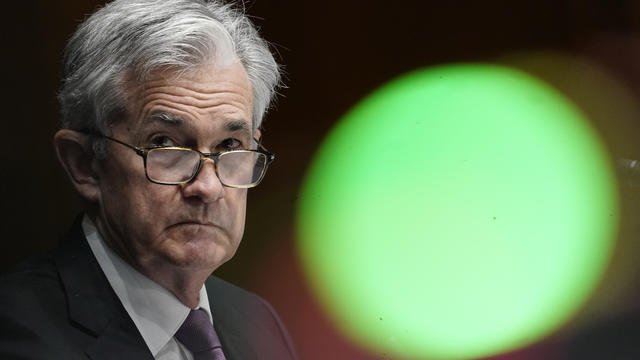
Another round of relief is needed to help contain the coronavirus and boost people's savings.
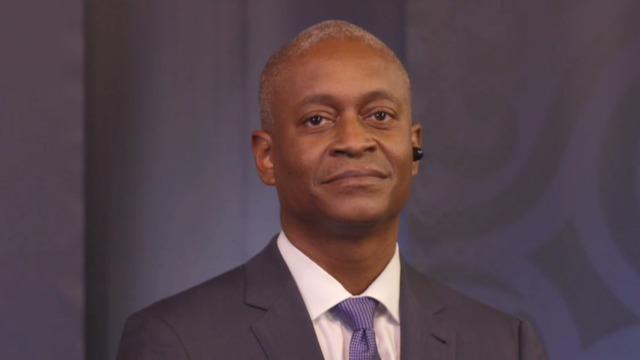
Raphael Bostic, the president and CEO of Federal Reserve Bank of Atlanta, says "we have to change the trajectory for the generations to come."
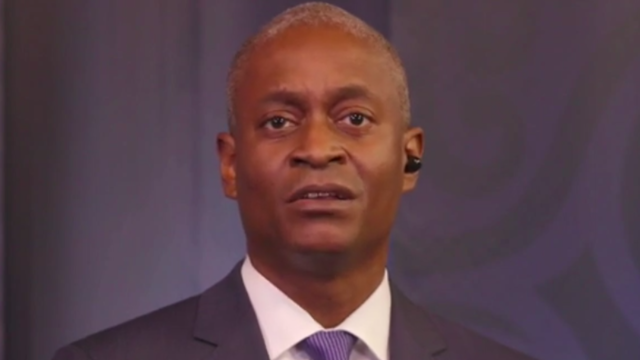
The following is a transcript of an interview with Atlanta Fed's Raphael Bostic that aired Sunday, October 11, 2020, on "Face the Nation."
Interest rates are expected to stay low for years as the U.S. economy struggles to recover from coronavirus hit.
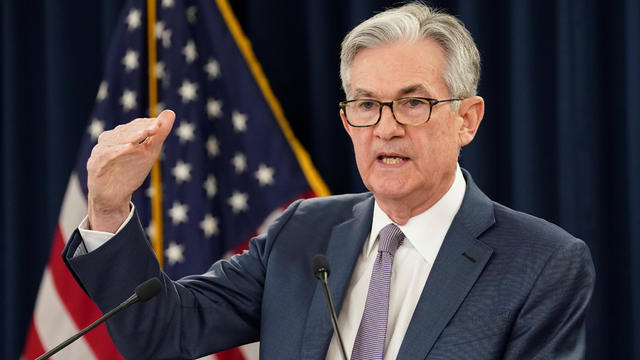
Fed chair Jerome Powell announced a radical new policy on how the central bank sets interest rates.
Shares of Sirius XM are up Monday on news that Liberty Media wants to take full ownership of the satellite radio service. The deal would value the company at nearly $23 billion. Liberty Media already owns 53 percent of Sirius XM's stock., plus more MoneyWatch headlines.
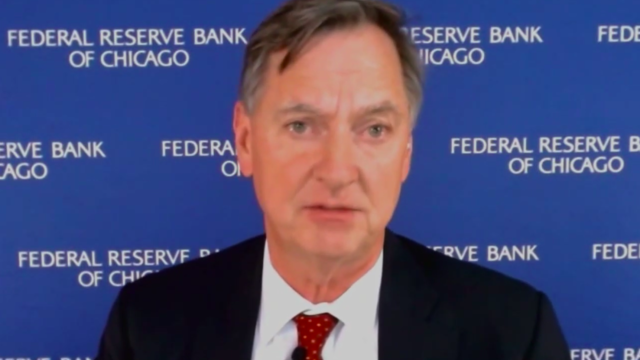
The following is a transcript of an interview with Charles Evans, the president and CEO of the Federal Reserve Bank of Chicago, that aired Sunday, August 9, 2020, on "Face the Nation."
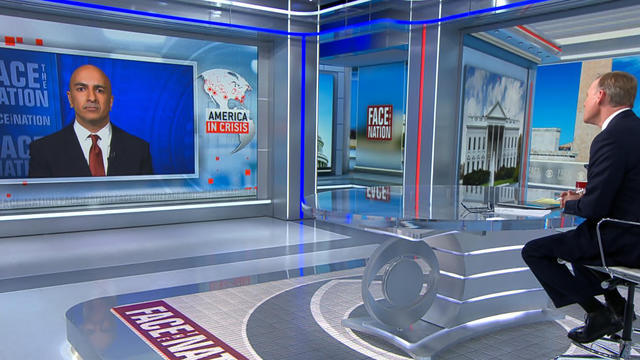
Missed the second half of the show? The latest on the coronavirus pandemic, the state of the economy and the 2020 presidential election
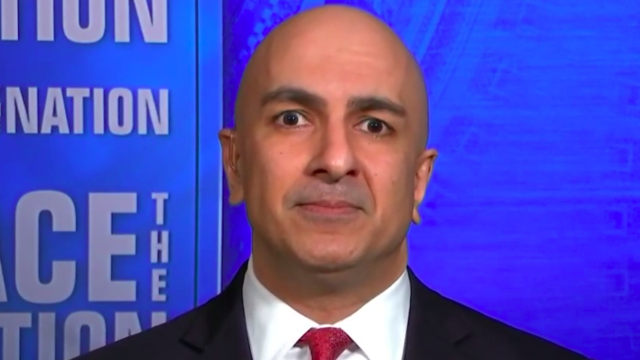
The following is a transcript of an interview with Neel Kashkari, the president and CEO of the Federal Reserve Bank of Minneapolis, that aired Sunday, August 2, 2020, on "Face the Nation."

Economist Claudia Sahm cites systemic sexism and racism as problems that compromise the quality of our economic policy.
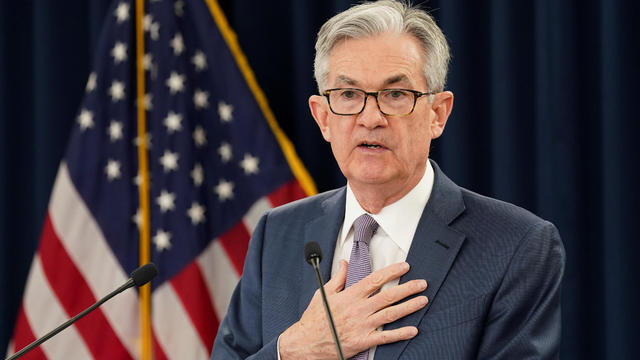
The coronavirus "will weigh heavily on economic activity, employment and inflation," central bank says.
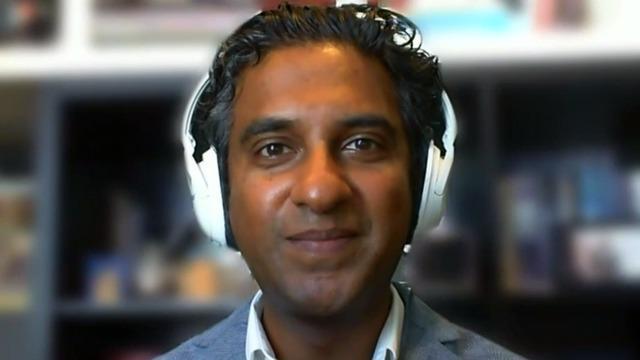
Students have often been encouraged to take gap years between high school and college, but many graduates are reconsidering their options this year. Economists at the Federal Reserve Bank of New York say students who delay college due to the pandemic could lose more than $90,000 in lifetime earnings. Arun Ponnusamy, chief academic officer at Collegewise, joins CBSN to discuss what students should take into account when making this decision.
There is a shortage of coins in circulation as many businesses are no longer accepting cash as payment. But some experts warn that the emerging trend can be harmful for smaller businesses and low-income consumers who rely on coin transactions. Michael George reports.