
South Korean officials say Kim Jong Un regains weight, fueling health woes
North Korean dictator Kim Jong Un has regained weight and his 5-foot 7-inch, 308-pound stature is exacerbating health problems, South Korean officials say.
Watch CBS News
North Korean dictator Kim Jong Un has regained weight and his 5-foot 7-inch, 308-pound stature is exacerbating health problems, South Korean officials say.

There's new data about the risk of long COVID for pregnant women, and artificial intelligence could be a game changer when it comes to heart exams. CBS News correspondent Michael George looks at some of the day's top health stories.

House lawmakers have voted to hold Attorney General Merrick Garland in contempt of Congress. Wednesday's vote came after two Republican-led committees voted in May to recommend Garland be held in contempt for defying a congressional subpoena. CBS News congressional correspondent Nikole Killion reports.
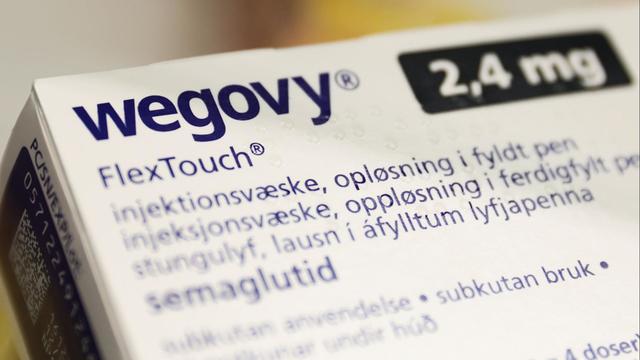
As weight loss drugs like Ozempic and Wegovy become more popular, obesity medicine specialists are concerned that not enough physicians have received specialized training to help patients navigate the medicine. Dr. Celine Gounder, CBS News medical contributor and editor-at-large for public health at KFF, has more on the situation.
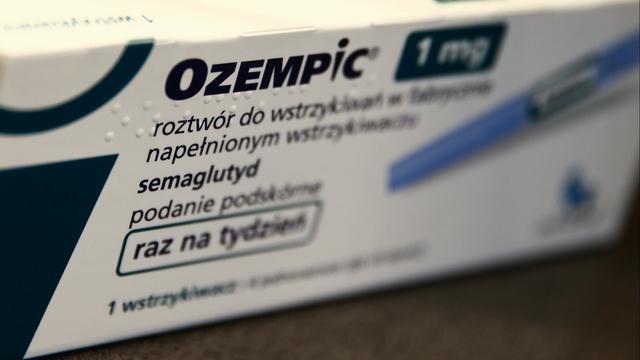
Rising prices, insurance hurdles and a supply shortage can make access difficult for people who rely on drugs like Ozempic for diabetes and obesity, especially low-income patients. Renu Rayasam, senior correspondent with KFF Health News, joined CBS News to discuss the situation.
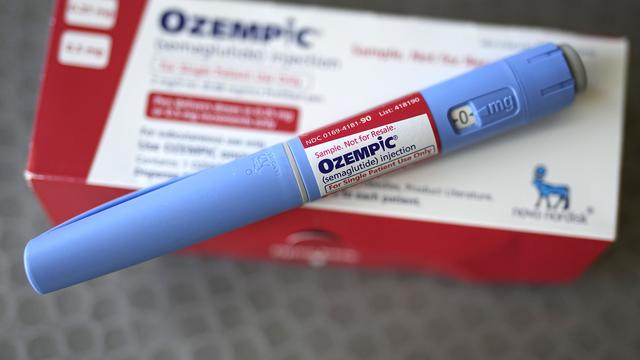
A joint investigation by Digital Citizens Alliance and Coalition for a Safer Web found dozens of TikTok profiles offering to ship weight loss drugs for lower prices and without a prescription. In nearly every situation, it was a scam.
Maker of insulin pump urges customers to update an app because of glitch that causes the devices to unexpectedly shut down.
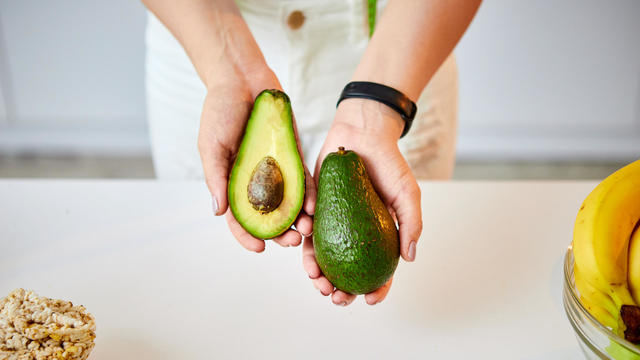
A new study looked at whether or not eating more avocados could help people stave off Type 2 diabetes.

CBS News HealthWatch compiled a series of guides for preventative care and screenings to stay on top of your health at different ages throughout your life. Dr. Celine Gounder, a CBS News medical contributor and editor-at-large for public health at the Kaiser Family Foundation, breaks down the advice.

A new study found that consuming more than two liters of diet soda per week can increase the risk of an irregular heartbeat. Dr. David Majure, cardiologist at NewYork-Presbyterian Weill Cornell Medical Center, joins CBS News to unpack the findings.

Insulin prices recently decreased for some of the estimated 8.4 million Americans who rely on the medication to survive, but not all patients qualify.

The maximum monthly price for insulin was recently capped at $35 for millions. But many don't qualify and struggle to afford the life-saving medication. Roxana Saberi has more.
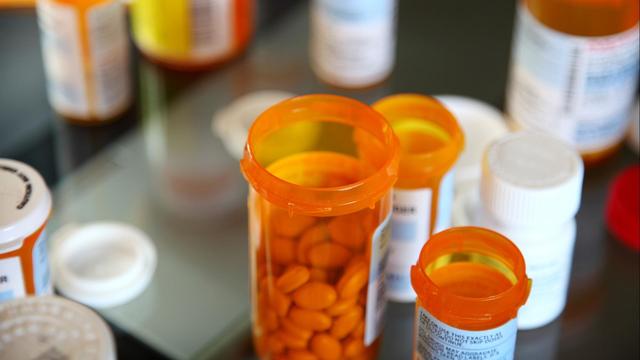
For the first time, the FDA is allowing a Florida health program to import some prescription drugs in bulk from Canada. Stacie Dusetzina, professor of health policy at Vanderbilt University, joins CBS News to explain why the state is facing pushback on the plan.
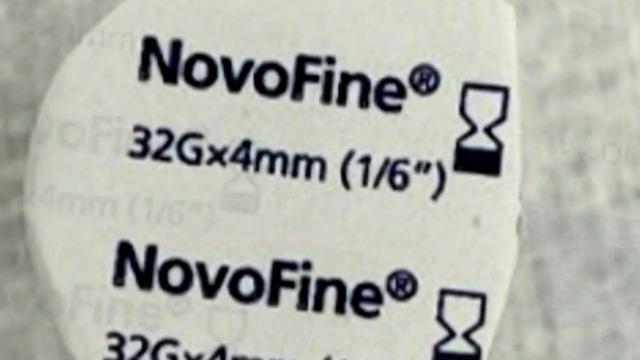
The Food and Drug Administration reports that it has seized thousands of units of counterfeit Ozempic, the popular diabetes medication that is also used for weight loss.

Getting just a little less sleep a night could increase the risk of diabetes in women.

The White House on Tuesday released a list of 10 medications that will be subject to price negotiations under Medicare. Ed O'Keefe reports on how this could affect prices and what other drugs could be added going forward.

For years, 10,000 daily steps has been the gold standard for many walkers. Now, a new study suggests the ideal daily step count may actually be much lower. CBS News correspondent Ian Lee explains.
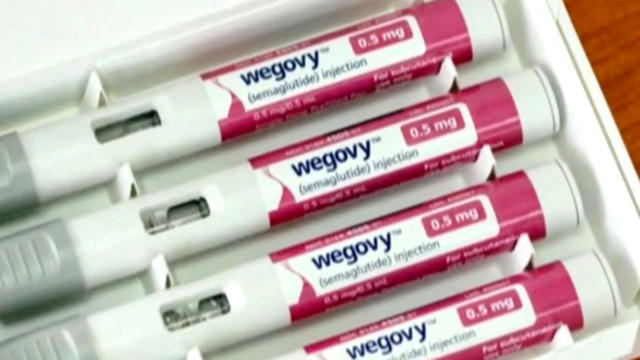
The maker of diabetes and weight loss medication Wegovy said a trial found that the drug can also cut the risk of cardiovascular disease by 20%.
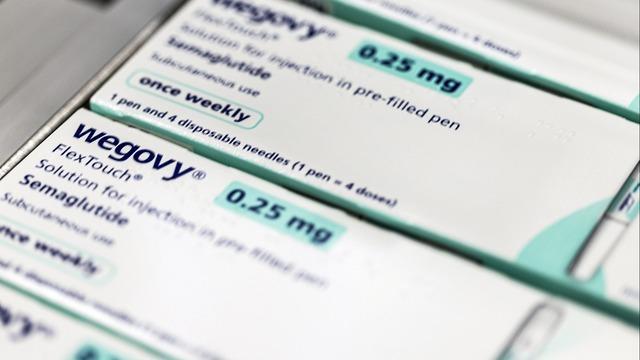
A new study shows the popular weight loss drug Wegovy can also reduce the risk of a heart attack or stroke by 20%. That's according to a not yet peer-reviewed clinical trial performed by drugmaker Novo Nordisk that studied more than 17,000 non-diabetic adults with heart disease who were obese or overweight. Cardiologist Dr. Ernst von Schwarz joins CBS News to discuss the significance of the findings.
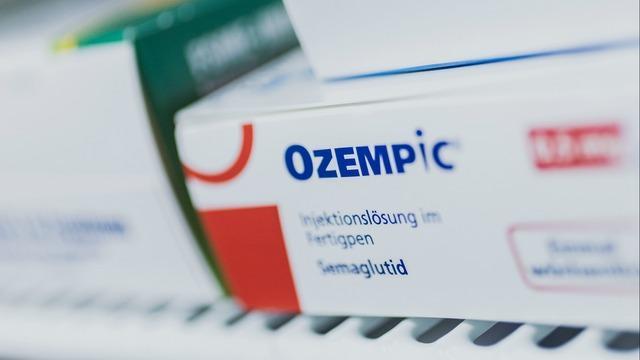
Drugs like Ozempic, Wegovy and Mounjaro have seen their popularity skyrocket thanks to their weight loss benefits, but doctors are warning of the possibility of serious side effects that potential users aren't always aware of. The high cost of the drugs is also a concern. CBS News medical contributor Dr. Celine Gounder, editor-at-large for public health at KFF Health News, has more.
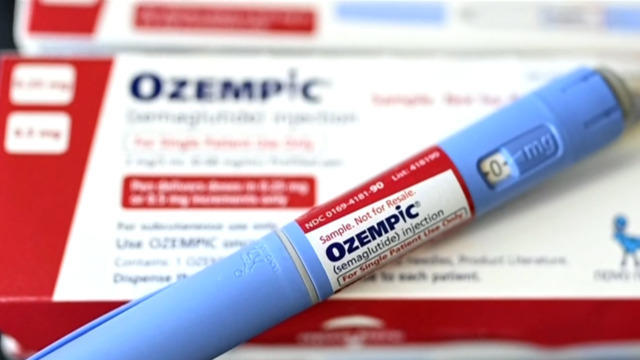
The makers of Ozempic and Mounjaro, drugs used for both weight loss and diabetes management, are facing a lawsuit claiming the medications can cause "stomach paralysis." Janet Shamlian reports.

Do you have a family history of any physical or mental health conditions? Experts explain how genetics play a role in your potential risk levels.
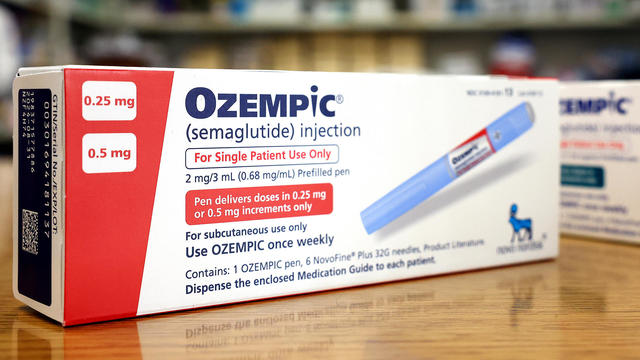
The European Medicines Agency is broadening its investigation into a class of popular weight loss and diabetes drugs after patients in Iceland reported thoughts of self-harm and suicide after taking Ozempic and Saxenda. Dr. Celine Gounder. editor-at-large for public health at KFF Health News and a CBS News medical contributor, has more.
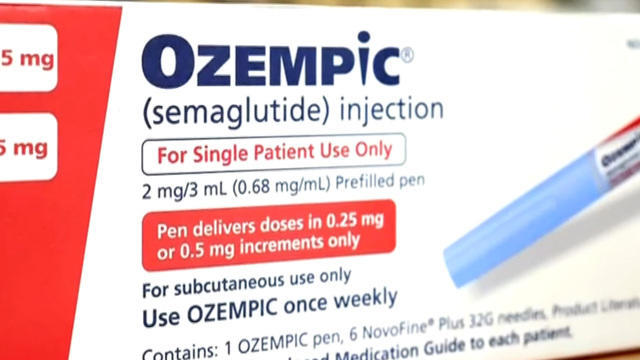
Ozempic and Wegovy, the injectable diabetes medications that are also being used for weight loss, may soon be available in pill form. Drugmaker Novo Nordisk said it will seek approval for the pills later this year.
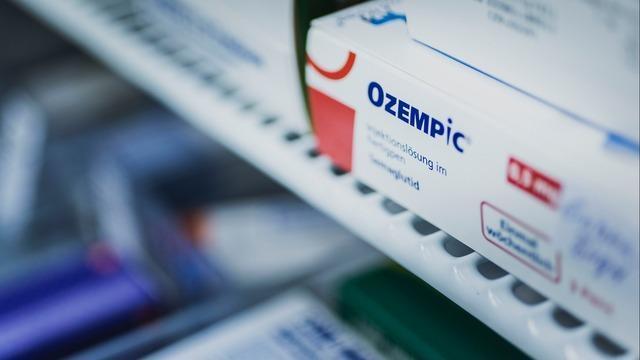
The FDA issued a new warning about some of the popular diabetes drugs being used for weight loss after the agency "received adverse event reports after patients used compounded semaglutide." That's the generic name for medications like Ozempic and Wegovy. New York endocrinologist Dr. Florence Comite joins CBS News to discuss the risks of taking off-brand versions.