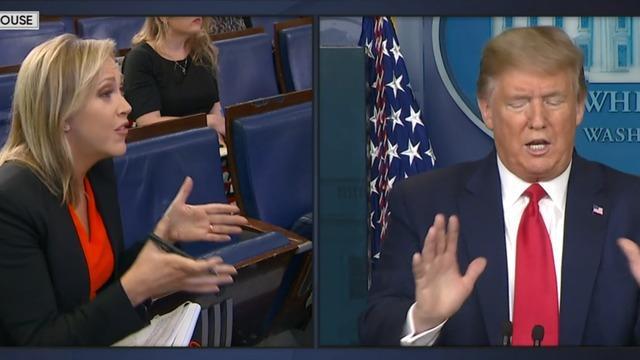
Trump questioned on coronavirus response
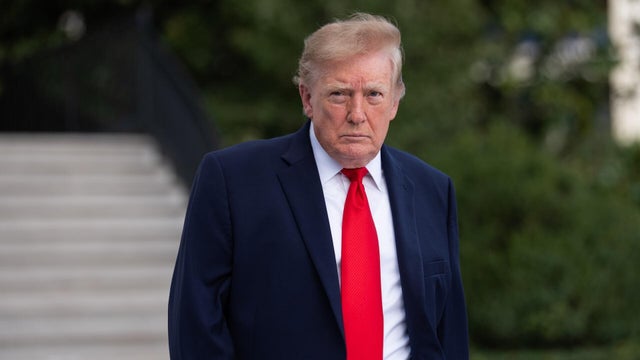
President Trump did not have a response to CBS News' Paula Reid when she pushed him on what he did to prevent coronavirus in February and instead went after Reid. Watch their exchange.
Watch CBS News
President Trump did not have a response to CBS News' Paula Reid when she pushed him on what he did to prevent coronavirus in February and instead went after Reid. Watch their exchange.

Stay-at-home orders have been put in place in more than 40 states to slow the spread of coronavirus. But this can be dangerous for domestic violence victims. CBS News politics reporter Grace Segers has been reporting on this. She joined CBSN to discuss her findings.
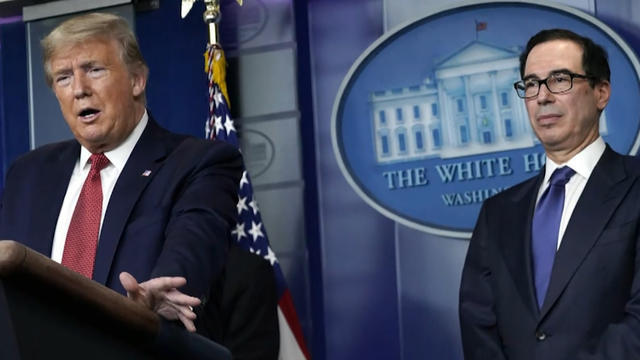
Talks over additional funding for small businesses once again stalled in the Senate on Monday. Republicans are asking for $250 billion for the Paycheck Protection Program, but Democrats want even more funds to give to hospitals and state governments. Molly Hooper joined CBSN to discuss where the Senate goes from here.
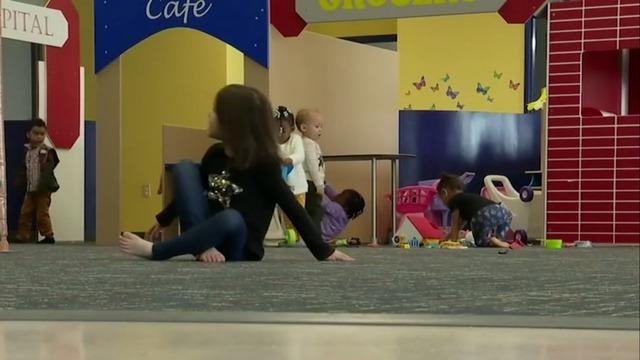
Children make up just a small portion of COVID-19 cases in the U.S. and while they are less likely to become severely ill compared to adults, at least three children have died from the virus. Dr. Dyan Hes, a New York pediatrician, joined CBSN to discuss the impact the pandemic is having on kids.
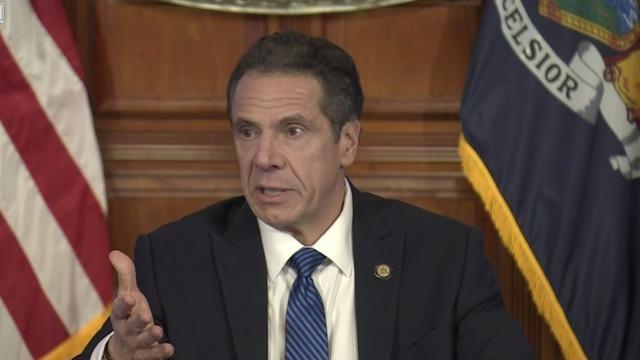
New York Governor Andrew Cuomo says he seeks "total partnership and cooperation" with President Trump in the fight against the coronavirus pandemic. Watch his remarks.
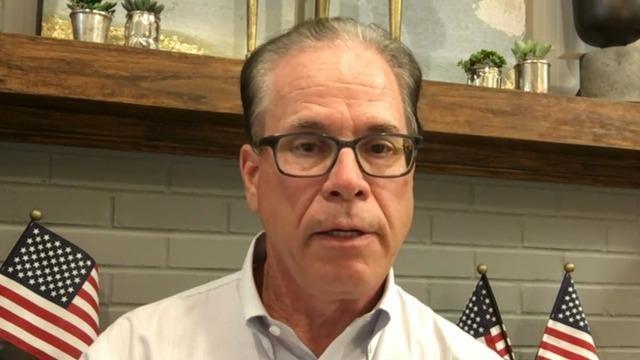
Congress is sparring over what the next stage of economic relief during the coronavirus pandemic should look like. Republican Senator Mike Braun of Indiana joins CBSN to discuss the next steps.
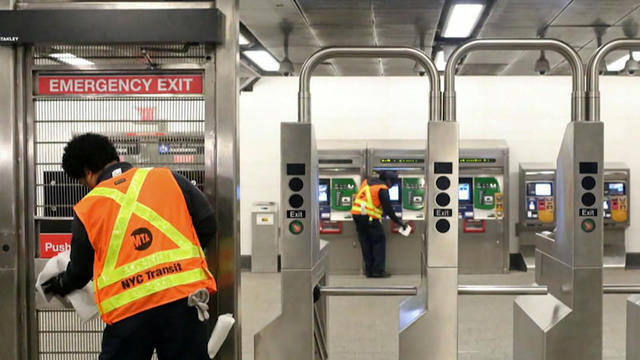
The global pandemic is taking a heavy toll on New York City transit workers. A report by the independent nonprofit news outlet The City finds MTA employees are dying from COVID-19 at an alarming rate. In particular, bus drivers have taken the biggest hit out of the agency's 74,000 person workforce. Jose Martinez, senior reporter covering transit for The City, joined CBSN with more.
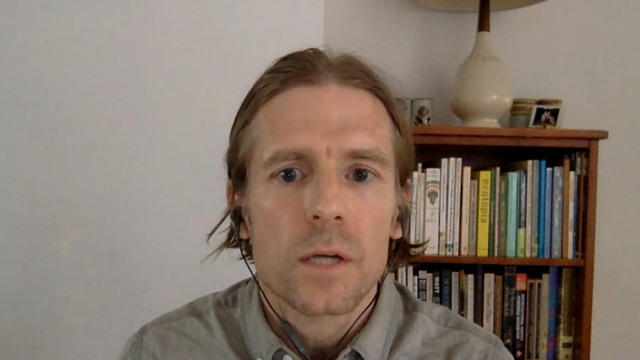
New York Times columnist Nicholas Kristof got rare access on the frontlines of the coronavirus at two Bronx hospitals. The publication sent photojournalist Michael Kirby Smith to document Kristof's visit. He joins CBSN's Reena Ninan with a closer look.
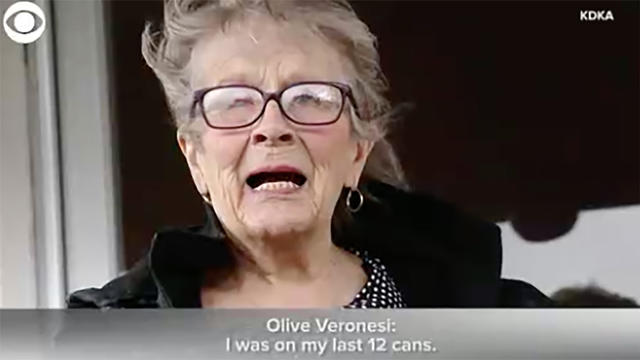
Pittsburgh-area resident Olive Veronesi, 93, went viral for holding a sign asking for more beer as she stayed home during the coronavirus pandemic. It didn't take long for a beer company to take notice. CBS Pittsburgh reports.
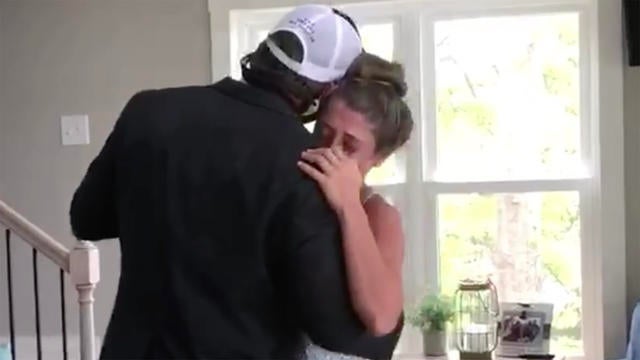
Marli Odgers, a senior in high school, won't get to have her prom this year. So her dad tried to make up for it by laying out her dress and a note asking for one dance. "I thought he was just joking at first and then he really put on his suit and I knew he was serious," she told CBS News.

Firefighters from Sheboygan, Wisconsin used a fleet of firetrucks to make a heart shape in honor of the medical workers on the front lines of the coronavirus battle. They shared the sweet image with a hashtag #heartsforhealthcare.
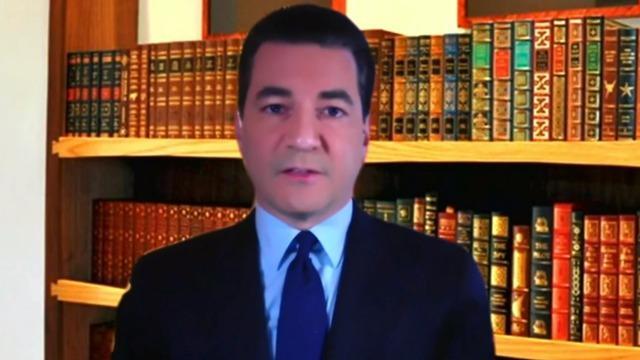
Millions of Americans have lost their jobs or been furloughed due to the coronavirus pandemic, but reopening the economy too soon could make things even worse. Former FDA Commissioner Dr. Scott Gottlieb joins "CBS Evening News" with more on what it will take to get America back to work.
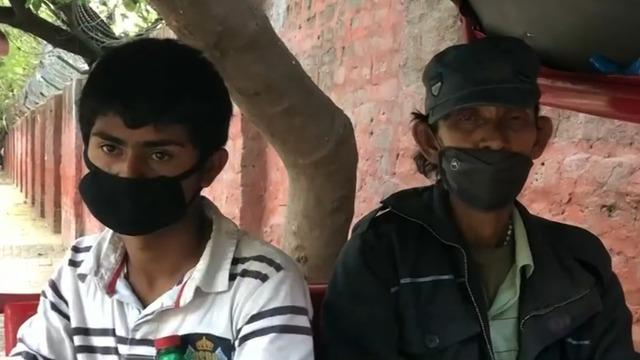
India's prime minister has extended his country's nationwide lockdown. It started on March 25 and restricted movement for the 1.3 billion people who live there. CBS News' Arshad Zargar reports from New Delhi.
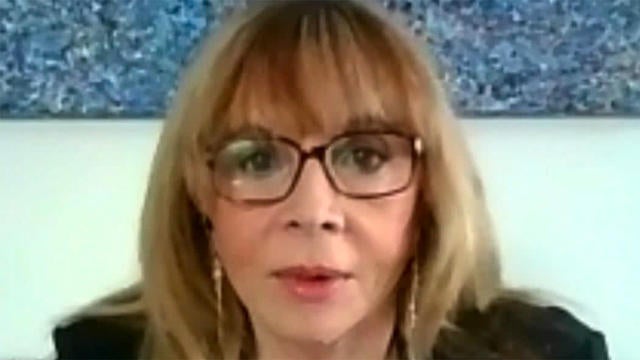
April is National Stress Awareness Month, a timely coincidence during the coronavirus crisis. CBSN's Reena Ninan spoke to therapist and author Laurie Nadel about how to manage stress amid a global pandemic.
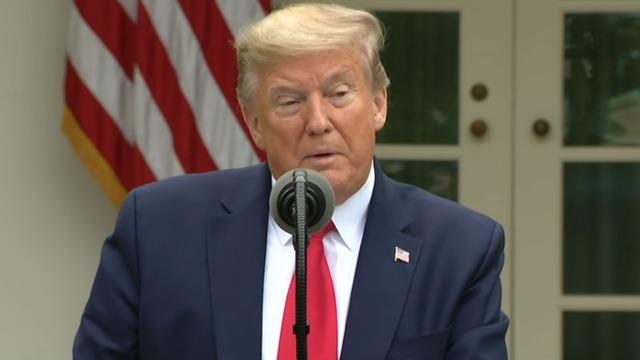
President Trump said Tuesday that he is instructing his administration to halt funding to the World Health Organization (WHO) during an investigation. He alleged the WHO was "severely mismanaging and covering up the spread of the coronavirus." Watch is remarks here from the White House Rose Garden.
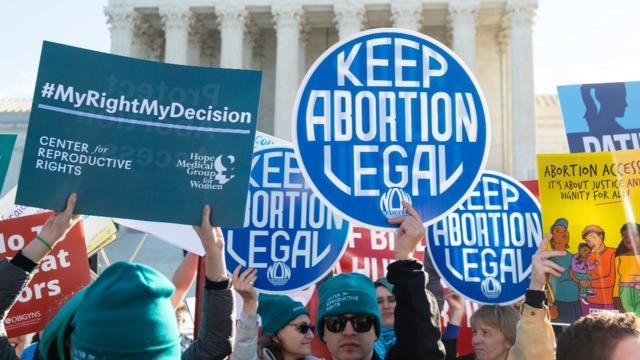
The U.S. Supreme Court could soon tackle an abortion crackdown in Texas. The state deemed the procedure a non-essential medical service amid the coronavirus crisis. CBS News reporter Kate Smith joins CBSN to break down the latest developments.
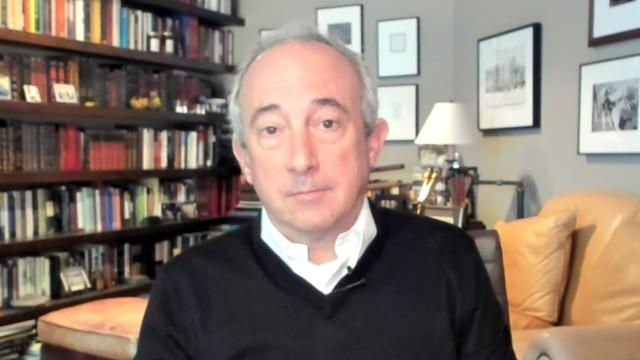
A key component to getting America back up and running is widespread antibody testing. The blood tests may be able to determine if someone who had COVID-19 is now immune, but there are concerns about the test's accuracy and how long immunity might lasts. CBS News medical contributor Dr. David Agus joined CBSN to discuss.
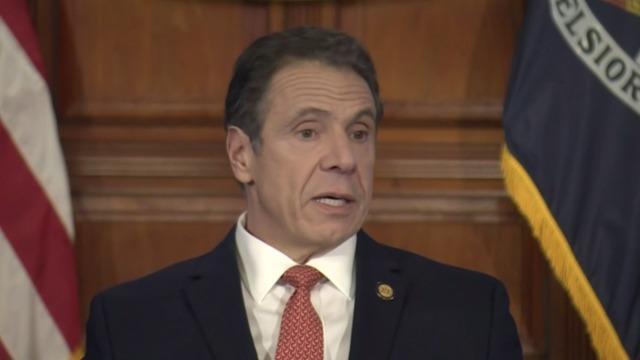
At his daily news briefing, New York Governor Andrew Cuomo said the state is not out of the woods in its fight against the coronavirus, "but the good news is, we've showed that we can change the curve." Watch his remarks.
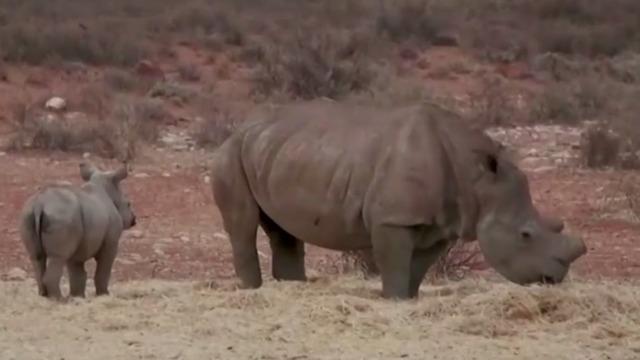
Rhino poaching is surging across Africa as a lack of funding causes security shortages in conservation areas. CBS News foreign correspondent Debora Patta reports.
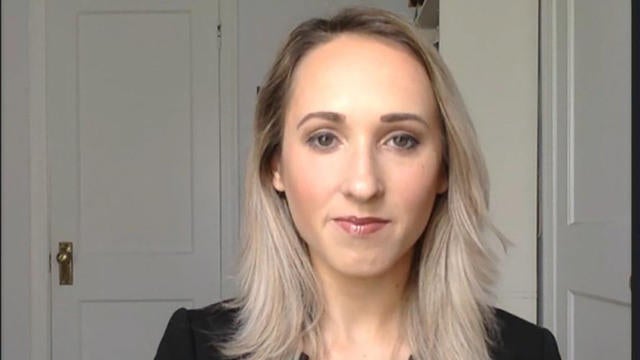
Generation Z, roughly 90 million Americans born after 1997, might feel the impacts of the coronavirus pandemic more than others. Axios reporter Stef Kight spoke with several experts for her latest piece and joins CBSN's Reena Ninan for a closer look.
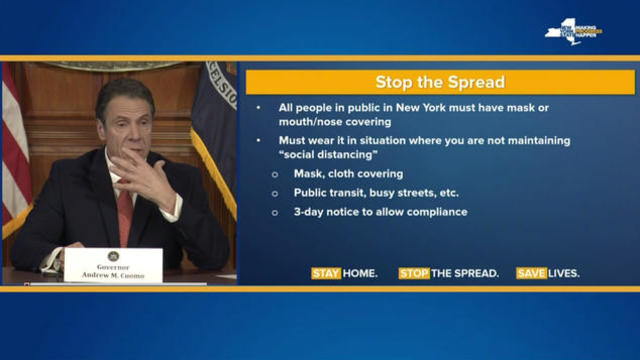
New York Governor Andrew Cuomo issued an executive order requiring people to wear cloth face coverings in public places where social distancing can't be maintained. It goes into effect Friday. Watch his remarks.
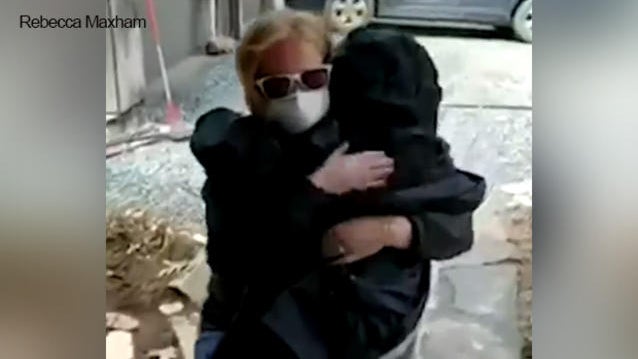
Rebecca Maxham, a nurse in Vermont, reunited with her 4-year-old son Olin after not seeing him for two weeks. Since she and her husband are both essential workers, they sent Olin to stay at his grandmother's. Olin was dressed in protective gear and ski goggles for the occasion.

The bells at Notre Dame cathedral rang out over the city of Paris exactly one year after a devastating fire tore through the landmark church. Effort to restore the cathedral have now been stalled due to the spread of COVID-19. Kristin Romney, an archaeology writer and editor at National Geographic, joined CBSN to discuss.
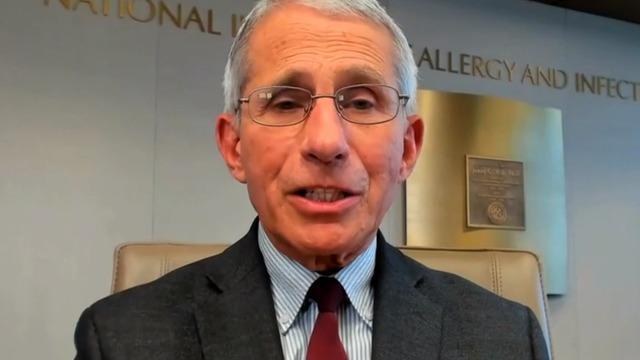
Dr. Anthony Fauci, director of the National Institute of Allergy and Infectious Diseases and member of the White House Coronavirus Task Force, joins "CBS Evening News" with his expertise on reopening the economy and possible coronavirus vaccines.
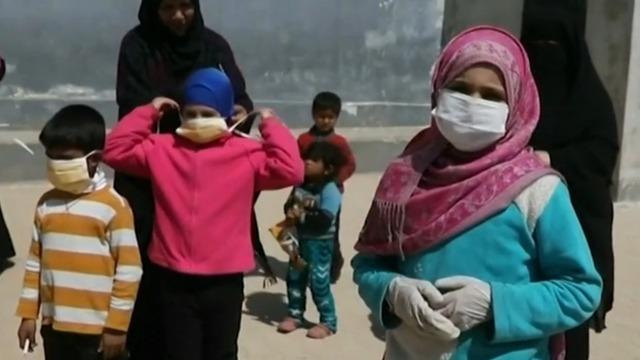
In northern Syria, a coronavirus outbreak in the last rebel-held province of Idlib could potentially kill 100,000 people, according to officials. The squalid, cramped conditions in the area make self-isolation impossible, and a doctor warned that once COVID-19 is there it will spread quickly. CBS News producer Pinar Sevinclidir reports.