Global coronavirus cases top 20 million after doubling in 45 days
The U.S. accounts for more than a quarter of the total and U.S., India and Brazil combine for more than half.
Watch CBS News
The U.S. accounts for more than a quarter of the total and U.S., India and Brazil combine for more than half.

Some teachers believe virtual classes can be beneficial and fuel innovation. Axios business reporter Erica Pandey reported on this topic and she joined CBSN to discuss.

"We just worked very hard in the offseason to prepare ourselves for this fall season," Florida State offensive lineman Andrew Boselli said.
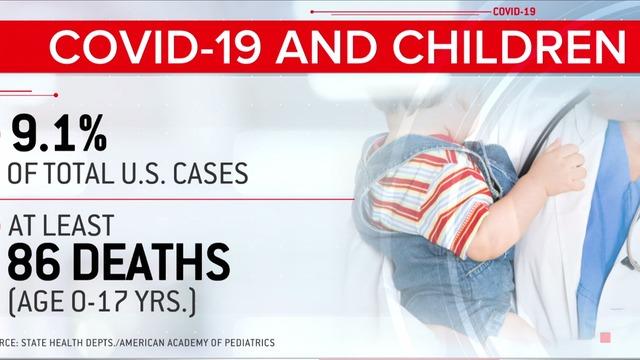
Reported cases of coronavirus in children spiked 90% since early July. Dr. Tara Narula joins "CBS This Morning" to discuss what implications the data could have for school reopenings.
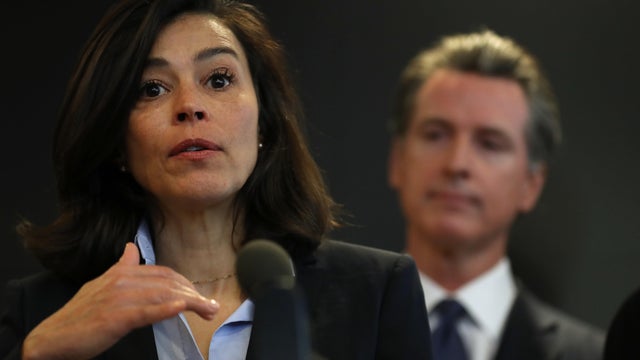
The glitch caused up to 300,000 records to be backlogged, according to the California Health and Human Services Secretary.
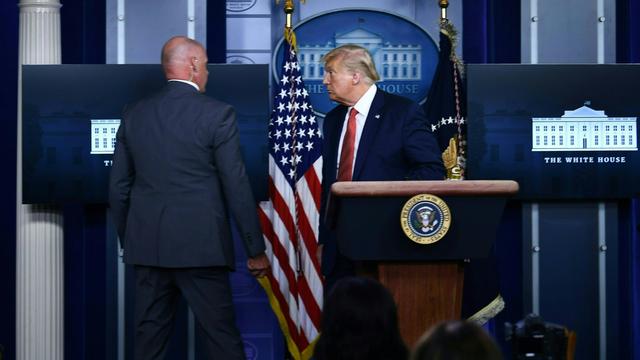
The Secret Service confirmed a male suspect had been shot and taken to a local hospital.
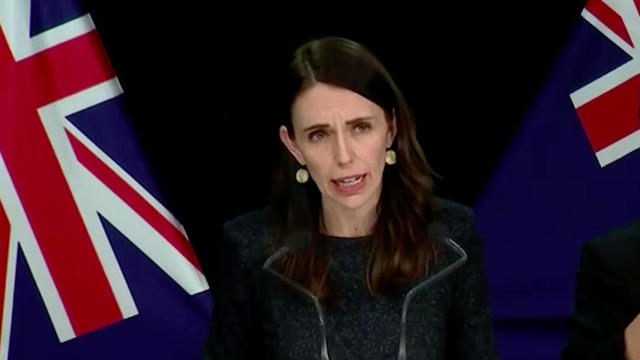
New Zealand's prime minister said authorities found four cases of the coronavirus in one Auckland household.

The annual rally started on Friday, drawing thousands of maskless riders to the streets and bars of Sturgis.

President Trump took matters into his own hands and signed 4 executive actions he said would help boost the economy. But the measures could face legal hurdles because they were not approved by Congress. Washington Post economics correspondent Heather Long joins CBSN's Tanya Rivero with a closer look at what the orders entail.
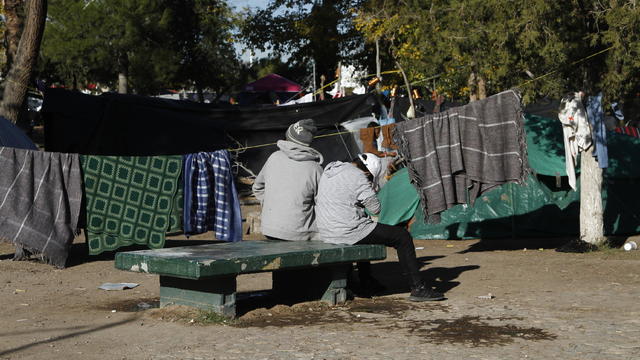
The civil servants in charge of adjudicating asylum requests said a proposed rule could place migrants eligible for protection in harm's way.
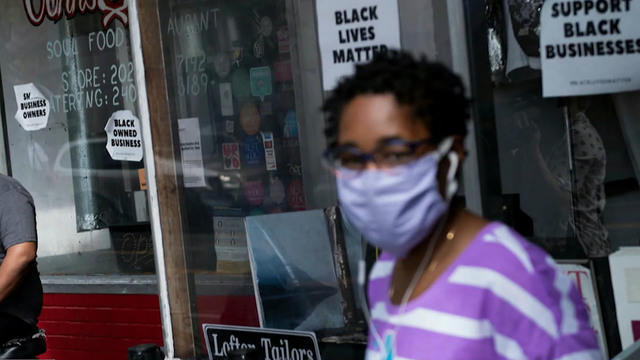
There is a lack of trust between minority communities and the health care system, Dr. Uché Blackstock said.
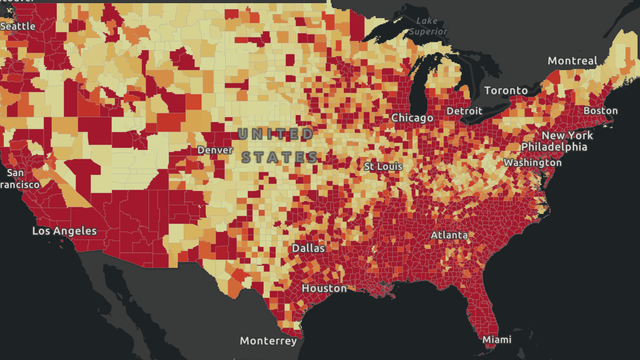
The U.S. has had more than 5 million coronavirus cases – that's bigger than the population of Ireland, New Zealand, Panama and others.

Government clearance of the emergency treatment, which will be called Veklury, would open the door to wider usage.
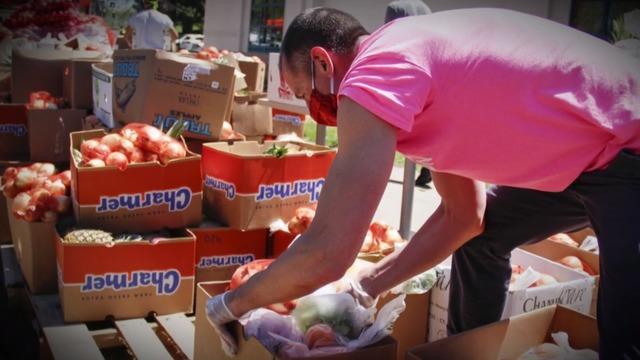
Feeding America CEO Claire Babineaux-Fontenot joins "CBS This Morning" to discuss how an estimated 54.3 million people may face hunger this year due to the coronavirus pandemic, including 18 million children.

Some party-goers directed their anger toward the host of the party, who charged admission.
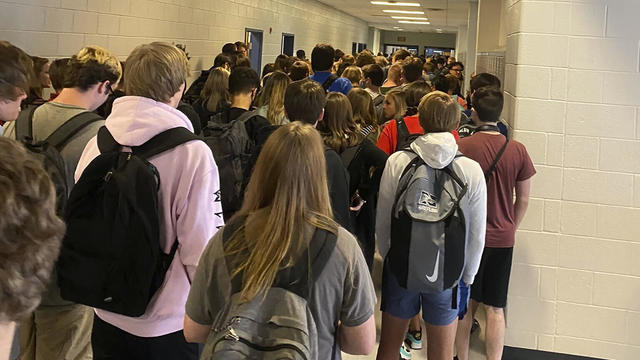
Hannah Watters, a sophomore at North Paulding High School in Georgia, said the school "used us as guinea pigs."
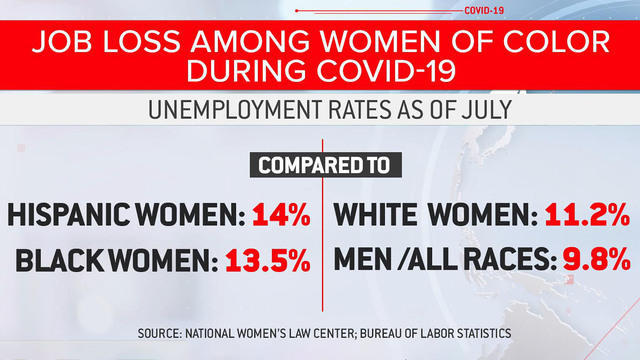
A recent survey shows about a third of women said they may delay pregnancy or have fewer children due to the coronavirus pandemic. CBS News reporter Kate Smith joins CBSN to discuss the medical and financial concerns underlying this trend.

President Trump signed executive actions focused on the economic fallout of the coronavirus pandemic -- but will they be effective? CBS News White House correspondent Ben Tracy joins CBSN to talk about what they include and why they are controversial.
The United States hit yet another grim milestone in the coronavirus pandemic, with more than 5 million cases confirmed. Dr. Uché Blackstock joins CBSN to discuss the latest developments, including the push to get at-risk communities onboard with a vaccine.
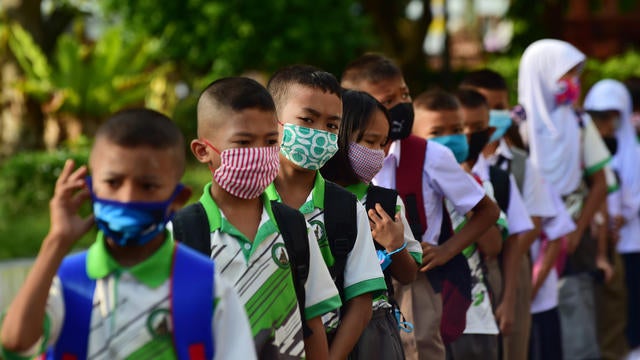
Students and teachers at multiple schools have already been forced to quarantine following positive COVID-19 test results as in-person classes resume. Joseph Allen, an assistant professor at the Harvard T.H. Chan School of Public Health, joined CBSN to discuss school reopening strategies and recommendations from the Harvard Global Health Institute.

Black communities have long been working to make pregnancy and birth safe and joyful experiences. But could the pandemic put them at an even higher risk?

This week we sat down with White House National Security Adviser Robert O'Brien, Governor Ned Lamont and former FDA Commissioner Dr. Scott Gottlieb.

"If you're pregnant, unemployed and uninsured? Oh, my God, that is a terrifying prospect."

Epic Systems, a medical records software company, "is going to have to adhere by the same rules as everyone else," a local official said.
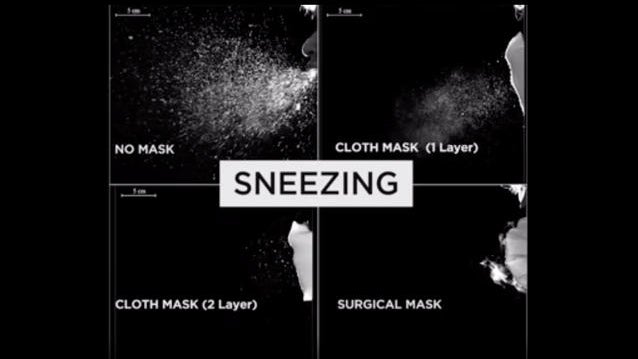
Experts say cloth face coverings can help stop the spread of COVID-19, and new research suggests masks with two layers of fabric are more effective than those with a single layer. CBS News' Naomi Ruchim has details.