A CBS News Radio Retrospective
Before signing off on Friday, May 22, 2026, CBS News Radio looked back at its 99-year history with a retrospective, "Good Night and Good Luck."
Watch CBS News
Before signing off on Friday, May 22, 2026, CBS News Radio looked back at its 99-year history with a retrospective, "Good Night and Good Luck."
On Friday, May 22, 2026, CBS News Radio signed off after nearly a century on the air. Christopher Cruise anchored the final newscast and special report.
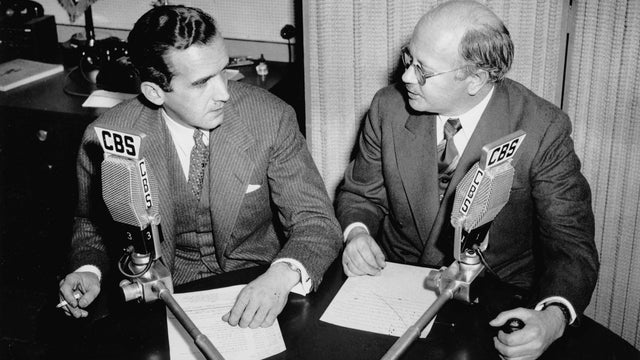
After nearly a century on the air, CBS News Radio signed off, with the final reports airing on Friday, May 22.
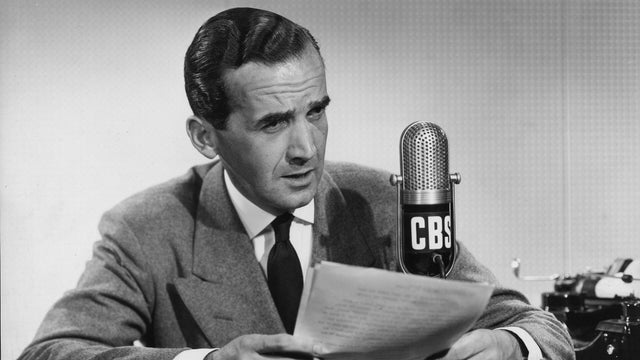
CBS News Radio is shutting down on Friday after nearly 100 years on the air. In this marathon, Major Garrett ventures into the archives to feature memorable moments from the American institution's storied history.
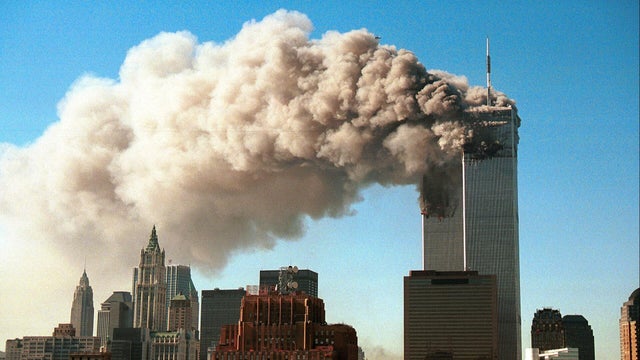
In his final tribute to CBS News Radio ahead of its shuttering, Major Garrett introduces coverage of the Sept. 11, 2001, attacks.
Tulsi Gabbard resigns as national intelligence director; President Trump defends "anti-weaponization" fund despite GOP backlash.
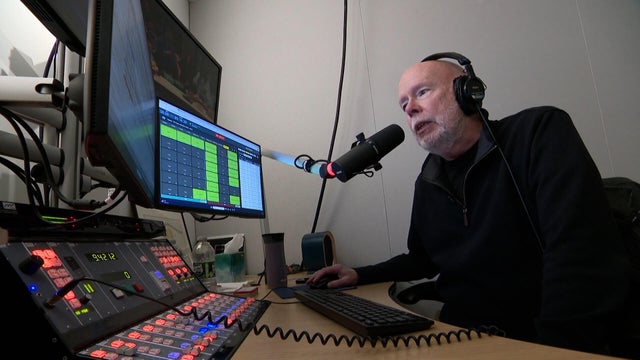
CBS News Radio will sign off this Friday after nearly a century on the air. Bradley Blackburn sat down with familiar voices to look back and listen.
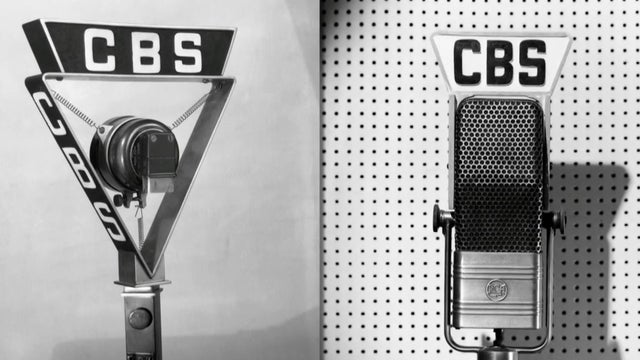
Over the decades, radio's listeners drifted to television, podcasts and streaming. On Friday, CBS News Radio will sign off for the last time. Mark Strassmann takes a look back at the institution.
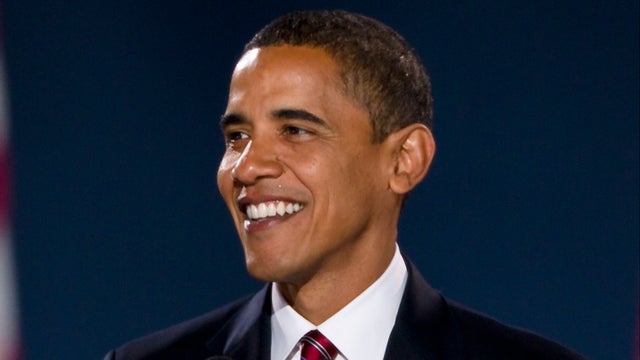
Major Garrett introduces CBS News Radio's coverage of the election of the first Black president of the U.S., Barack Obama.
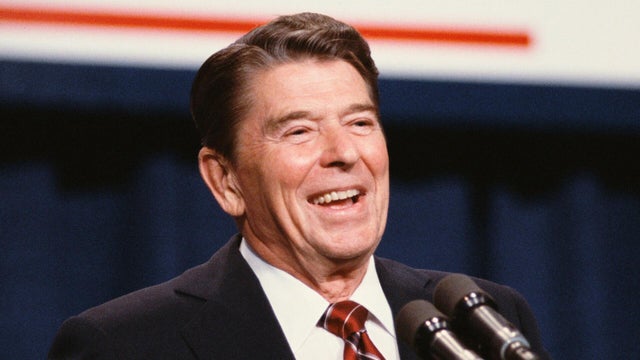
President Ronald Reagan's 1984 victory over Democratic nominee Walter Mondale is the largest Electoral College victory in modern politics. Major Garrett introduces CBS News Radio's coverage of the historic results.
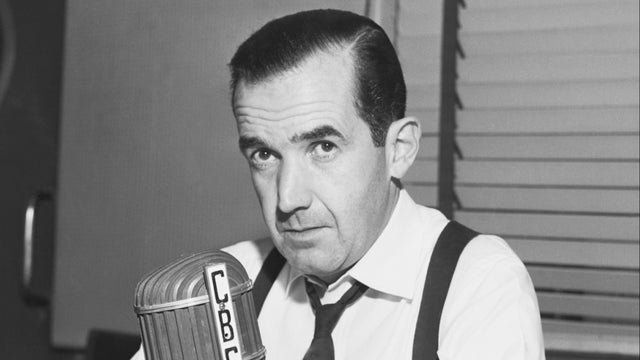
Major Garrett pays tribute to perhaps the most iconic CBS News voice, Edward R. Murrow, with a collection of clips from his World War II radio reporting.
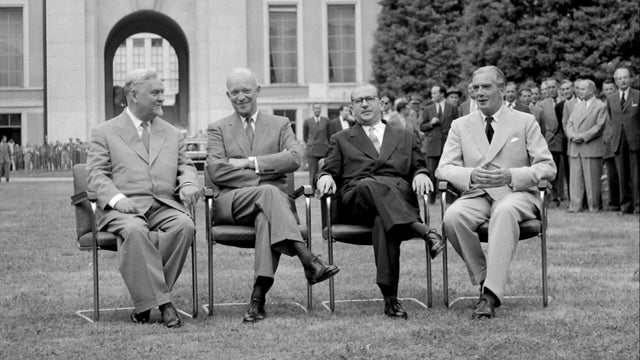
The year is 1955, and the world is a decade removed from the Allied victory in World War II, a monstrous conflict of never-before-seen carnage and slaughter. To avoid a third world war, the great powers tried something new: a meeting to explore trade relations, peace talks and arms control. Nikole Killion introduces CBS News Radio's coverage of the Geneva Summit.
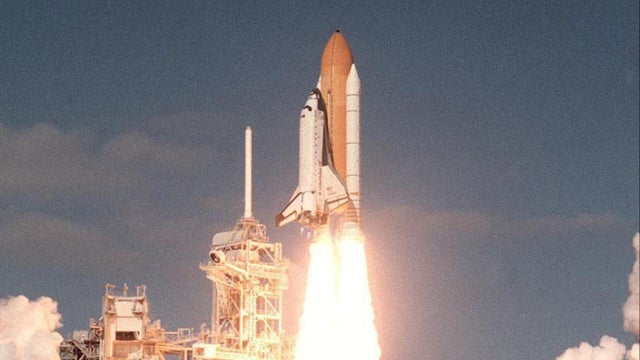
On Feb. 1, 2003, the Space Shuttle Columbia disintegrated upon reentering Earth's atmosphere, killing all seven crew members on board. Major Garrett introduces CBS News Radio's coverage from that day.
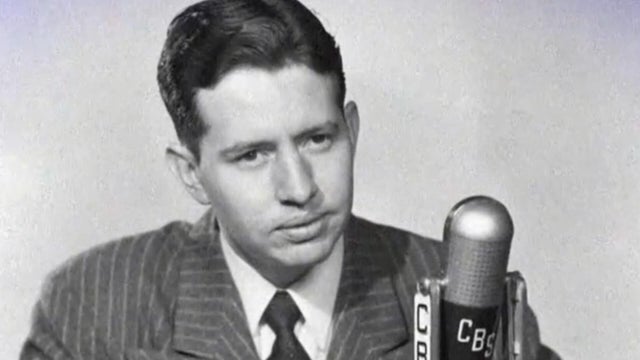
When Douglas Edwards began presenting the CBS Television News in 1947, he made history as the first anchor of an American TV news show. Although he left the role in 1962, Edwards remained at CBS, doing considerable TV and radio work, until 1988. Major Garrett introduces Edwards' final radio broadcast.

On July 13, 1977, the great New York City blackout plunged the Big Apple into darkness and chaos throughout the very hot, humid night. Major Garrett introduces CBS News Radio's coverage of the outage that saw nearly 1,400 stores looted, more than 1,000 fires set and more than 3,700 people arrested.
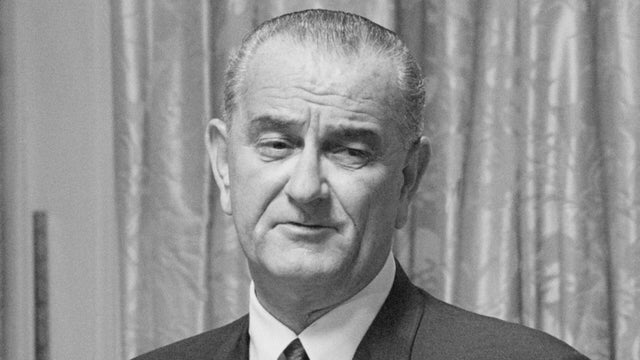
Major Garrett introduces CBS News Radio coverage of President Lyndon B. Johnson's 1965 speech to Congress, calling for equal voting rights for Black Americans.
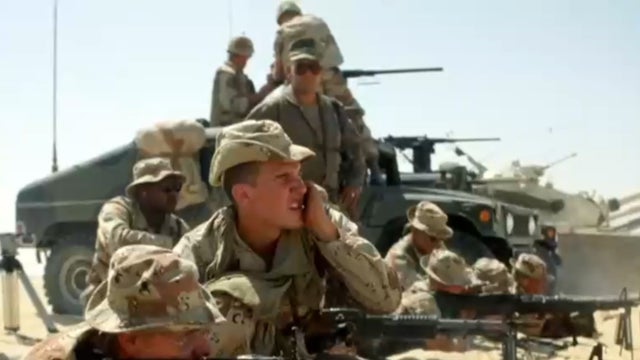
CBS News senior White House and political correspondent Ed O'Keefe introduces CBS News Radio's coverage of the beginning of the Gulf War against Iraq and 1991's Operation Desert Storm.
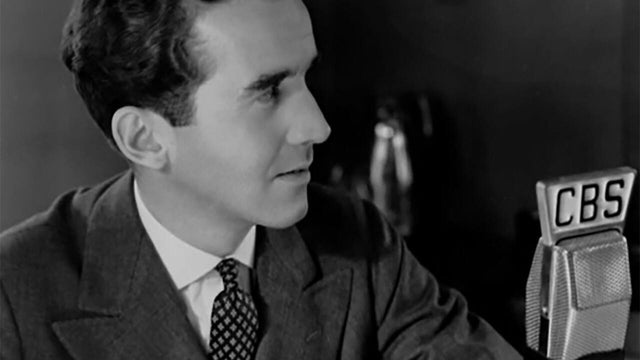
Founded nearly a century ago, CBS Radio, featuring legends such as Edward R. Murrow, Robert Trout and Charles Osgood, created the template for broadcast journalists. But on May 22, CBS will end its heralded radio service.
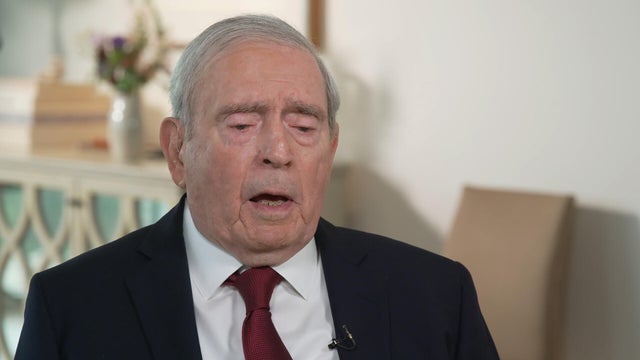
In this web exclusive, CBS News veteran Dan Rather talks with Mo Rocca about the impact that the heralded CBS Radio News had on him – as a child growing up in Texas, and as a young journalist learning by the example of "Murrow's Boys." He also discusses CBS Radio News' role in the evolution of broadcast journalism.
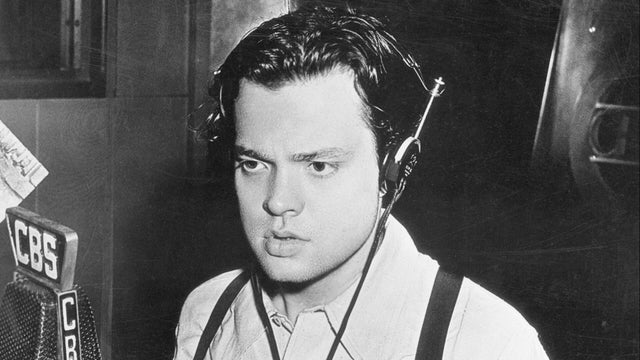
On Oct. 30, 1938, CBS News Radio listeners were sent into a frenzy listening to Orson Welles' reading of H.G. Wells' "War of the Worlds," thinking it was a real broadcast detailing an alien invasion. CBS News' Caitlin Huey-Burns introduces the fictional, now-iconic breaking news bulletin.

Ship with hantavirus outbreak arriving in Spain on Sunday; Virginia Supreme Court rejects new congressional map.
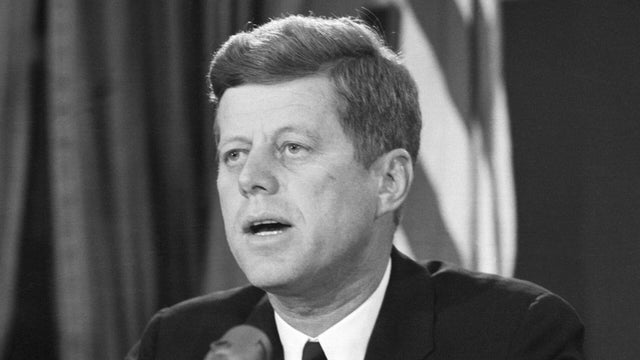
For 13 days in October of 1962, the world stood on the brink of nuclear war as the U.S. and the Soviet Union feuded over Soviet missiles stored in Cuba, just off the coast of Florida. Caitlin Huey-Burns introduces a special bulletin that interrupted CBS News Radio's programming.
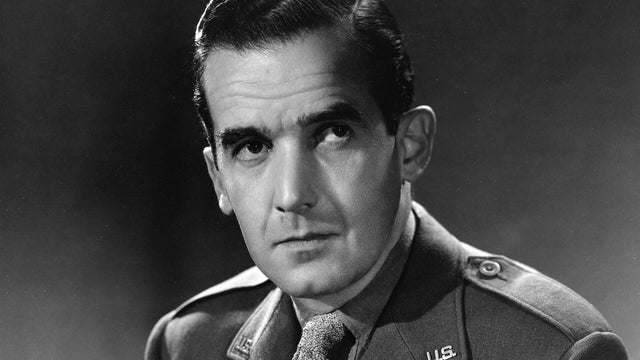
Edward R. Murrow brought CBS News Radio listeners to the front lines of World War II. CBS News' Caitlin Huey-Burns introduces Murrow's famed 1943 broadcast aboard an Allied bombing run over Berlin.
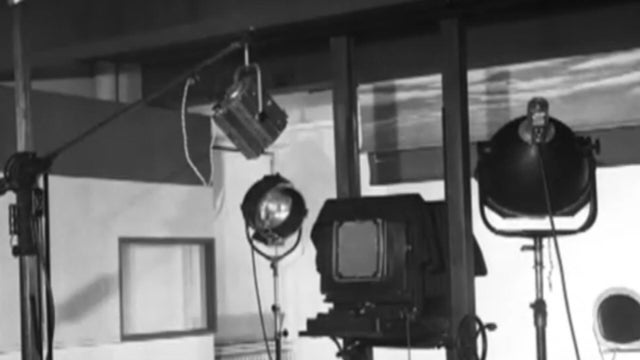
Studio 9 was where the voices that made CBS News Radio famous came together to knit the world through reportage over the airwaves. CBS News chief Washington correspondent Major Garrett introduces a tribute to the space made ahead of its closure in the summer of 1964.
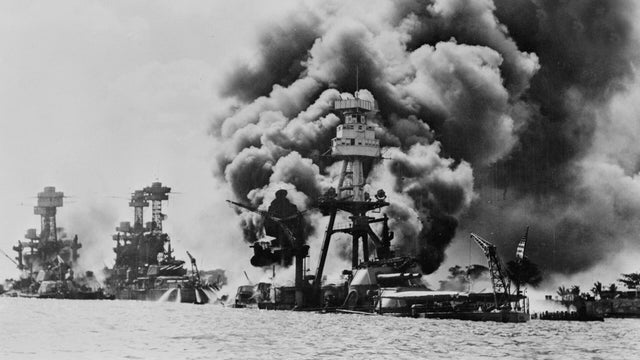
In the 20th century, no event rocked America more than the surprise Japanese attack on Pearl Harbor. CBS News chief Washington correspondent Major Garrett introduces a very particular part of vital CBS News Radio coverage from that day.