Immunotherapy breakthrough could change how certain cancers are treated
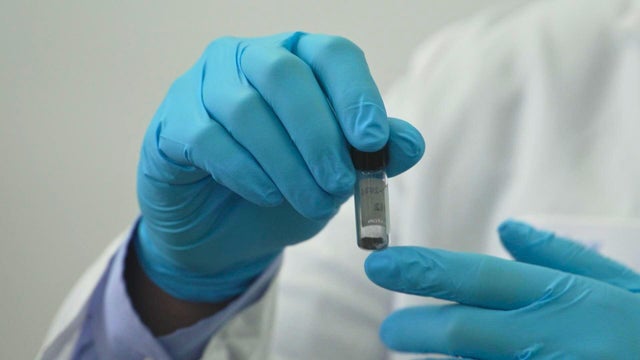
A new study shows promising results for treating certain cancers with immunotherapy and completely avoiding surgery, radiation and chemotherapy.
Watch CBS News
A new study shows promising results for treating certain cancers with immunotherapy and completely avoiding surgery, radiation and chemotherapy.

This year, more than 2 million people will get the news that they have cancer -- but there is new hope in the battle against the disease. Dr. Jon LaPook has more on the results of a just-released study on immunotherapy that shows promising results in treating certain types of cancer.

Actor Ryan Reynolds takes us on his personal health journey to raise awareness about cancer screening. And we go on a deep dive into both sides of the issue surrounding banned books in our public schools. Watch these stories and more on "Eye on America" with host Michelle Miller.

Michael Wolff was at the "edge of a cliff" when he was diagnosed with a cancer that affects less than 300 patients a year in the U.S.

Uranium produced in St. Louis was used for the secretive Manhattan Project. Leftover waste was dumped around the city.

The Army Corps of Engineers has been cleaning up radioactive contamination near St. Louis since the 1990s, but their efforts are facing criticism.

Nuclear waste from the development of the first atomic bomb in the 1940s became a ticking bomb in the St. Louis area. Now, one woman is on a mission to see that it is cleaned up. Skyler Henry reports.

Nuclear waste from the Manhattan Project in the 1940s wound up in a waterway that snakes through St. Louis. Skyler Henry spoke to a resident who believes that, years later, the waste gave her loved ones cancer.

On Tuesday, Robert F. Kennedy, Jr. announced plans to phase out eight commonly used food dyes. Dr. Peter Chin-Hong, professor of medicine at UC San Francisco, joined CBS News to break down the health concerns and which foods use the dyes.
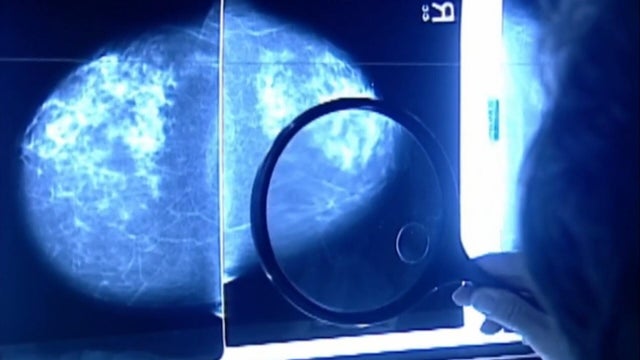
Cancer deaths have been in a steady decline over the last two decades, but there are troubling trends in the National Cancer Institute's new report. Dr. Jon LaPook takes a look.

This Easter season, a Texas boy has gained celebrity recognition for raising rabbits even as he battles an inoperable brain cancer.

A new study is projecting how radiation from computed tomography imaging, or CT scans, could lead to future cancers.
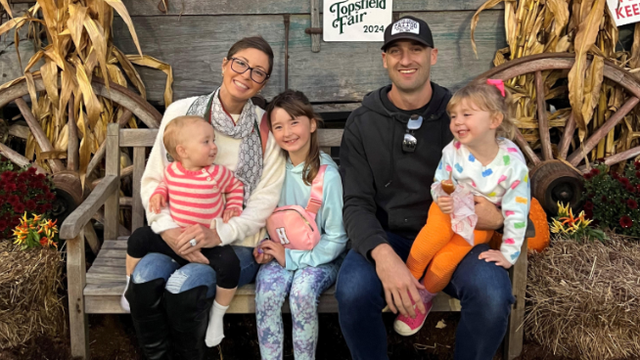
Heather Barry, now 36, is among the rising number of younger adults being diagnosed with colorectal cancer.

In 2013, Harvard crew coach Harry Parker reflected on his long career while preparing a group of rowers, and fighting his last race against cancer.

King Charles was hospitalized briefly, more than a year after his cancer diagnosis, due to what Buckingham Palace called "temporary side effects" of his treatment.

There has been a startling rise in the rate of colon cancer cases among younger Americans. Natalie Brand reports on a group of doctors investigating the increase, and a young woman raising awareness about the importance of early detection.

Former Utah Rep. Mia Love's death is bringing glioblastoma, an aggressive and rapidly growing form of brain cancer, into focus. According to the M.D. Anderson Cancer Center at the University of Texas, around 12,000 Americans are diagnosed with it and are typically given 15-18 months to live. The survival rate is only 10% after 5 years. Dr. Randy D'Amico, Neurosurgeon at Northwell Lenox Hill Hospital, joins "The Daily Report" to discuss.

Author and screenwriter Delia Ephron sits down with Dr. Jon LaPook to discuss love, the loss of her sister and her triumph over cancer. We also have a story about a man who stumbled across millions of dollars' worth of art. "Here Comes The Sun" is a closer look at some of the people, places and things we bring you every week on "CBS Sunday Morning."

Irene Wells didn't ask just how bad her pancreatic cancer was — she just wanted aggressive treatment so she could do "a little bit more" in her life.

CBS News chief medical correspondent Dr. Jon LaPook explains why immediate access to test results "is a great idea," but notes "it comes with some wrinkles."

When Dr. Michael Zollicoffer was diagnosed with two types of cancer, his patients started a crowdfunding campaign that raised more than $100,000.

A beloved family doctor never turns people away for their inability to pay. So when he couldn't afford his cancer treatment, his patients didn't hesitate to return the favor. Steve Hartman goes "On the Road" for the story.

A new study, published in the journal Nature, looked at animal experiments and found that aspirin enhanced the ability of the immune system to fight back against cancer. Scientists are still trying to figure out which patients are most likely to benefit. Dr. Elisa Port, chief of breast surgery at Mount Sinai Hospital, joined CBS News to discuss the study.

Black women have the highest mortality rates for several cancers, yet make up just 2% of participants in clinical trials for cancer drugs. Breast cancer survivor Ricki Fairley founded "TOUCH: The Black Breast Cancer Alliance" and launched the "When We Trial" initiative to connect Black women with life-saving medical resources and research opportunities. She joins "CBS Mornings Plus."

Mya Wienskovich has been going to FCA Gems and Flo's Gymnastics for five years and when she was diagnosed with a brain tumor, her team was there for her.